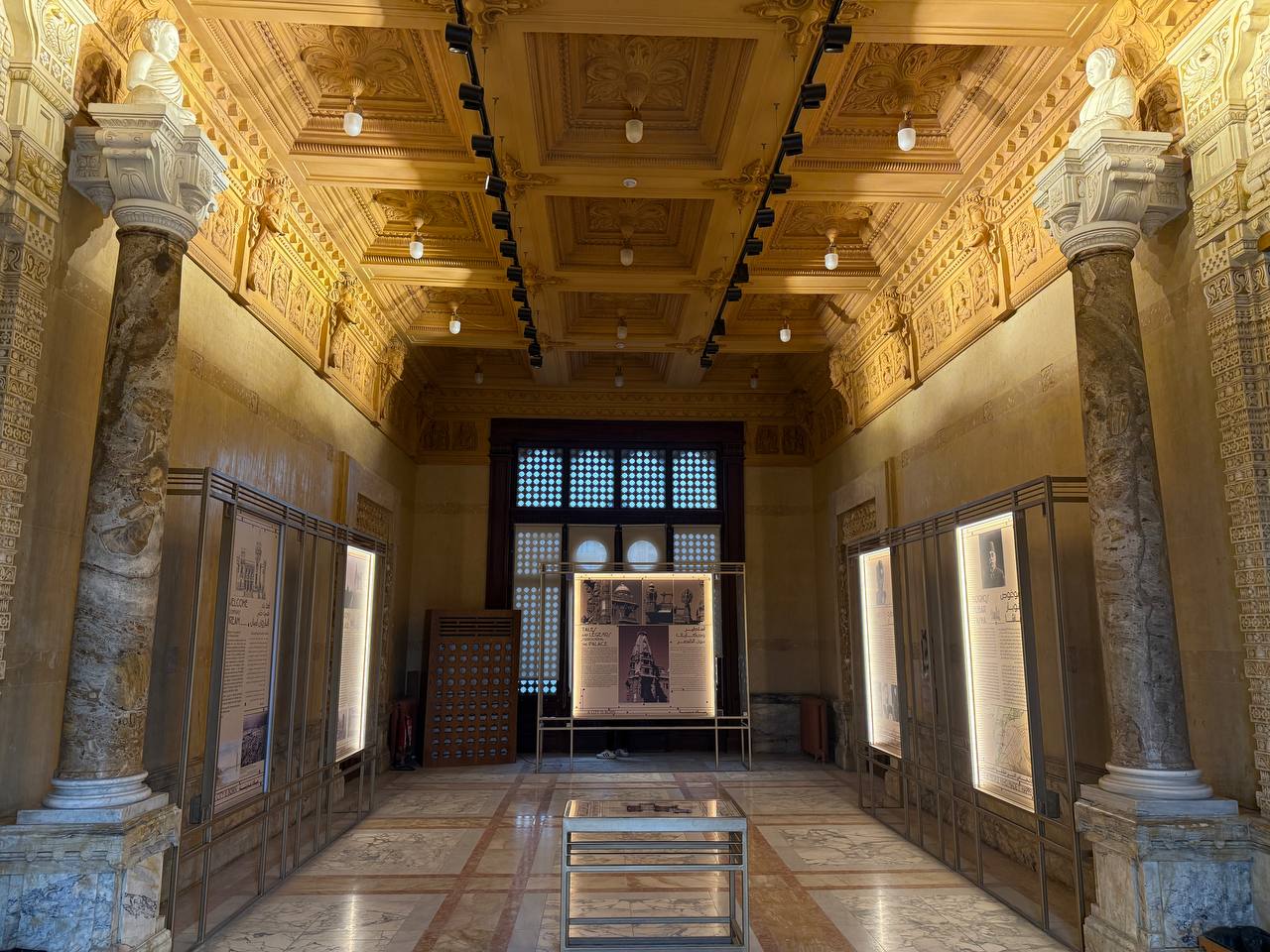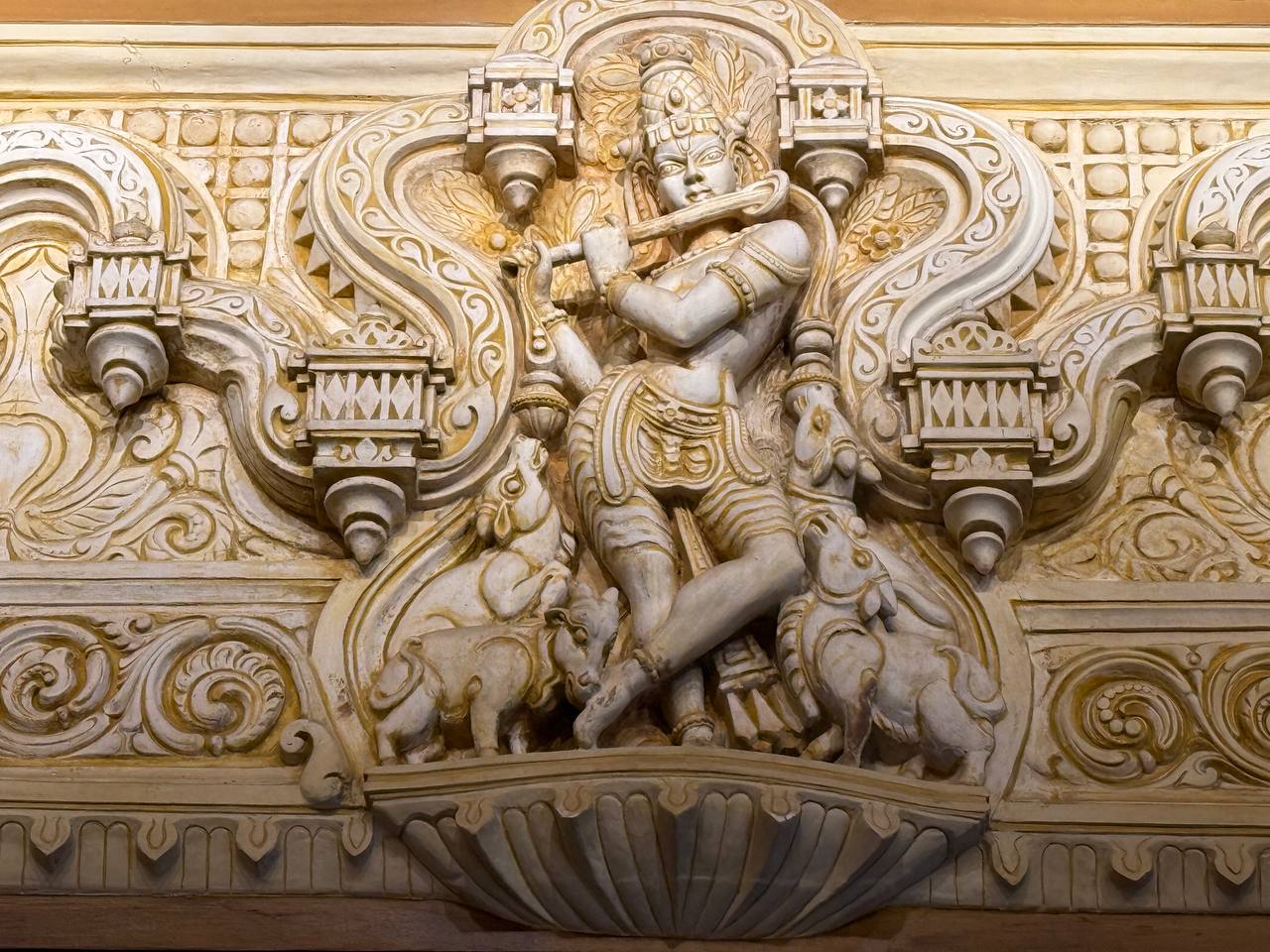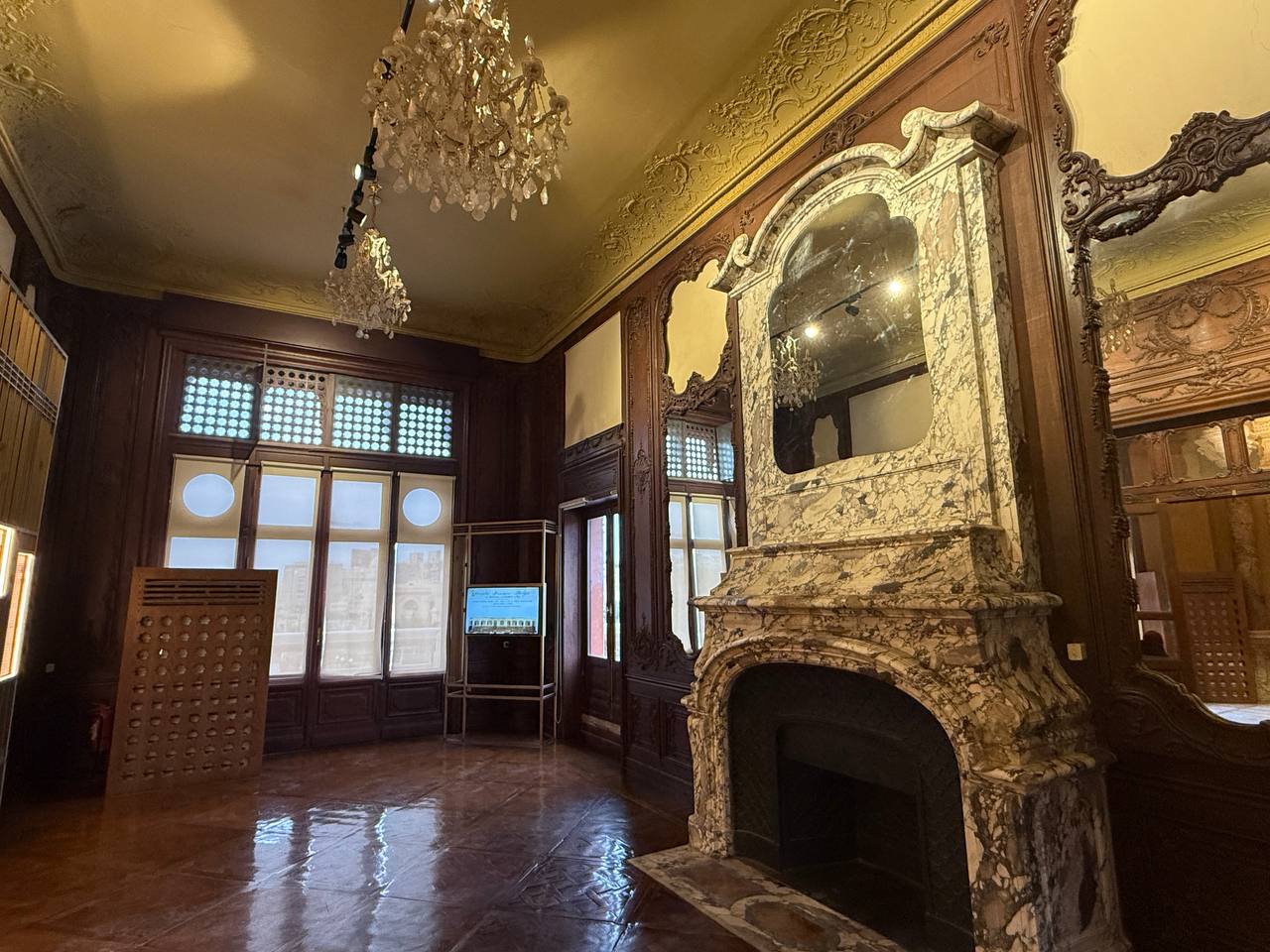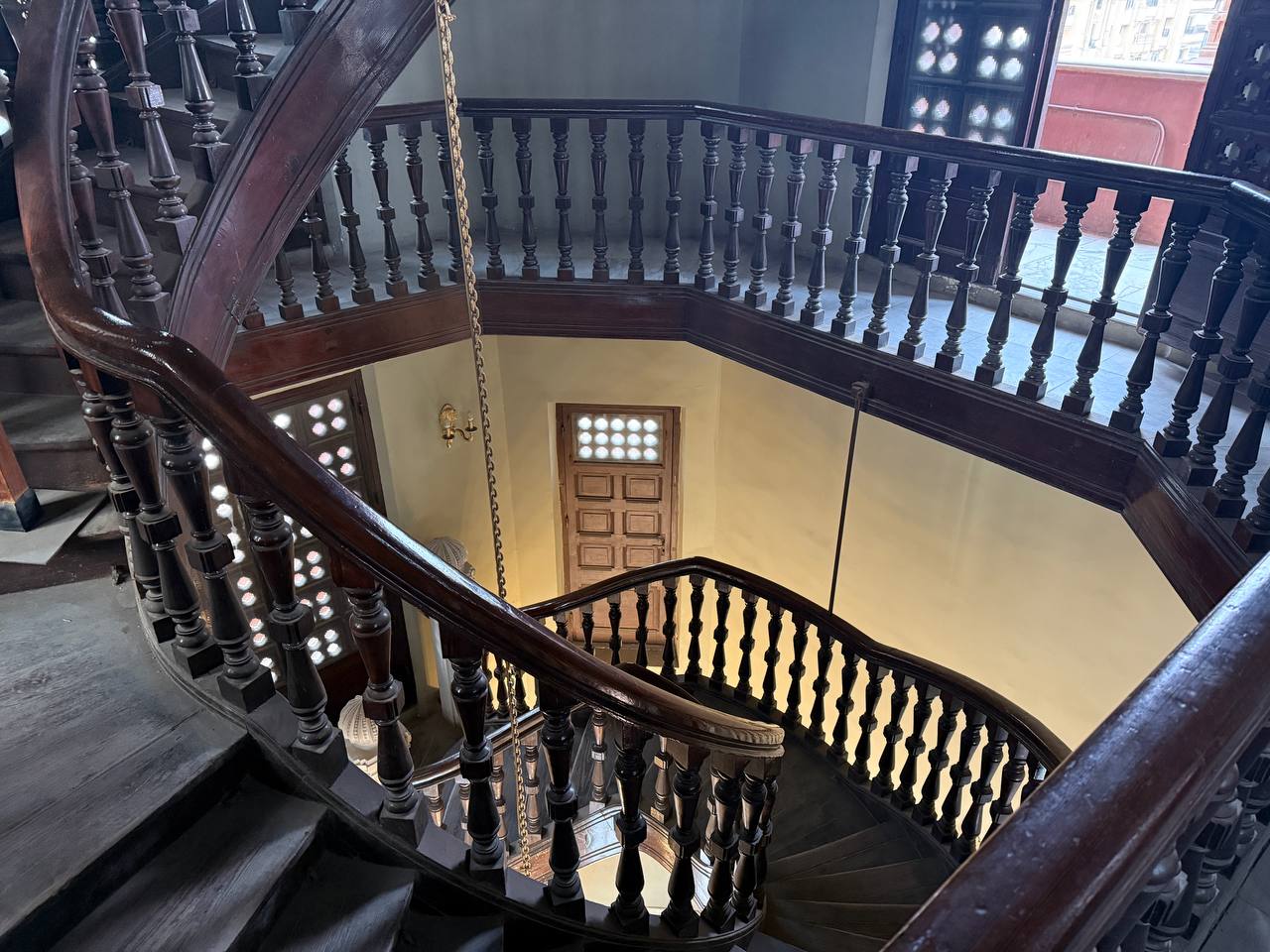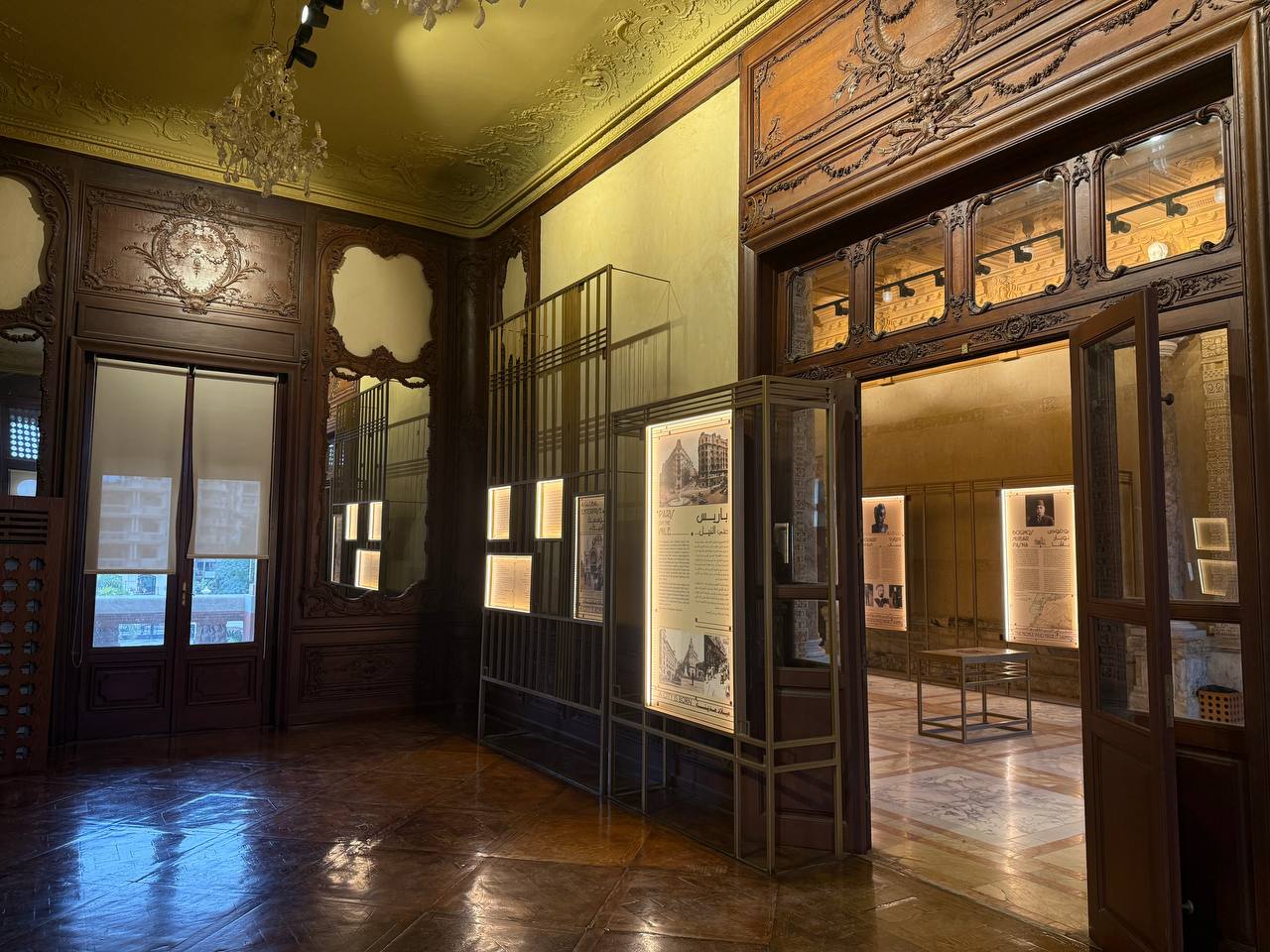
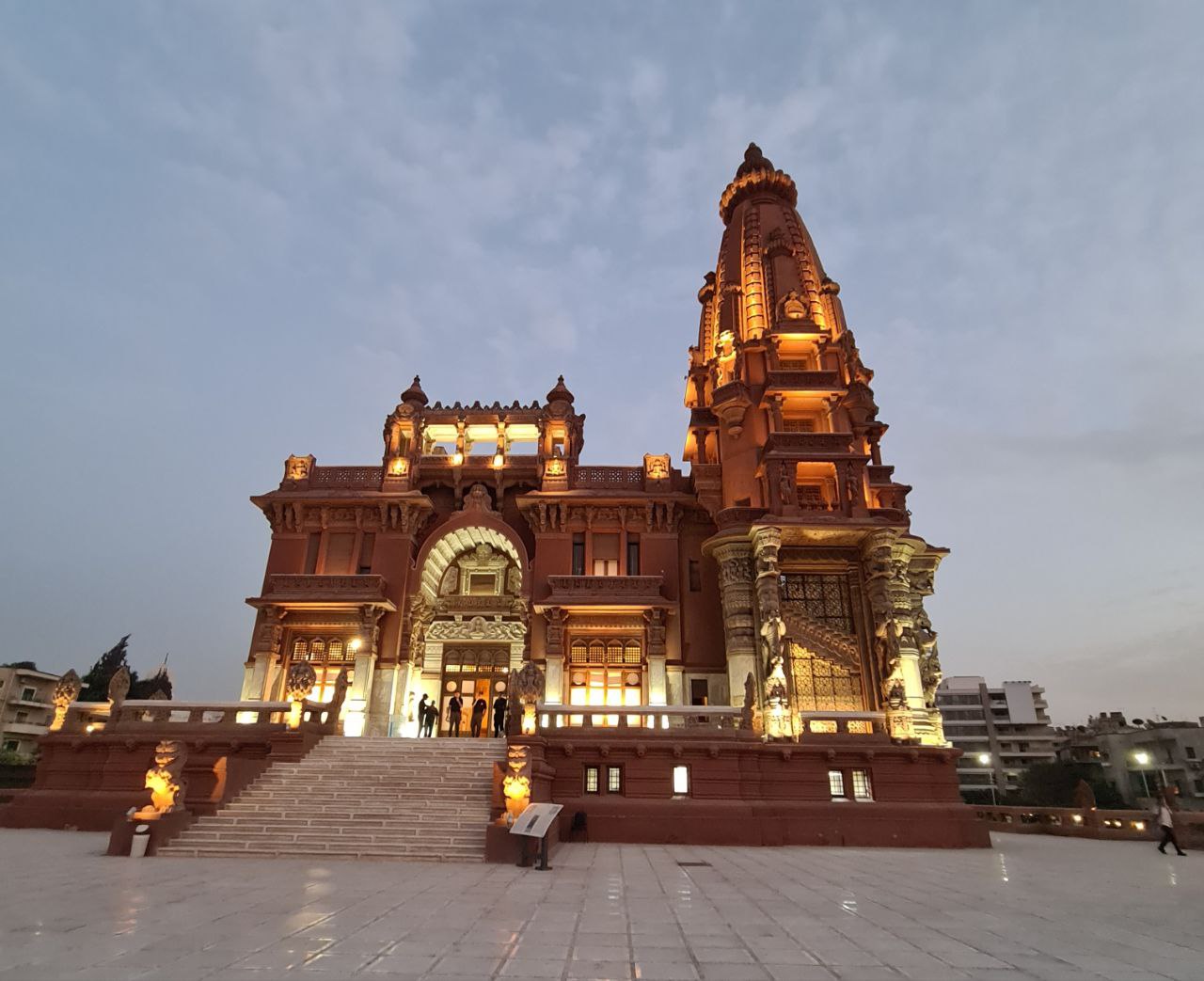
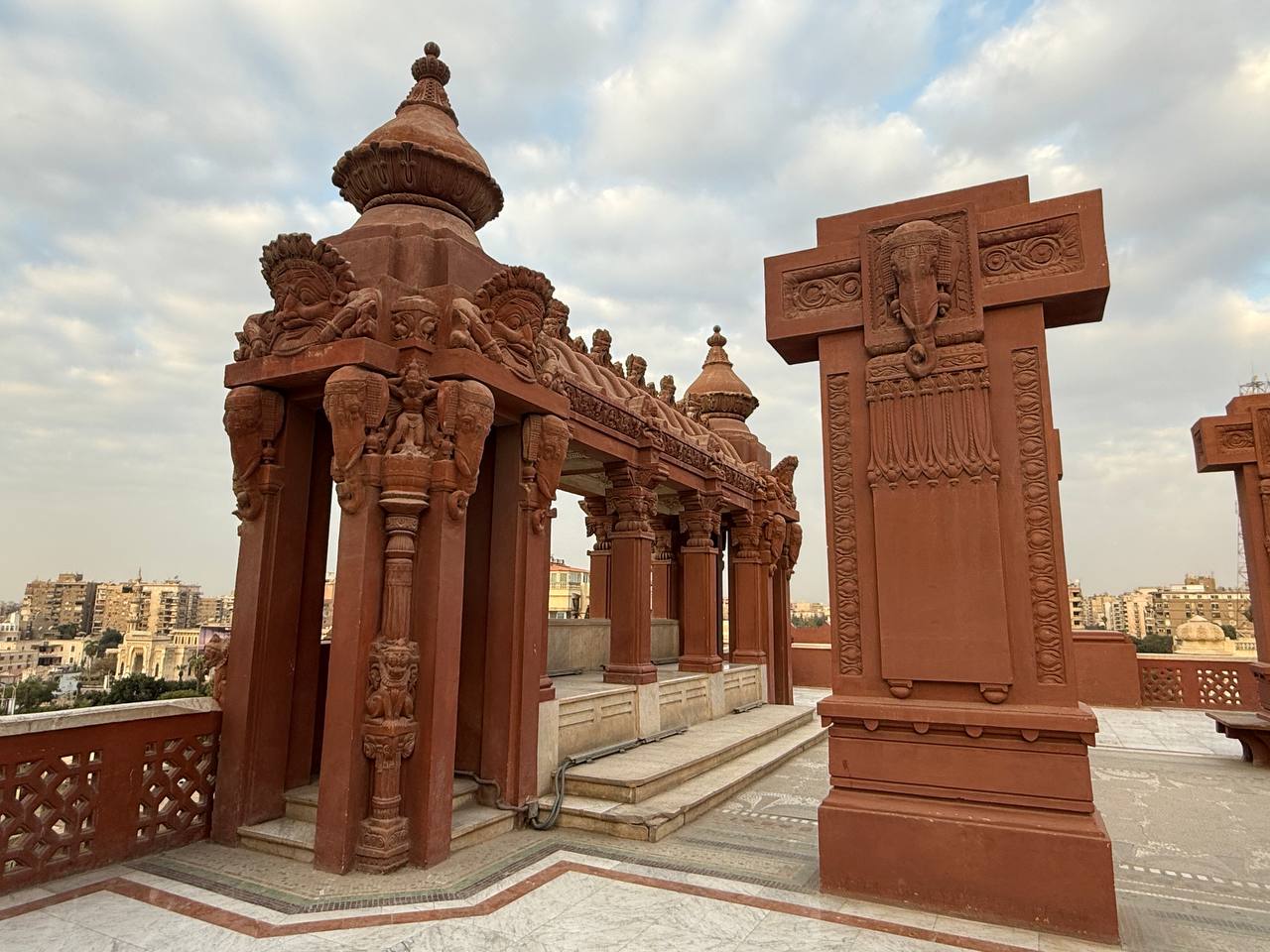
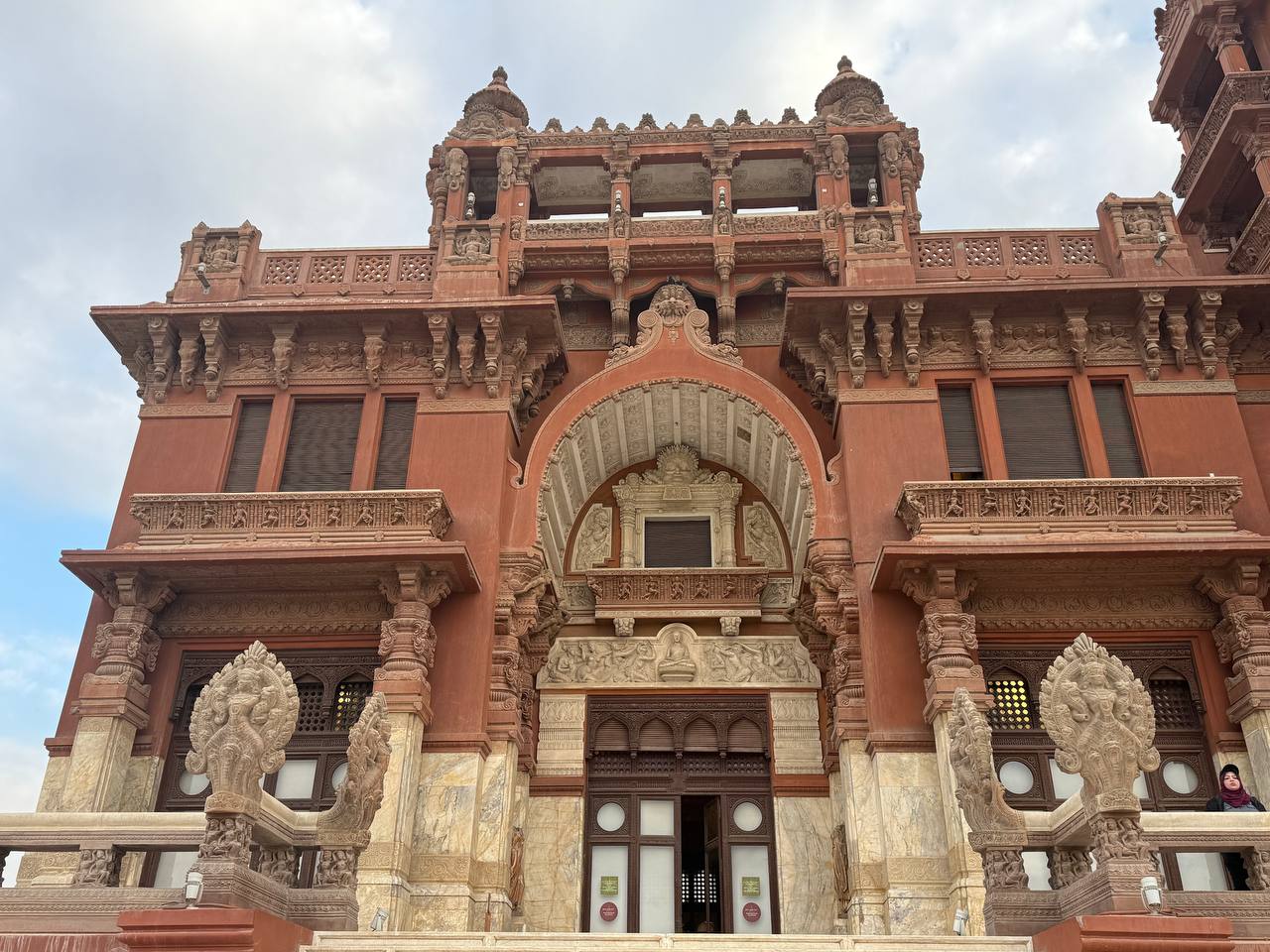
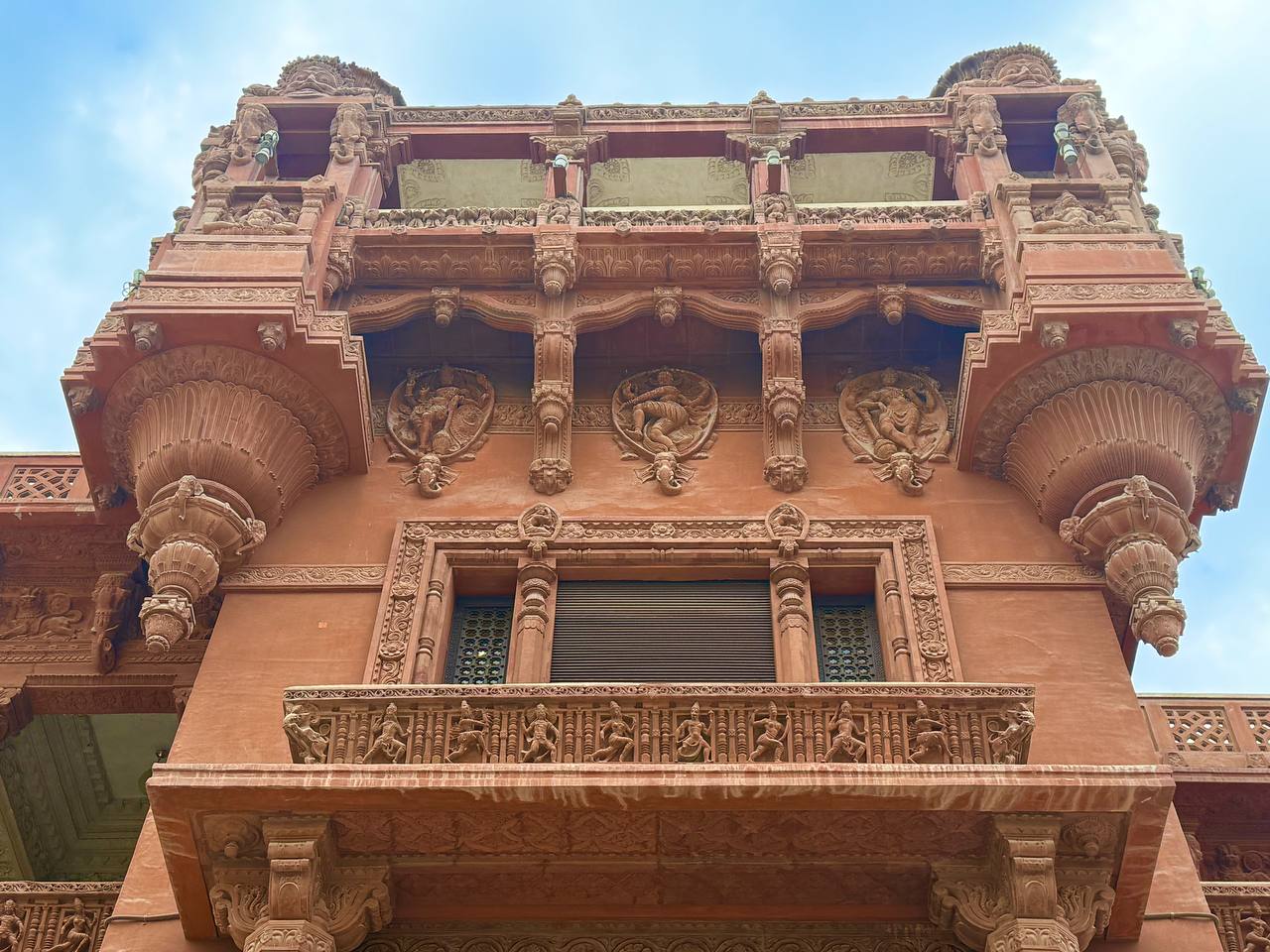
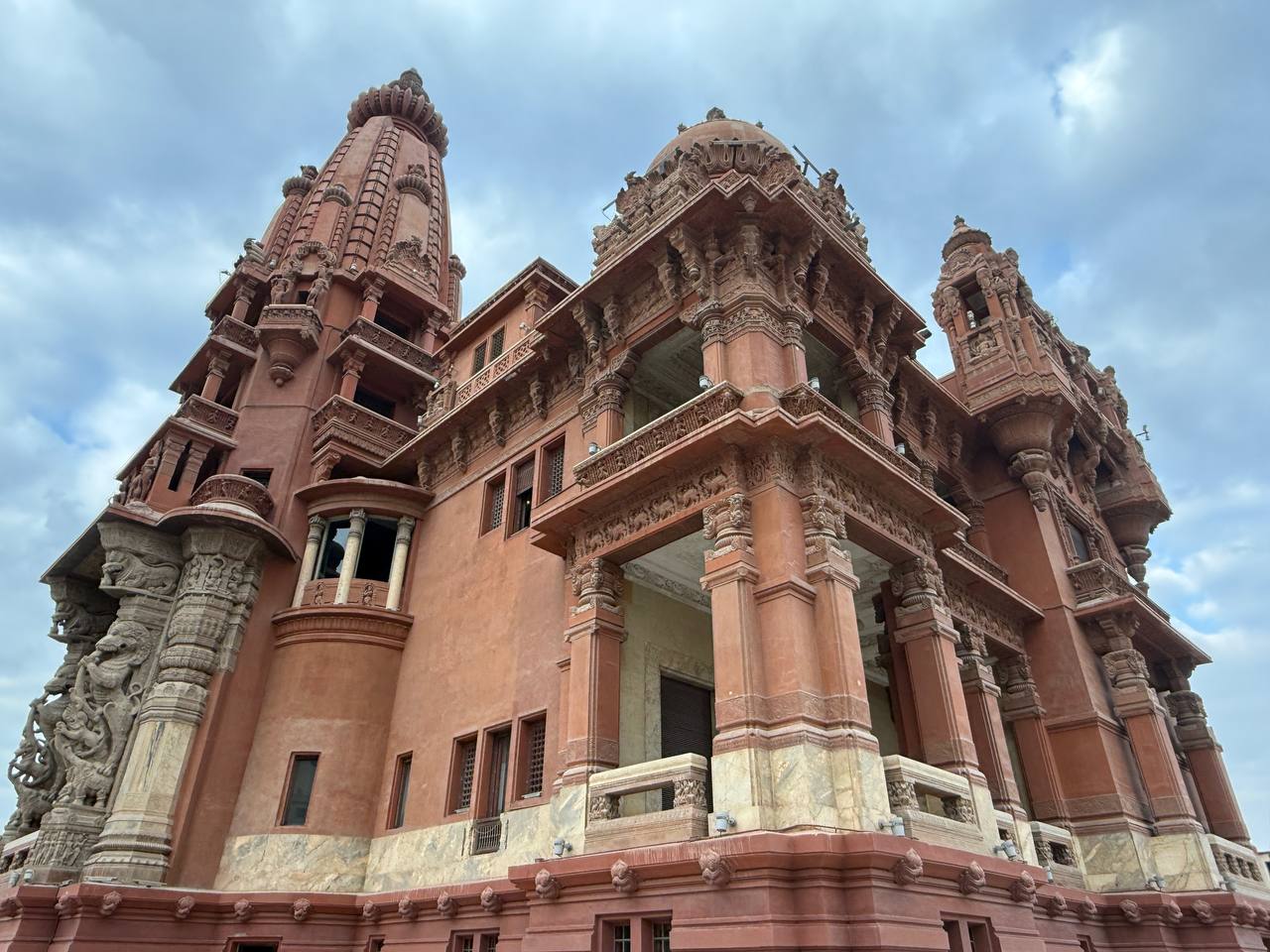
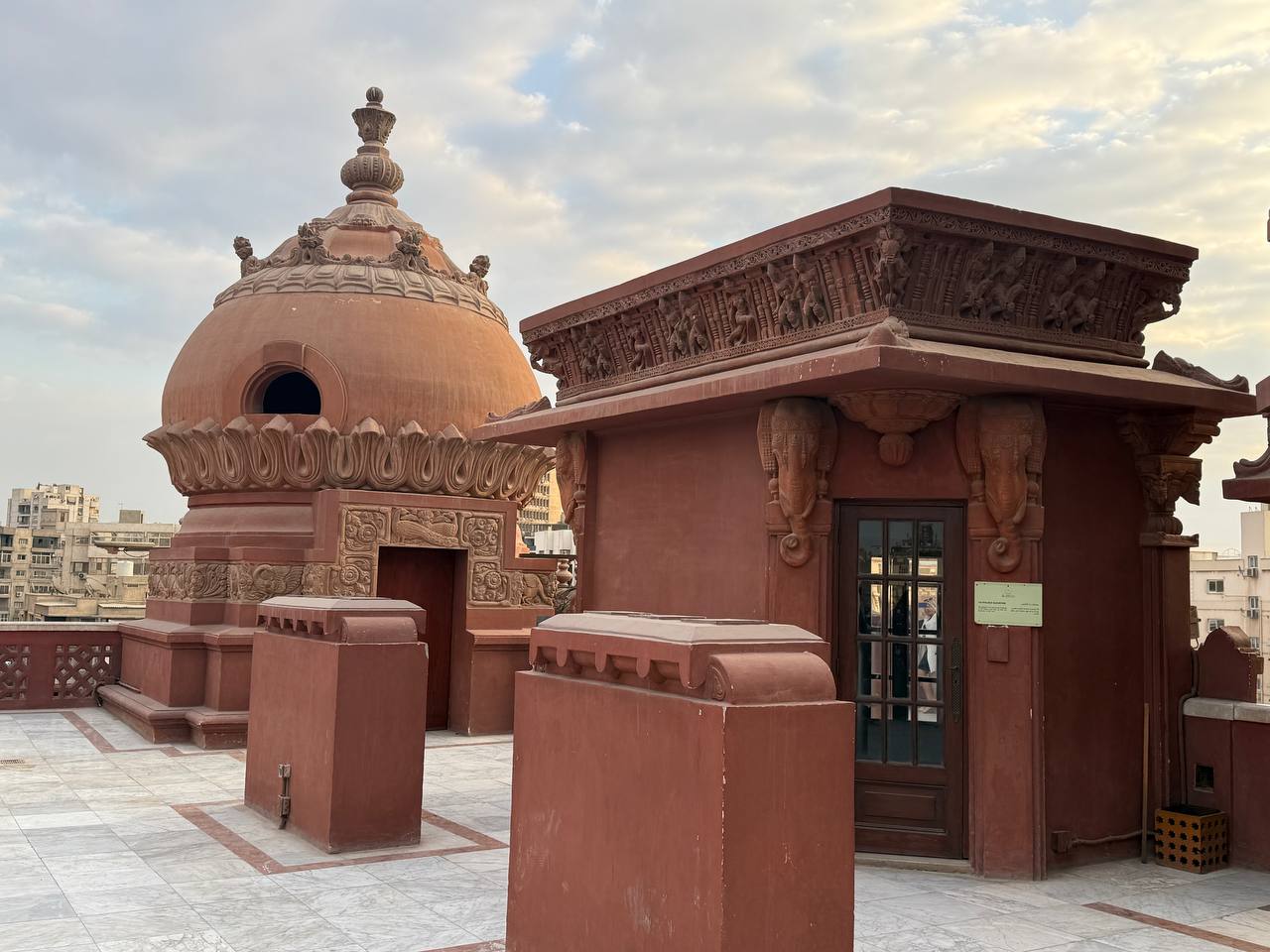
The Baron Empain Palace is the only palace in Hindu style in Egypt
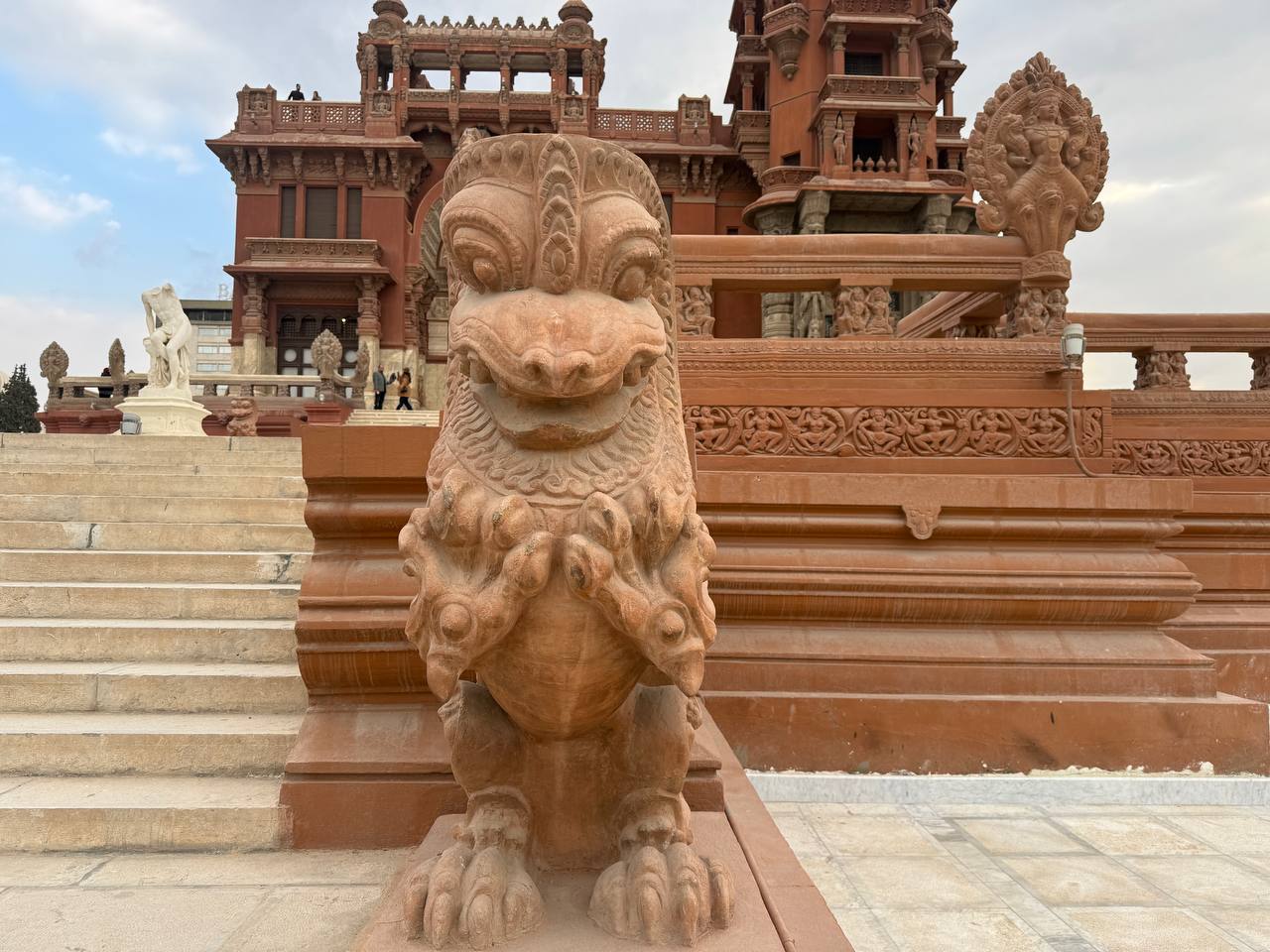
It was designed by the French architect Alexandre Marcel, who was captivated by the Angkor Wat temples in Cambodia
And so, in the capital of Egypt, rose the most unusual palace, combining the spirit of Asia with European architecture
Custom-designed tours of Cairo
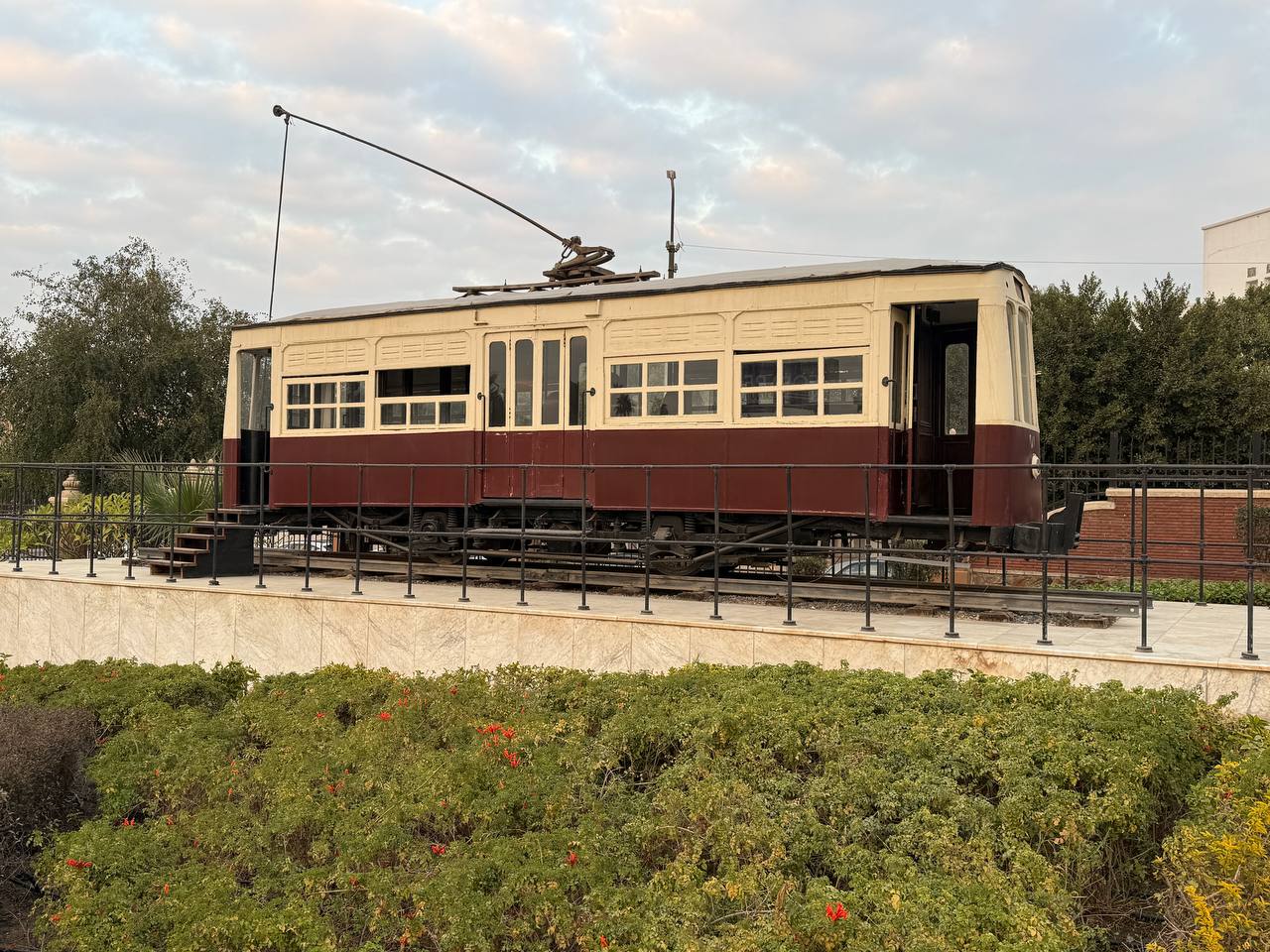
In 1904, the Belgian industrialist Baron Empain came to Egypt on business for his company and to develop transport projects, including electric tram lines in Cairo
Quite unexpectedly for himself, the baron fell in love with Egypt and decided to create a modern, luxurious suburban district with infrastructure, amenities, and architecture of European standard that would attract wealthy residents and investors
In 1906, Empain’s company purchased large tracts of desert (about 2,500 hectares) northeast of Cairo from the Egyptian authorities at a favorable price, and this land became the foundation for the new district of Heliopolis
Moreover, the baron received an official concession from the Egyptian authorities to build and operate electric tram lines
At that time, Cairo already had horse-drawn and steam trams, but Empain introduced the modern electric tram
Lines were laid connecting the center of Cairo with the new district of Heliopolis, which today is essentially Baron Empain’s legacy
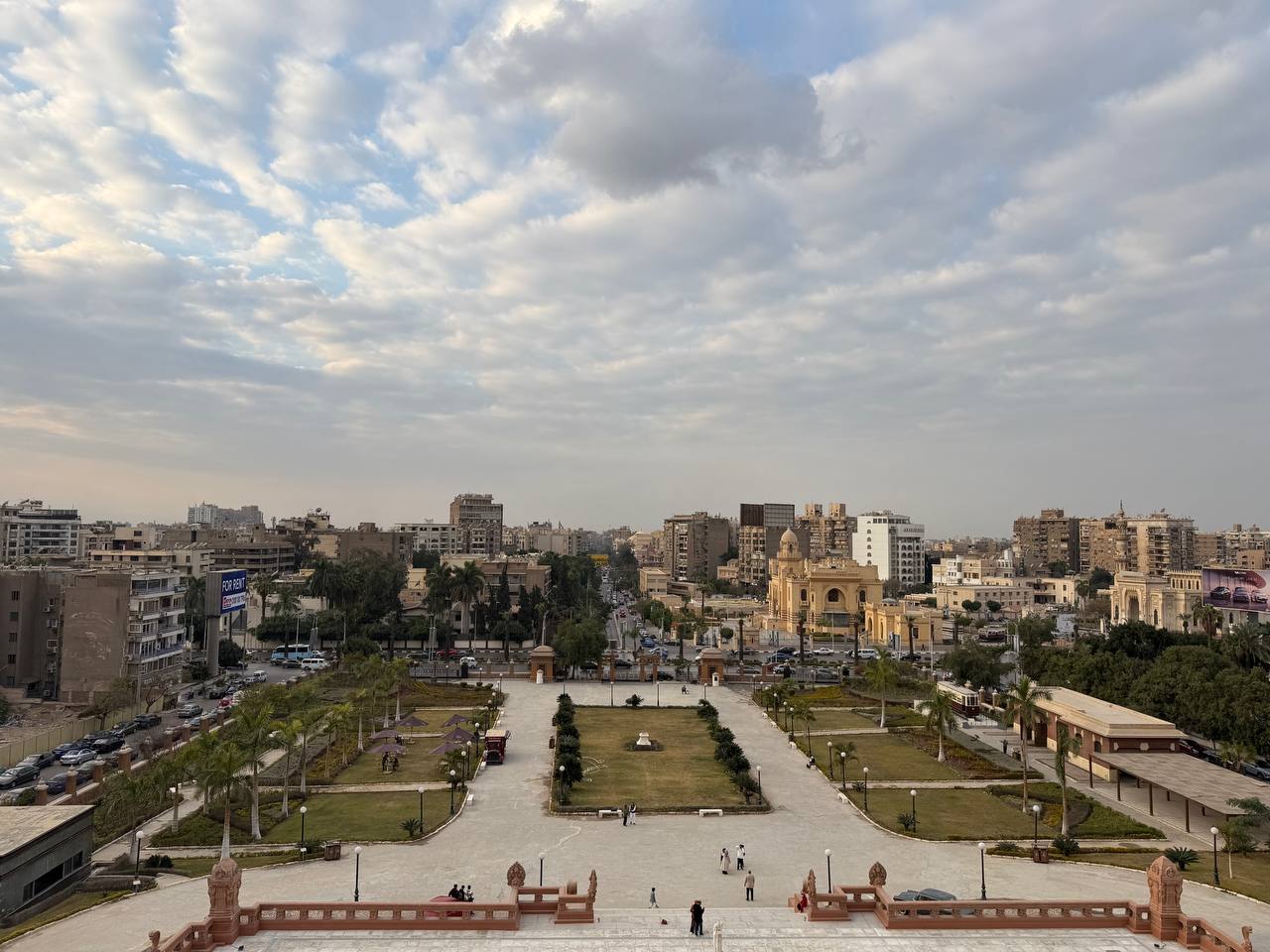
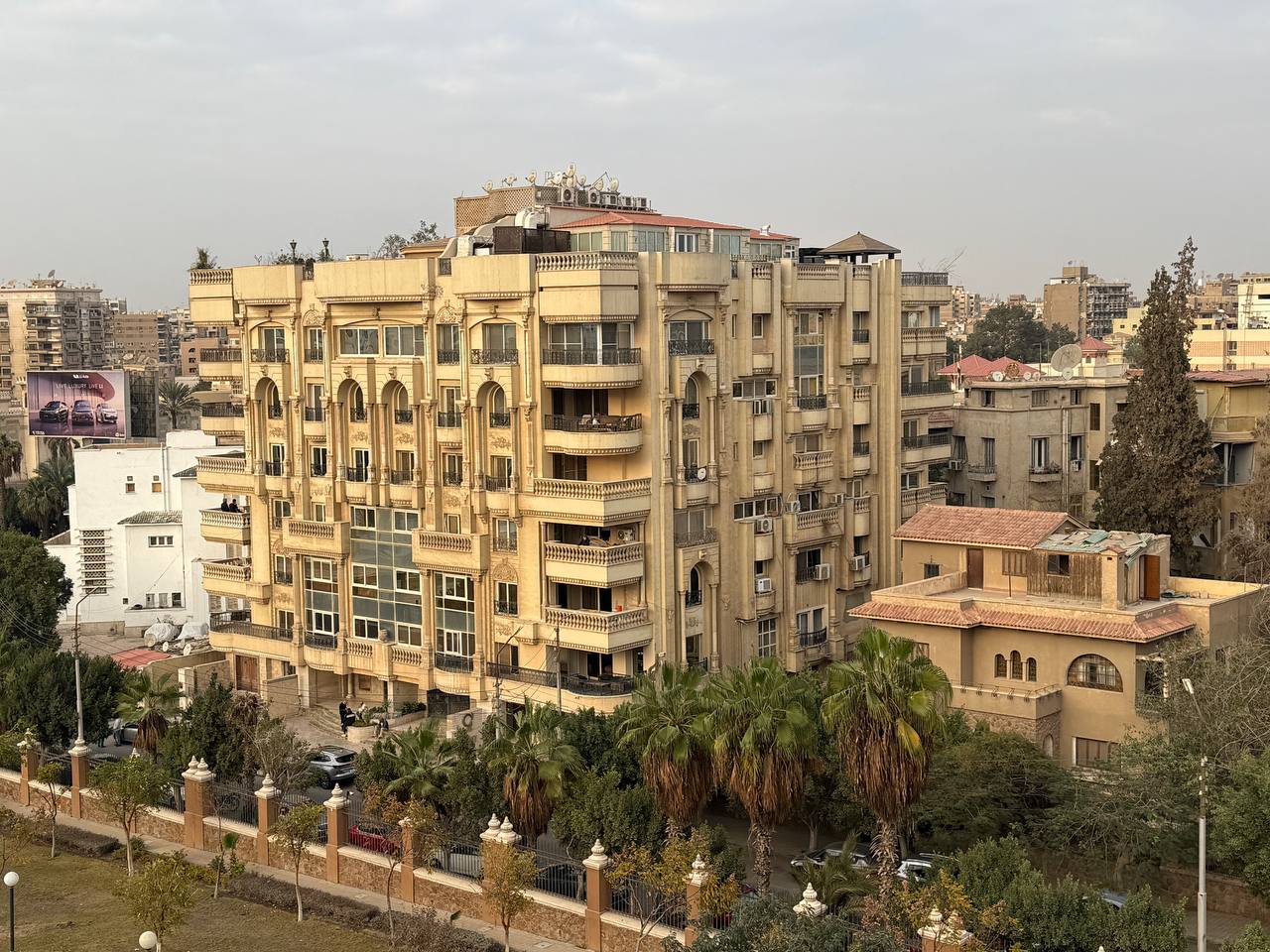
Envisioning Heliopolis as a “city of the future,” Baron Édouard Empain decided to build his own residence here as well - a palace that would symbolize his project and personal taste
The idea for the palace arose in 1907, and construction took about four years
For the baron, the palace became not just a home but a demonstration of ambition, technical progress, and faith in the future of Heliopolis as a new focal point of Cairo
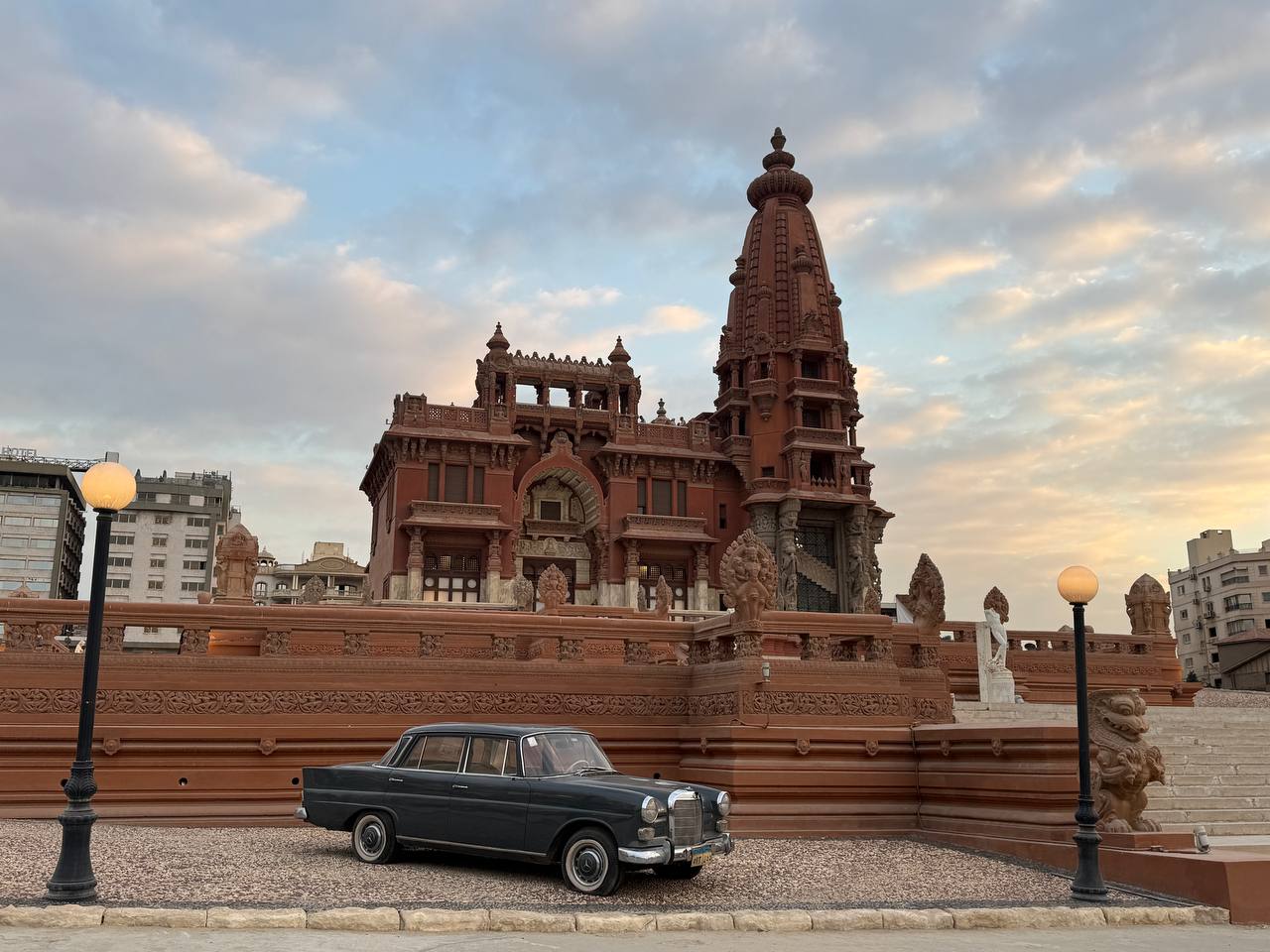
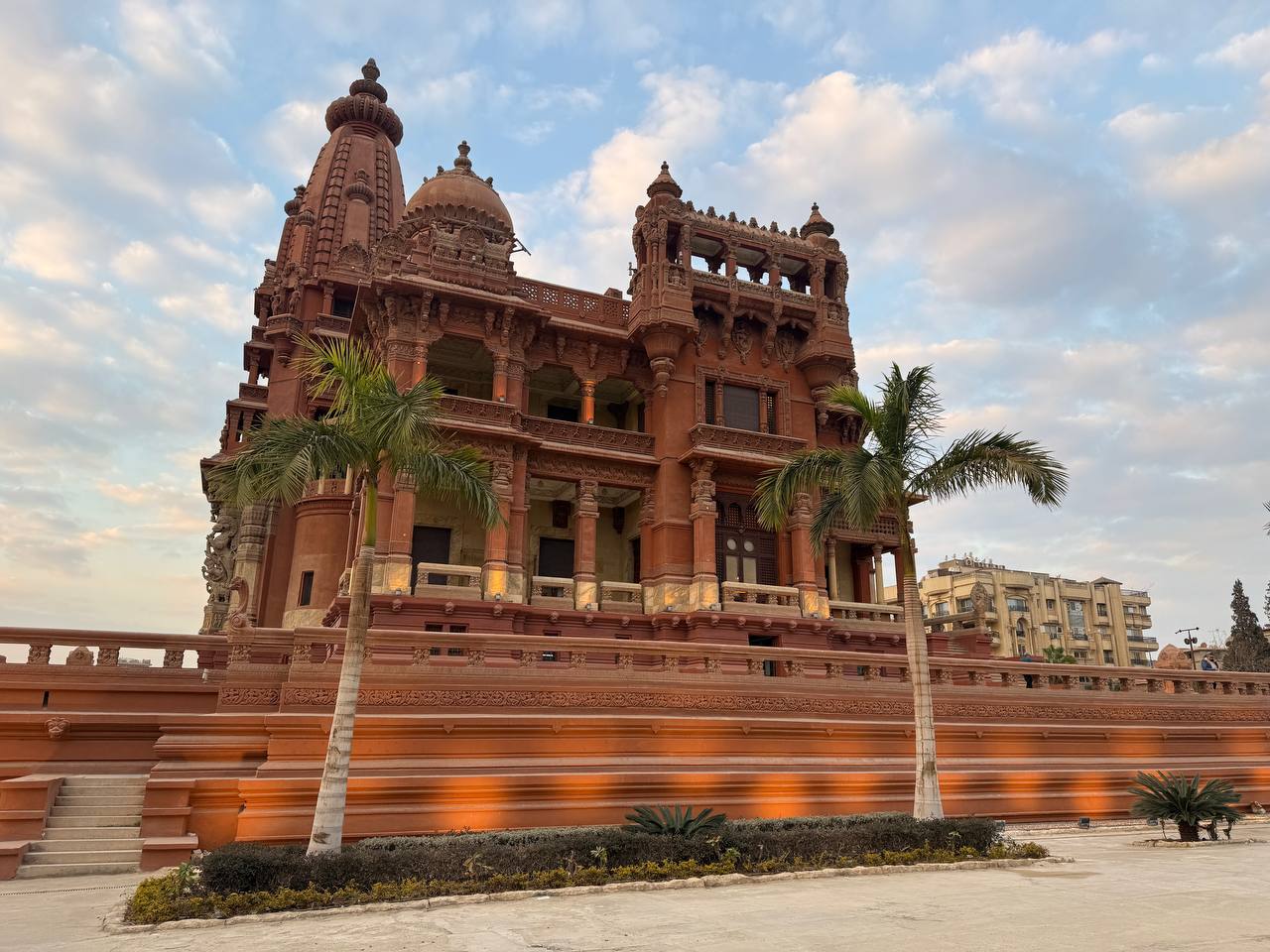
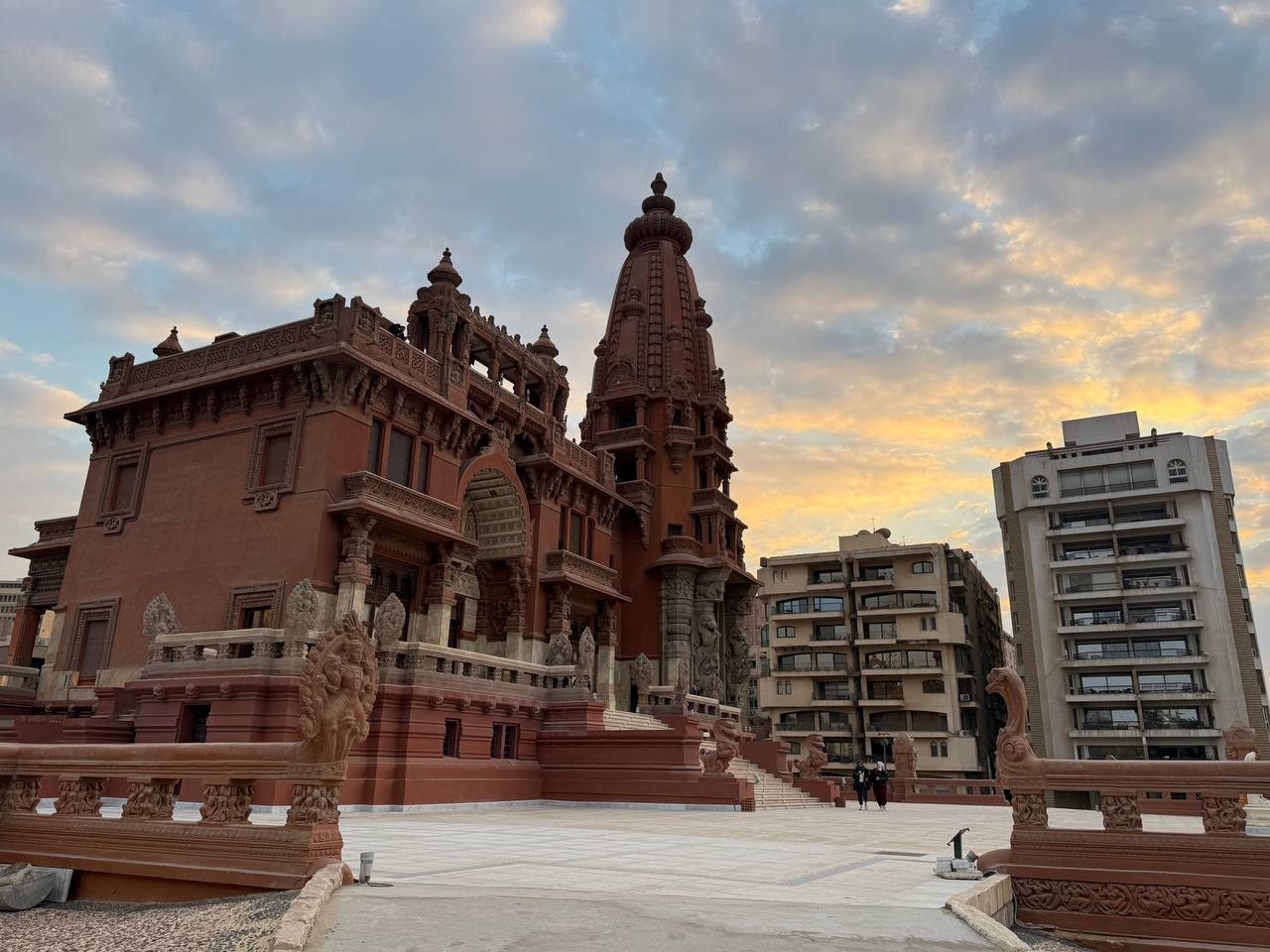
The palace is surrounded by many legends
One of the most famous tells of a rotating foundation beneath the building
According to legend, the palace was supposedly built on a special platform that slowly turned clockwise so that sunlight would reach the same rooms throughout the day
This was said to be connected to the baron’s daughter, who was confined to a wheelchair and could not move freely around the house, so Empain supposedly had the palace designed so that the sun would always light her room
During the palace’s most recent restoration, no mechanisms were found that would confirm the building’s ability to rotate
Another legend speaks of an underground tunnel connecting the palace to the basilica where the baron’s body is buried
Whether it’s true or fiction is still unknown…
A third legend tells of the baron’s sister, who died falling from a window under mysterious circumstances, and later, when the palace stood abandoned for many years, residents of the surrounding houses said that at night women’s screams could be heard coming from within its walls
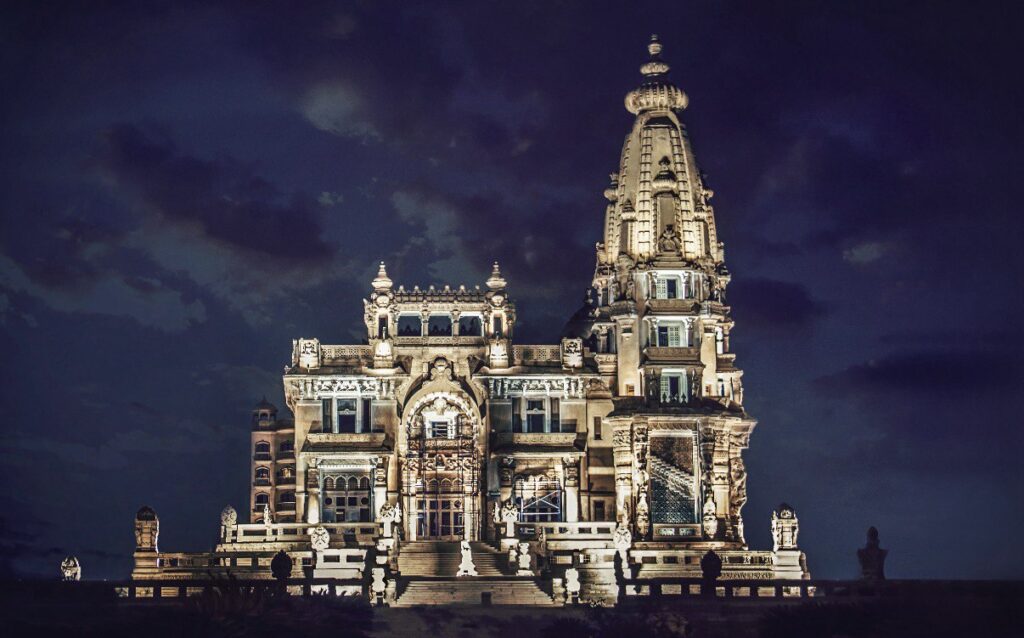
The palace really was abandoned for quite a long time
After the baron’s death in 1929, the palace passed to his brother, but it soon fell into decline, as the new owner did not take care of the building
From the 1950s onward, the palace stood empty and kept deteriorating
In the 1990s, the Egyptian authorities finally recognized the palace as a historical monument
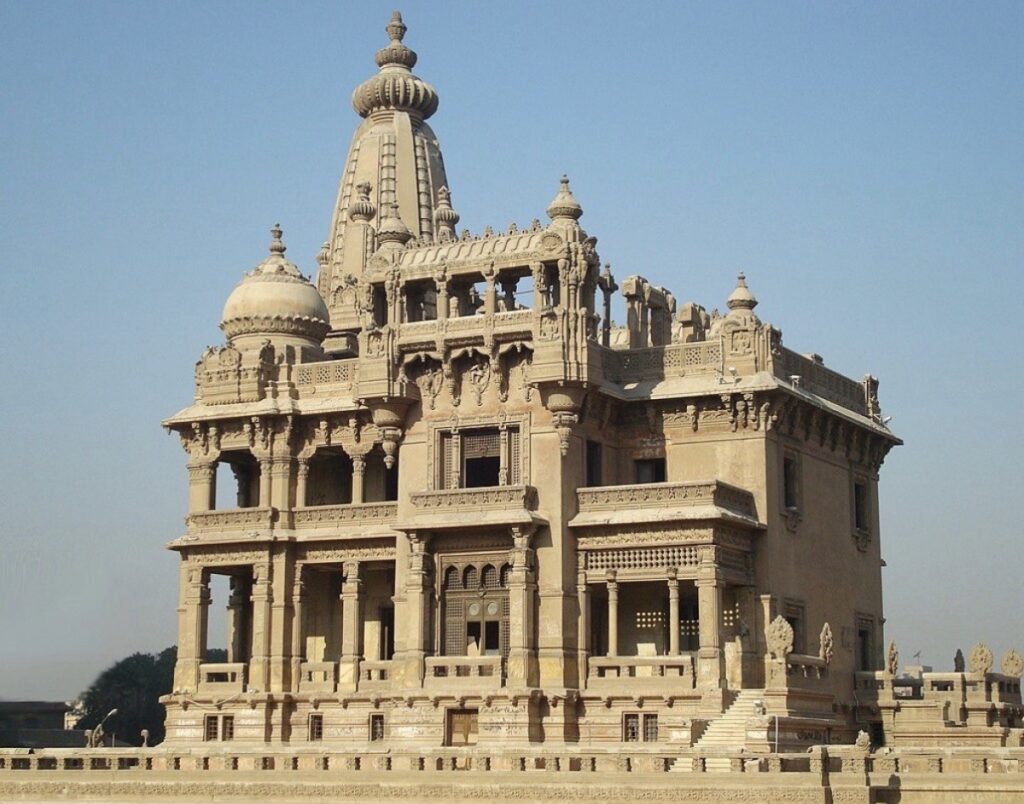
During its years of neglect, the building reportedly attracted exorcists, who were rumored to conduct their secret ritual practices here, which only fed the palace’s mystical reputation
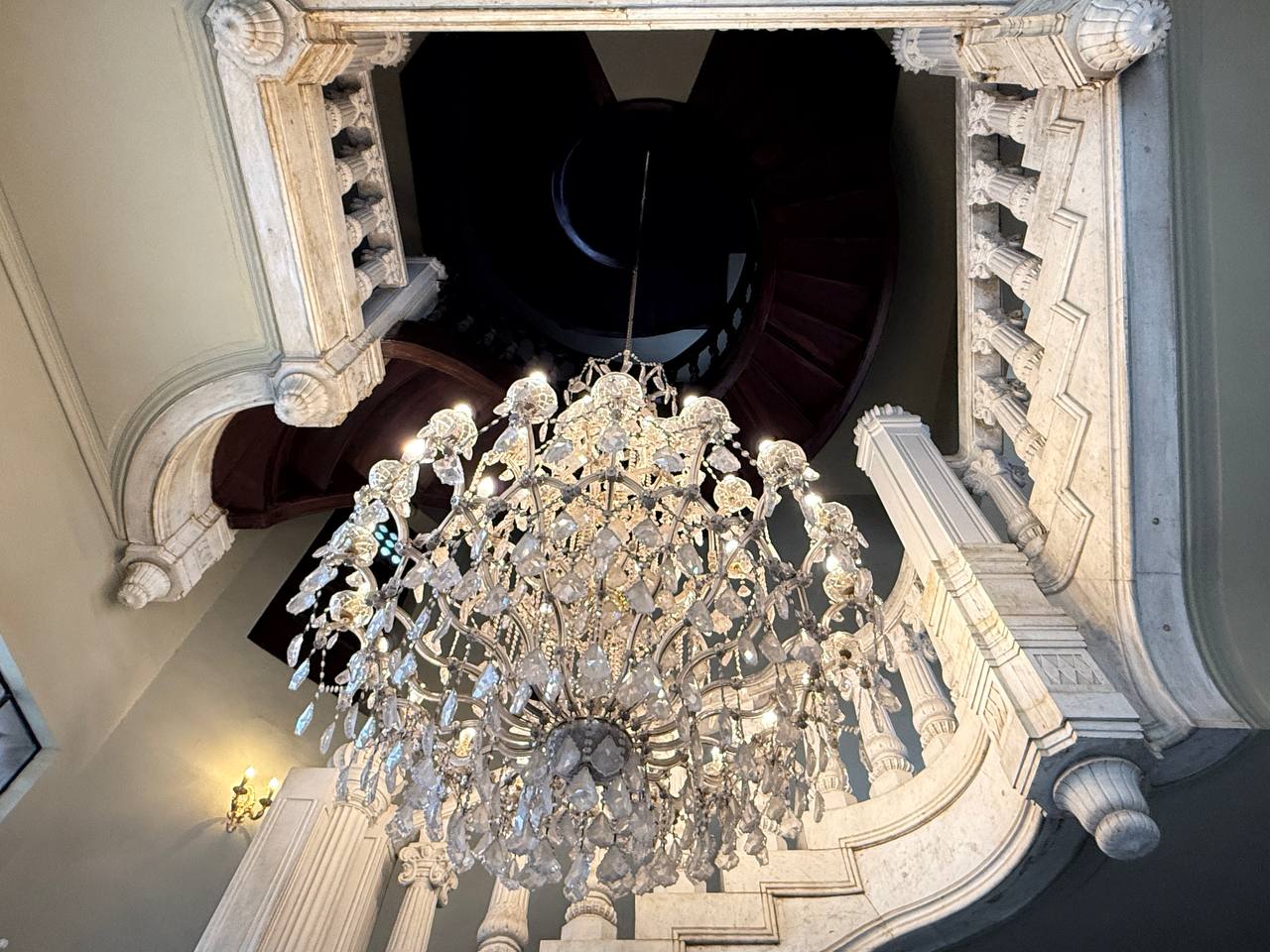
Restoration work on the palace began in 2016-2017 as part of a major heritage preservation project
The palace officially opened to visitors in 2020