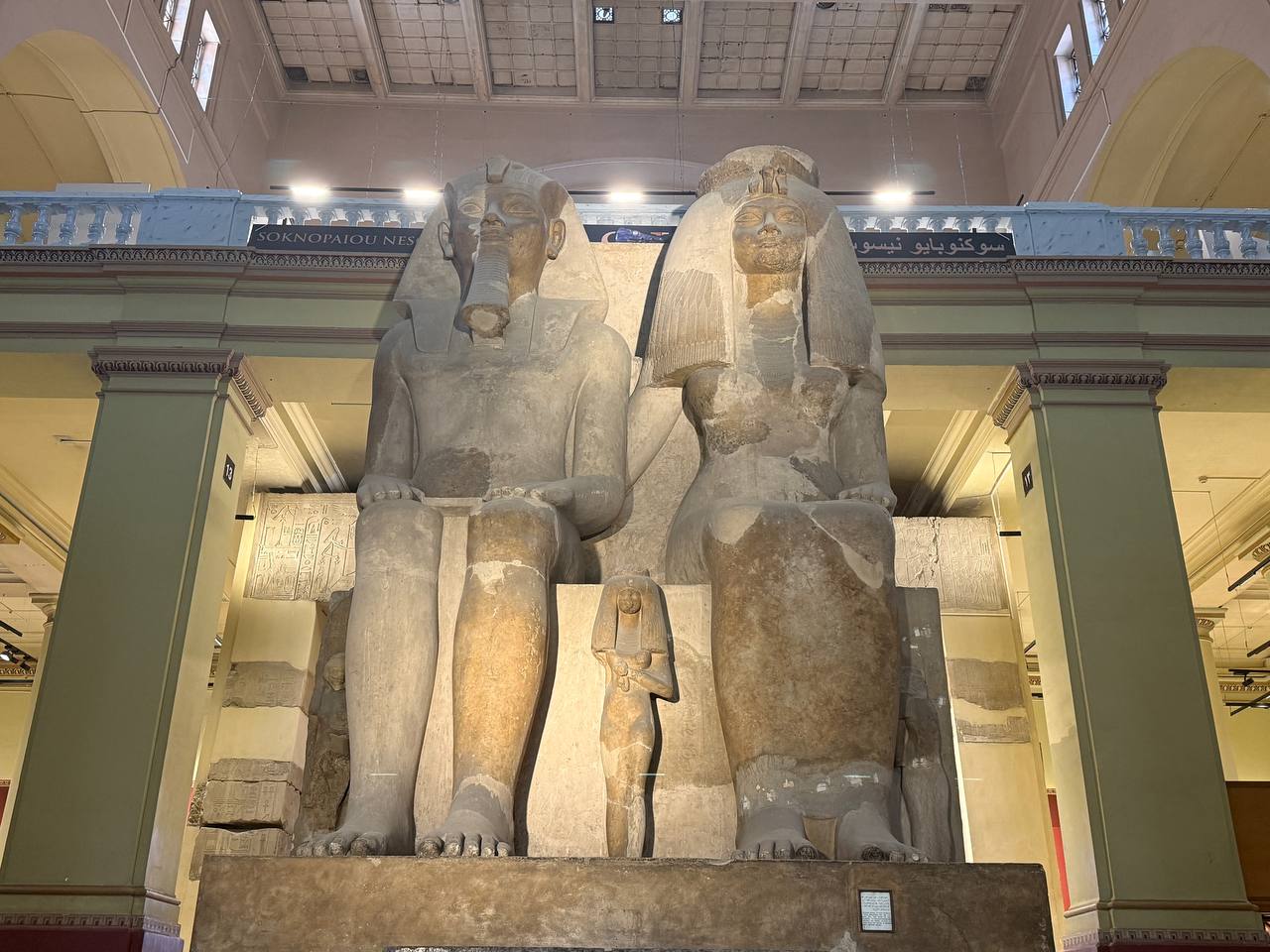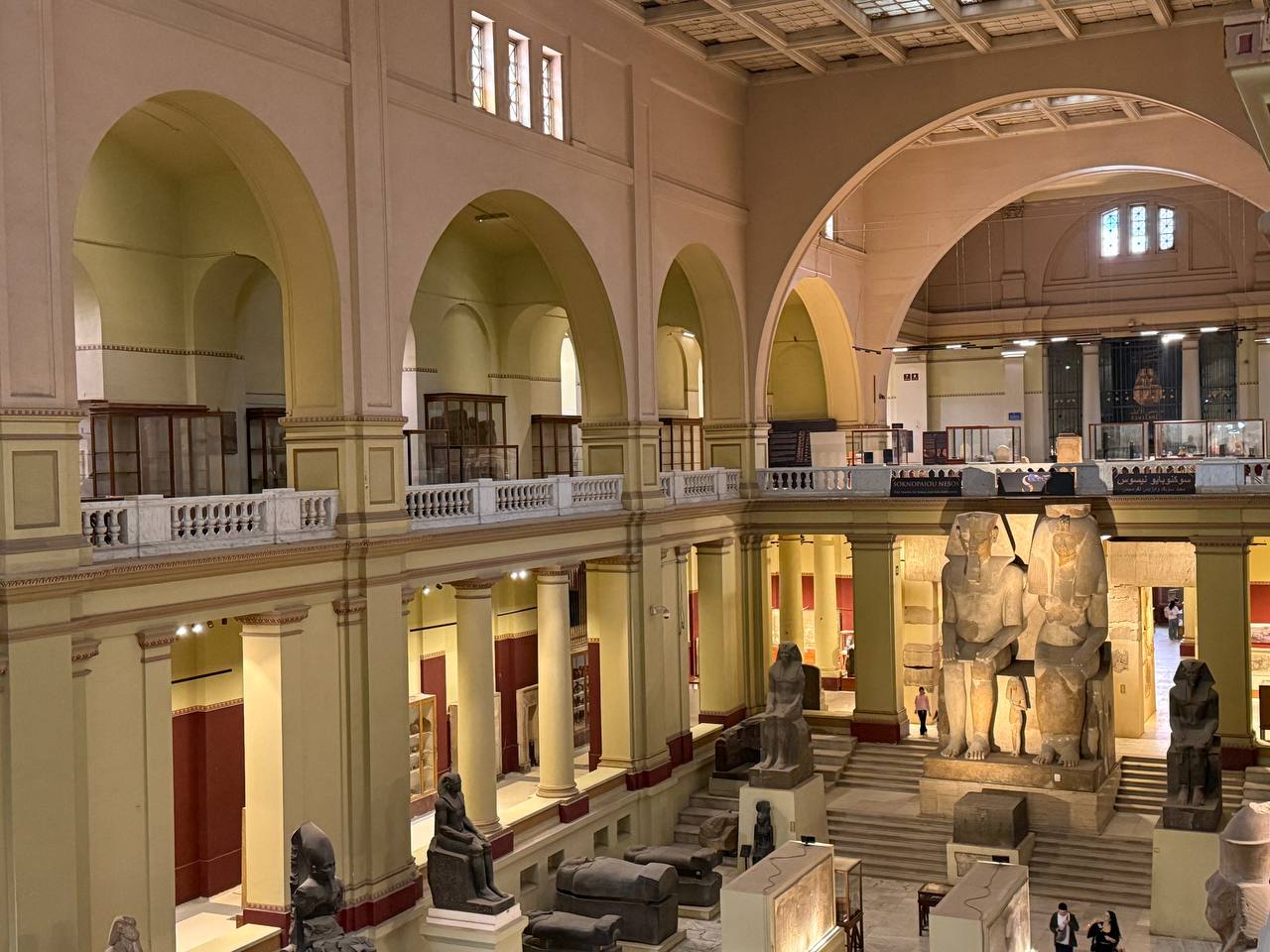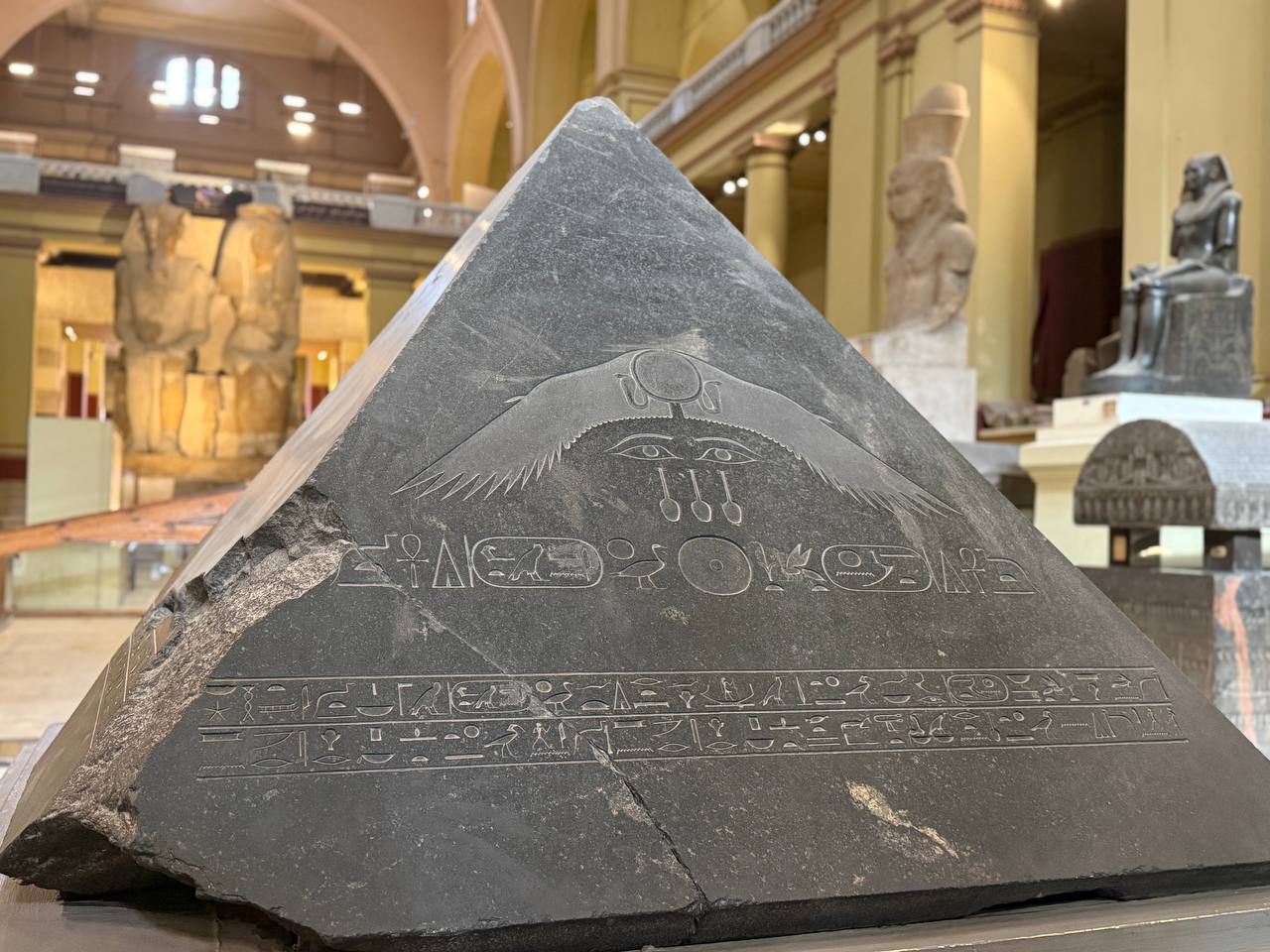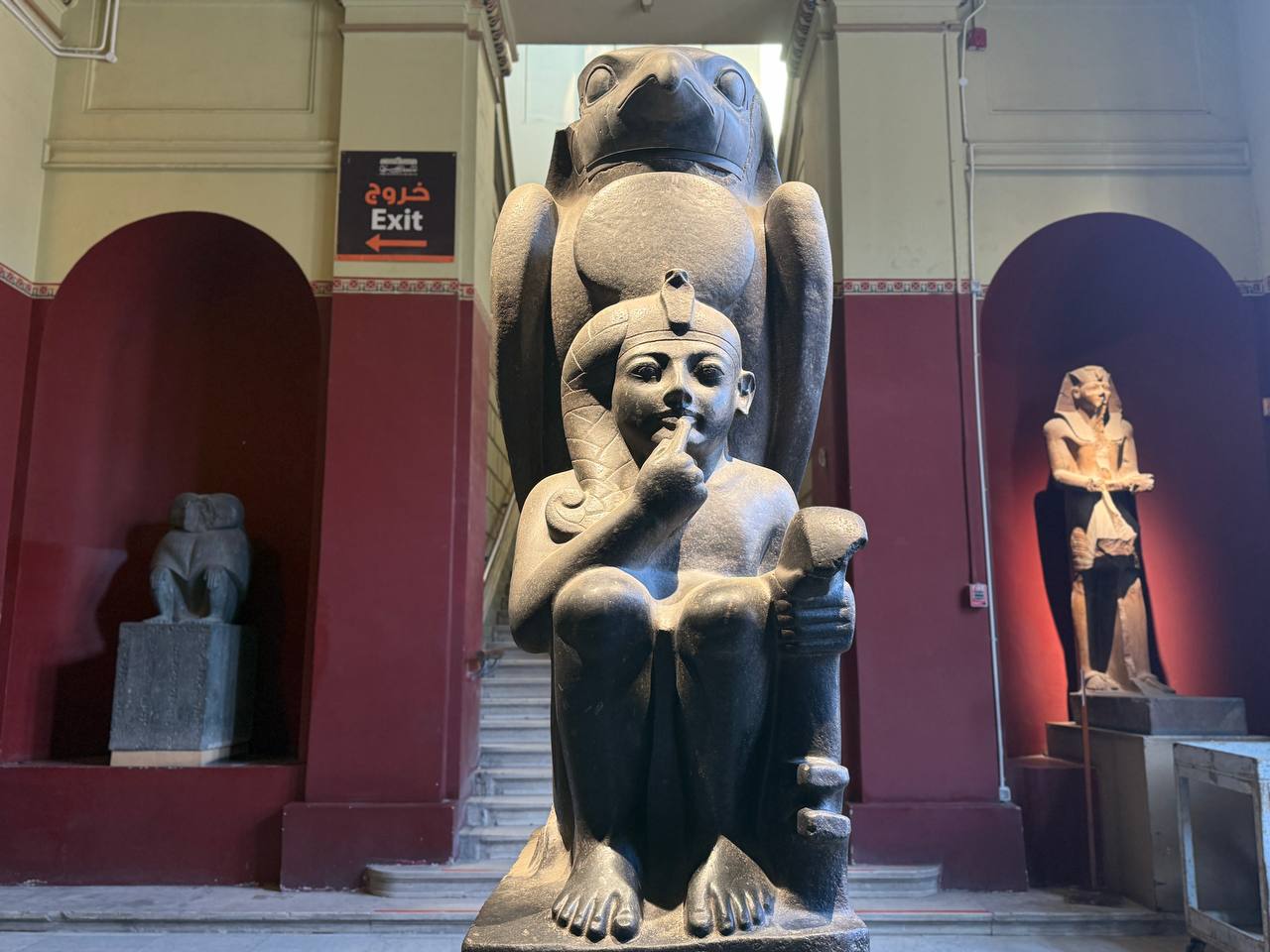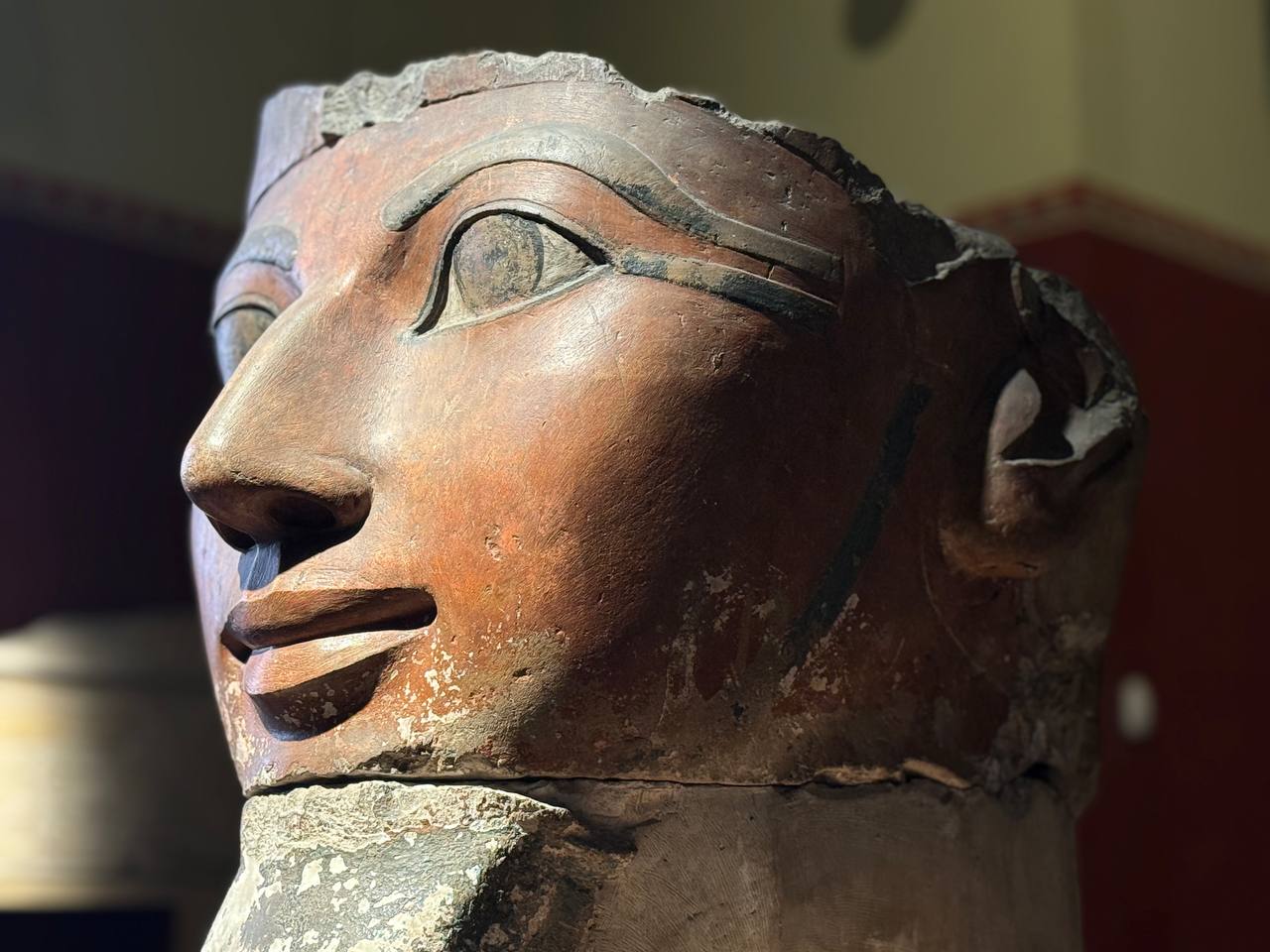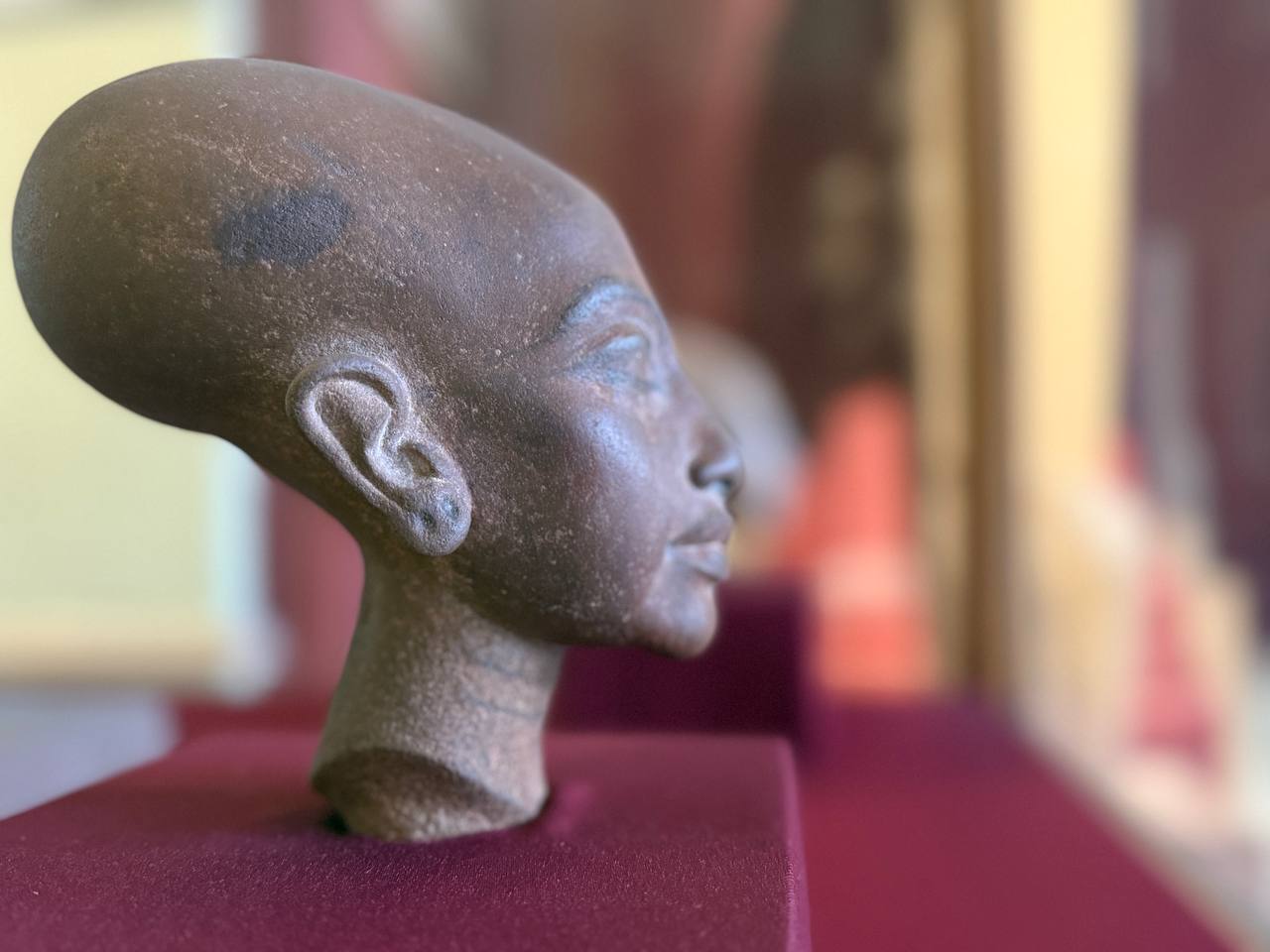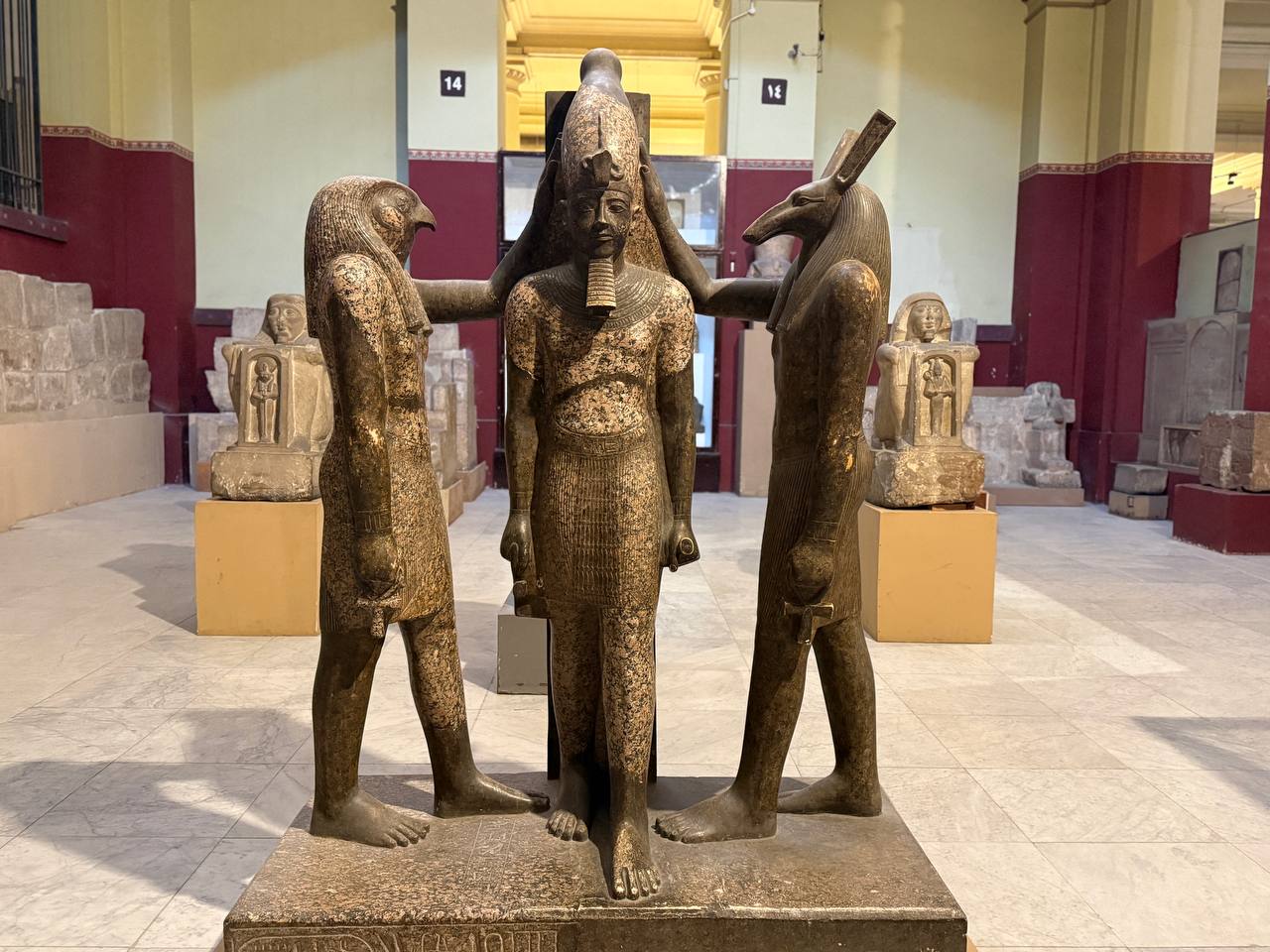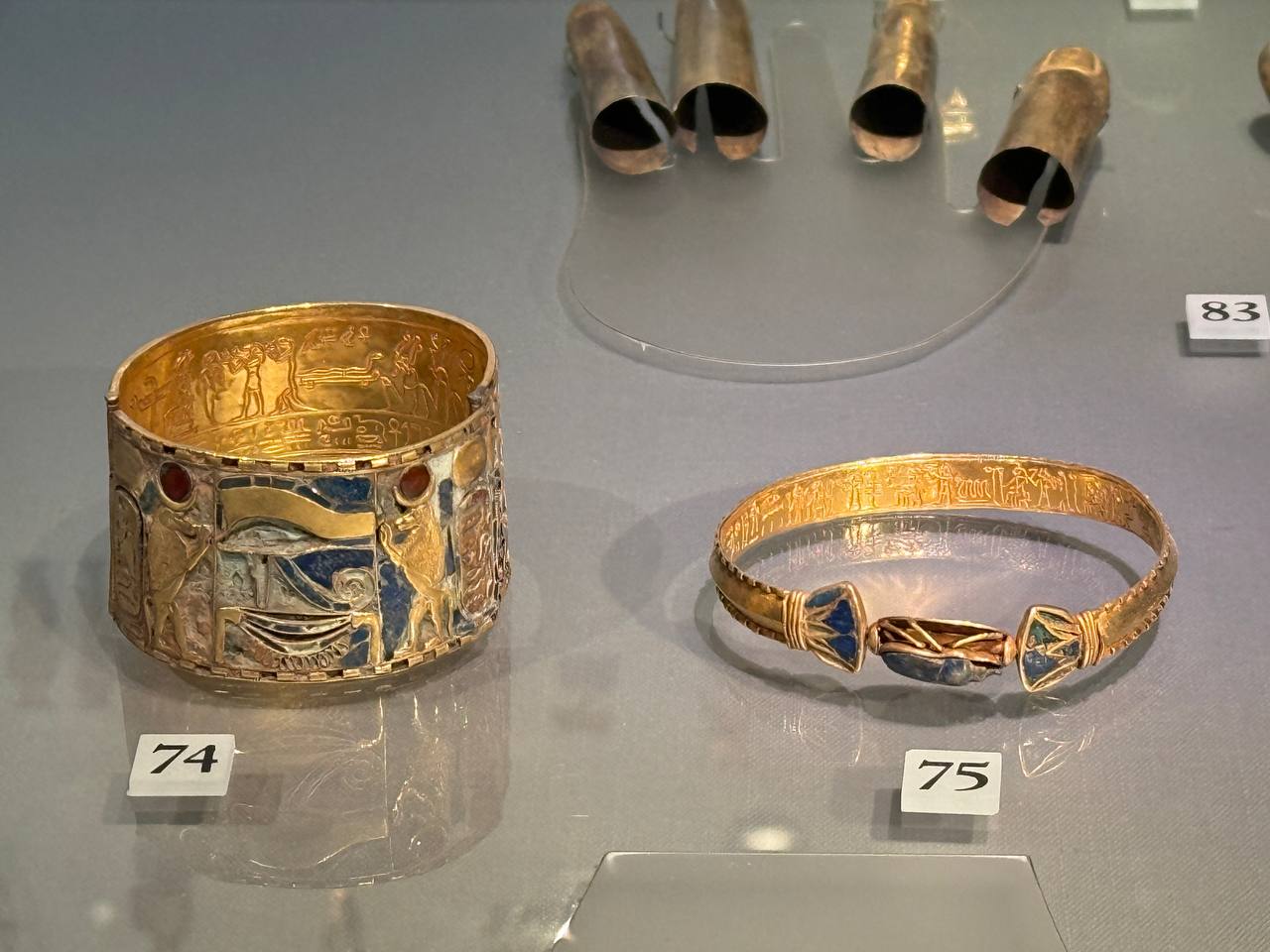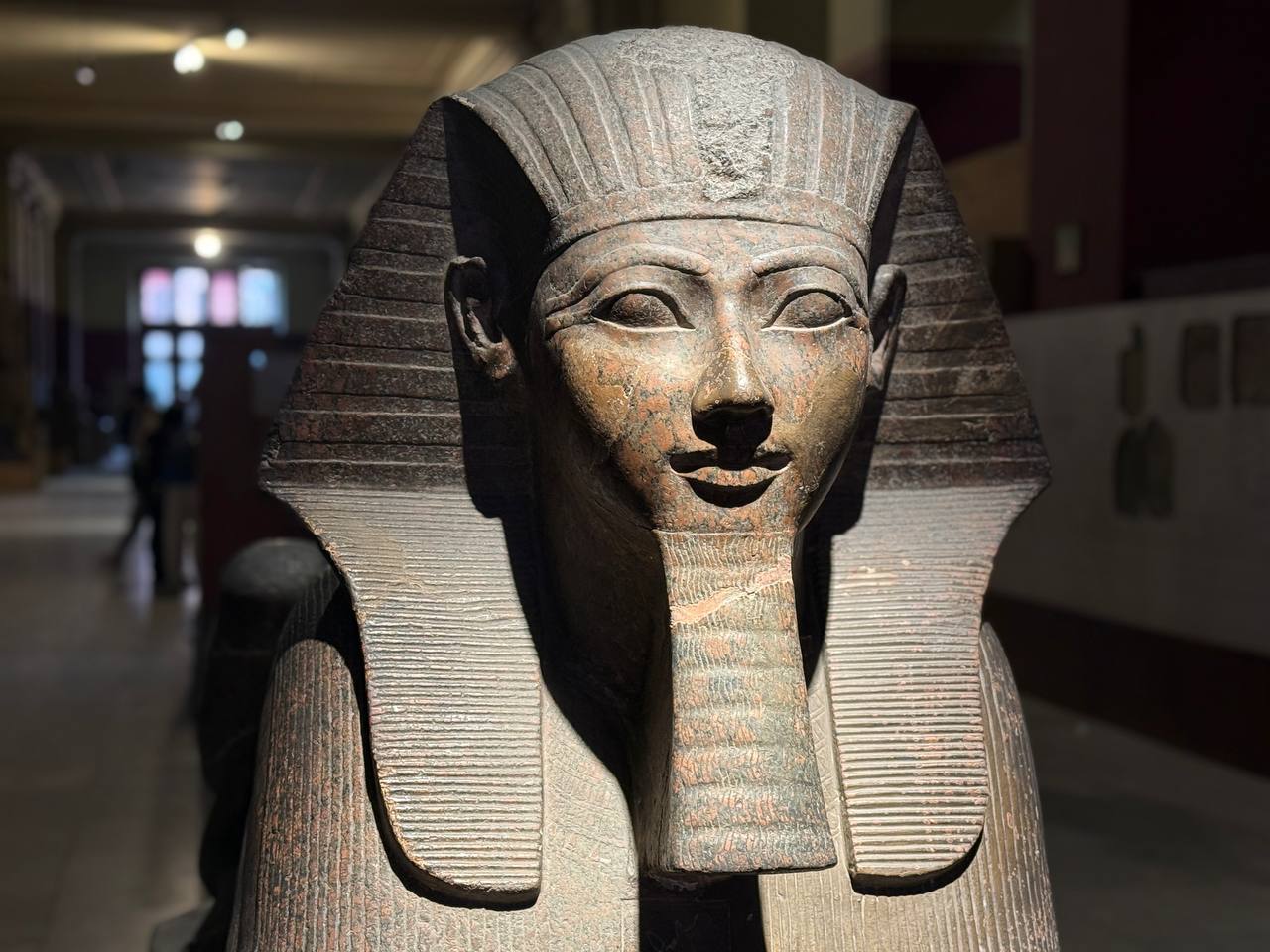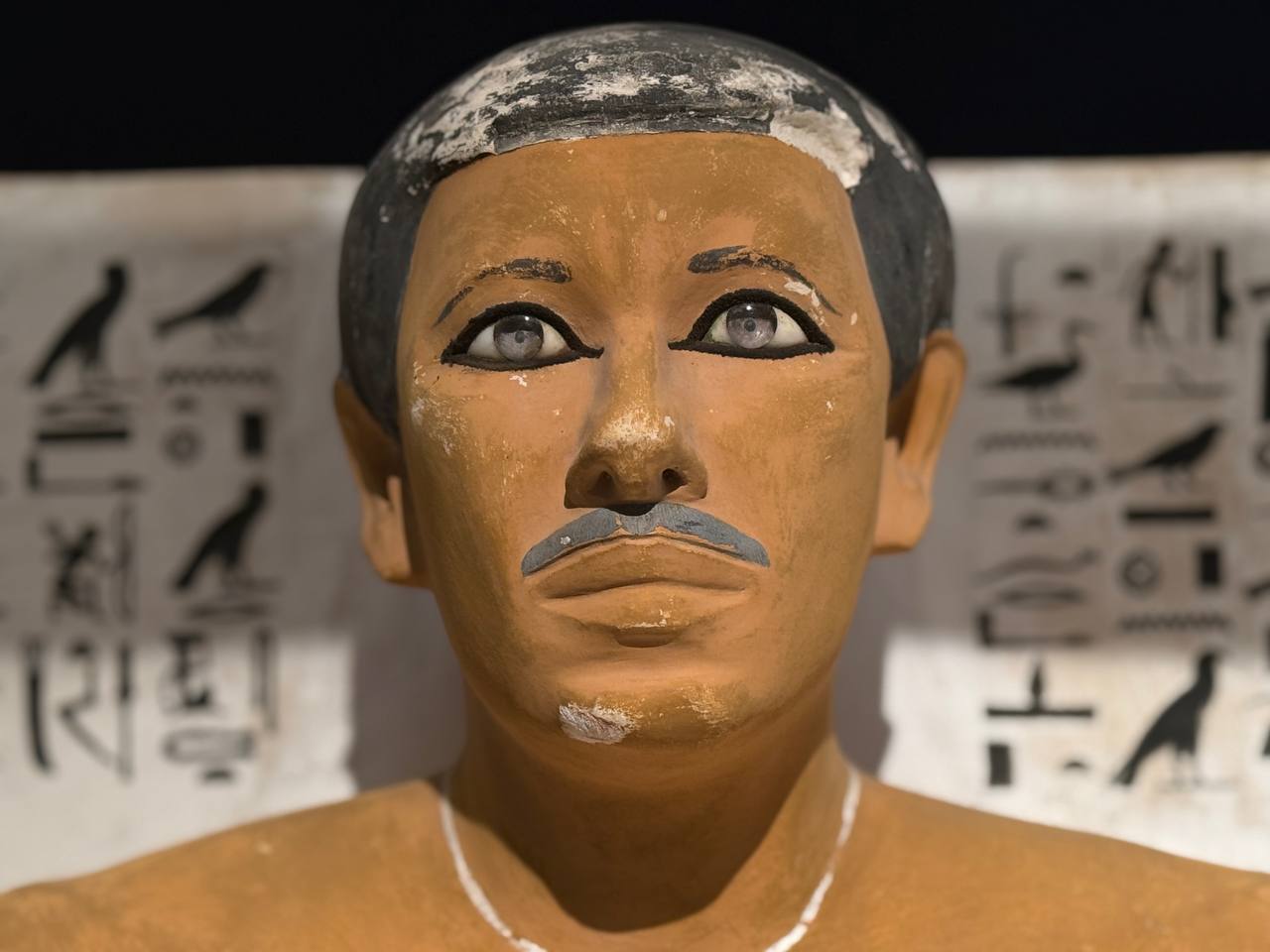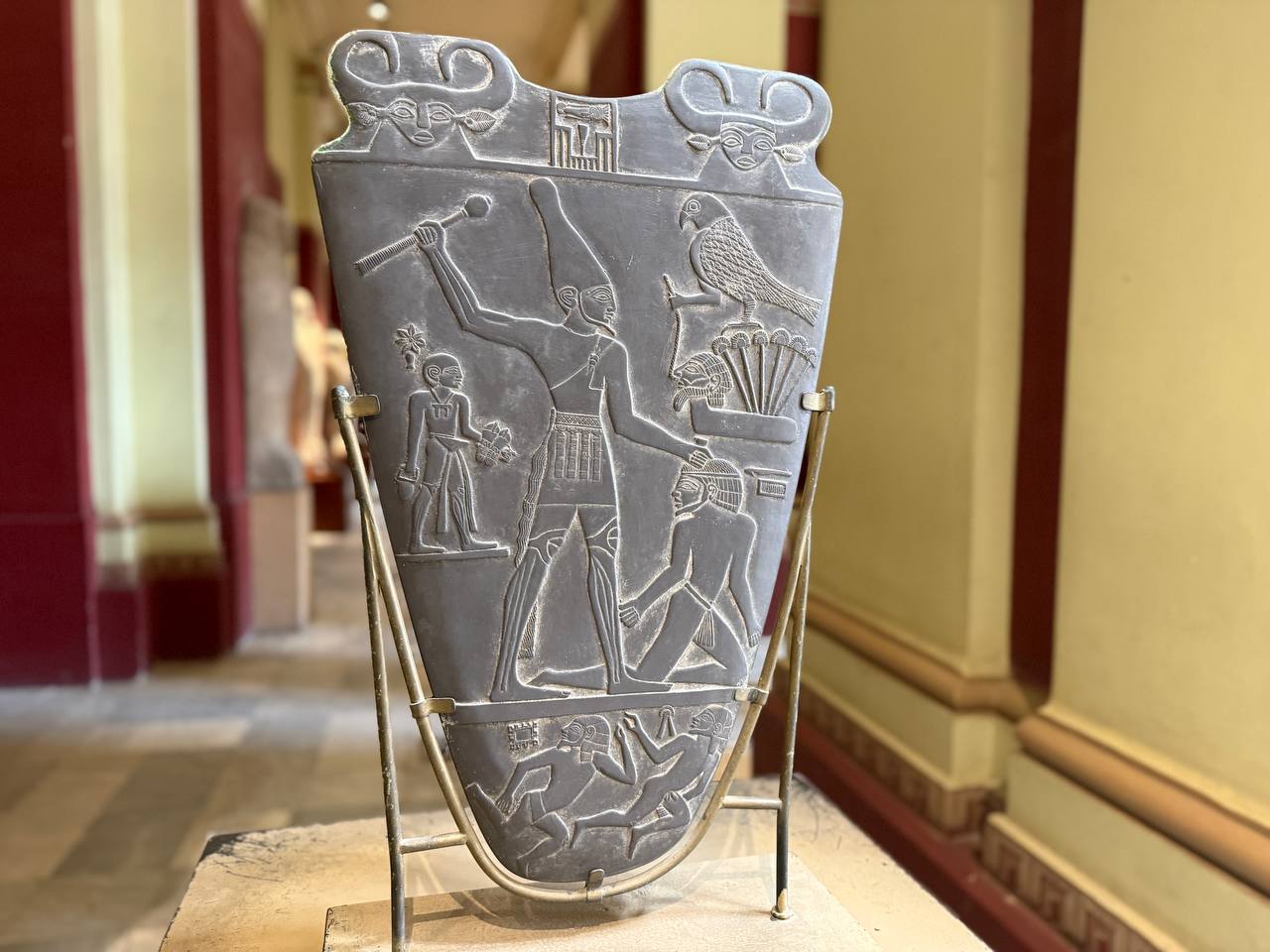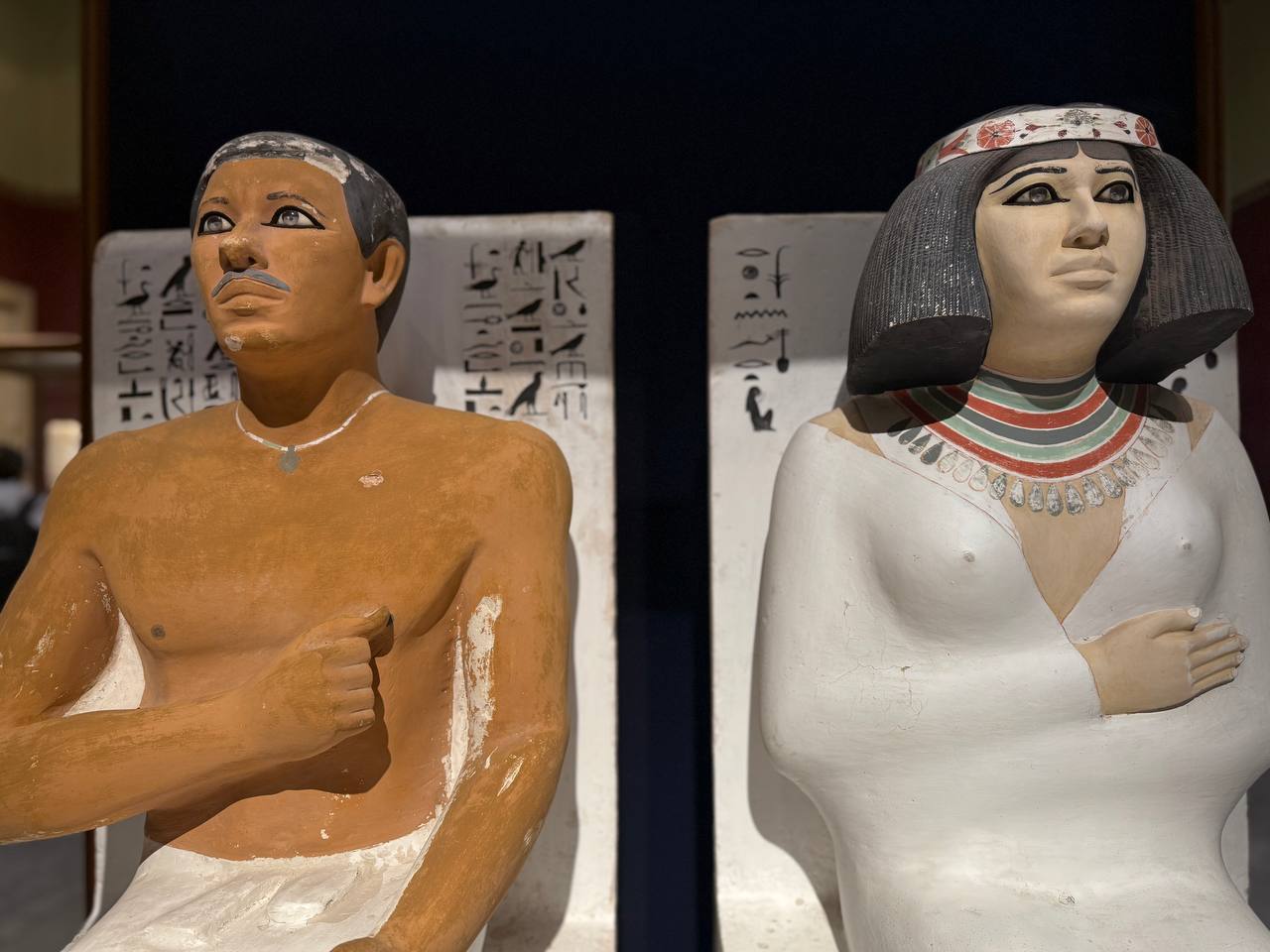
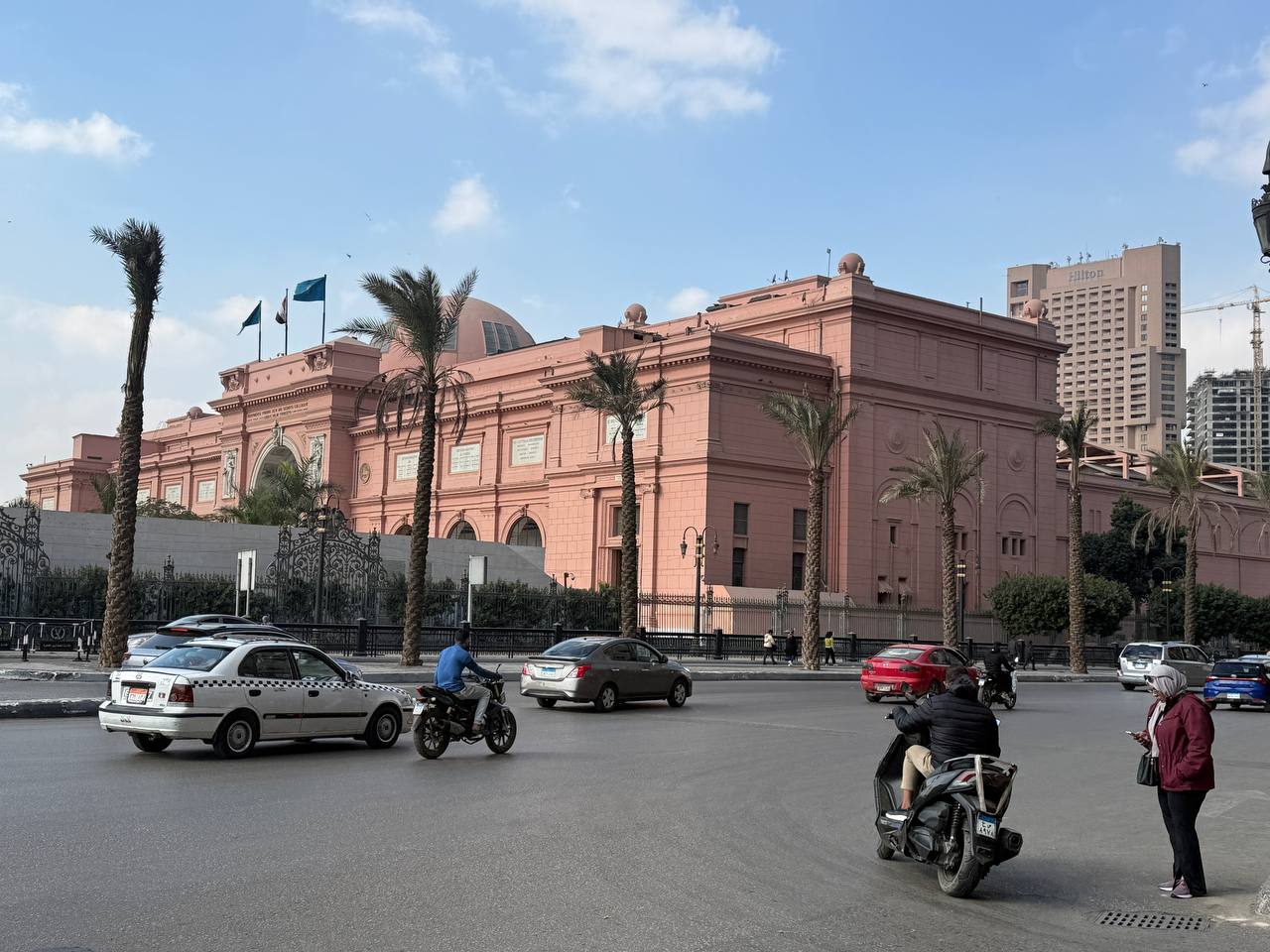
For me, the great Egyptian Museum in Cairo always has been and always will be the one on Tahrir Square, despite the opening of the Grand Egyptian Museum
The old museum has its own history and soul, and you can feel it with every step
When you find yourself alone with some ancient monument, there’s a certain sacredness between you that is completely absent in the new museum, alas…
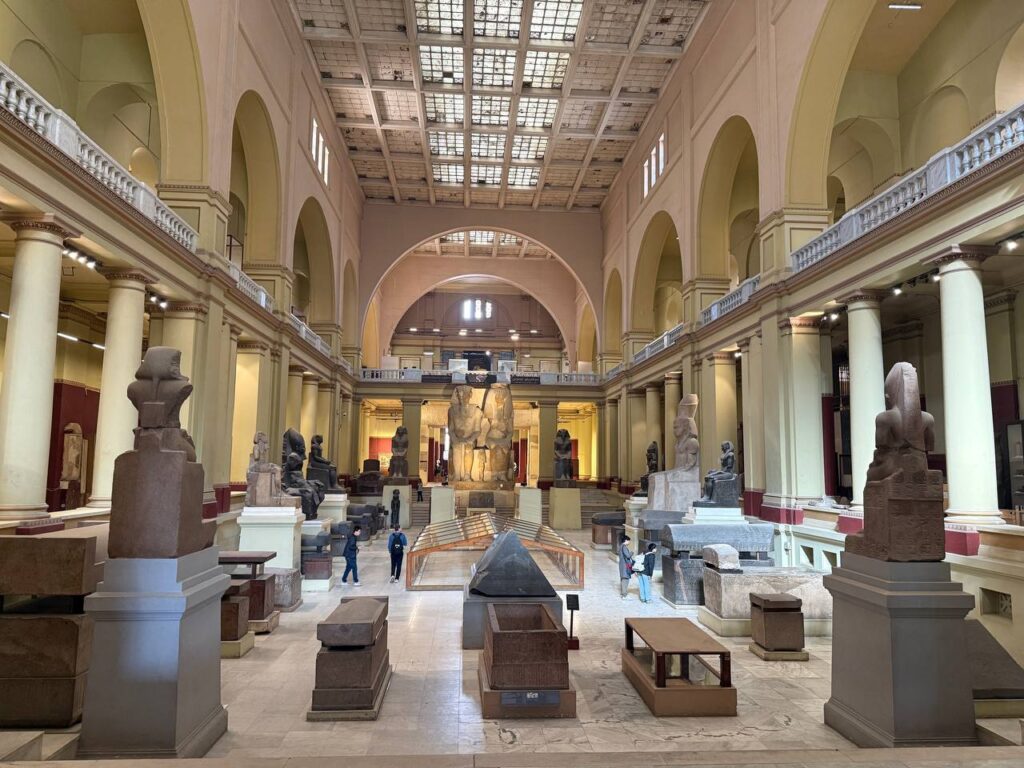
Few people know that the very first Egyptian museum was founded on the initiative of Rifa’a Rafi’ al-Tahtawi
He was an Egyptian who served as an advisor at the court of Muhammad Ali, the founder of the royal dynasty
Rifa’a Rafi’ was one of the first to recognize the value of his homeland’s heritage, and he insisted that Muhammad Ali - the founder of Egypt’s royal dynasty in the early 19th century - establish a museum, because the country needed to understand its own origins
What was needed was a museum as an institution of memory and education, not simply a warehouse for antiquities being carted off by Europeans
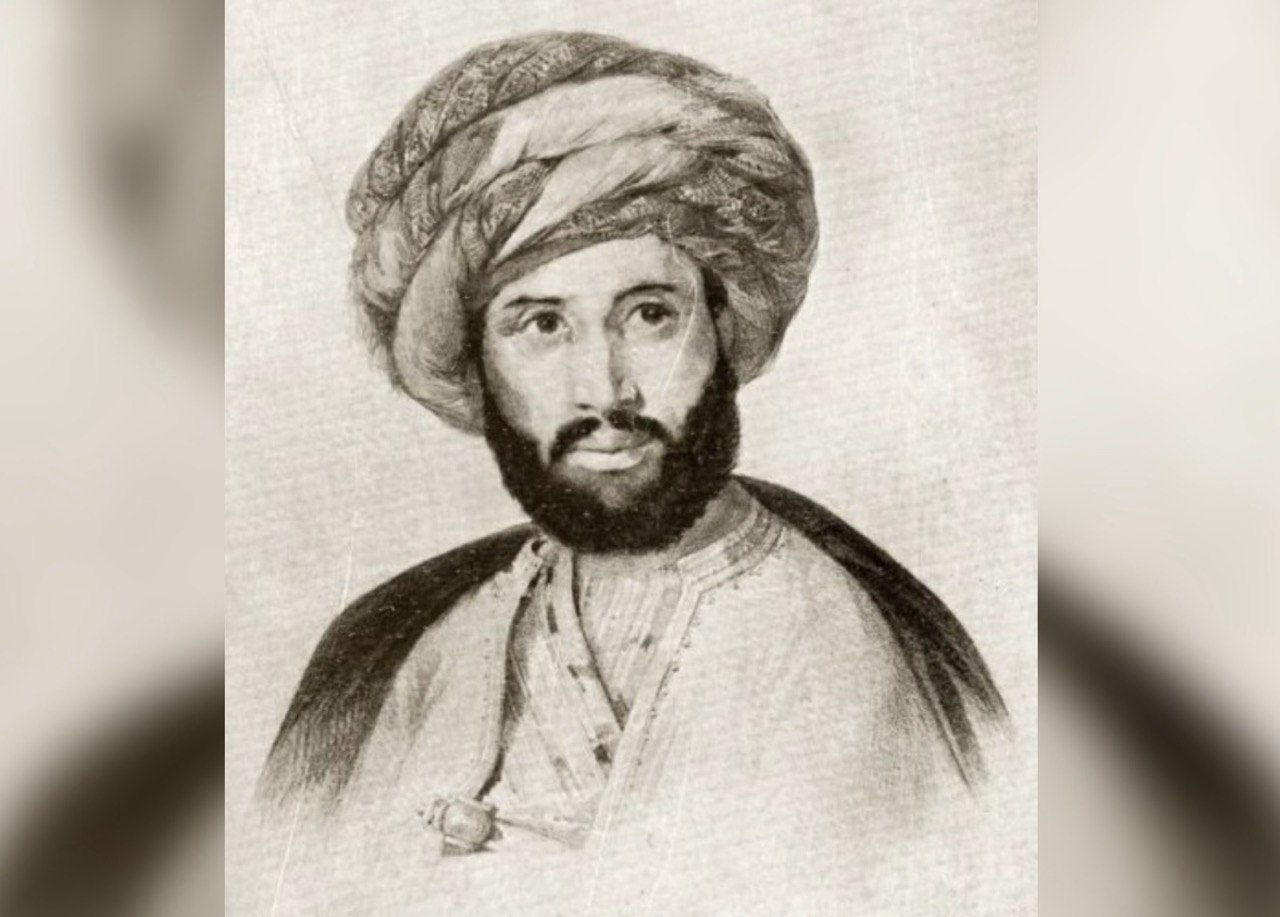
The first museum was located in the Al-Azbakeya district in central Cairo, but due to poor storage conditions and weak security it was moved to the Cairo Citadel in 1830
But even there the museum did not last long, since Muhammad Ali gave away the entire collection to Austria
Rifa’a Rafi’ took his own life after his life’s work was destroyed…
Today the first Egyptian collection is housed in Vienna, in the Museum of Art History
The second story of the museum’s founding was a foreign one
In 1858 the French Egyptologist Auguste Mariette founded an Egyptian museum in Bulaq, a riverside district south of Cairo, where huge trading warehouses were given over to the history of Egypt, and he also founded the Antiquities Service
But the problem was that the museum was located very close to the Nile, and the river’s waters flooded the building several times, causing colossal damage to the museum’s collection
In the end, in 1891 the museum moved into the building of the former Khedive’s palace in Giza
But a new problem arose there too - the palace was simply overflowing with artifacts, which were stacked literally on top of each other
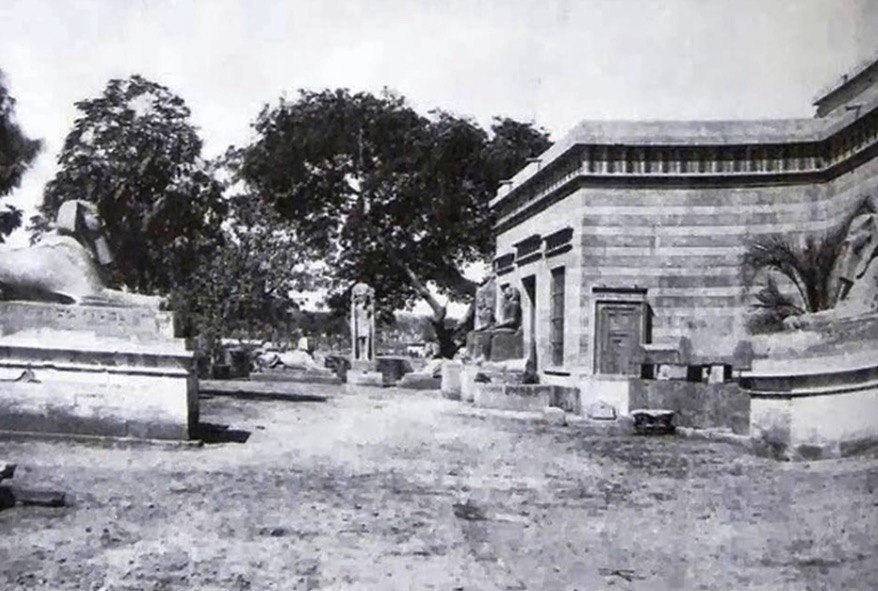
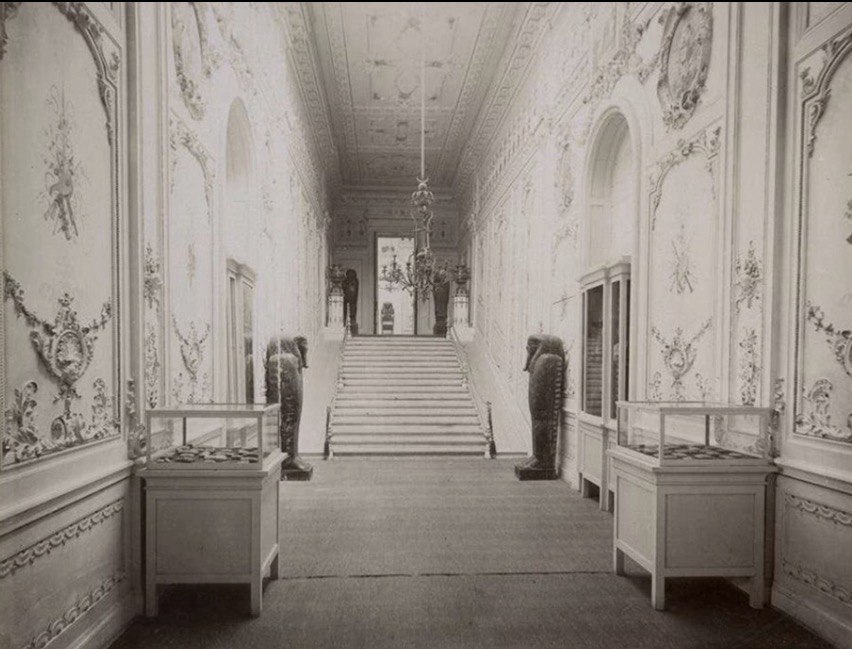
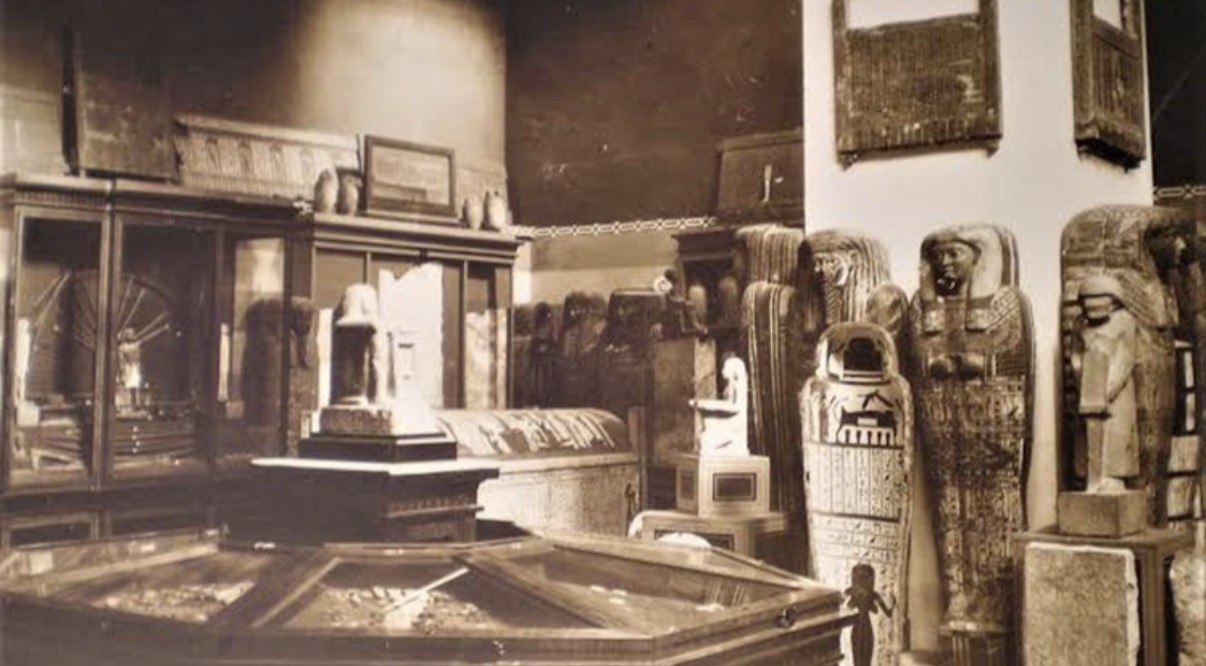
This is how the idea was born to build a separate building specifically for the museum
1902… The French architect Marcel Dourgnon designs the building of the new museum
By the time the museum opened, Auguste, sadly, was no longer alive…
All the museum technologies that were state-of-the-art at the time were put to use
The museum’s wings had glass ceilings, so that monuments and reliefs could be seen under natural sunlight, just as they had existed for centuries in Egyptian temples
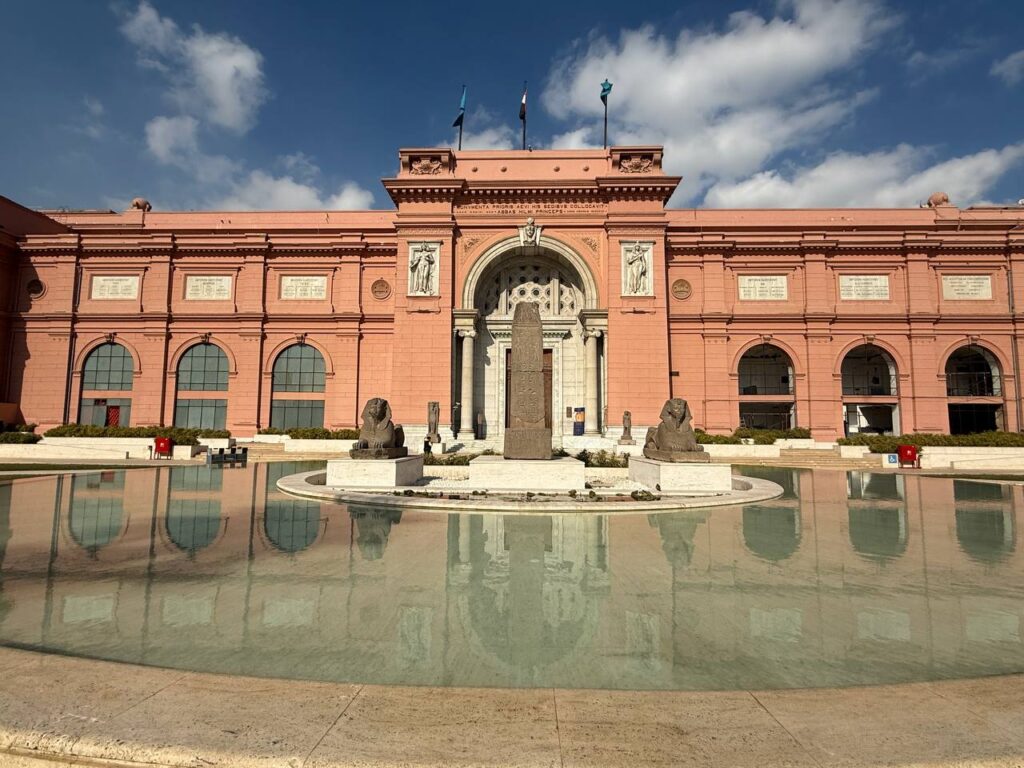
In front of the entrance stand genuine monuments of ancient Egyptian art - sphinxes of King Thutmose III
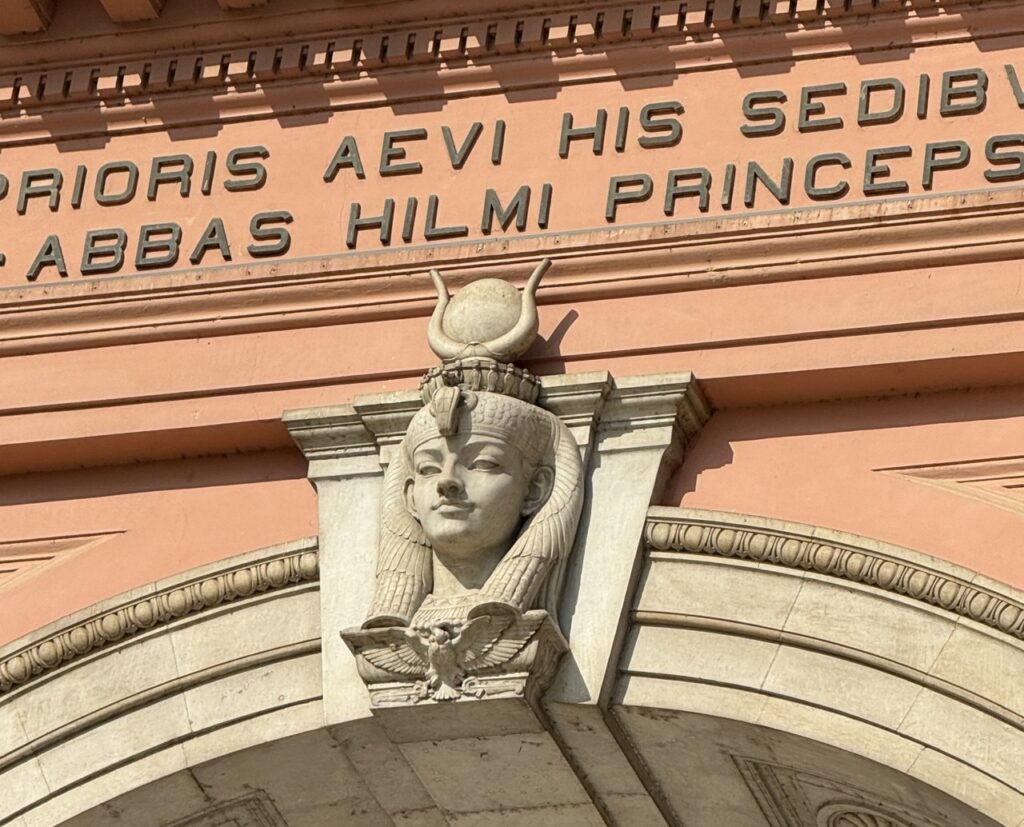
The building’s final stone was the face of the goddess Isis, which crowns the museum’s central arch
It was at that moment that the museum was officially opened
160,000 items are officially registered in the Egyptian Museum, while in the basements hundreds of crates of exhibits have remained unopened since the 1920s