
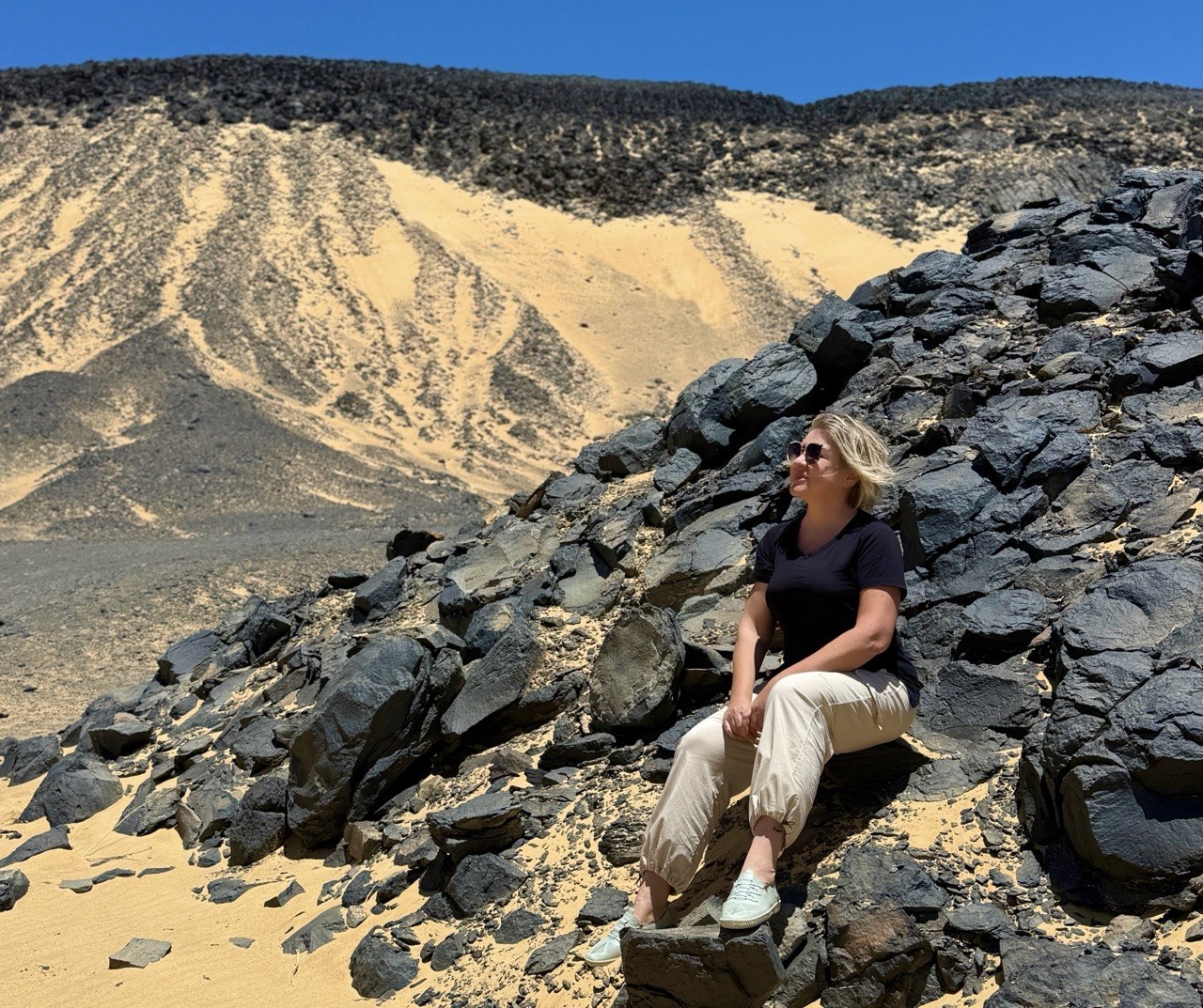
We are accustomed to calling this country Egypt, but the ancient Egyptians themselves knew their land by other names. One of the best known was Kemet, or Ta-Kemet - “the Black Land”
The name Ta-Kemet takes us much deeper, back to the Egypt that existed long before its modern name appeared
To the land of the Nile, to an ancient civilization, to the world as the Egyptians themselves saw it thousands of years ago
This name did not arise by chance
All life in ancient Egypt was centered around the Nile
Amid vast expanses of desert, the river created a narrow strip of fertile land where grain could be grown, gardens cultivated, and cities and temples built
It was here that Egyptian civilization developed over thousands of years.
Before the construction of modern dams, the Nile flooded every year, and when the waters receded, they left behind a layer of dark, fertile silt on the fields
This soil was the country’s greatest wealth
The harvest, the well-being of the people, and ultimately the very existence of Egypt depended on it
This is where the name Kemet - “the Black Land” - comes from
But to the ancient Egyptians, the land was much more than simply the ground beneath their feet
Egyptian culture grew out of a constant observation of natural cycles: the flooding of the Nile, the reappearance of fertile soil, the sowing of crops, and the coming of a new harvest
For this reason, black in Egyptian culture was associated not with something dark or ominous, as we might perceive it today, but above all with fertility, renewal, and rebirth
Ta-Kemet was the land around which the entire Egyptian world took shape
Here were the fields and settlements, the great cities and temples; here religious beliefs, art, the state, and culture developed
This helps explain why the ancient name of Egypt was connected specifically with the land itself
For a civilization born in the Nile Valley, fertile soil was not merely the setting for life - it was one of the essential conditions that made life possible
Even today, this image of Egypt can easily be seen with our own eyes
From above the Nile Valley, the country’s extraordinary geography becomes especially striking: a ribbon of cultivated land stretches along the river, surrounded by the vast expanses of North Africa
It was this land that became the foundation of a civilization that left behind the pyramids of Giza and Saqqara, the temples of Luxor and Aswan, ancient necropolises, texts, and monuments that we continue to study thousands of years later