
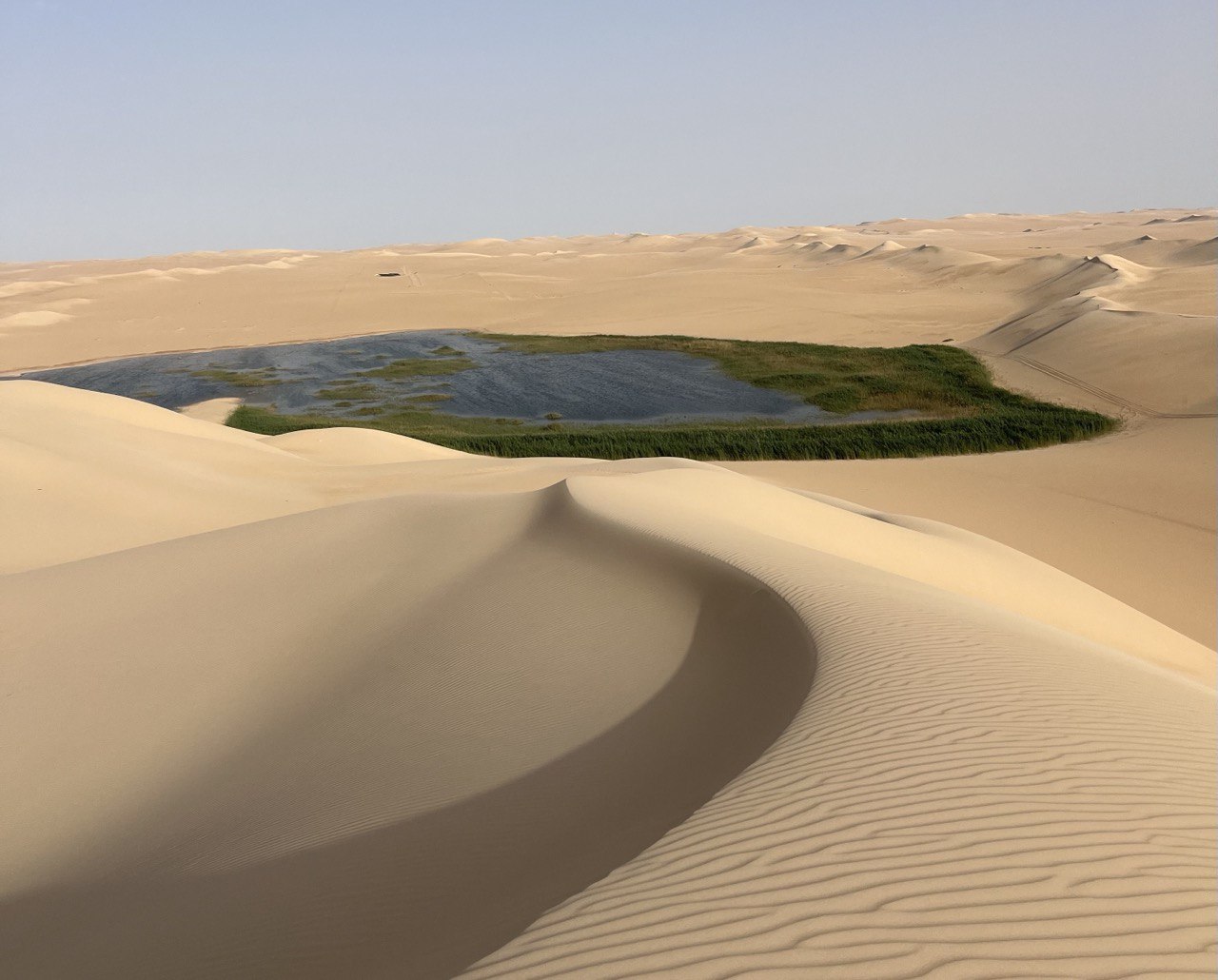
The Siwa Oasis is a unique and historically significant place in the western part of Egypt, located 300 km from the Mediterranean Sea and just 50 km from the border with Libya.
What is an oasis, essentially? It is a depression lying below sea level, where groundwater sits very close to the surface, which is what makes the oasis land fertile. The Qattara Depression, where the Siwa Oasis is located, lies 18 meters below sea level, and Siwa itself measures roughly 50 by 20 km
Its proximity to the Libyan border made the oasis difficult to reach until the early 1990s, because of the armed conflict between Egypt and Libya, but today we have a unique opportunity to visit this truly extraordinary place
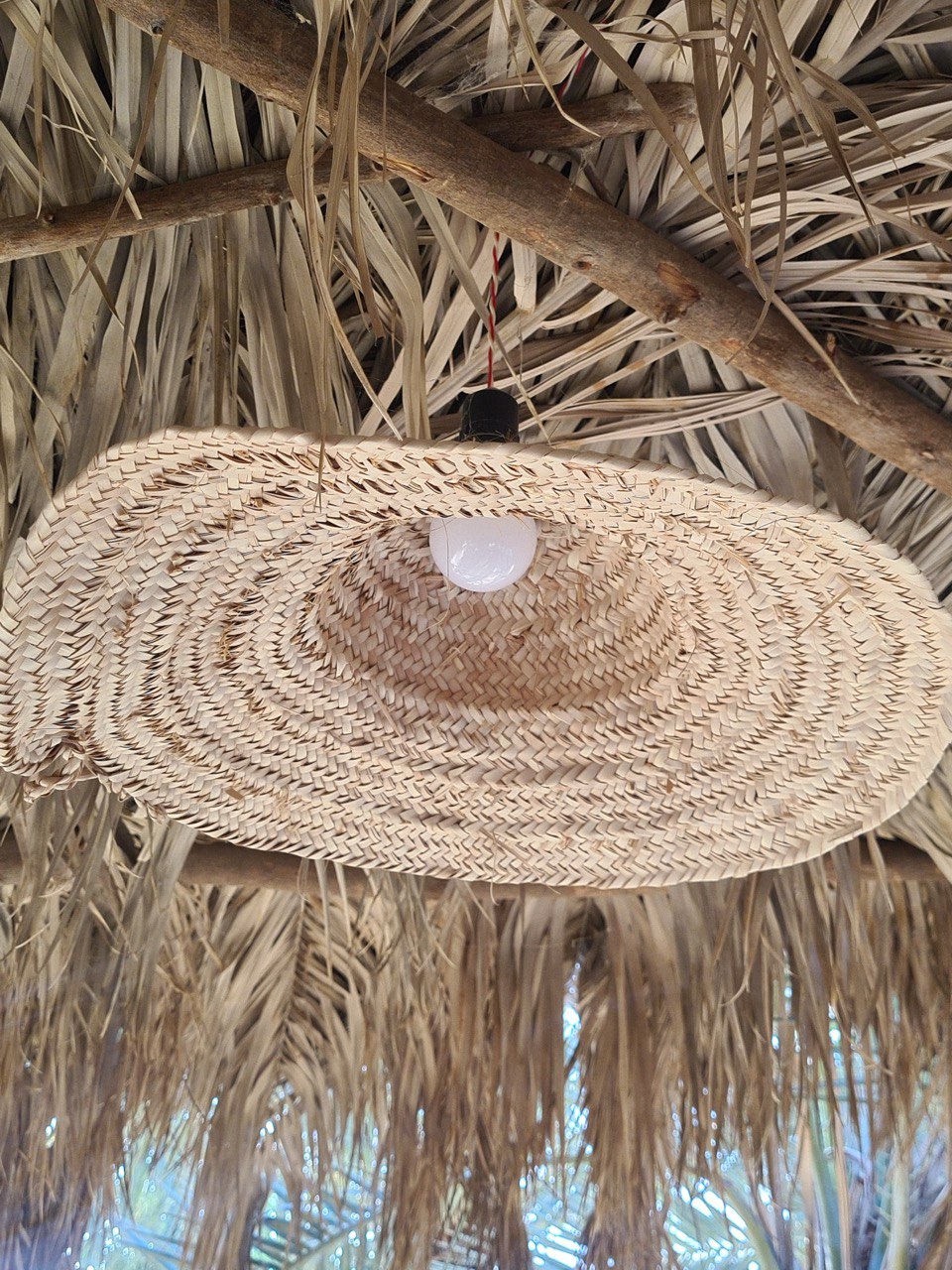
Siwa translates as “Land of Palms” - the oasis is full of palm groves, and Siwa’s dates are among the most delicious in Egypt.
Saidi is the best-known date variety here, prized for its sweet, juicy taste and high nutritional value. It is widely used in local cooking
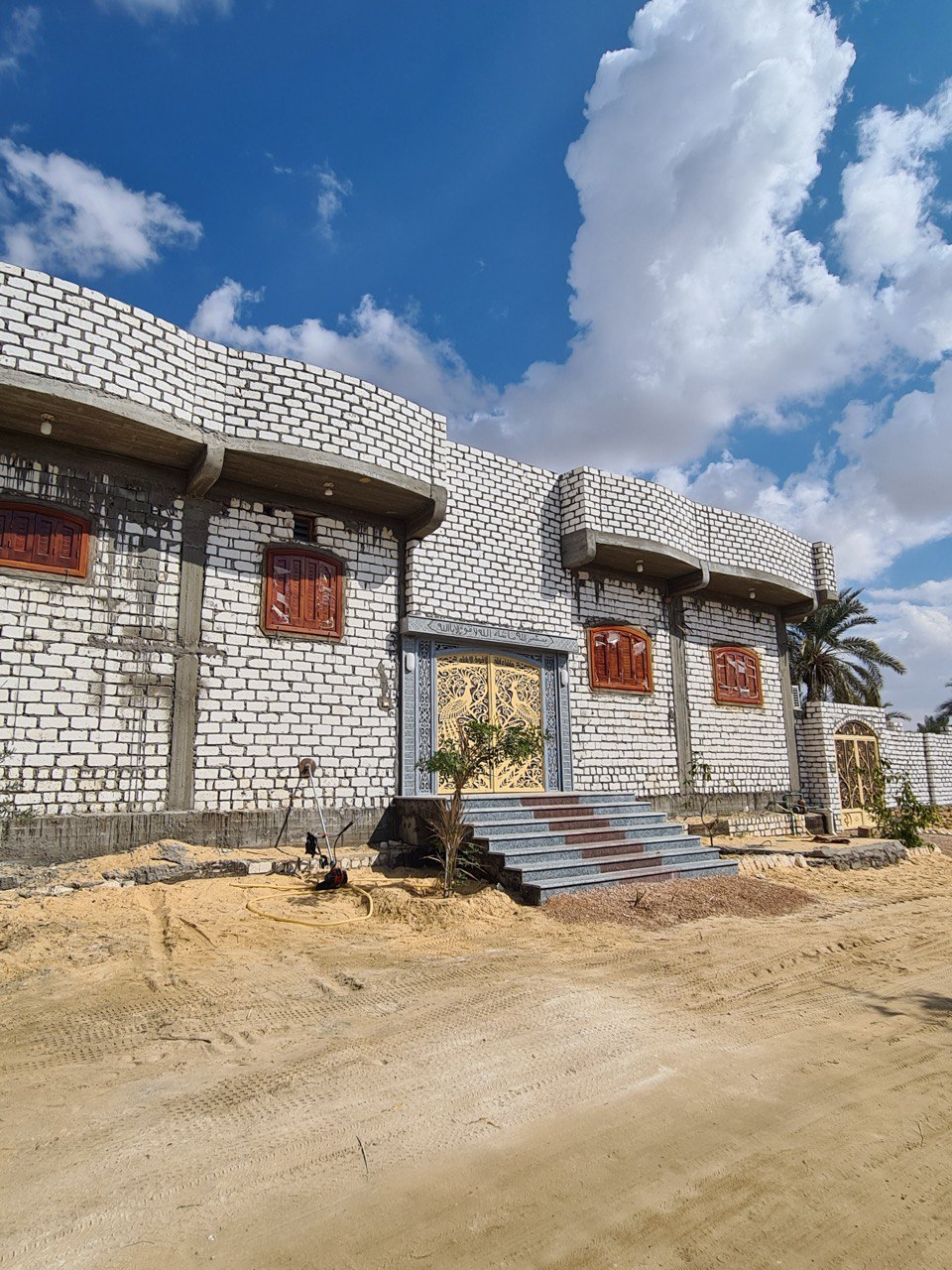
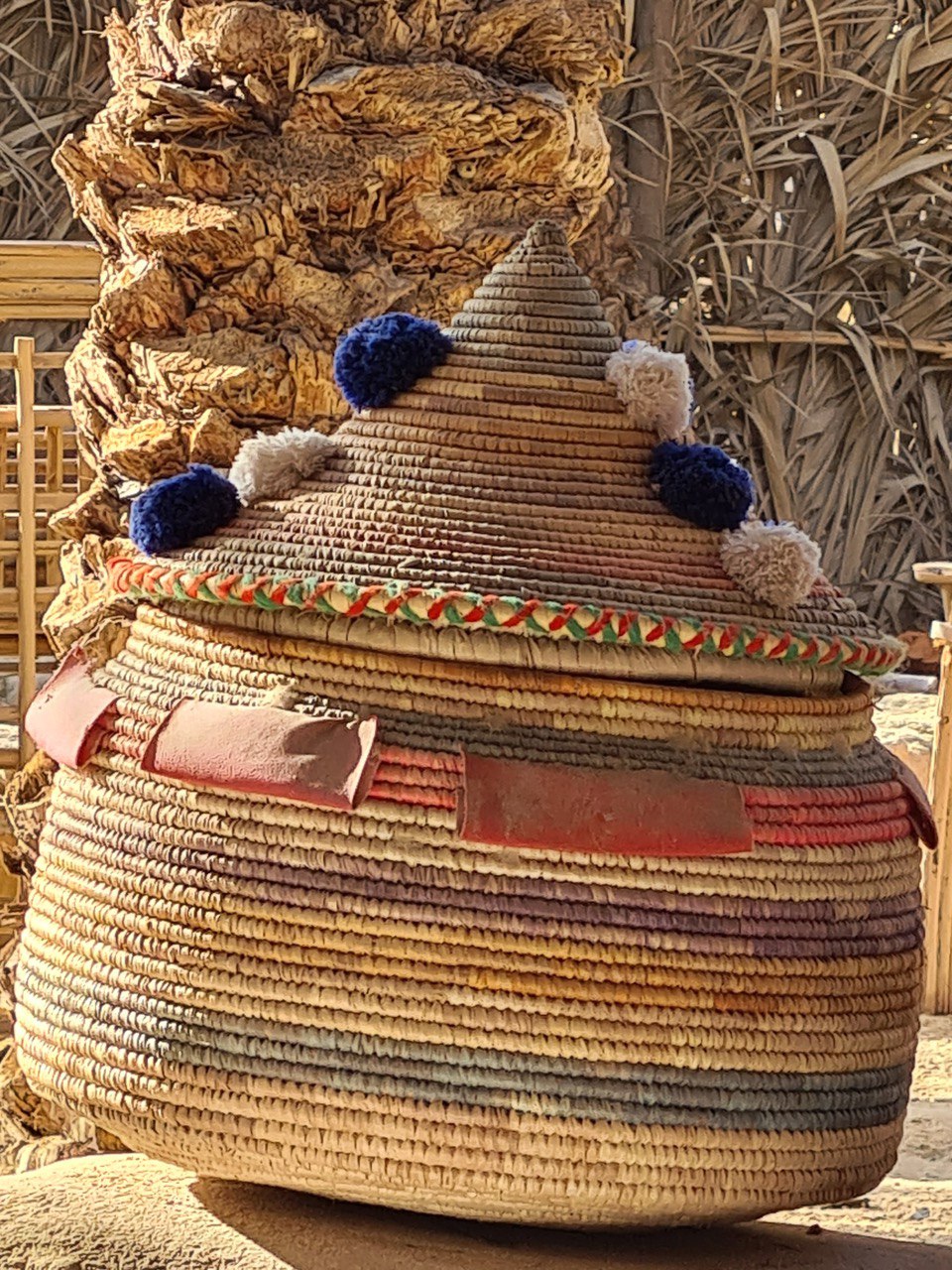
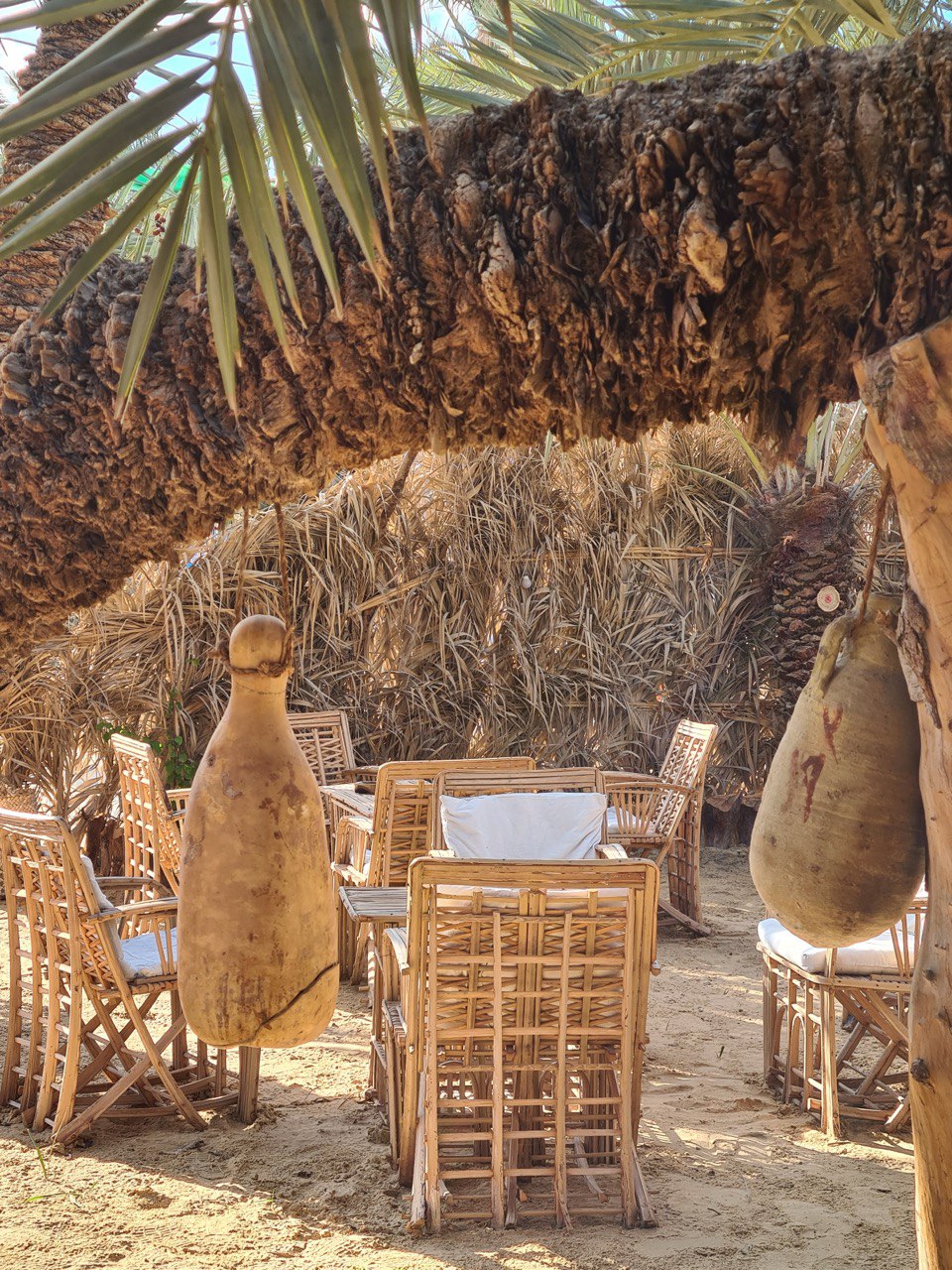
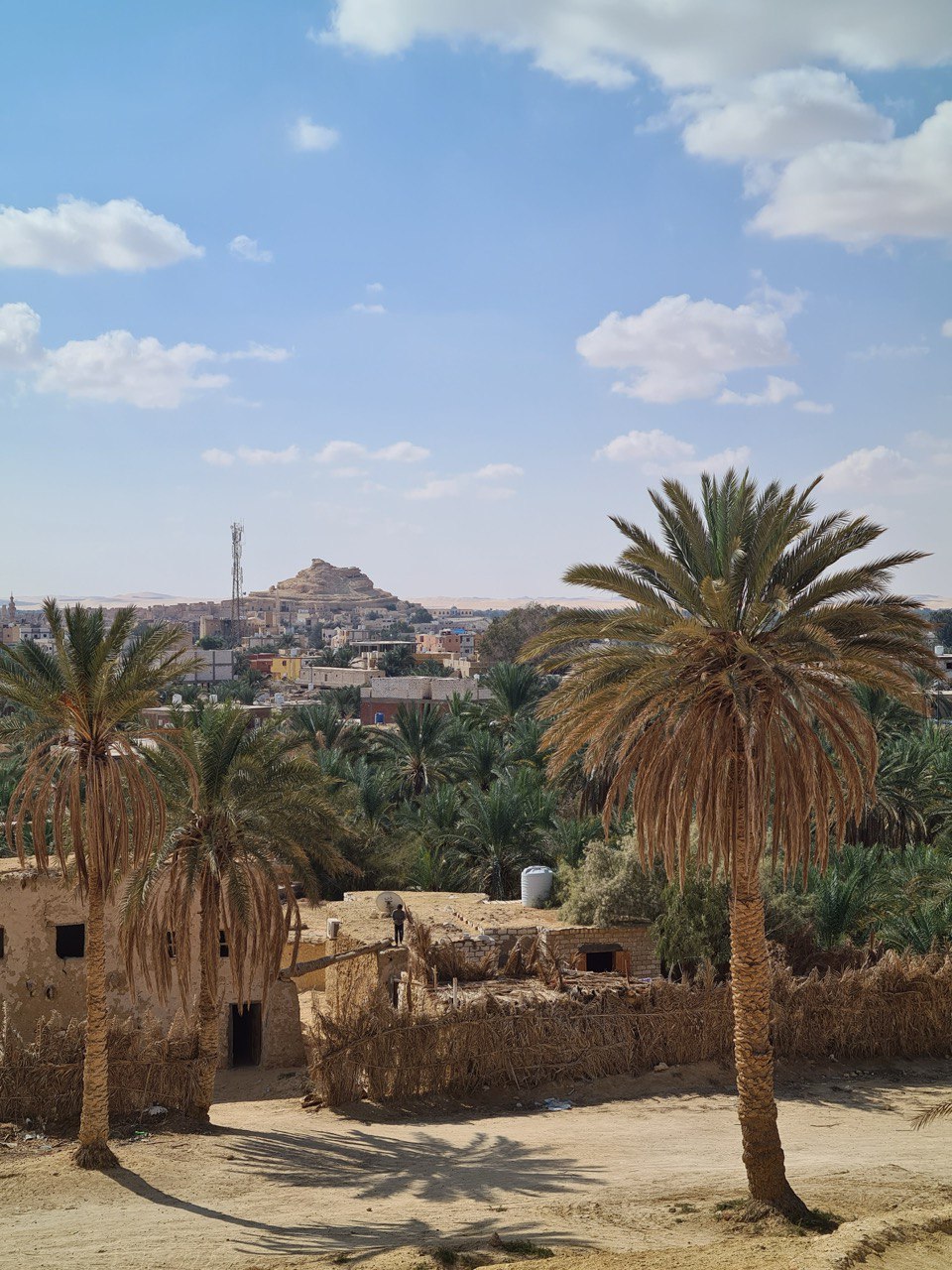
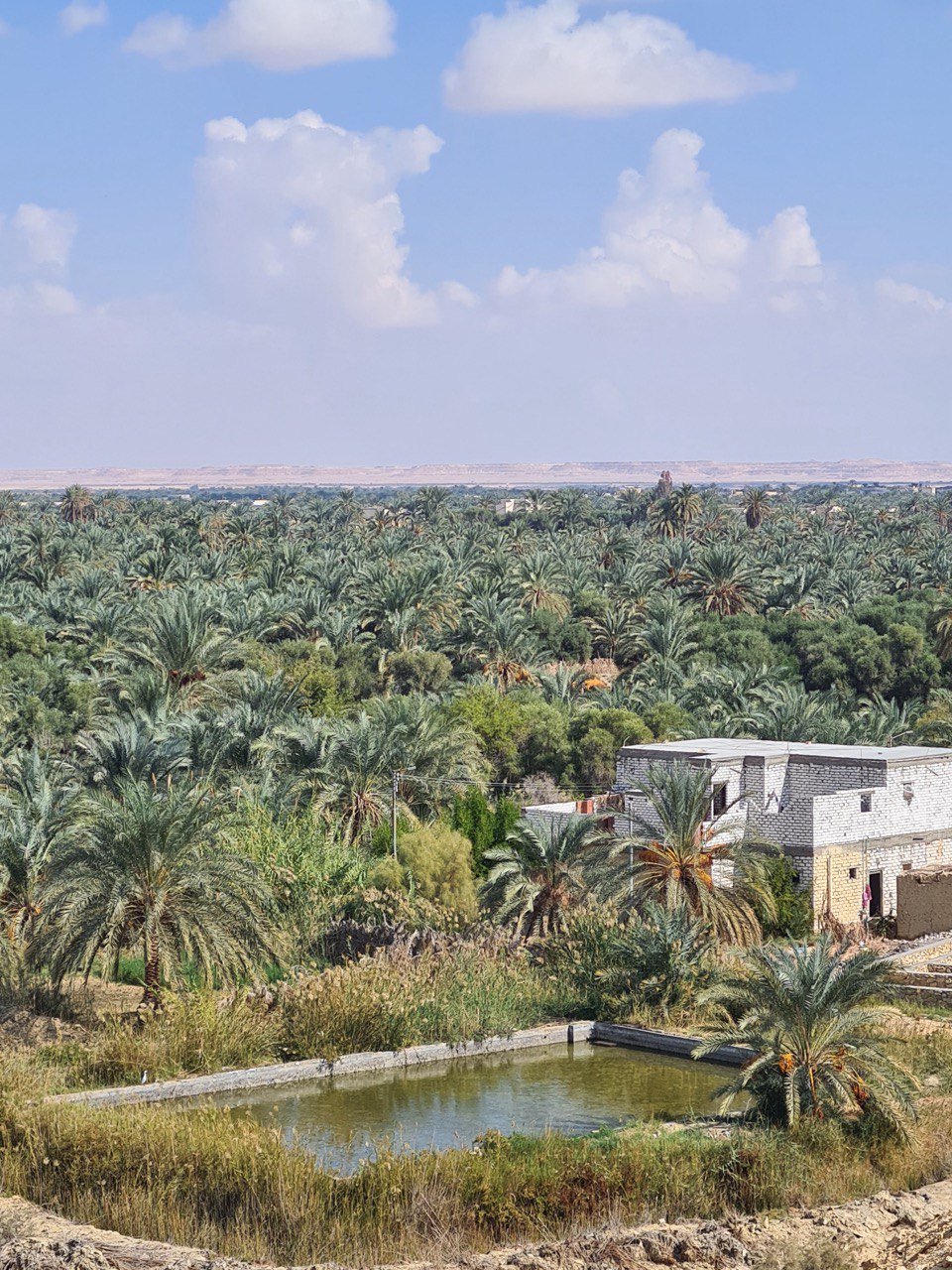
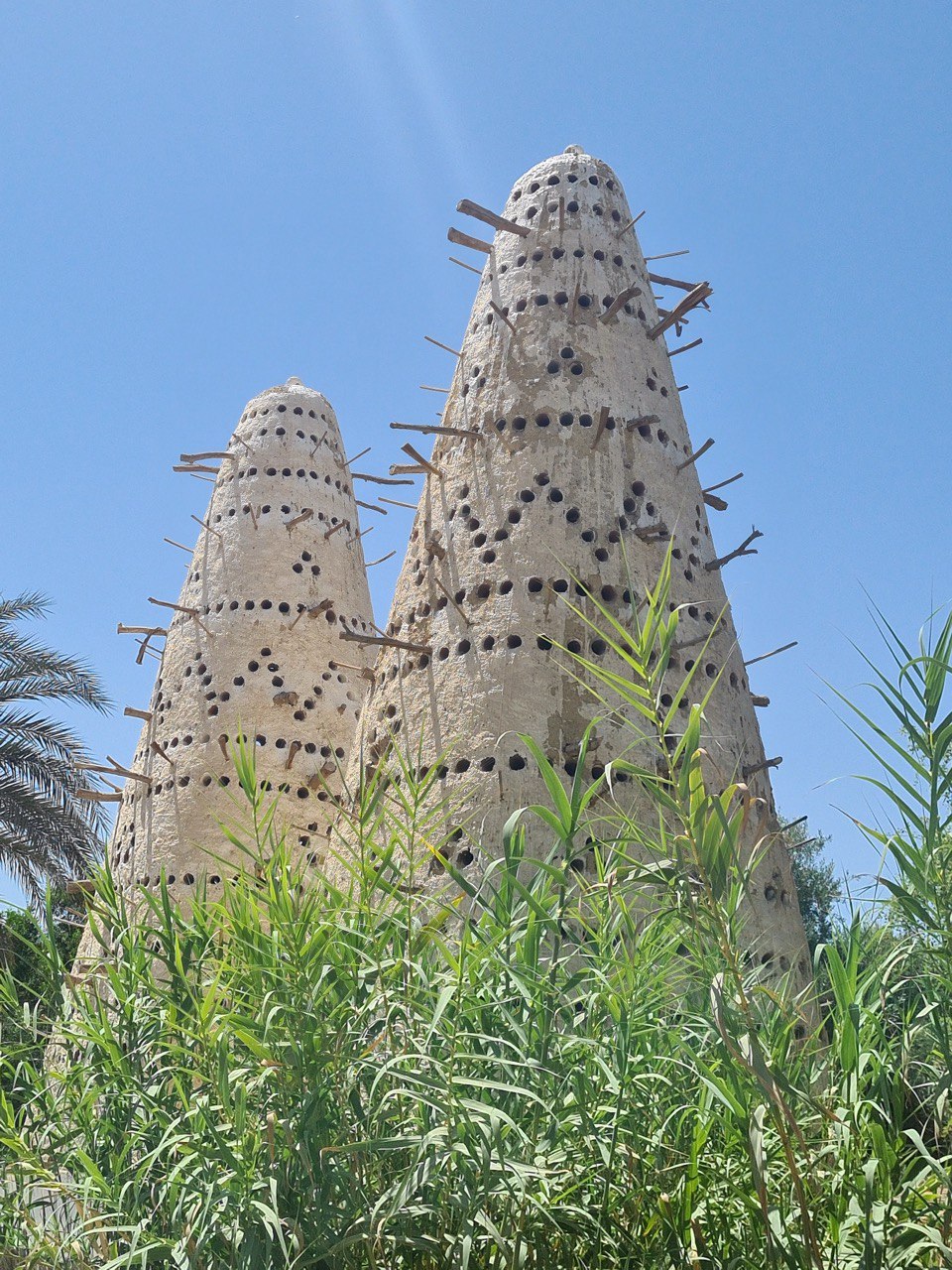
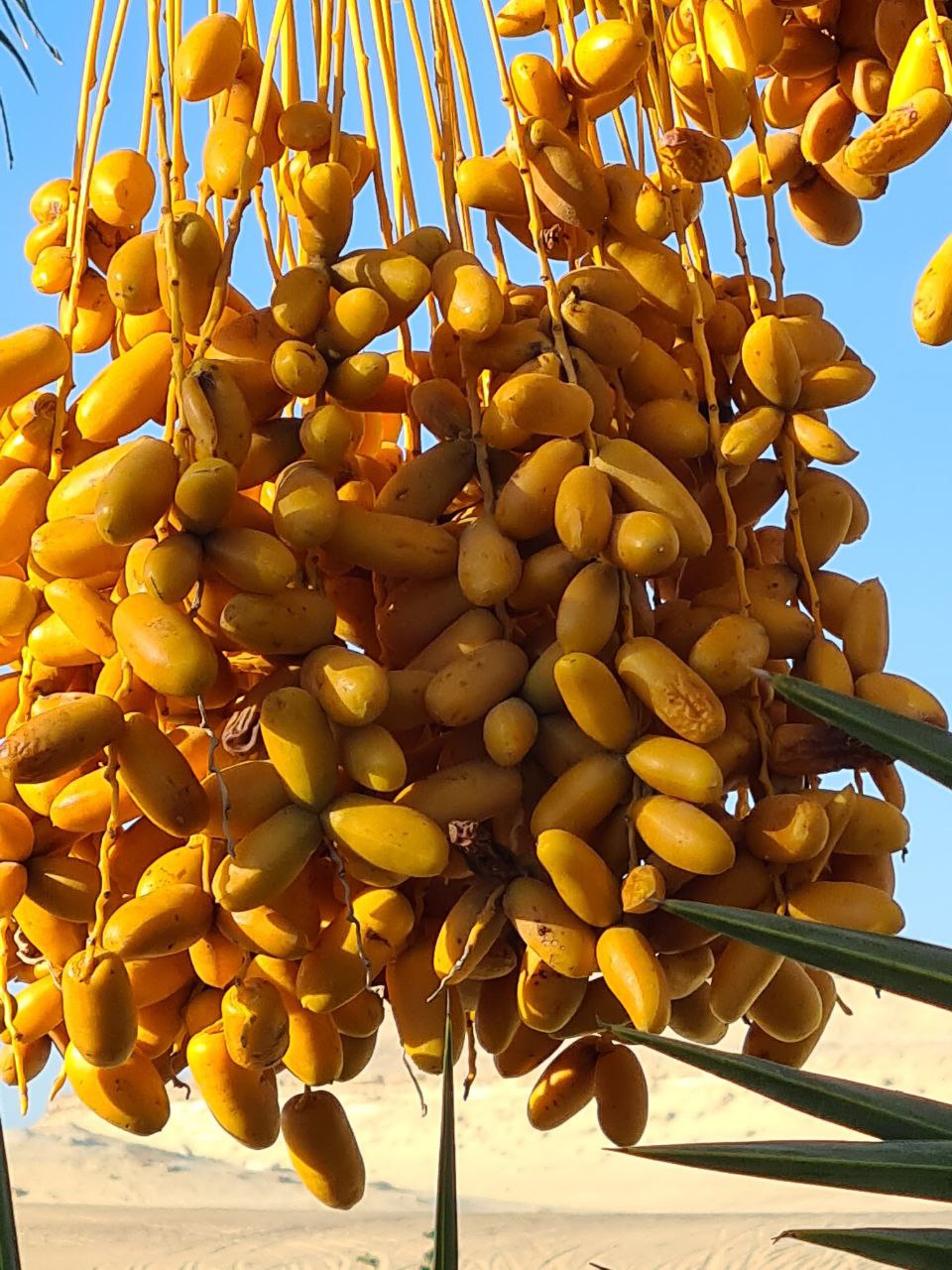
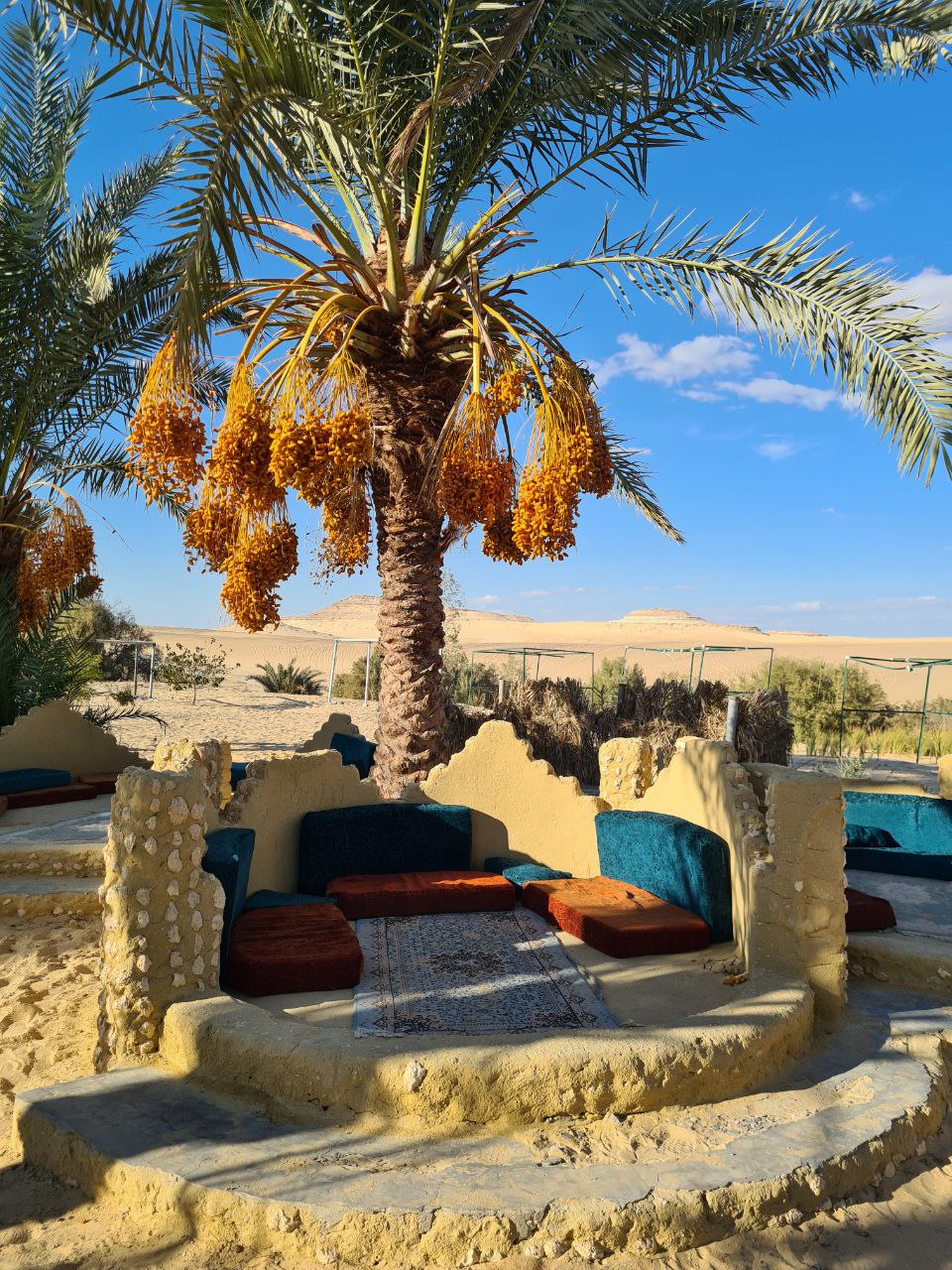
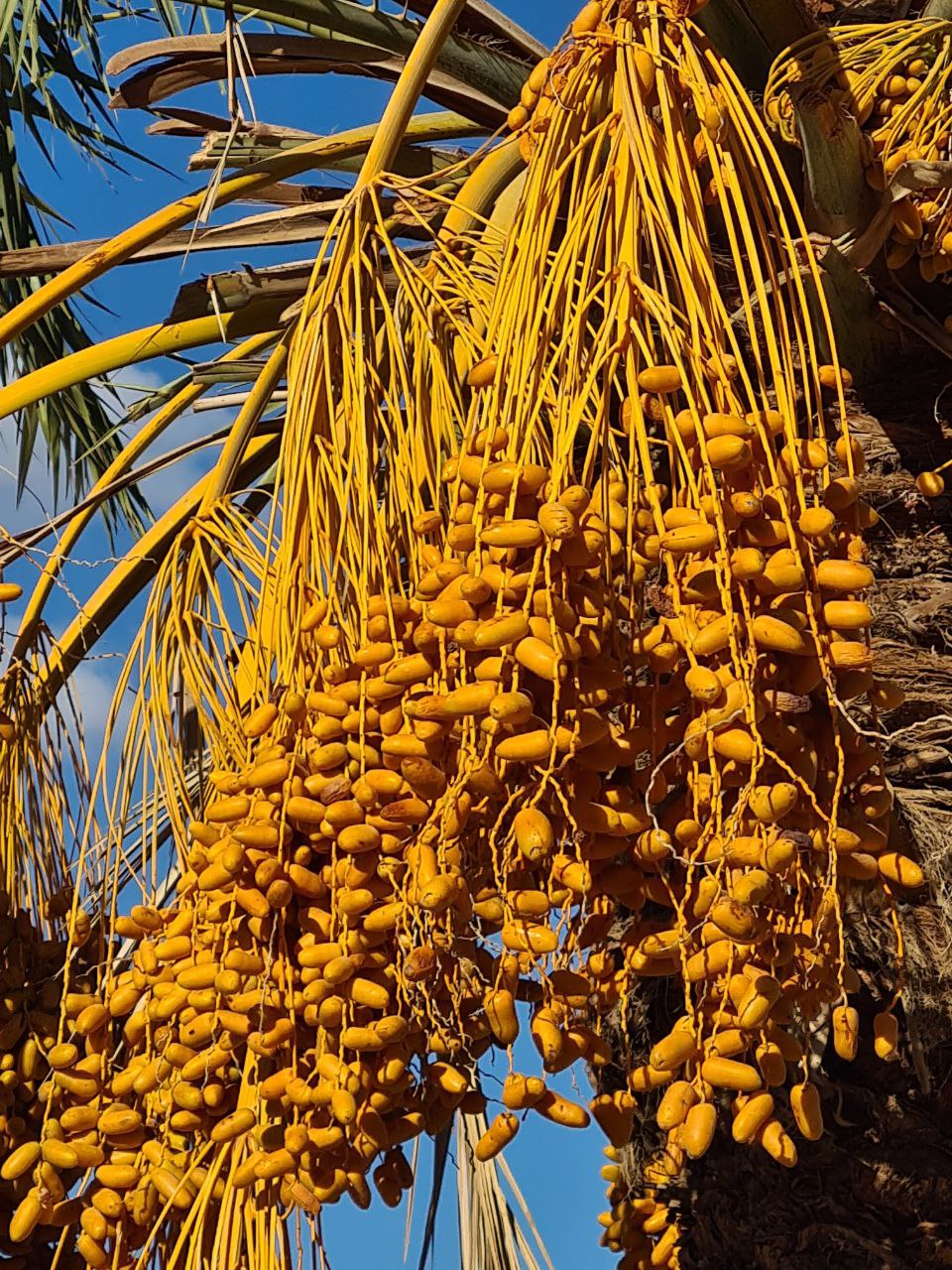
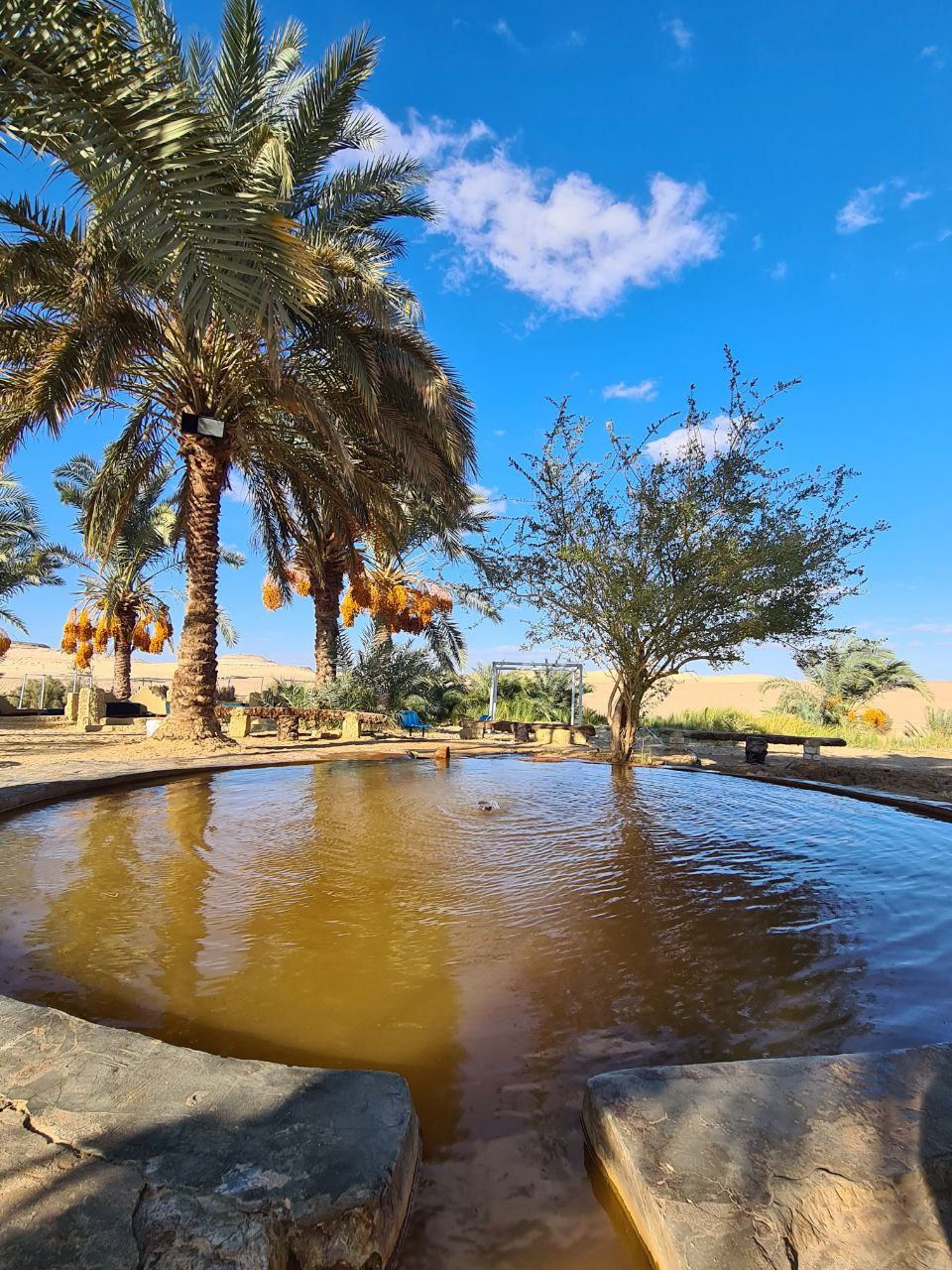
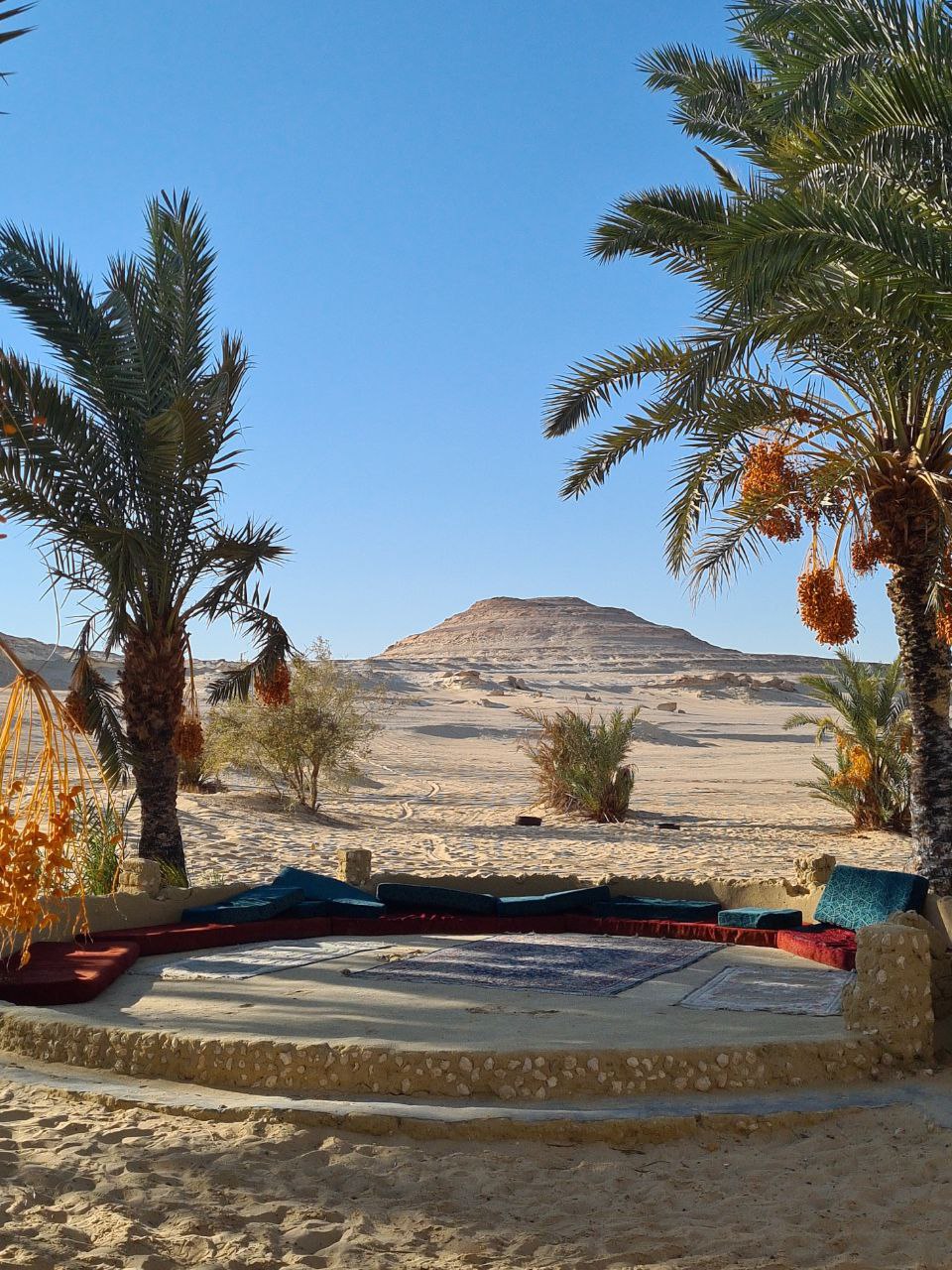
Here are a few key facts about this remarkable region:
- Geographic location: Siwa lies deep in the desert, which gives it a secluded, almost mythical character. It is one of the most remote places in Egypt, making it a true oasis of isolation and natural beauty.
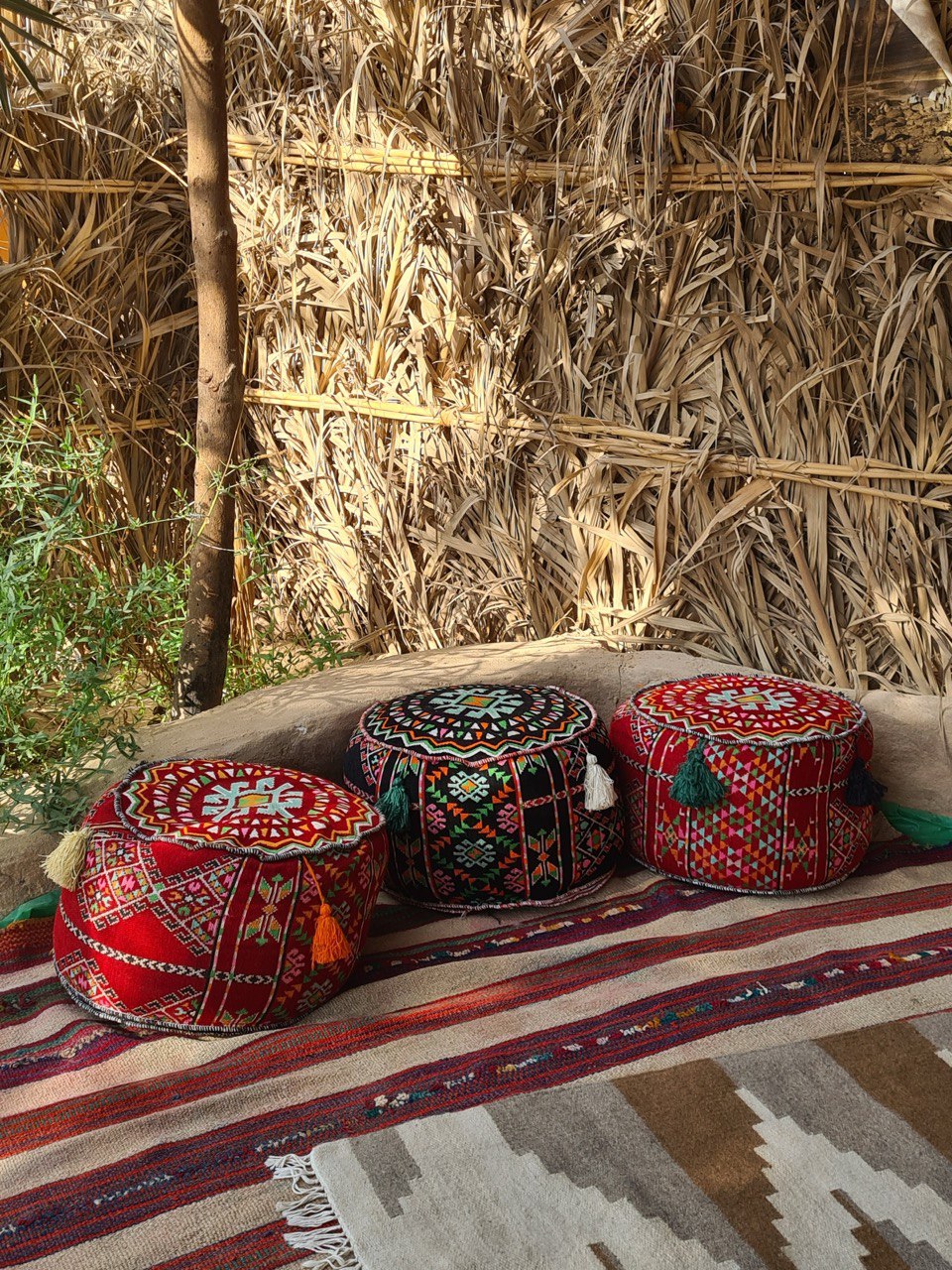
- Historical and cultural significance: Ancient ruins survive within the oasis, including the Oracle of Amun, which still draws researchers and tourists today. Indigenous Berber peoples live here, preserving their traditions, language, and customs, which makes the oasis a center of cultural heritage.
- Natural attractions: Siwa is known for its salt lakes, natural springs, and unique flora and fauna adapted to the desert’s extreme conditions. These natural features create a landscape like no other and offer a chance to enjoy peace and solitude.
- Tourism: Today the Siwa Oasis is becoming increasingly popular among travelers seeking both cultural and natural discoveries. It is the perfect place for anyone who wants to escape the hustle and bustle of city life and immerse themselves in the atmosphere of ancient traditions and the splendor of the desert