
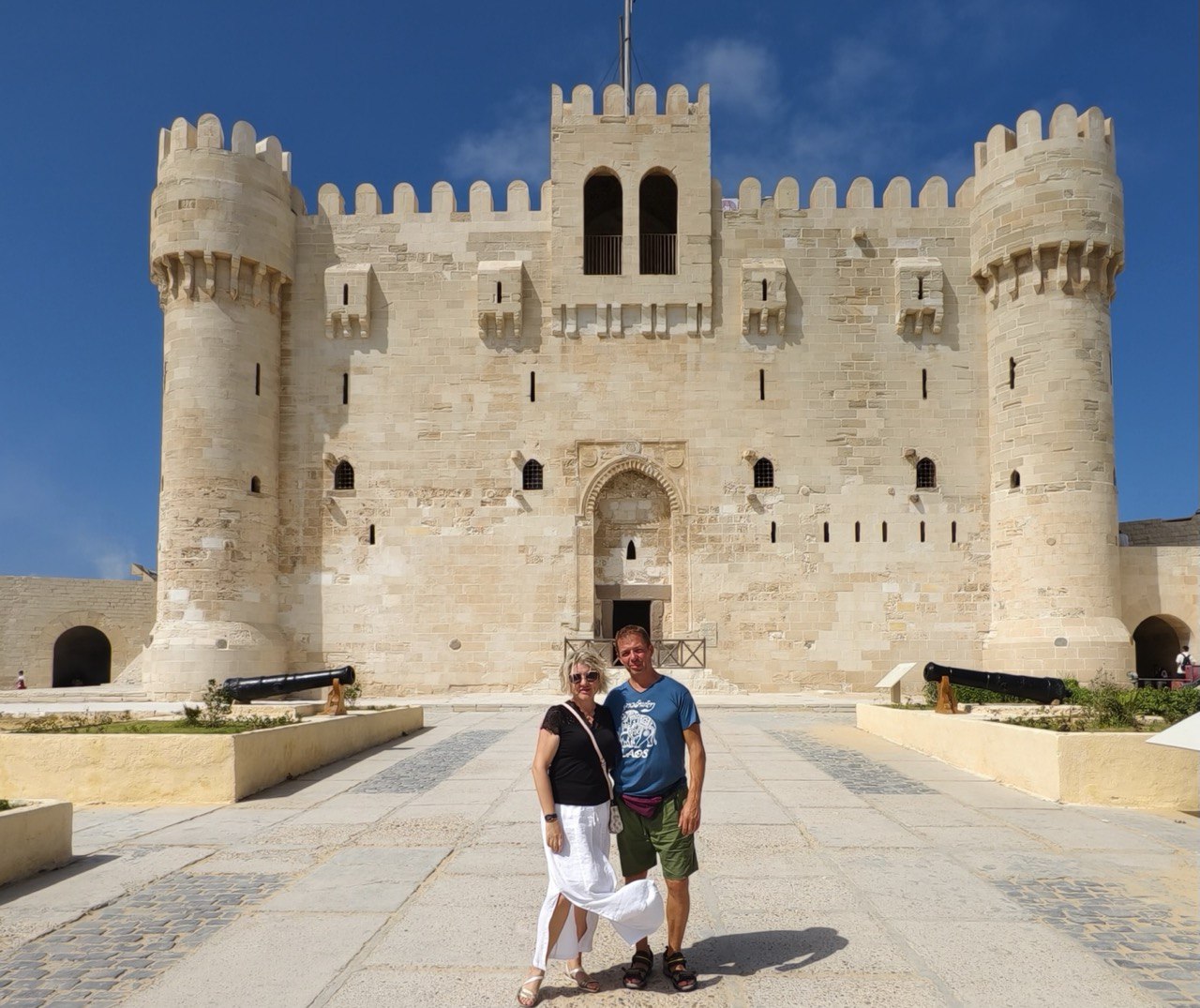
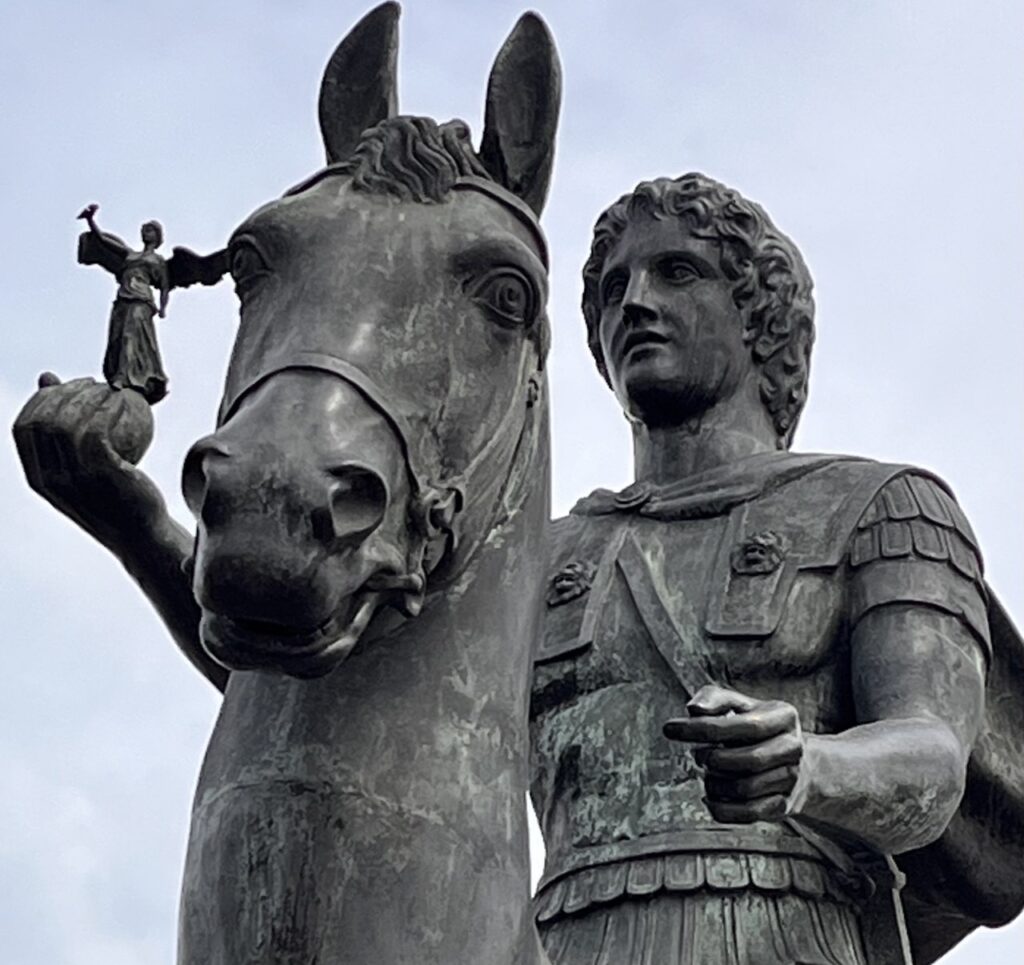
Alexandria might never have existed, had Alexander the Great not once set out
for the Siwa oasis - where he was awaited for initiation at the temple of the Oracle of Amun
They say Alexander had a special bond with the gods
In his conquests he did not destroy but multiplied - and so the heavens favored him
On his way to Siwa, the great commander stopped in a small fishing village on the Mediterranean coast
The place lay between two bays, and the sea there was an extraordinary color
Legend has it that that night Alexander had a dream: a god appeared to him and showed him the outline of a future city
In the morning, inspired by the vision, the great commander walked across the sands and traced the outline of the future city - not with chalk or a stick, but with a handful of flour, so that birds would rise up and carry it away on the wind, spreading the blessing
When his companions asked what name the city would bear, Alexander smiled and said:
“It will bear my name. Let Alexandria become the link between East and West”
Alexander never lived to see his city, but he immortalized his name forever
An expert guide’s recommendations for visiting the sights of Egypt’s northern capital
- The Greco-Roman Museum
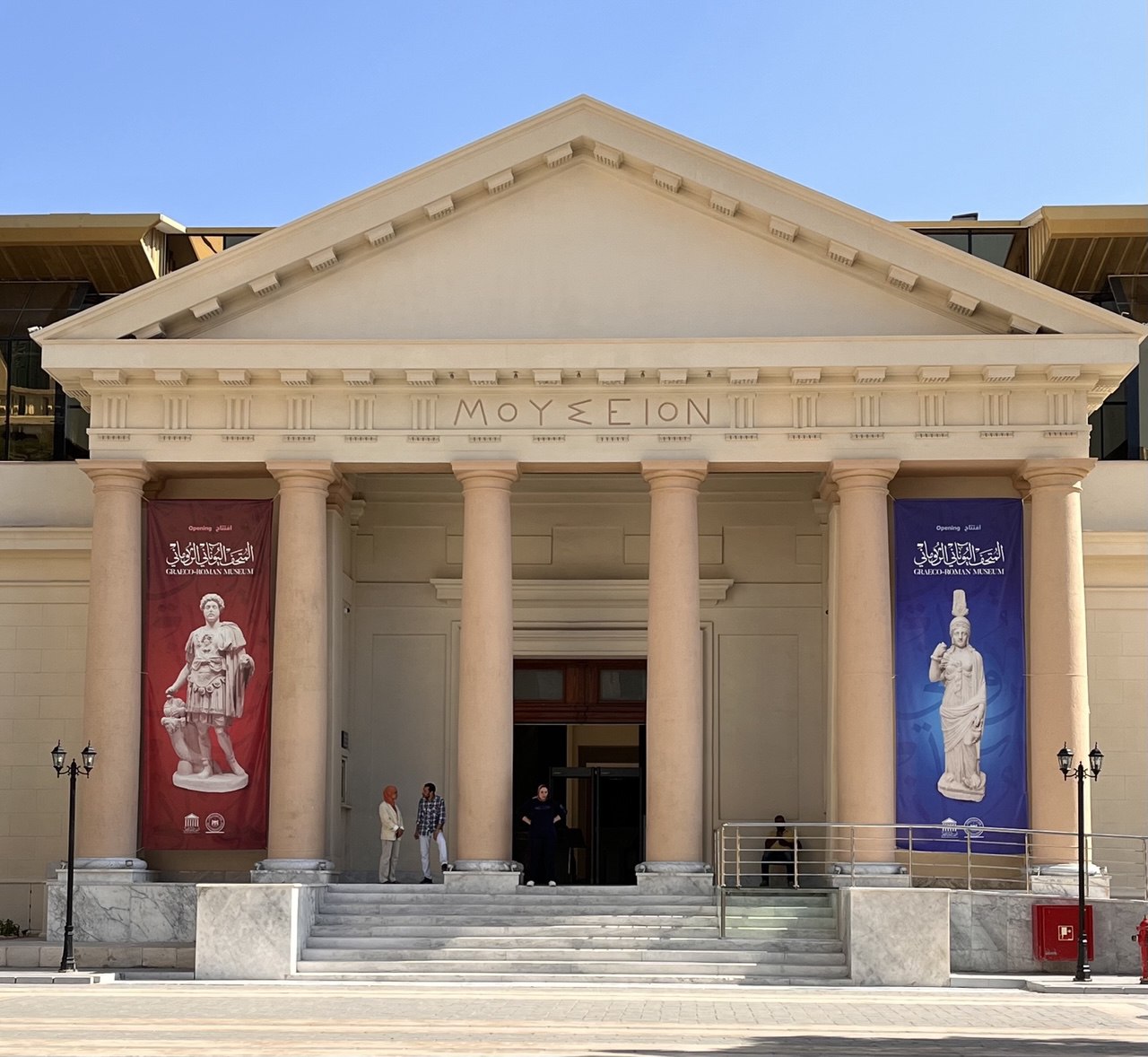
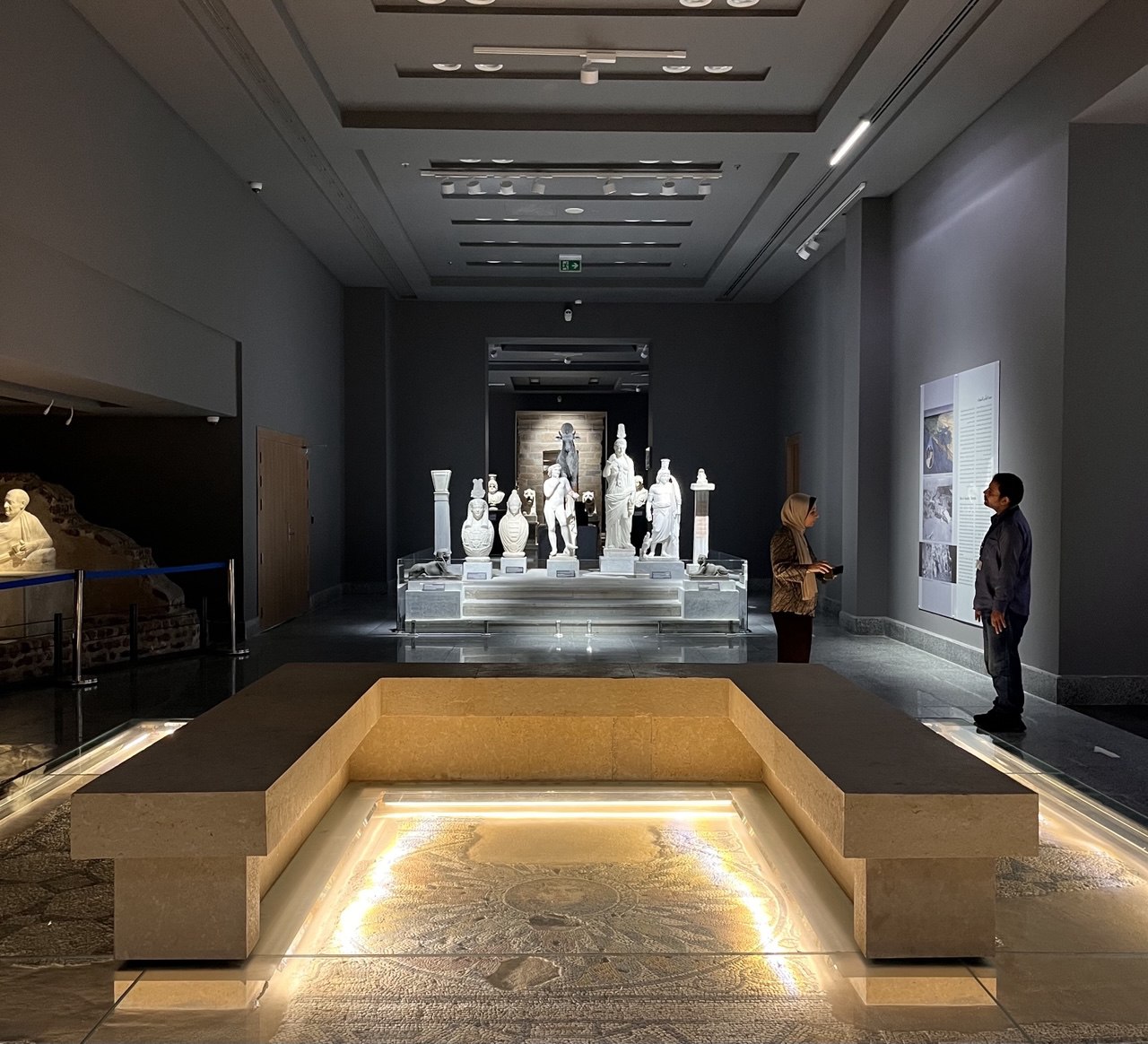
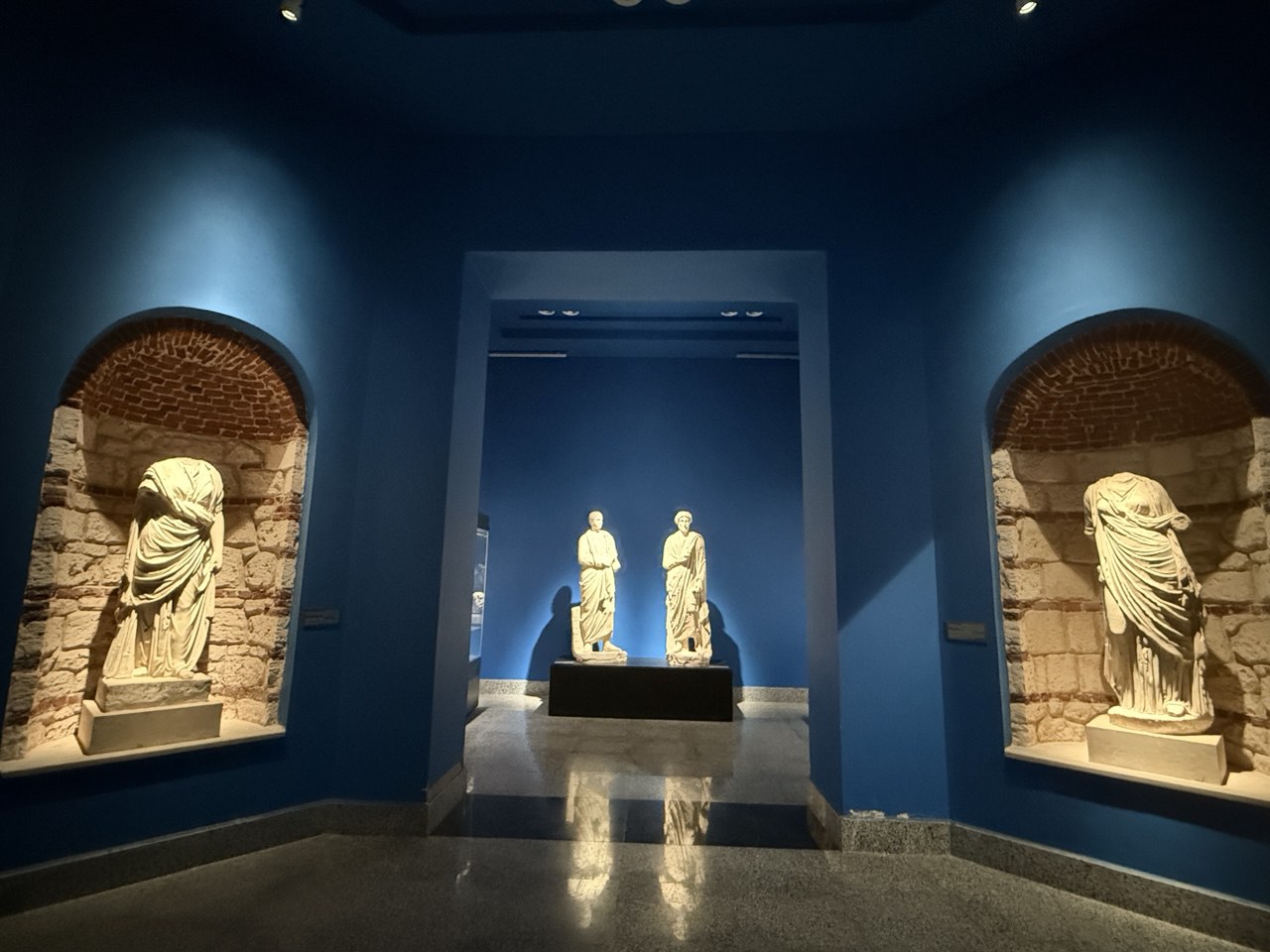
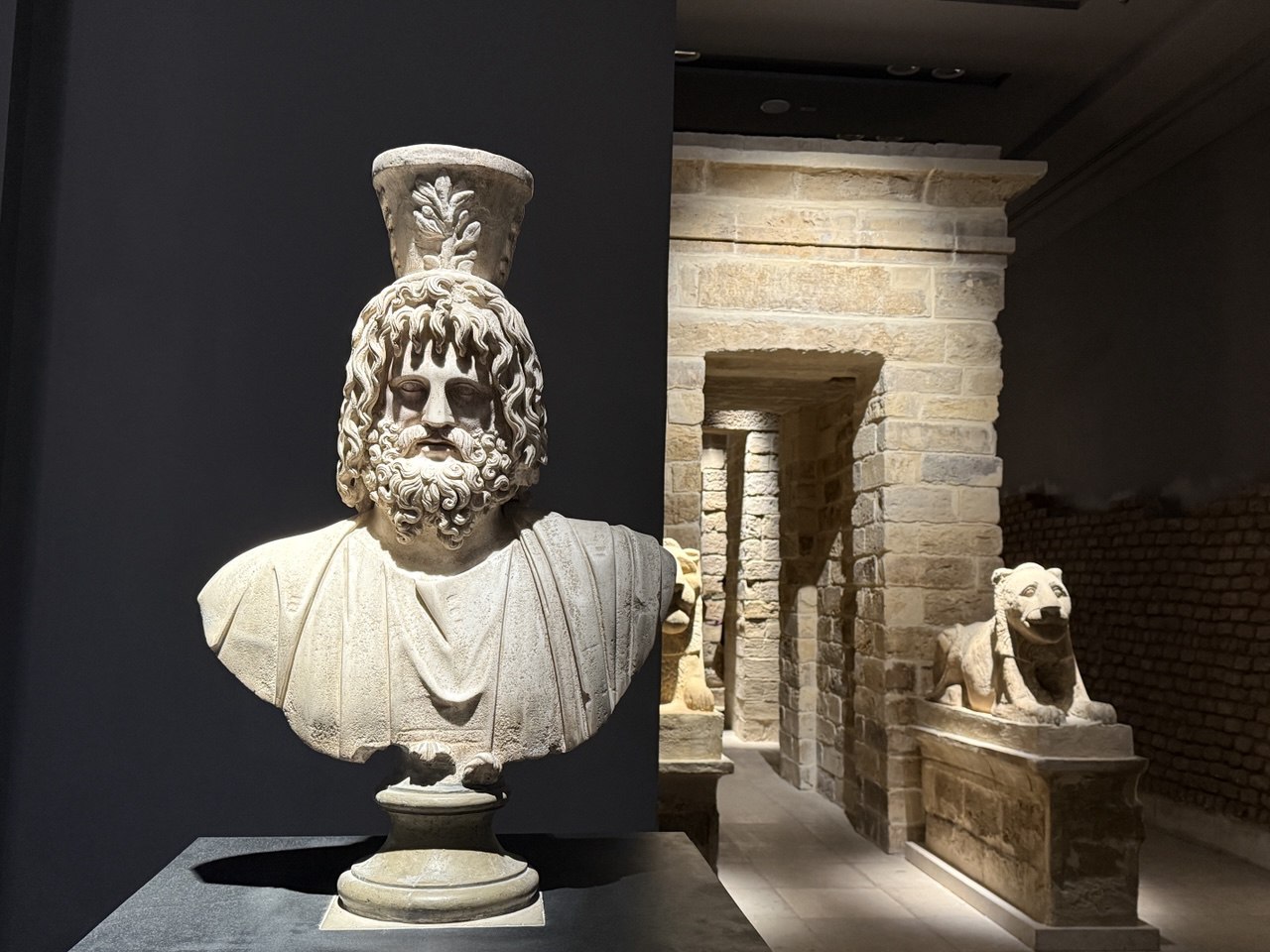
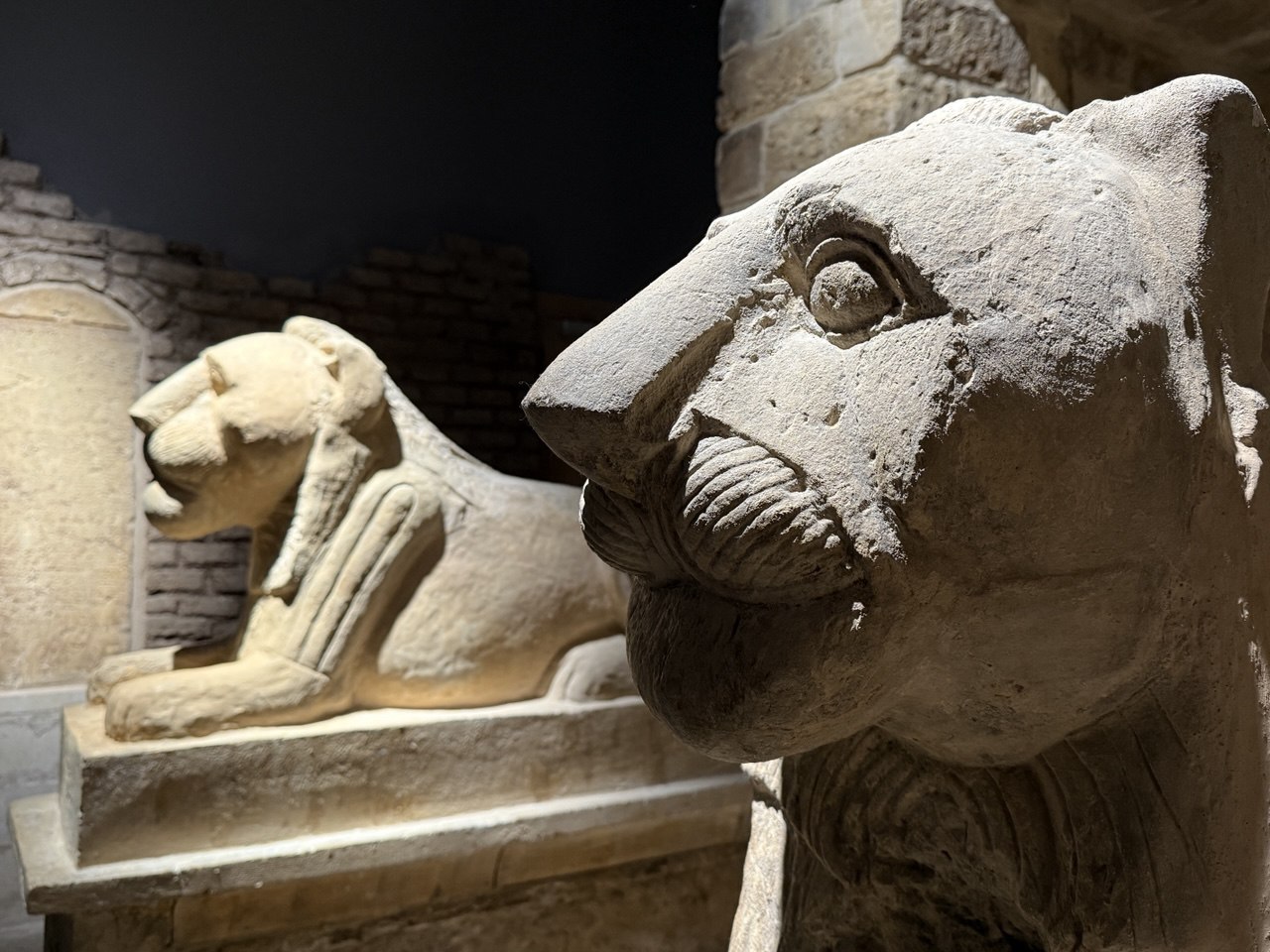
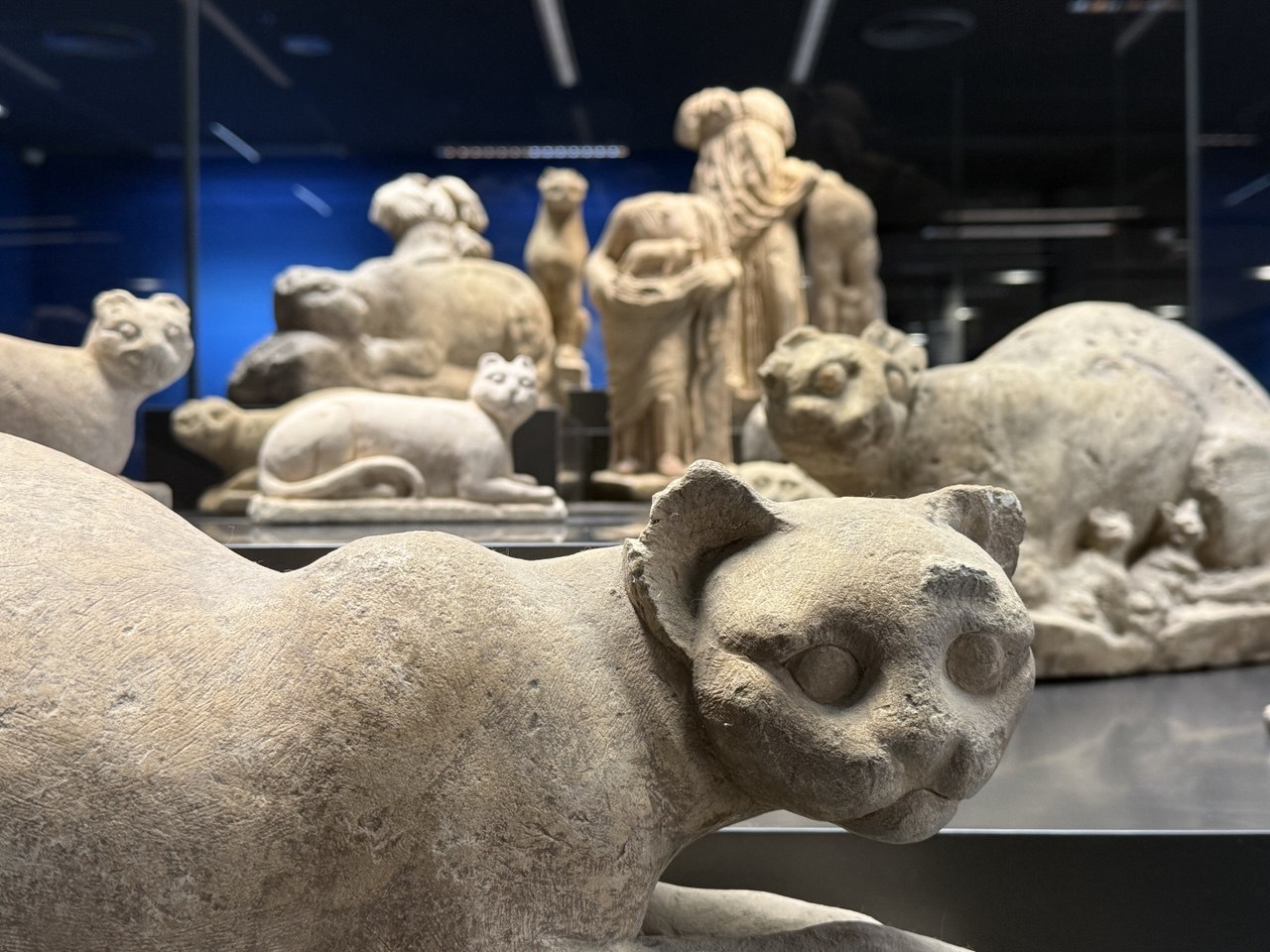
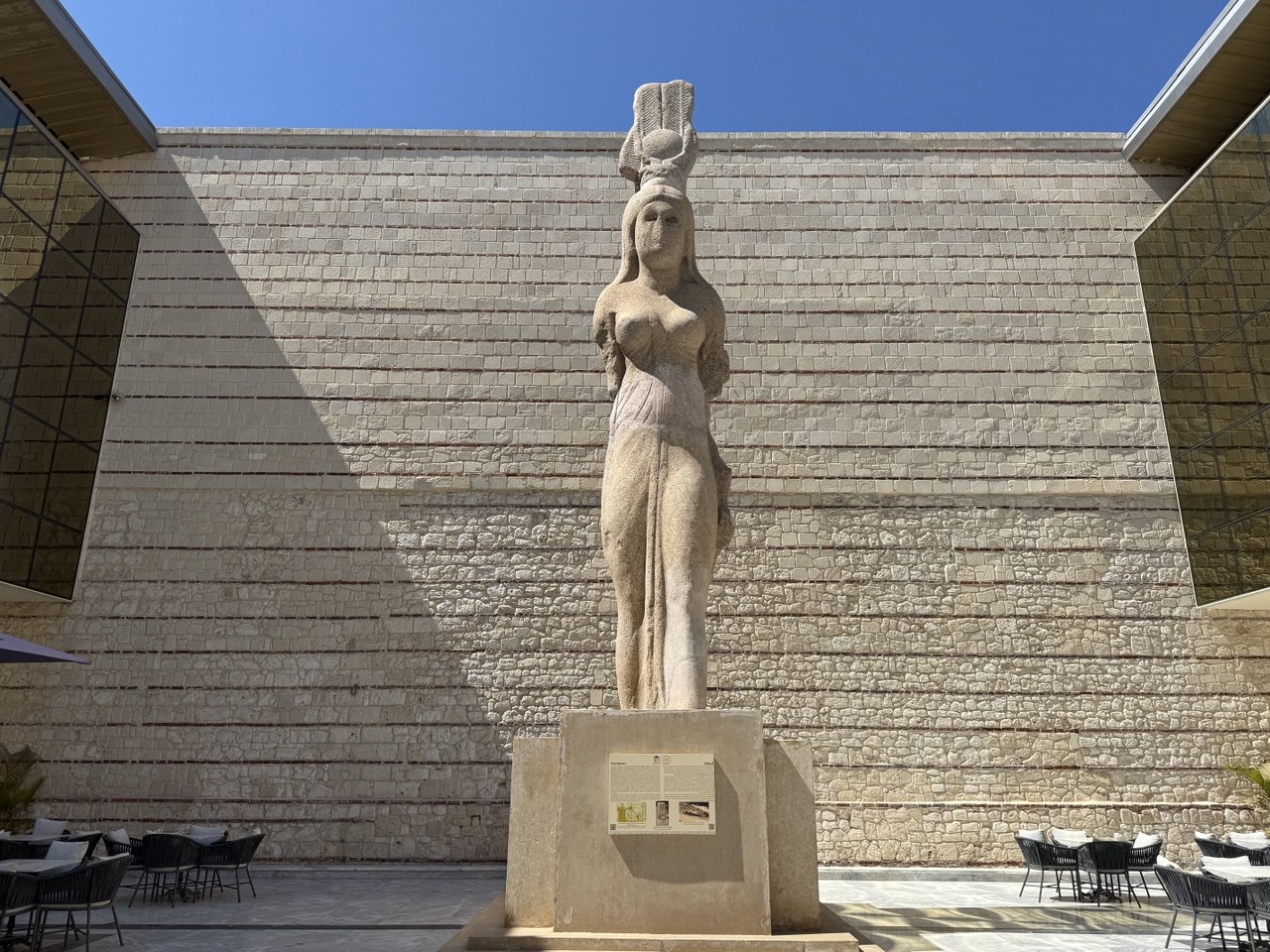
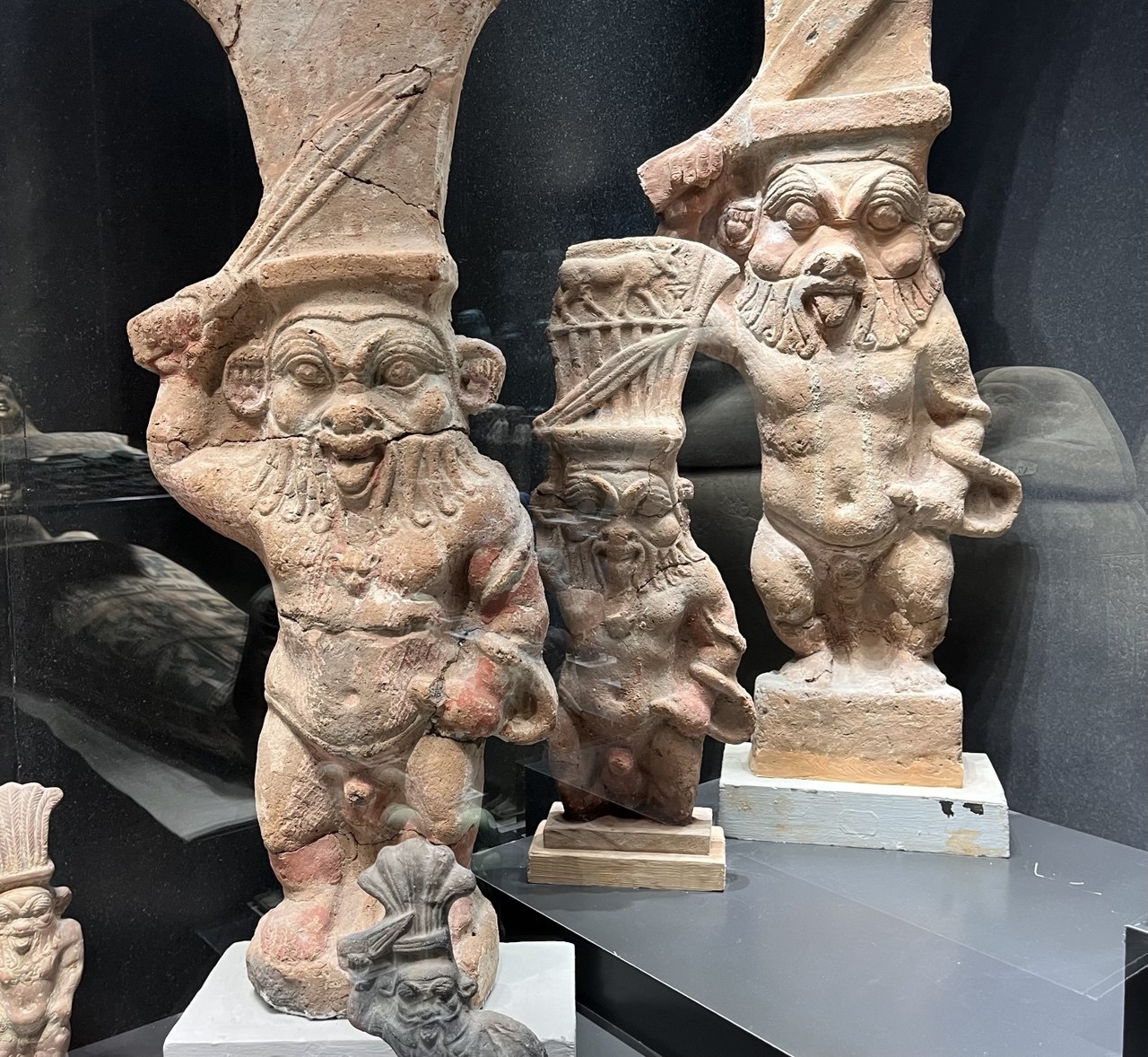
The first place worth heading to is the legendary Greco-Roman Museum.
It spent over ten years under restoration, and now shines again like history come back to life. It’s the only museum in Egypt devoted to the Greco-Roman era on such a scale.
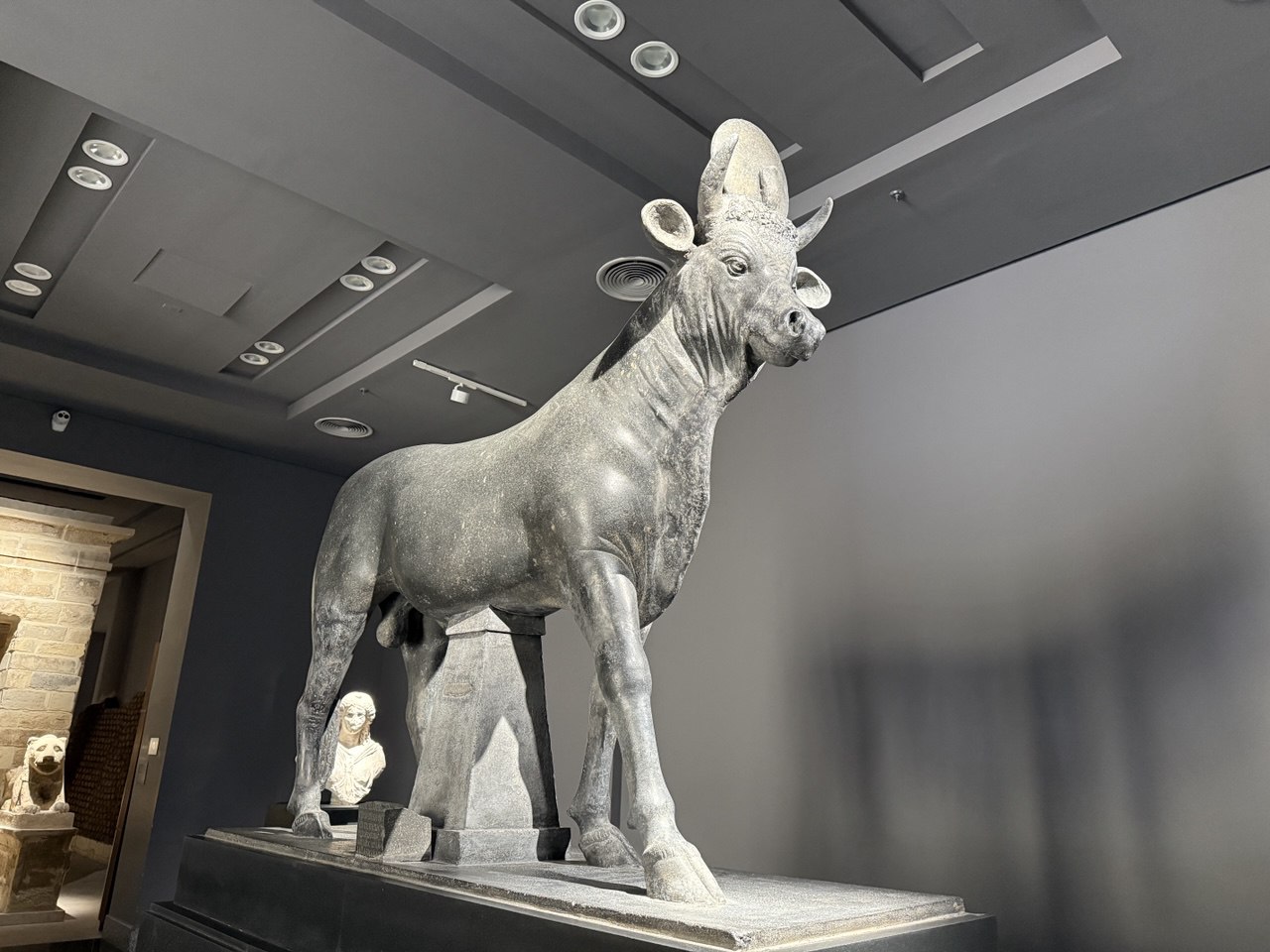
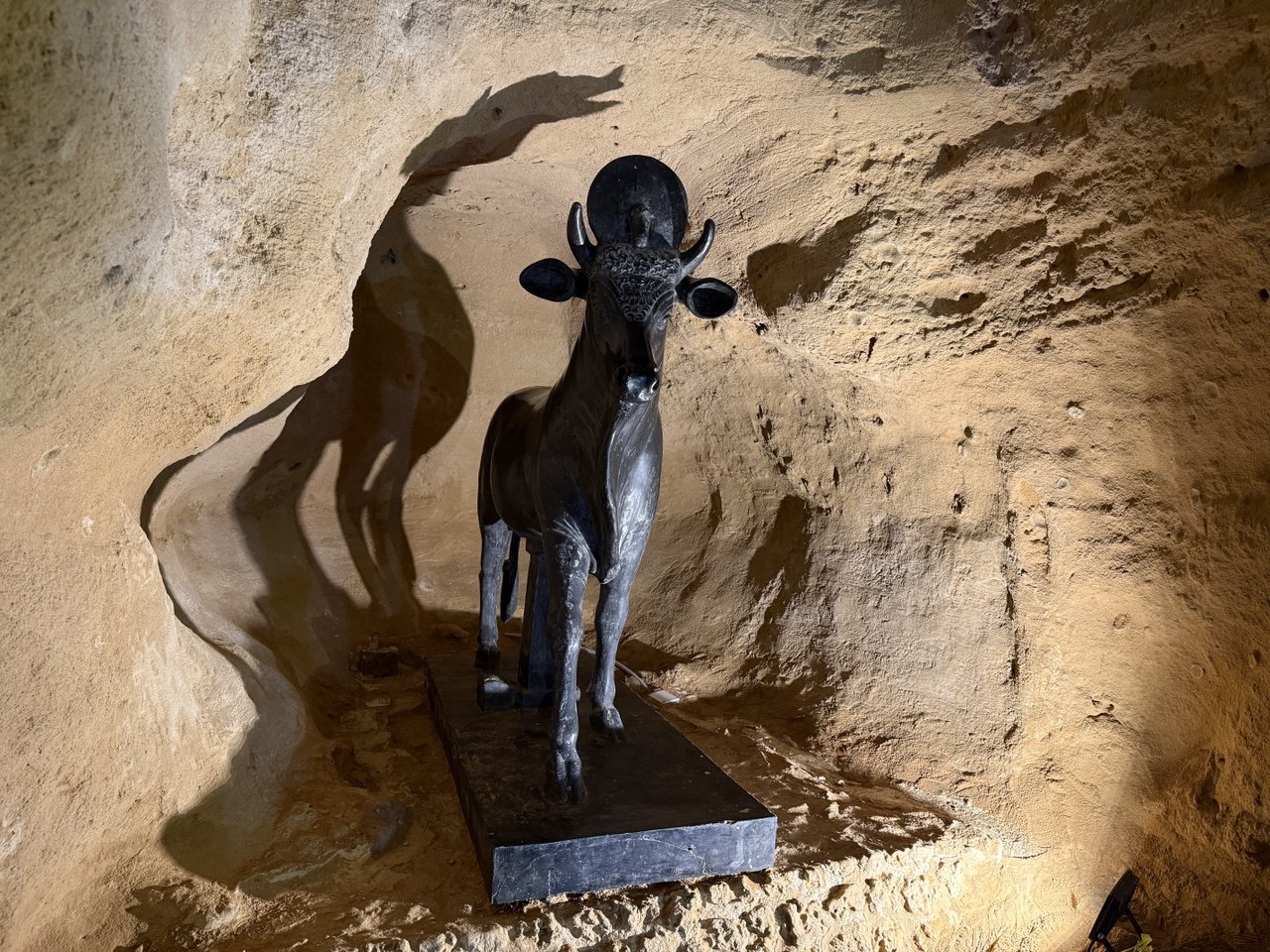
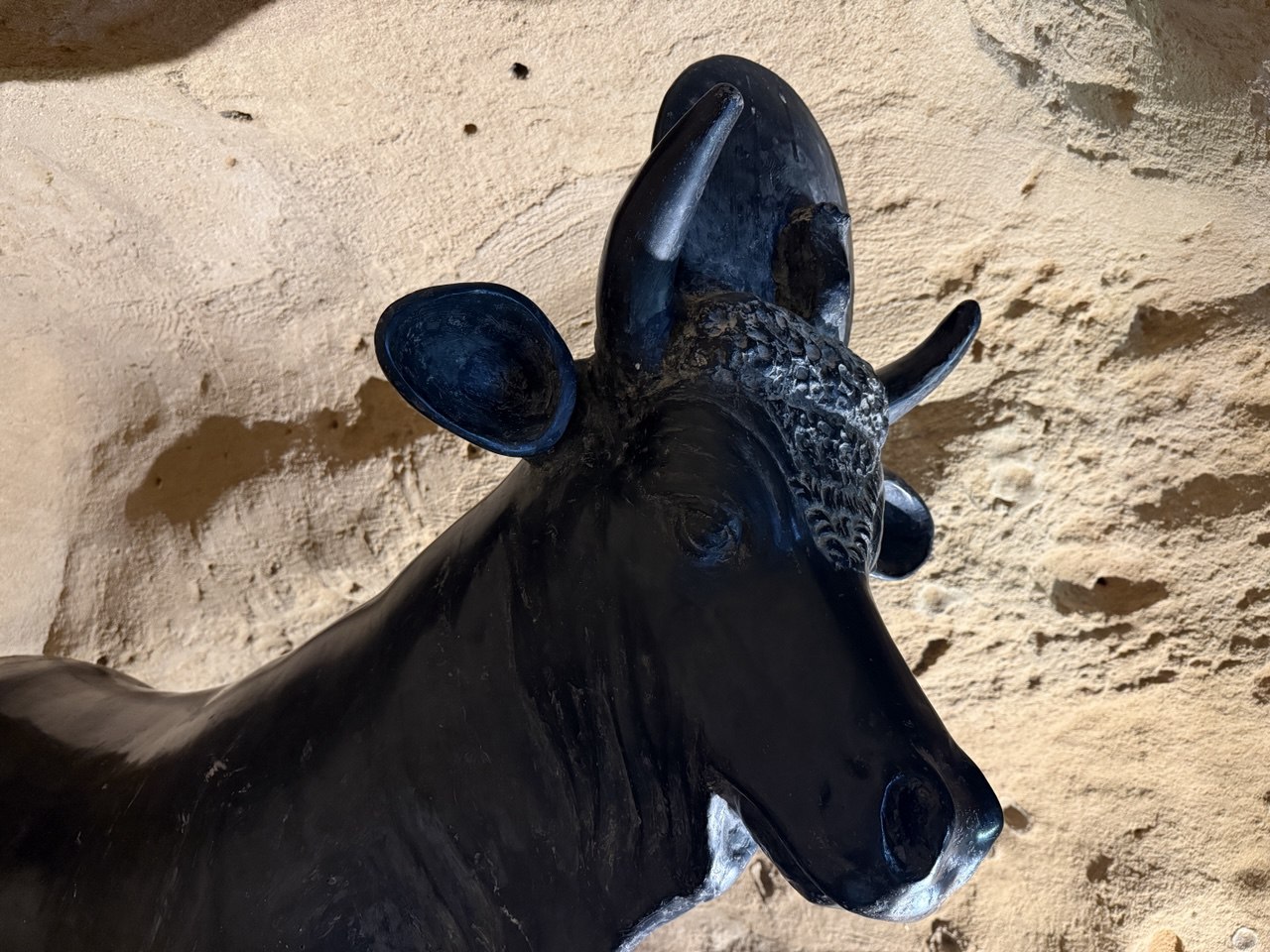
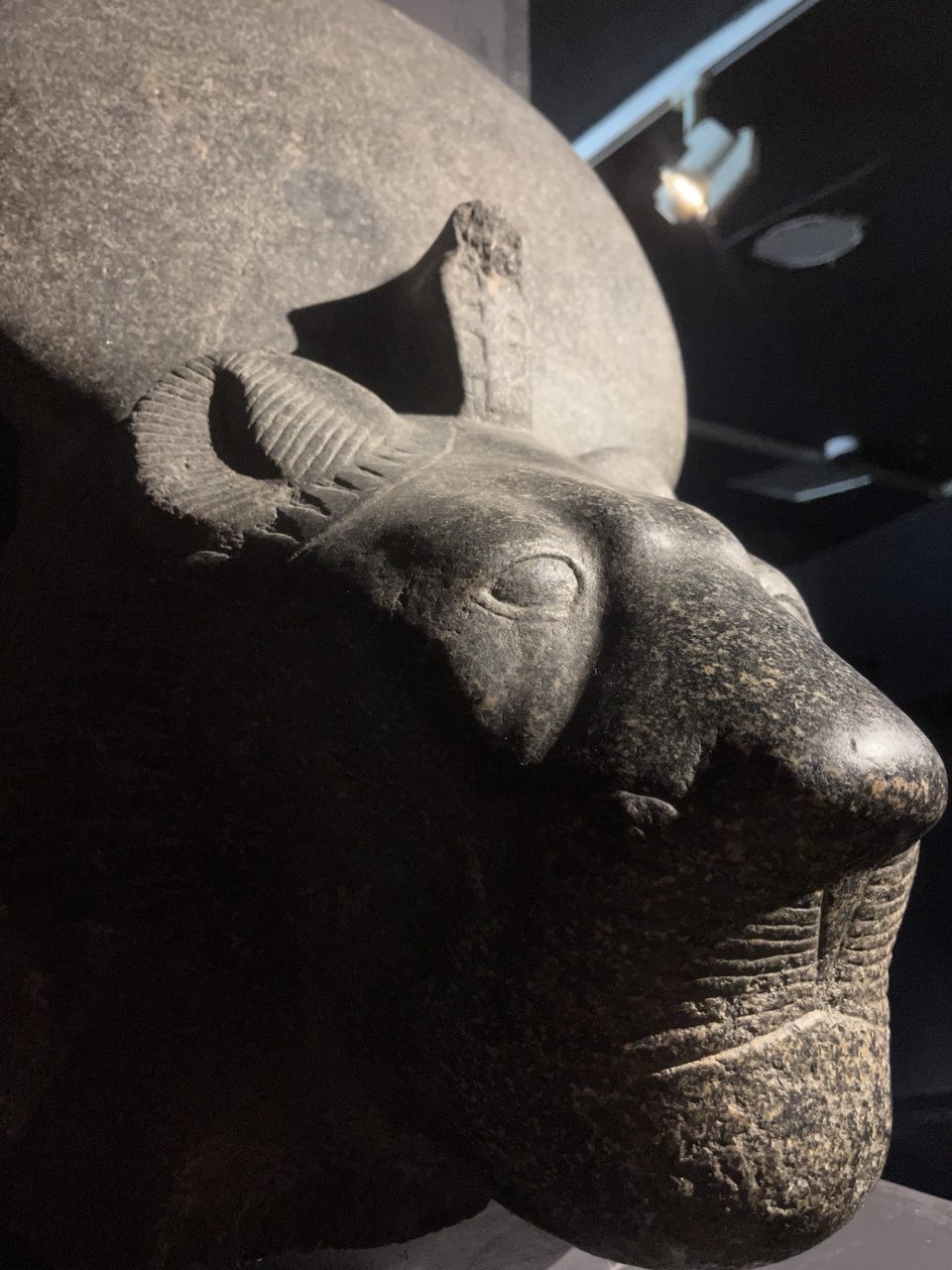
One of the museum’s most striking exhibits is the original statue of the sacred bull Apis, found in the catacombs of the Serapeum. It’s a true masterpiece of ancient Egyptian art.
- Qaitbay Citadel
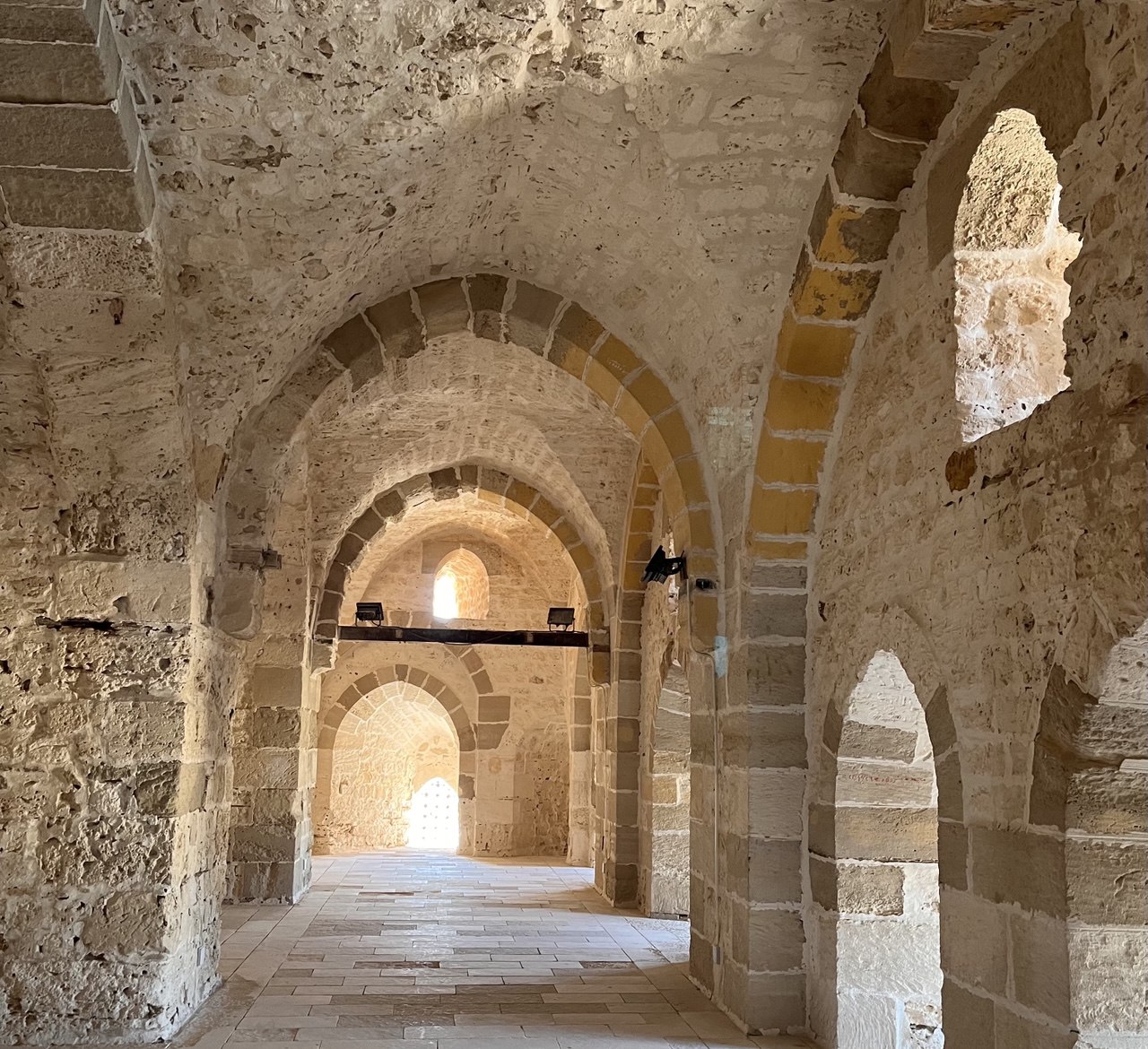
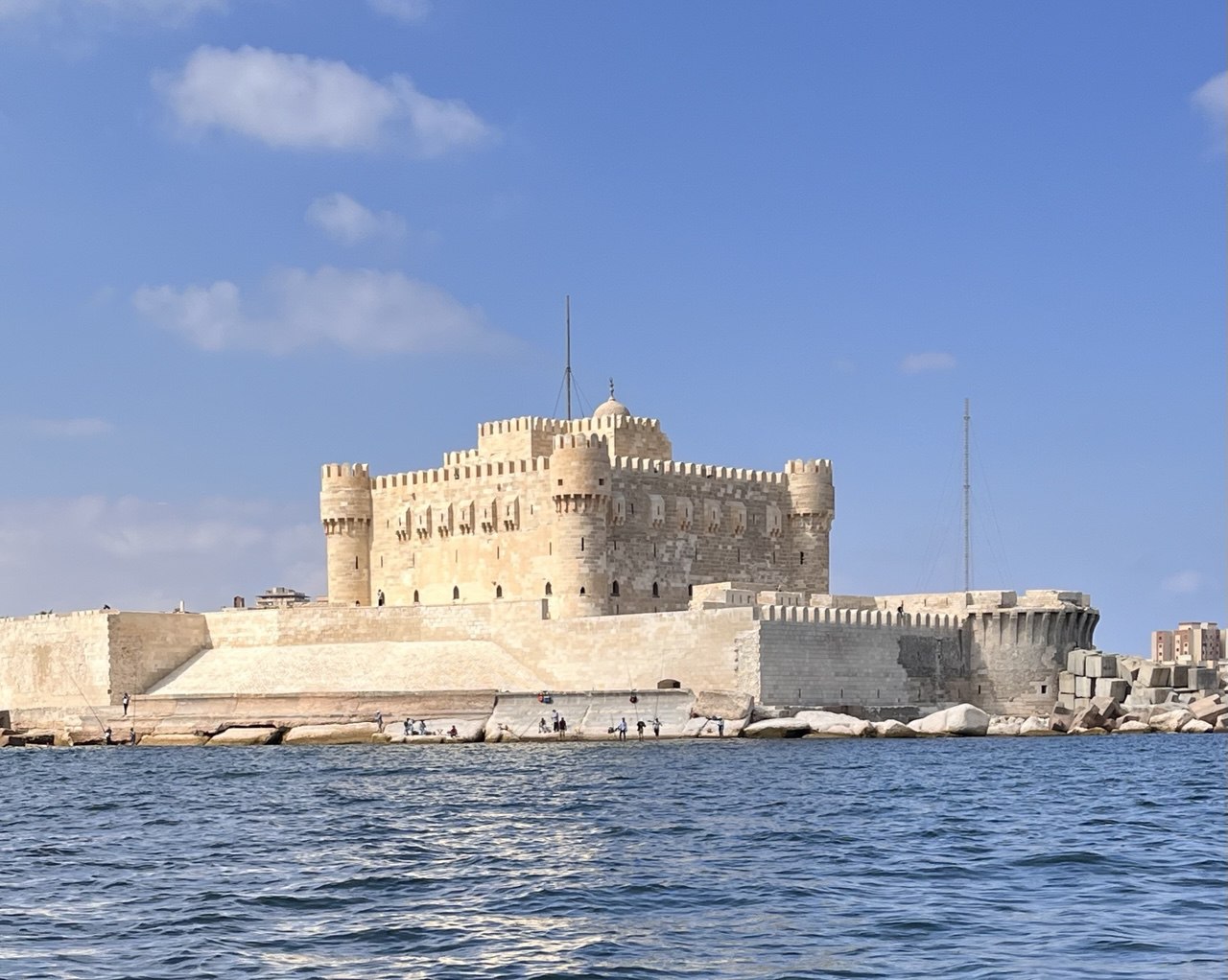
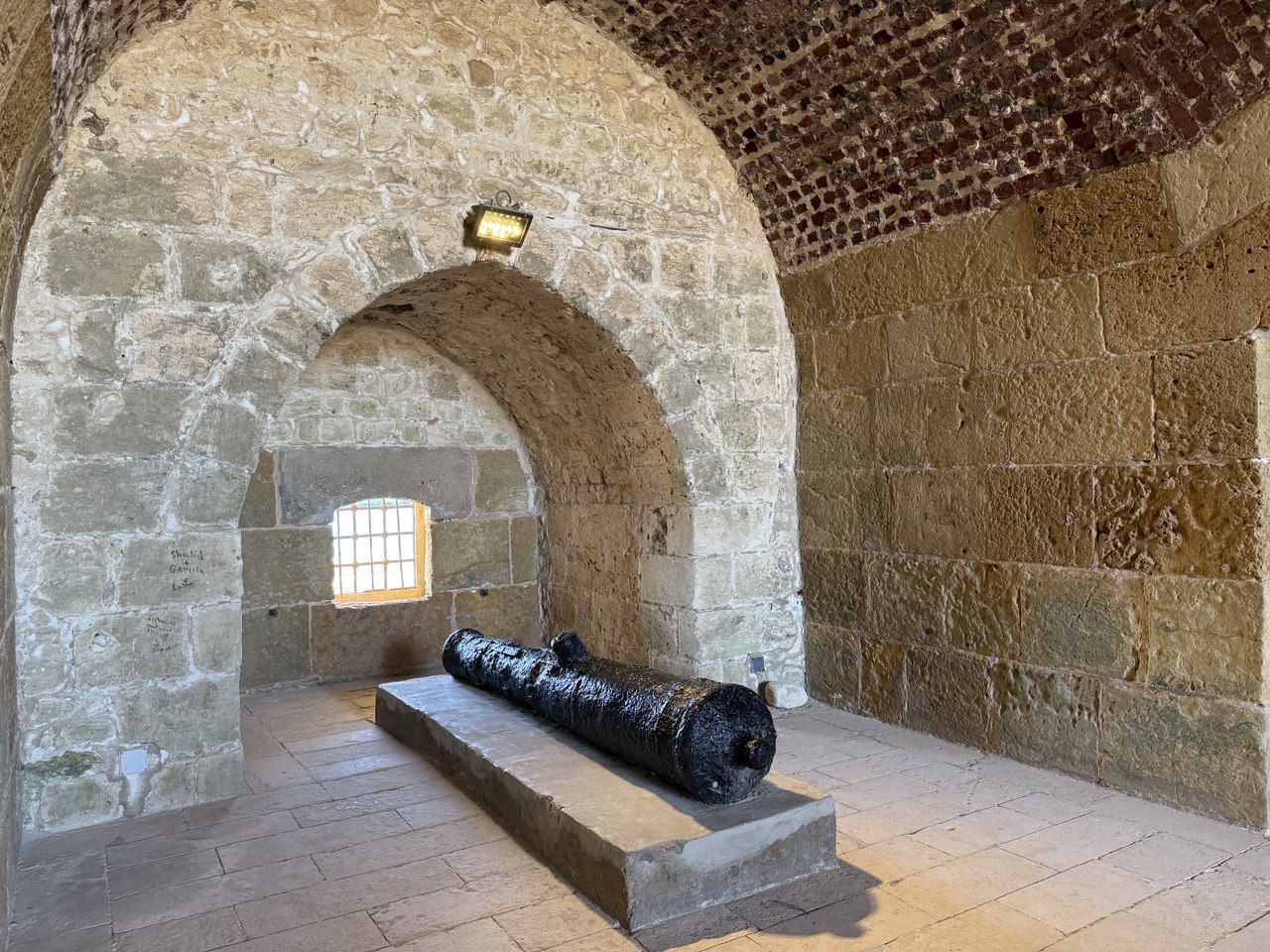
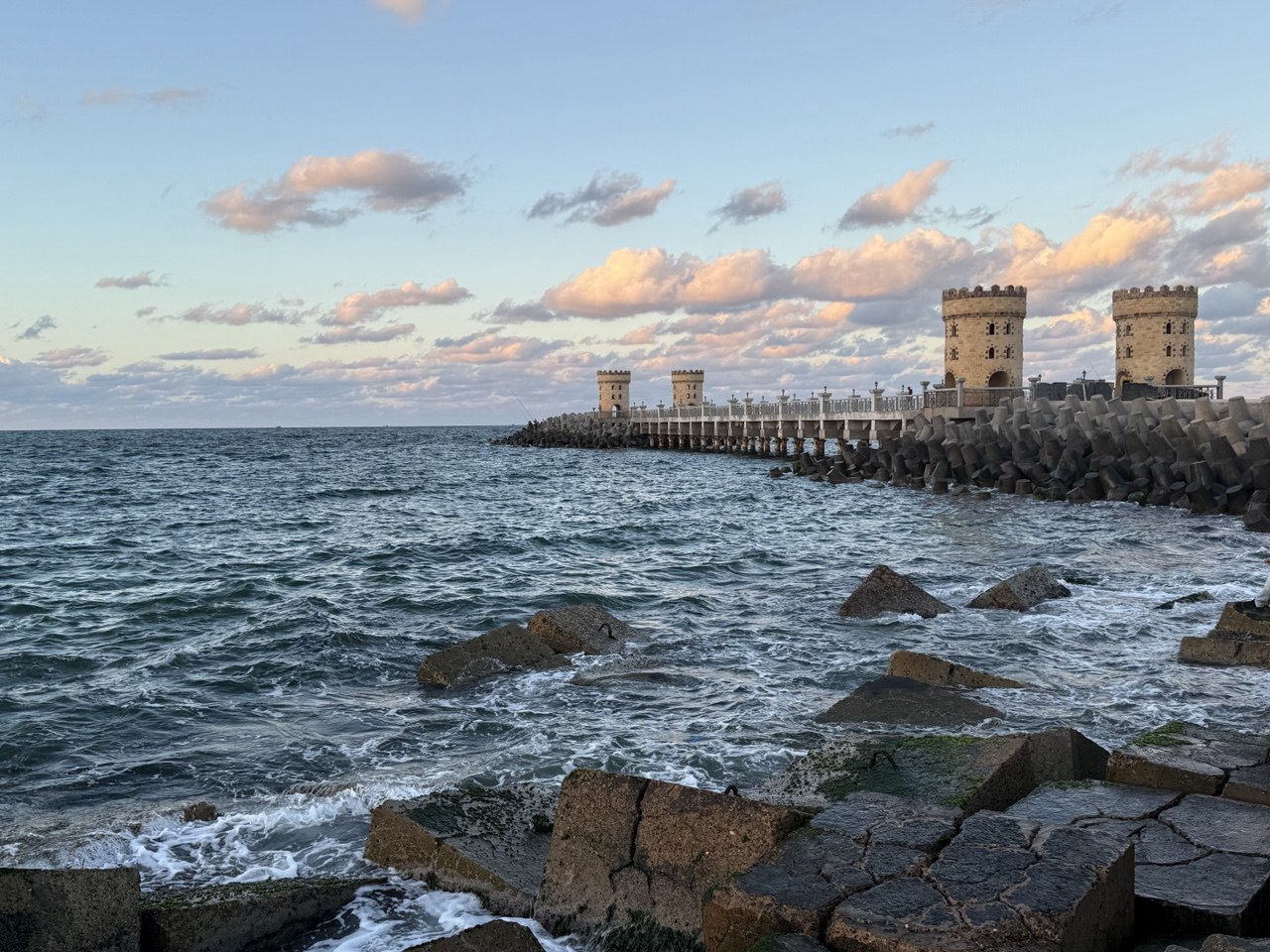
The mighty Qaitbay Citadel stands like a guardian by the sea. The Pharos Lighthouse - one of the Seven Wonders of the Ancient World - once stood on this very spot
What’s more, in the second half of the 1990s an expedition from a European institute of underwater archaeology discovered the royal quarter of Greek Alexandria at the bottom of the eastern harbor, a site whose location had long been unknown. It sank beneath the water in the early Middle Ages as a result of tectonic shifts. Remains of Cleopatra’s palace and numerous other structures have survived.
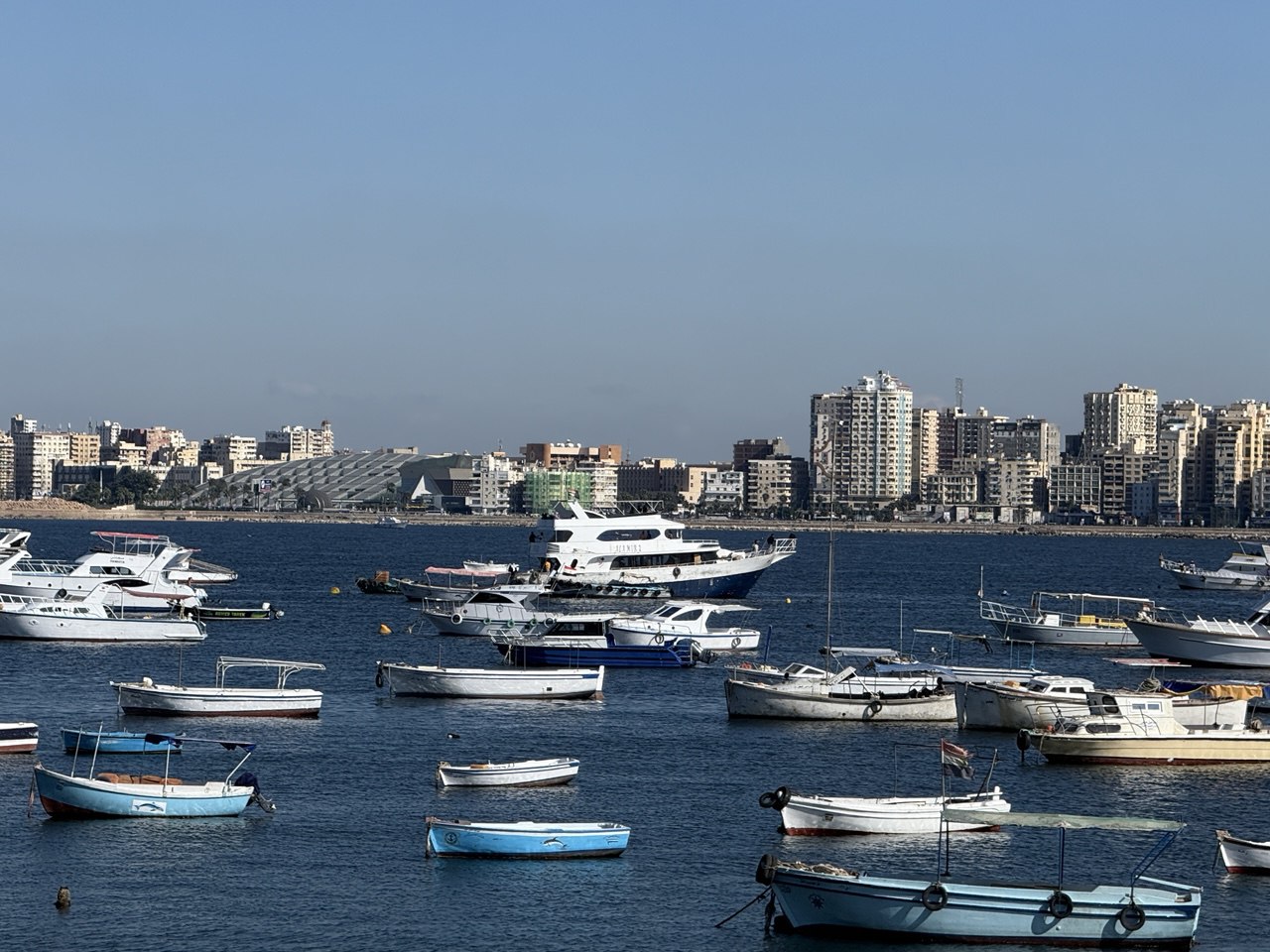
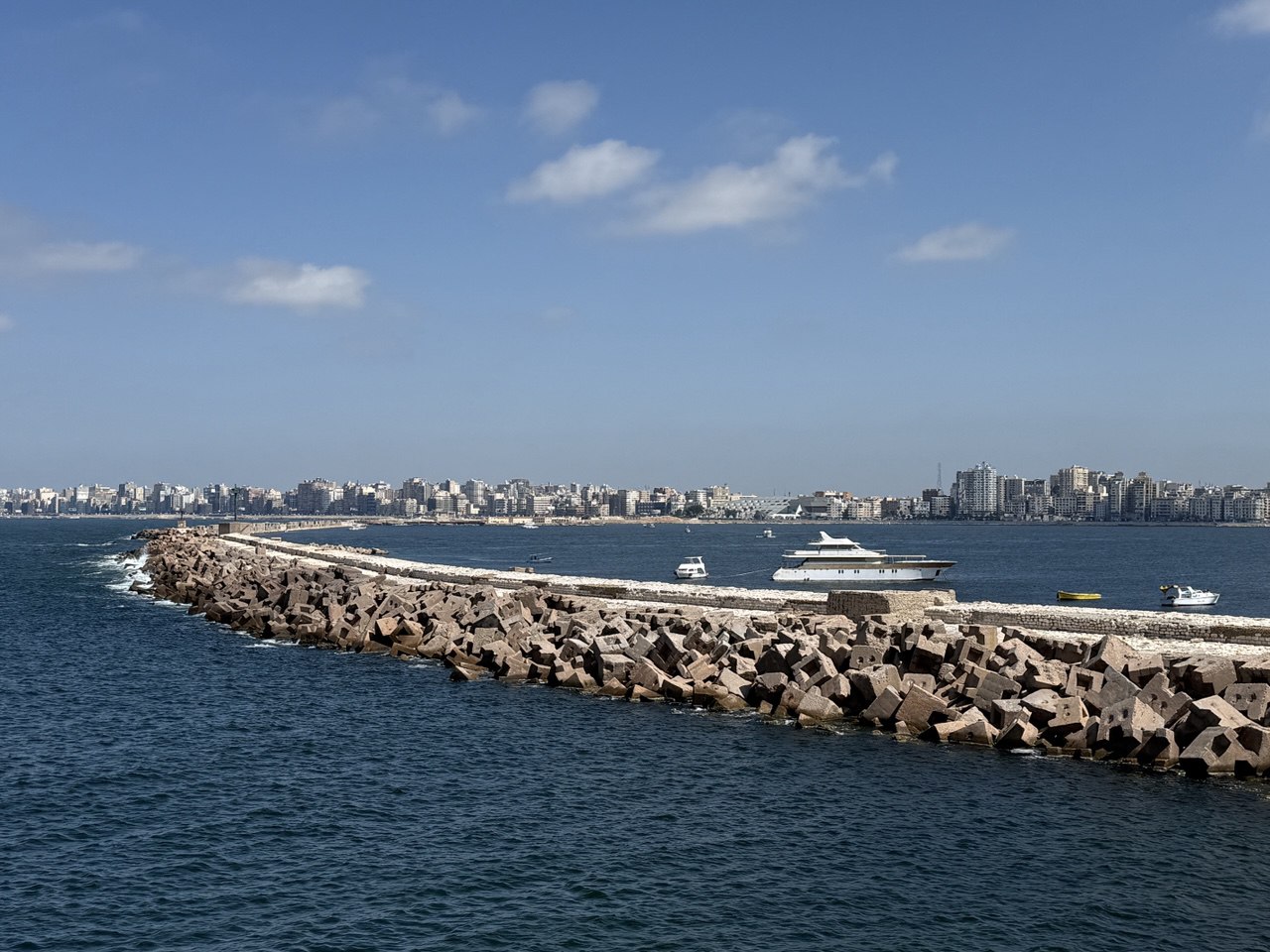
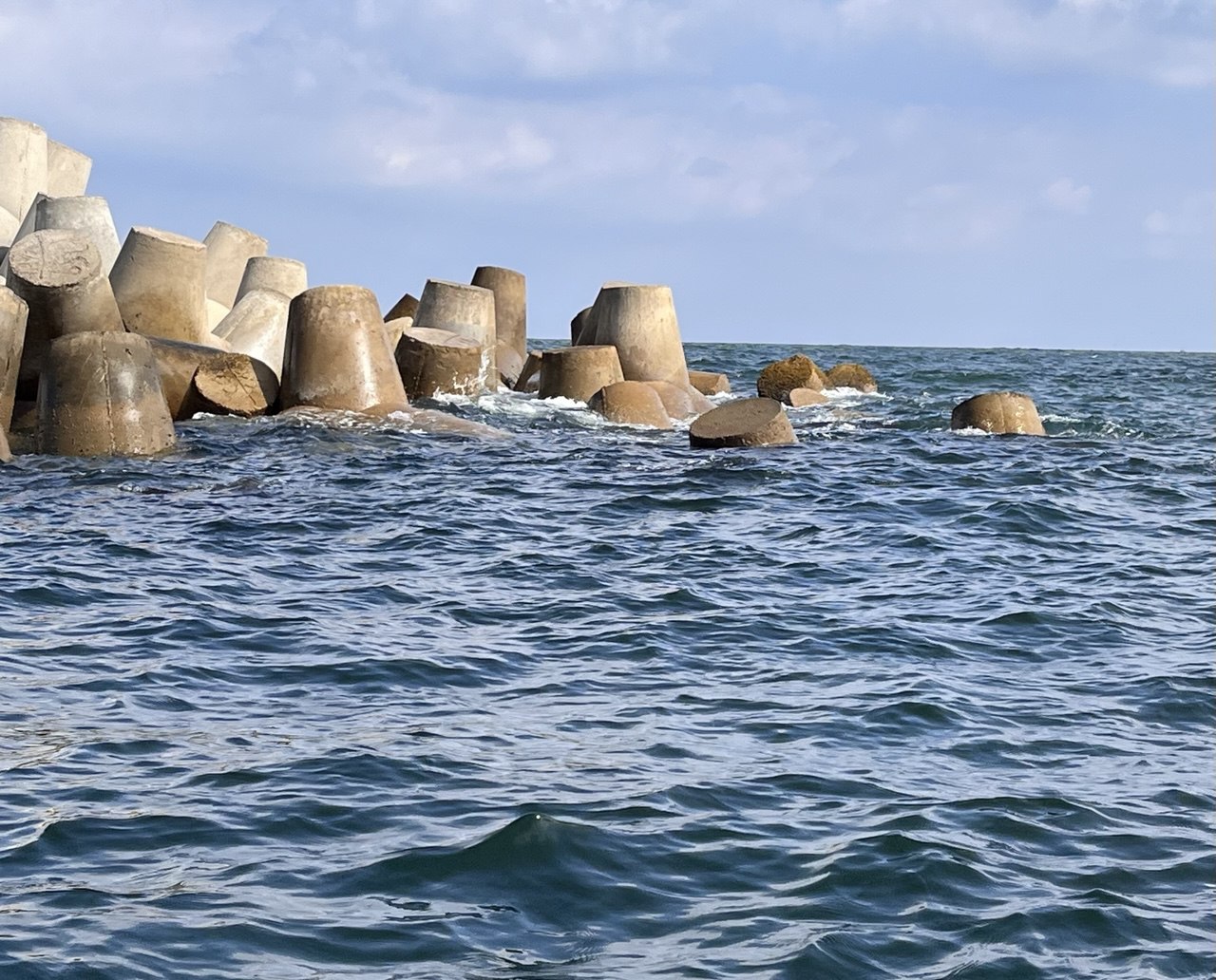
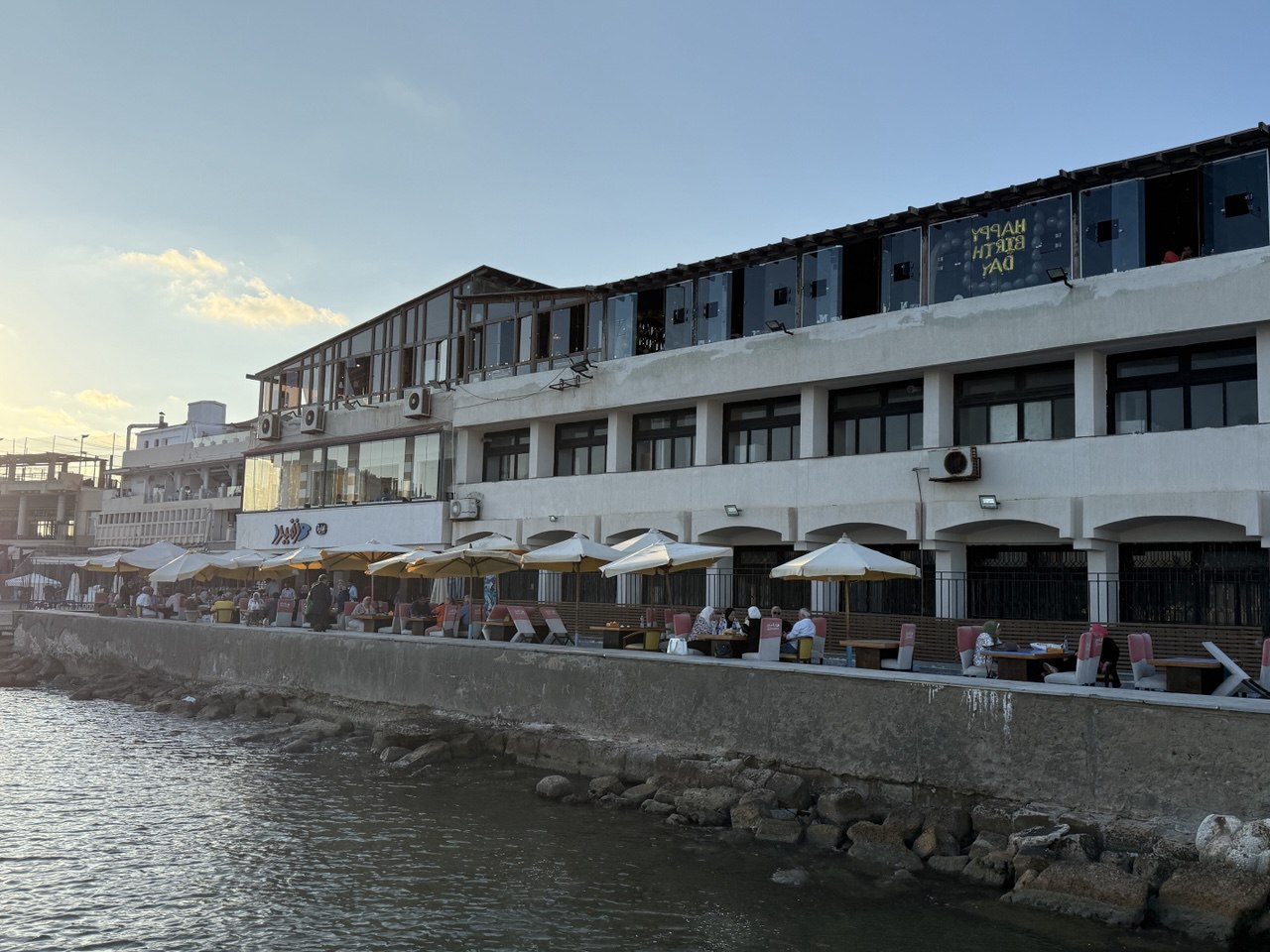
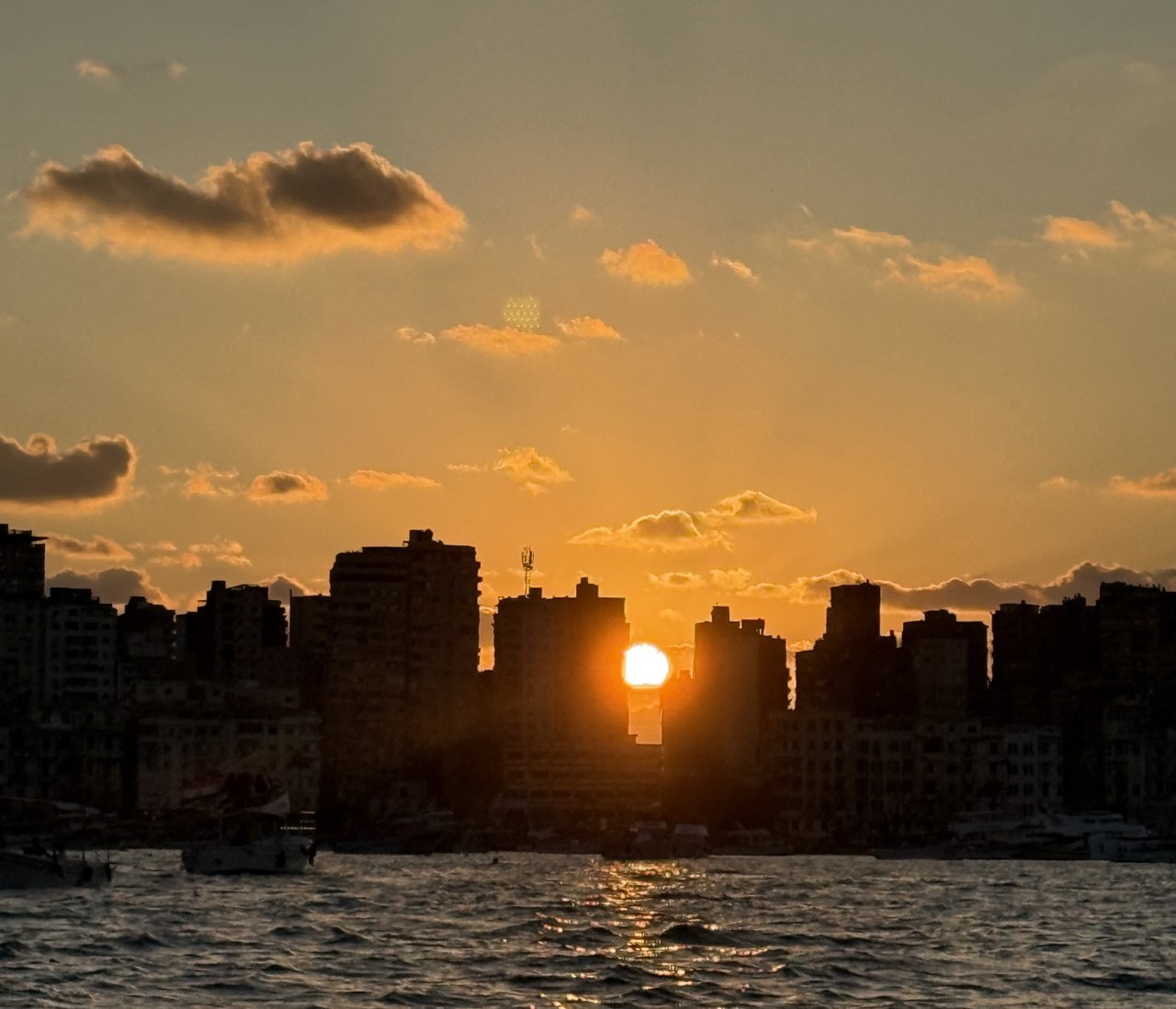
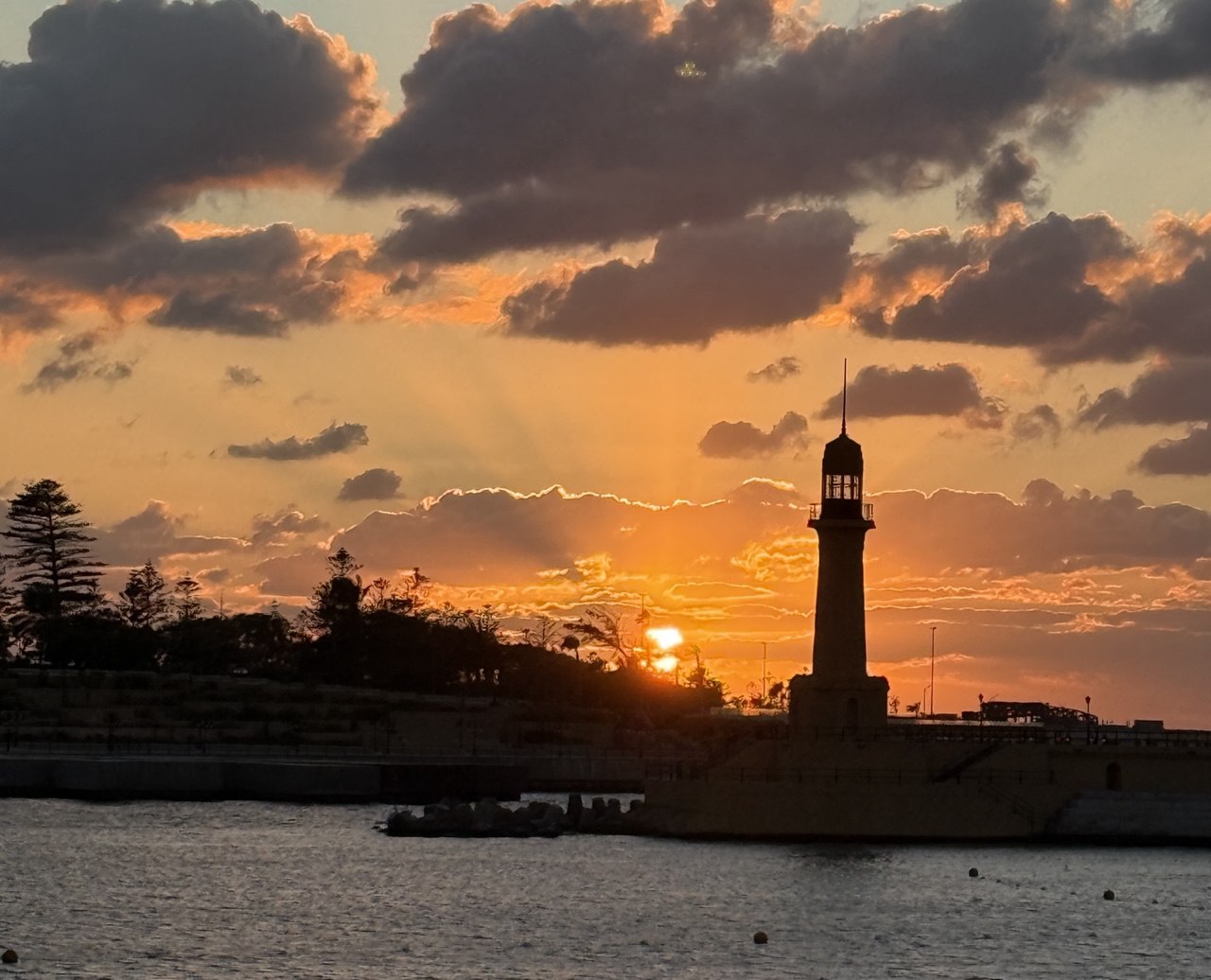
I recommend ending your day here, since the place is especially beautiful in the light of sunset, and within the citadel grounds you can have lunch at a cozy restaurant, stroll along the waterfront, or take a boat ride at sunset
- The Great Library of Alexandria
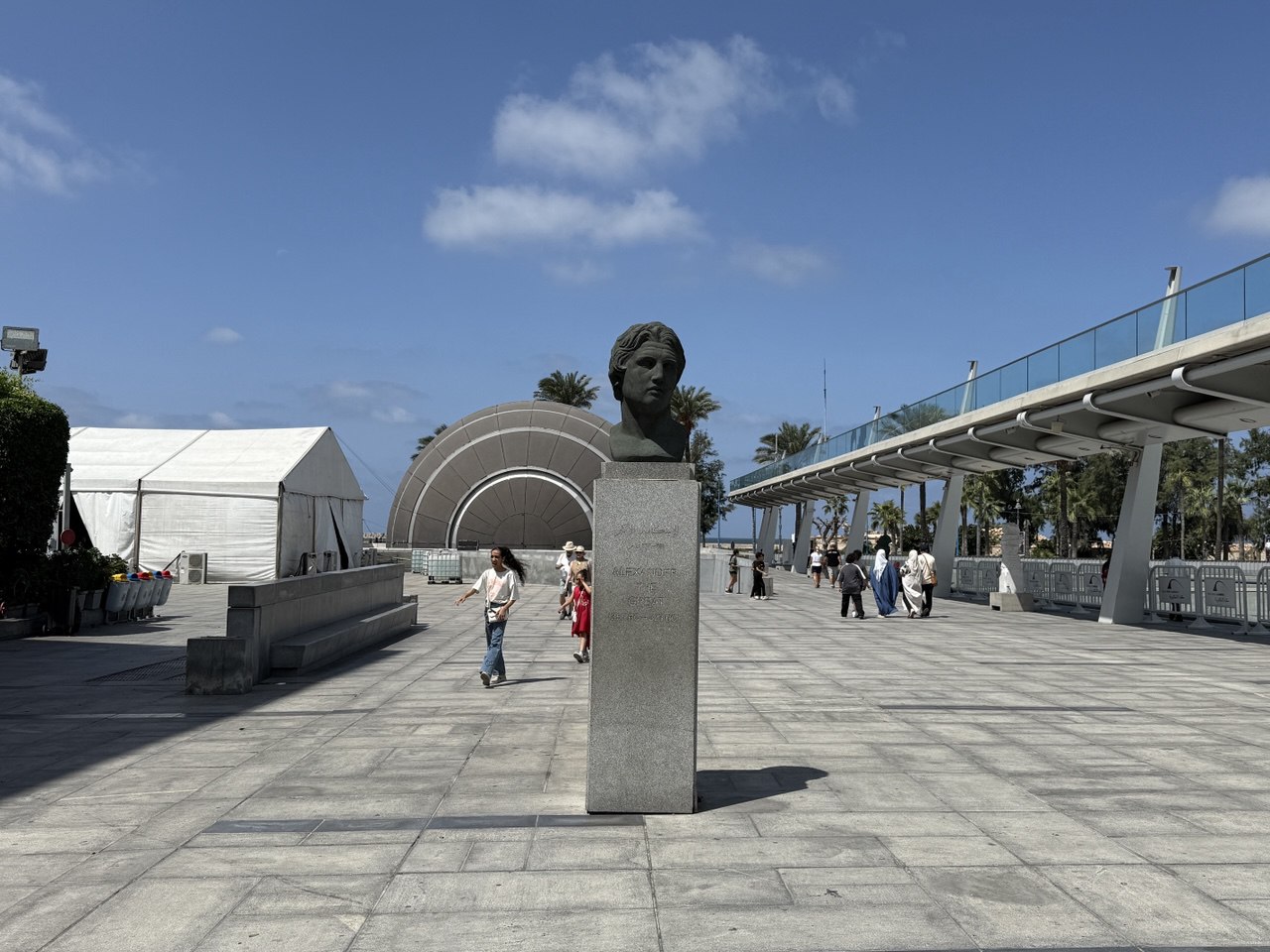
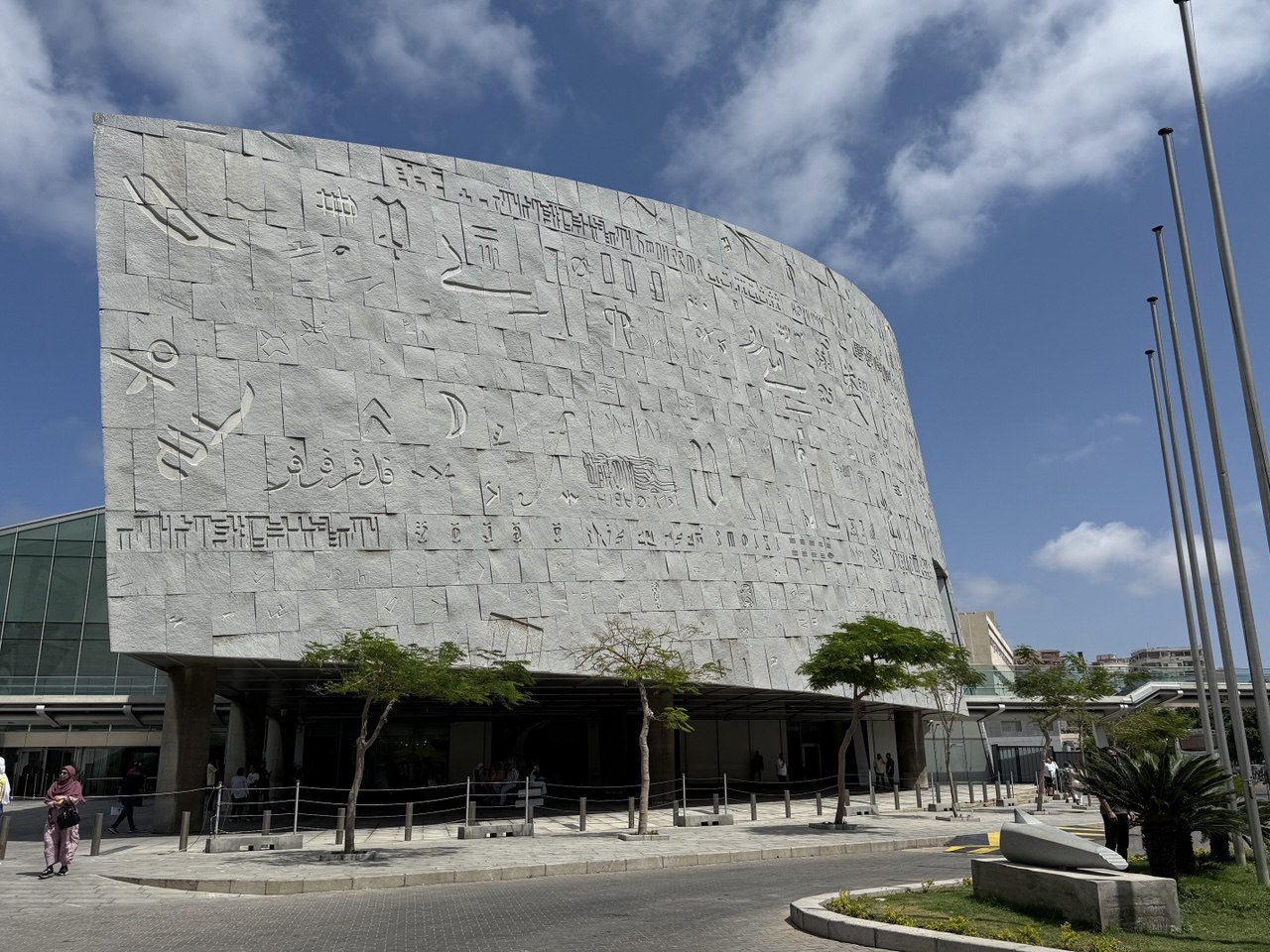
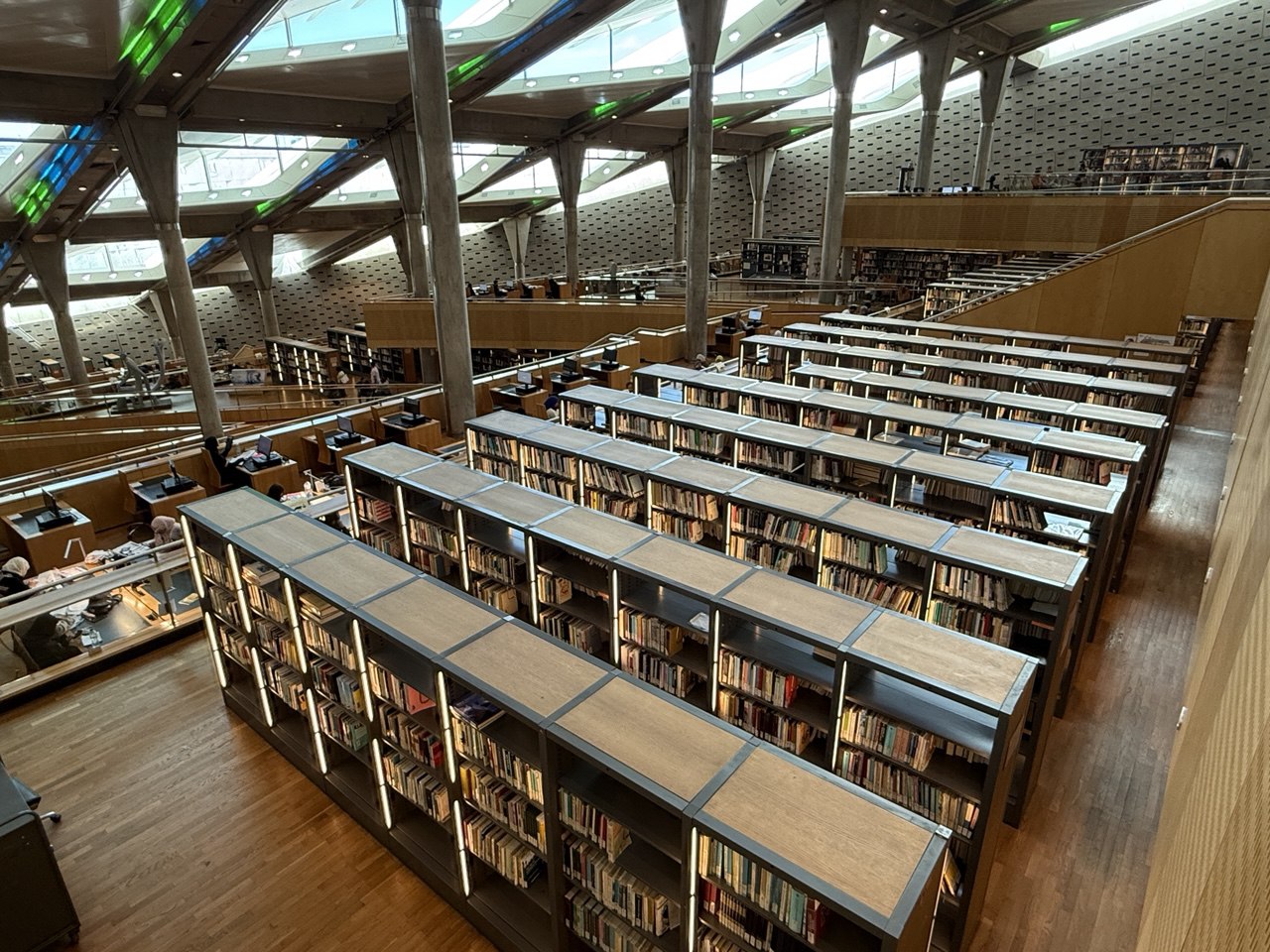
Even though the library is modern, it’s definitely worth a visit
Some guides claim this library was built on the site of the ancient one, but in fact there isn’t a single source confirming that
In the 1970s, Egyptian scholars decided to revive the library and gather the most valuable knowledge within it. The foundation stone was laid in 1988. A Norwegian firm won the international competition for the best library design.
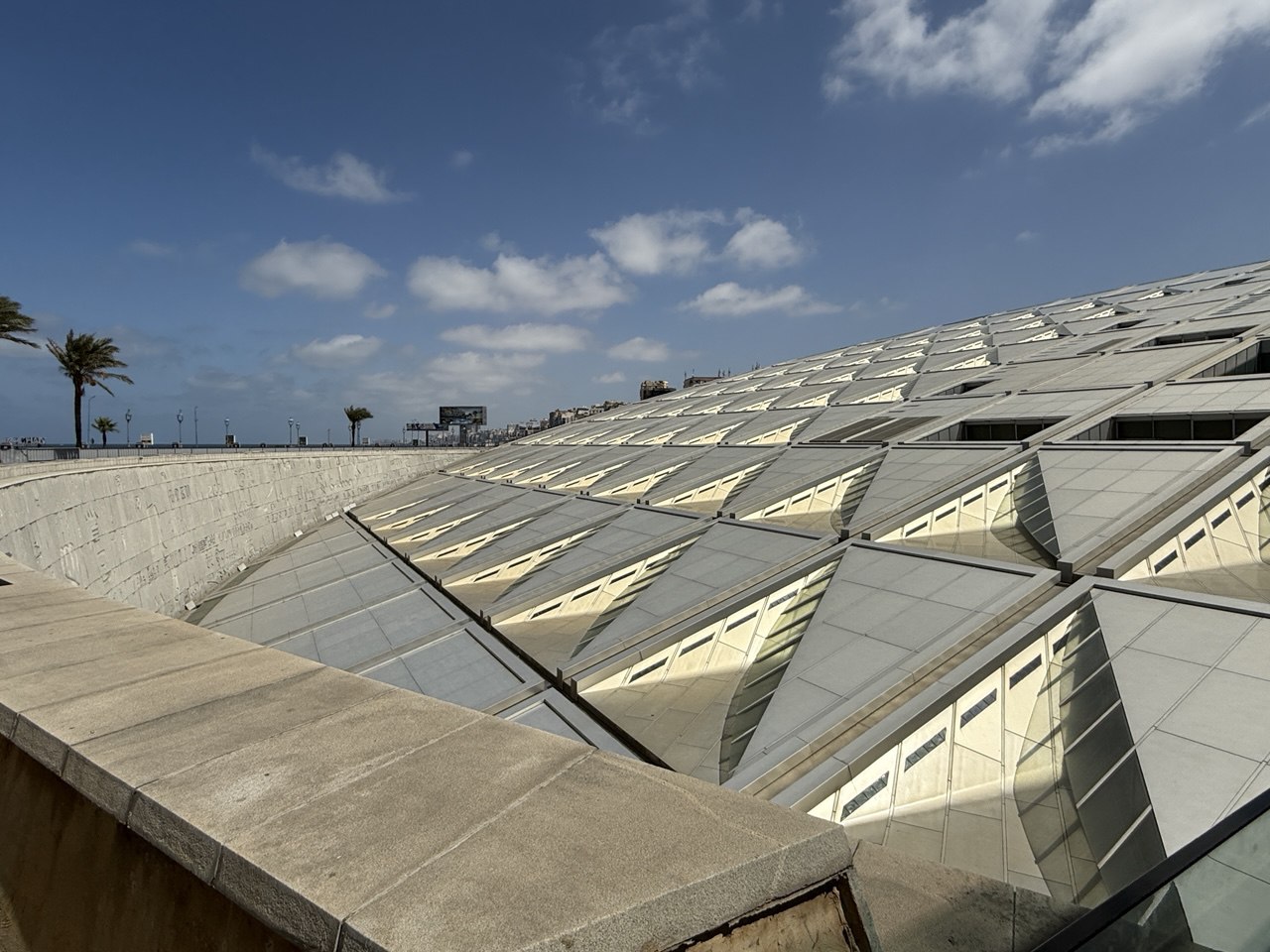
The building’s architecture, angled toward the sea, symbolizes the ancient worship of the sun god Ra. From a distance, the building gleams like a solar disc.
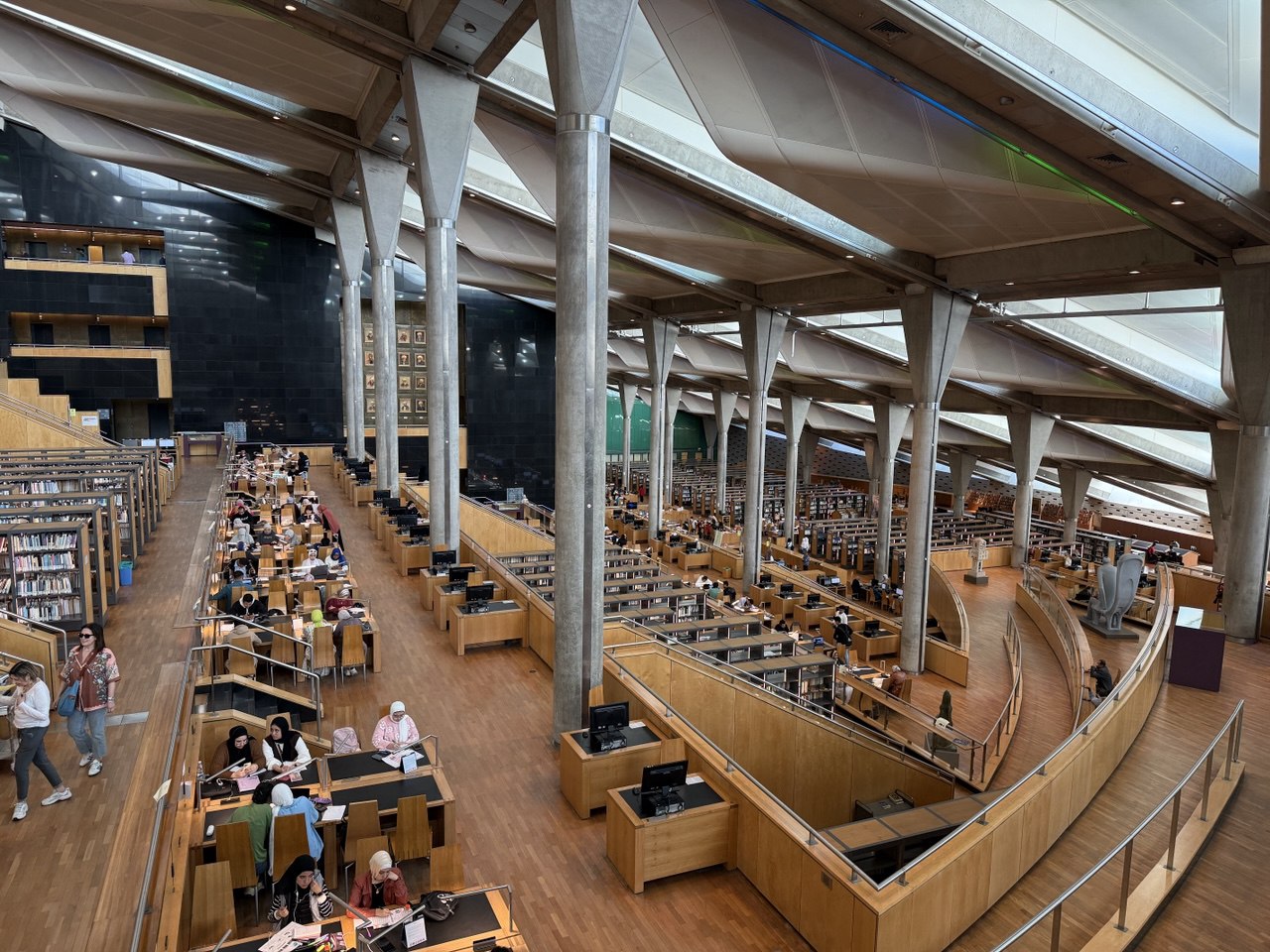
The reading room is the largest in the world - 70,000 square meters across 11 cascading levels. It holds 8 million items. There are special halls for the blind, for teenagers and children, 3 museums, 4 art galleries, a planetarium, and a manuscript restoration laboratory. The book stacks are located underground.
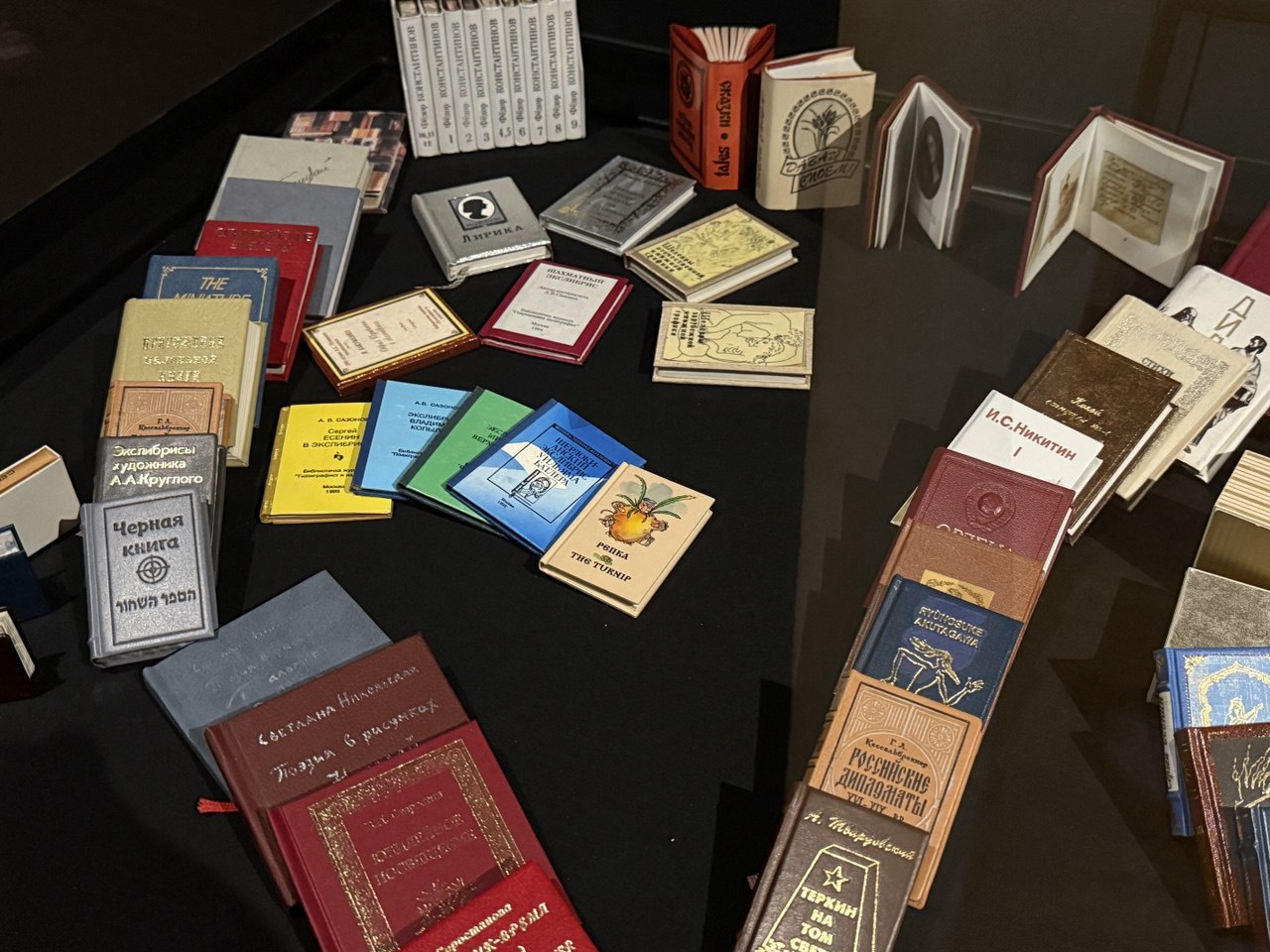
Collections of works were donated to the library from all over the world.
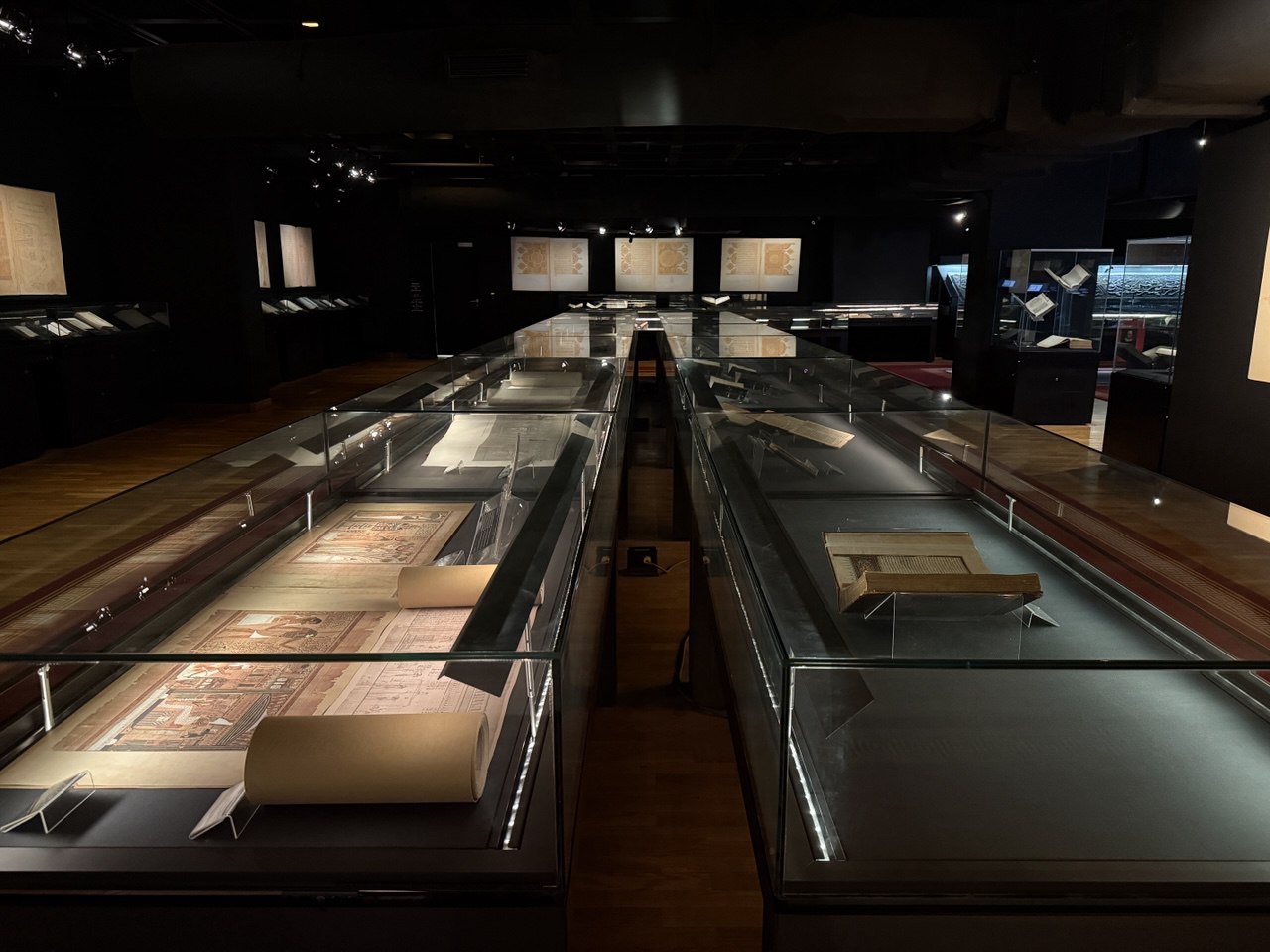
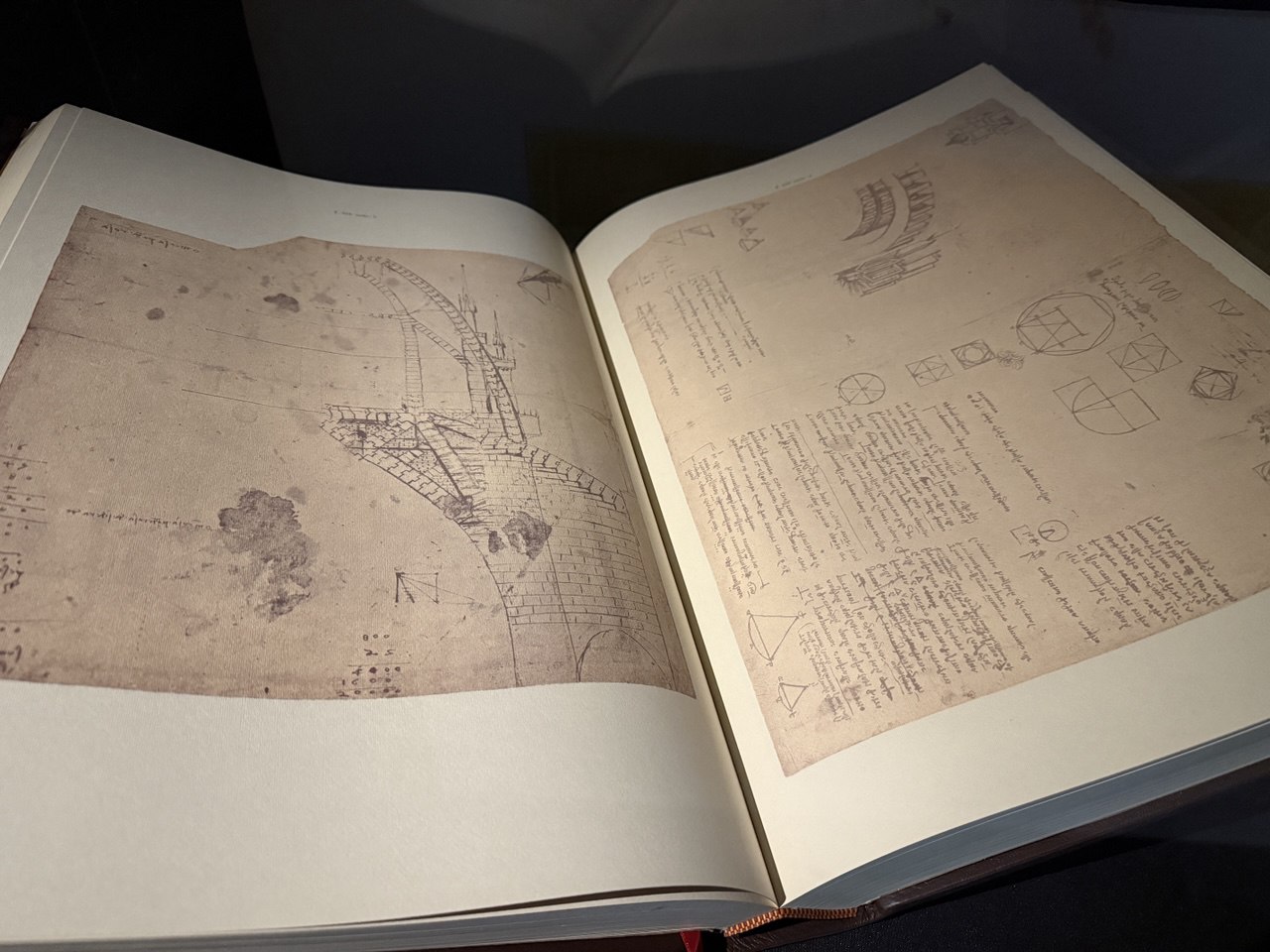
The library houses several museums, and my favorite is the Museum of the Book. Its exhibits trace the journey of the book from ancient papyri and medieval manuscripts to the first printed editions and modern collections
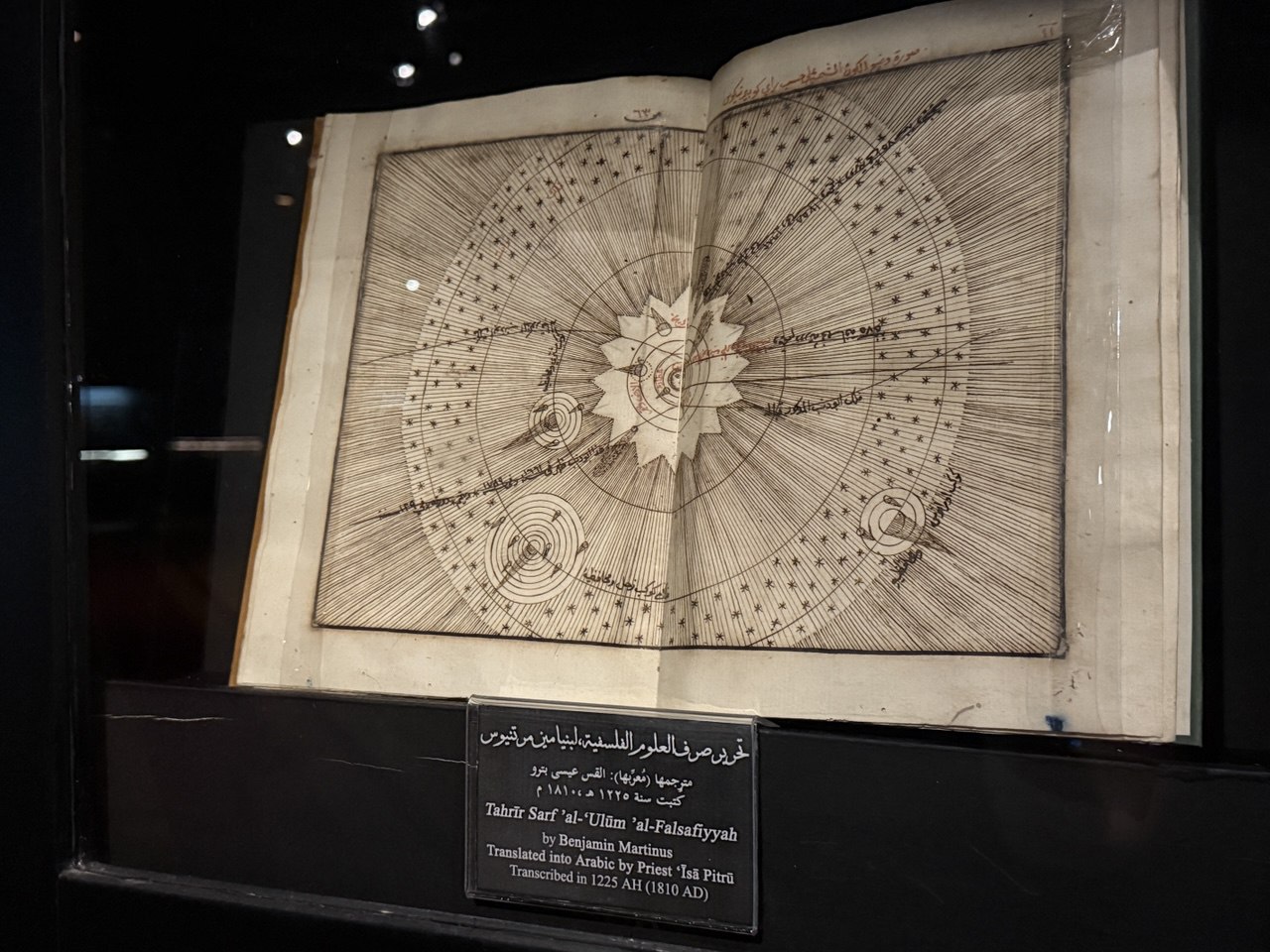
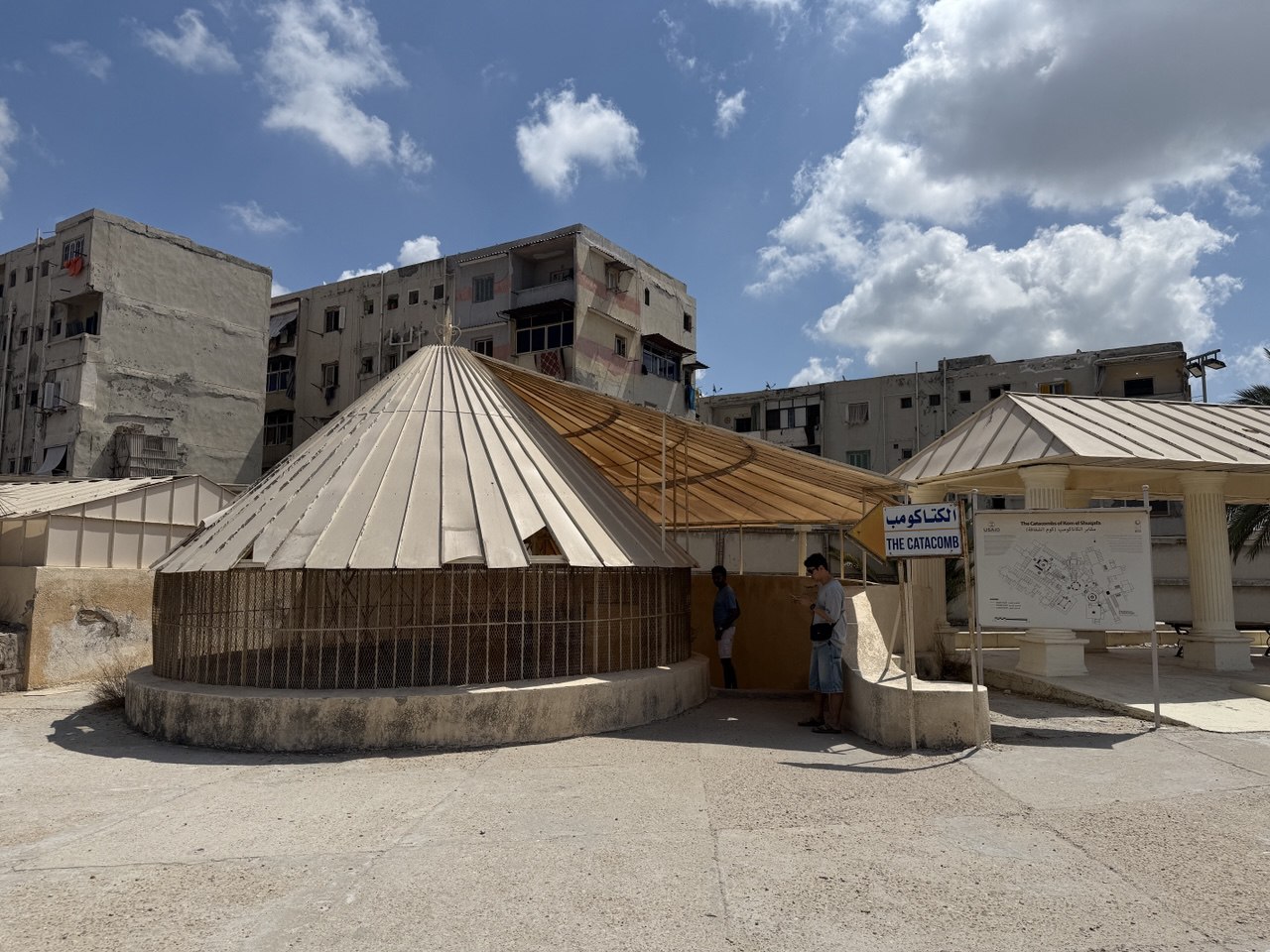
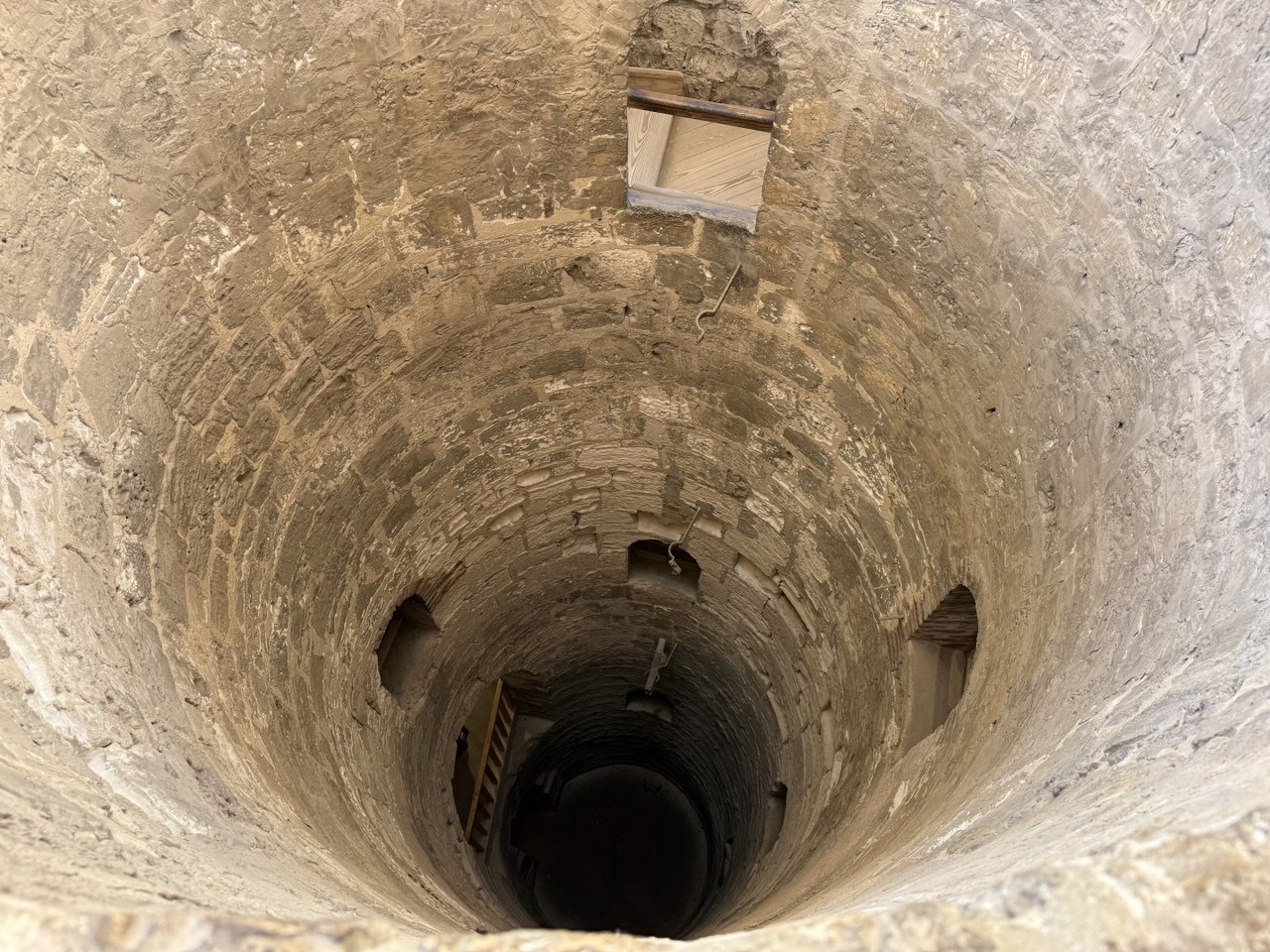
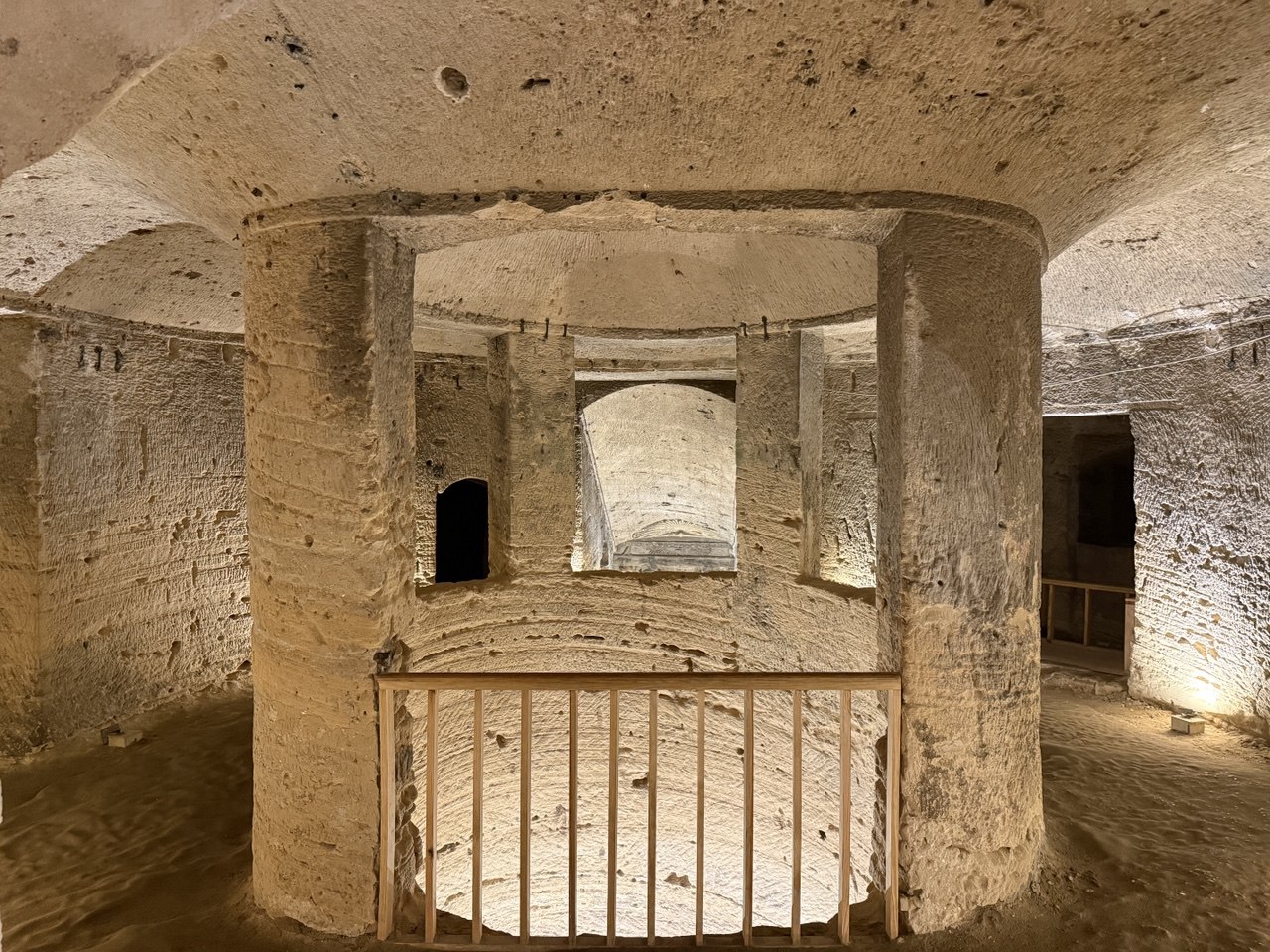
- The Catacombs of Kom El Shoqafa
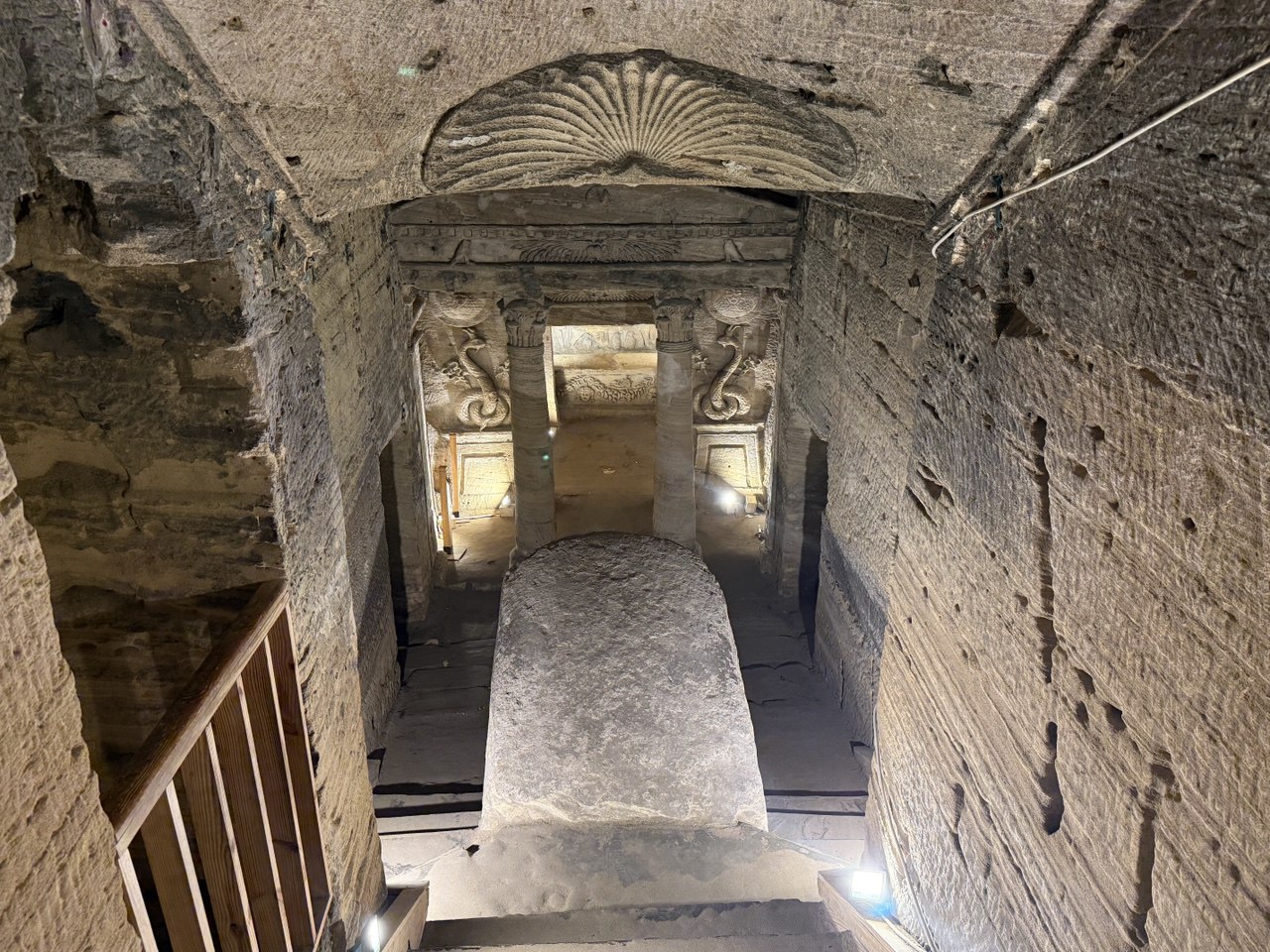
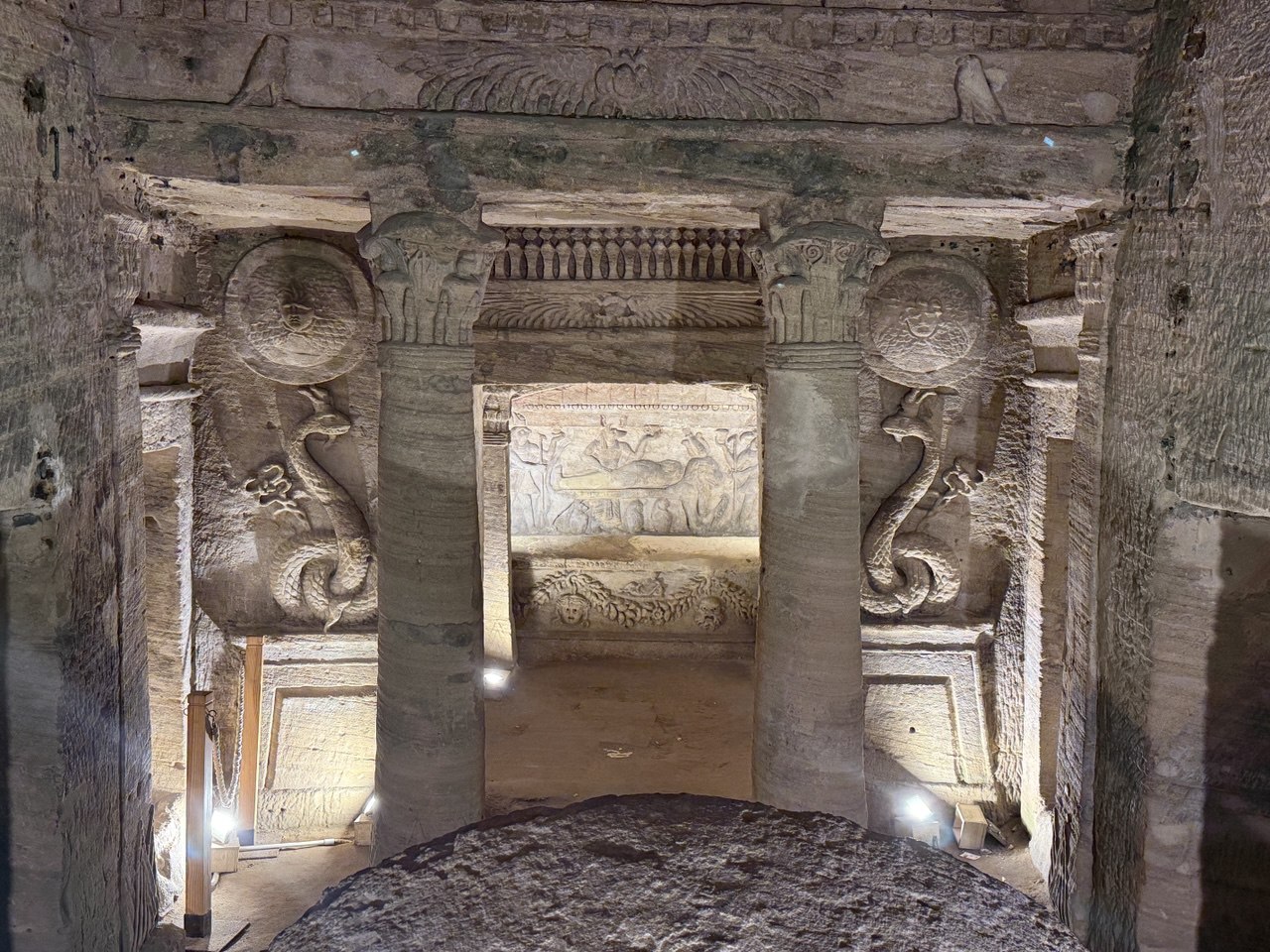
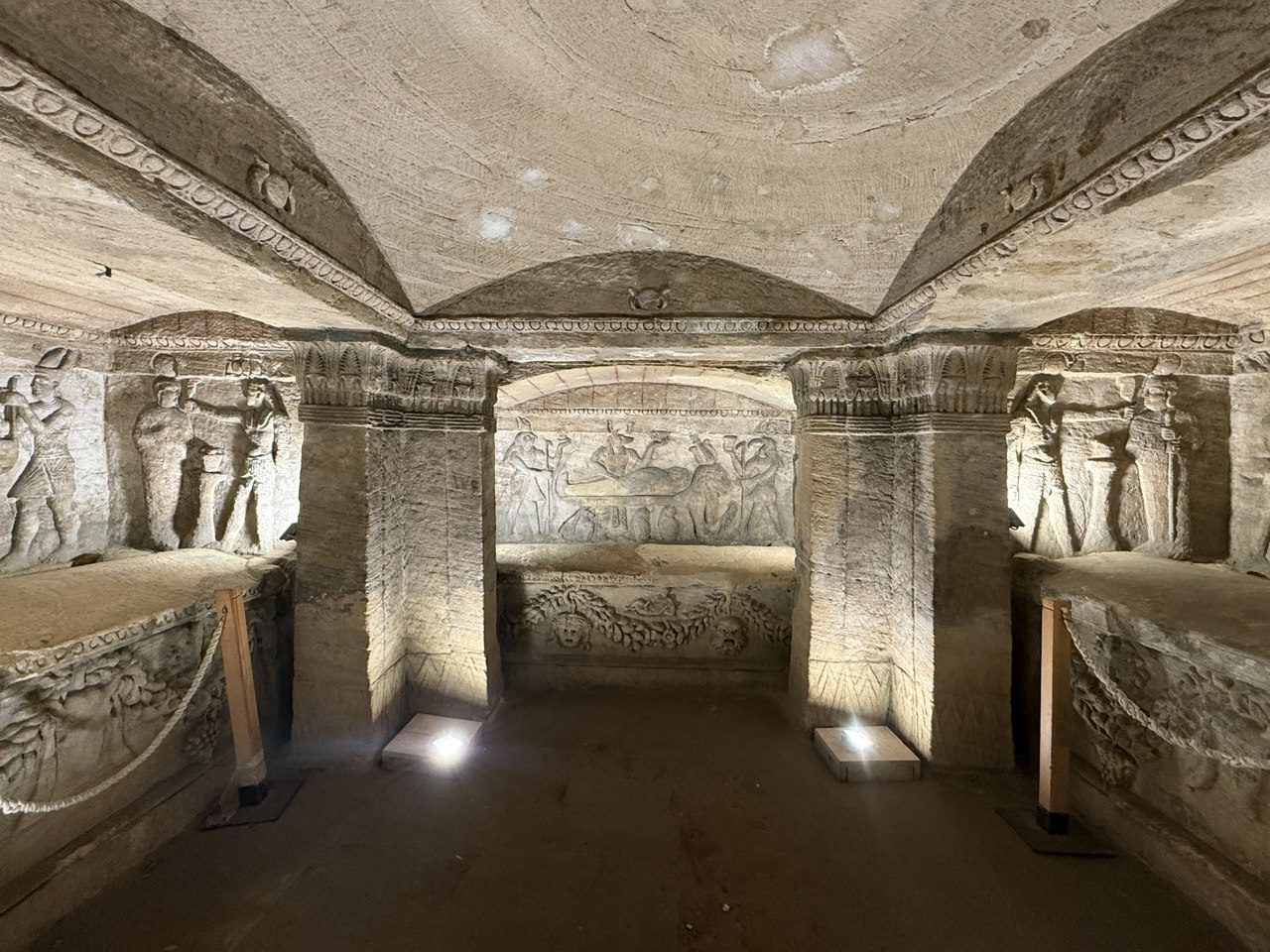
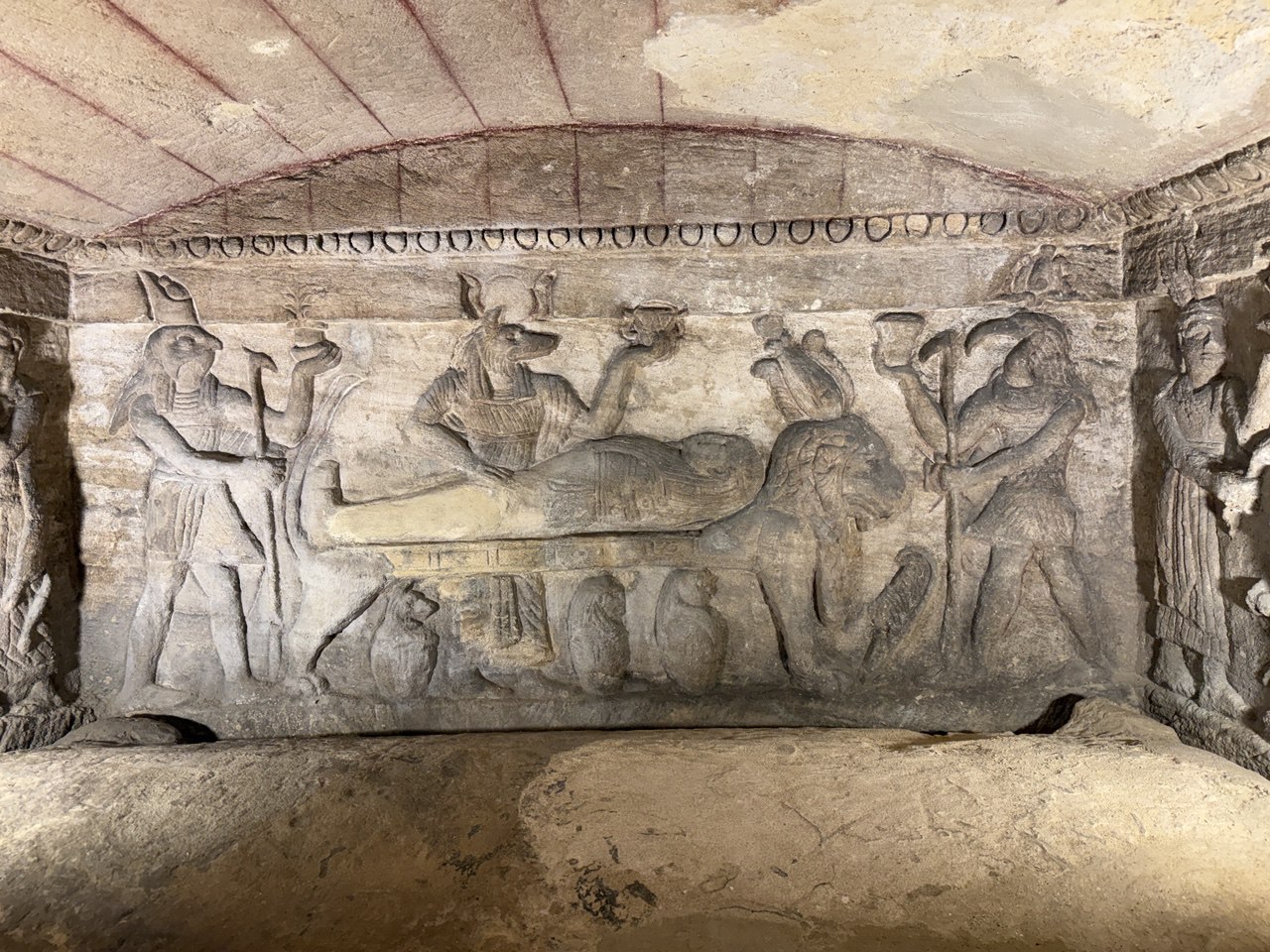
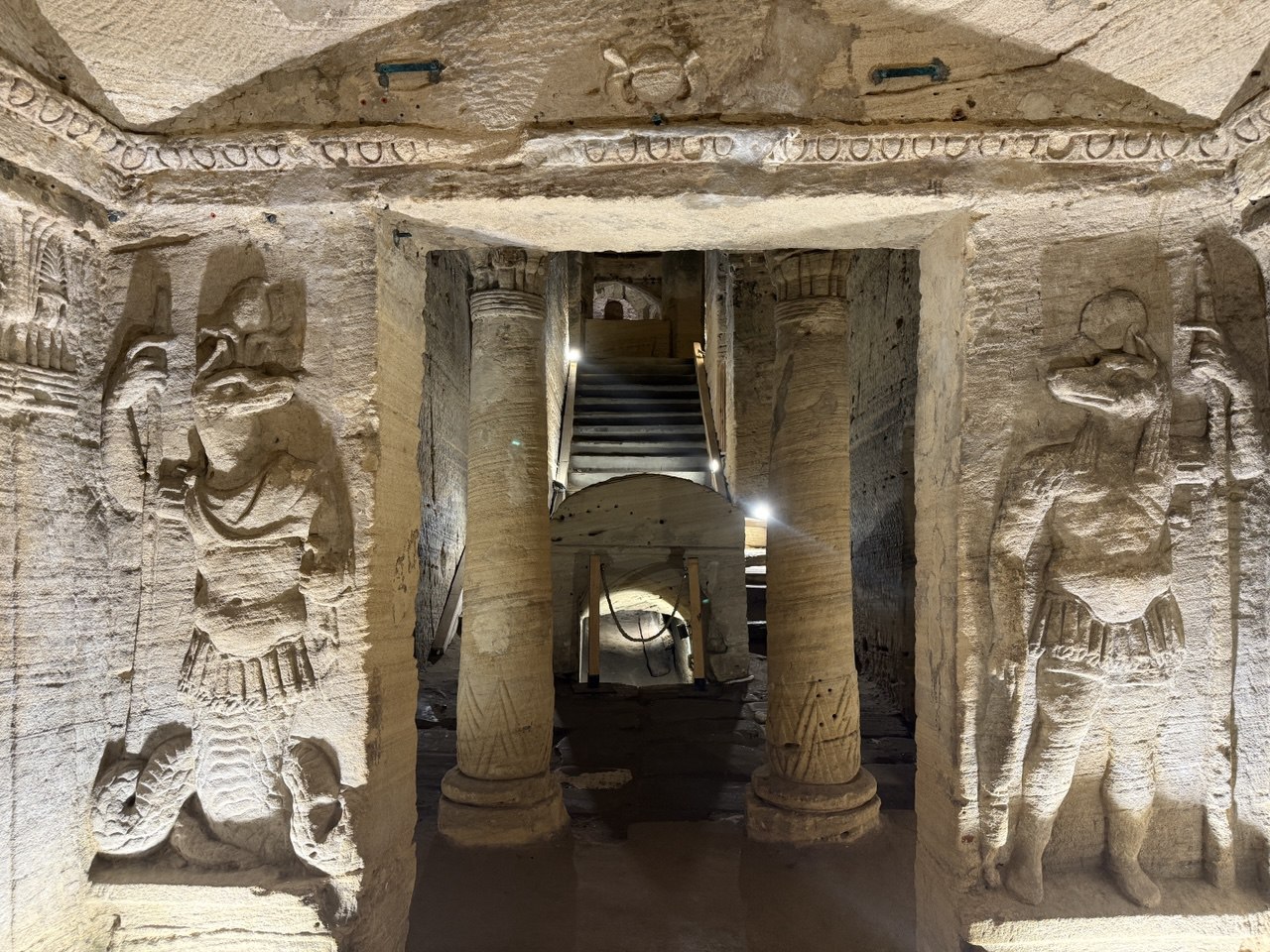
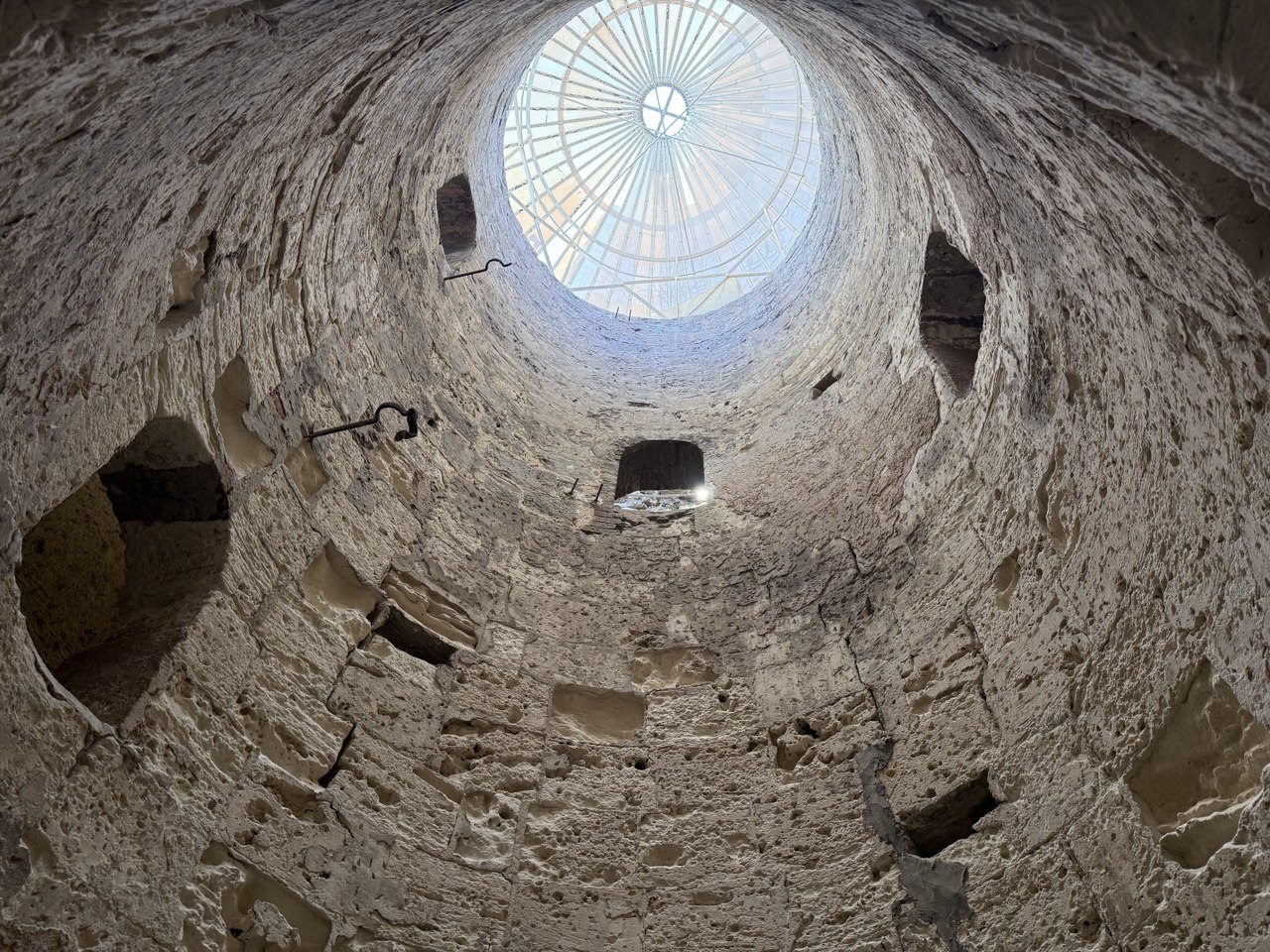
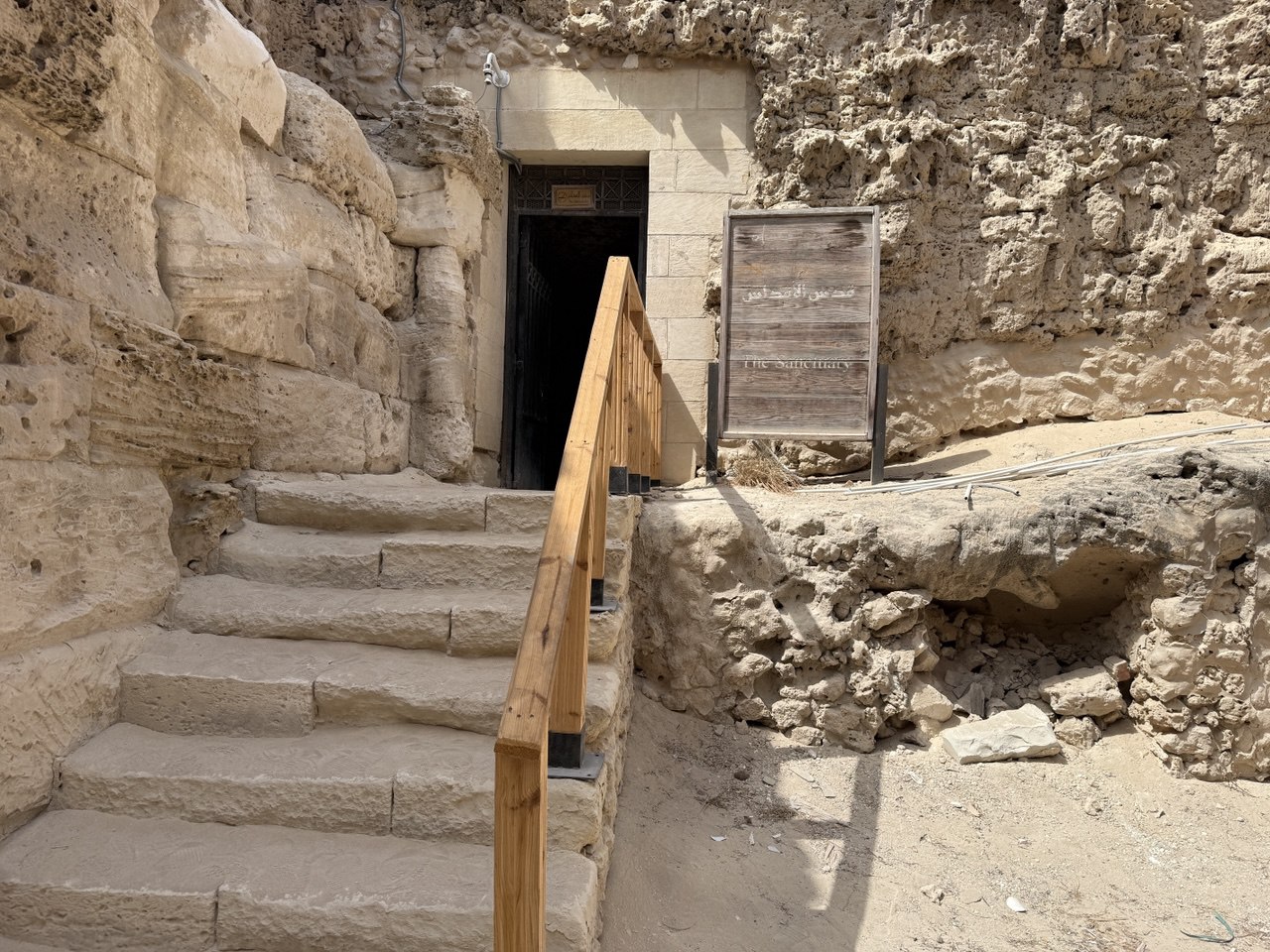
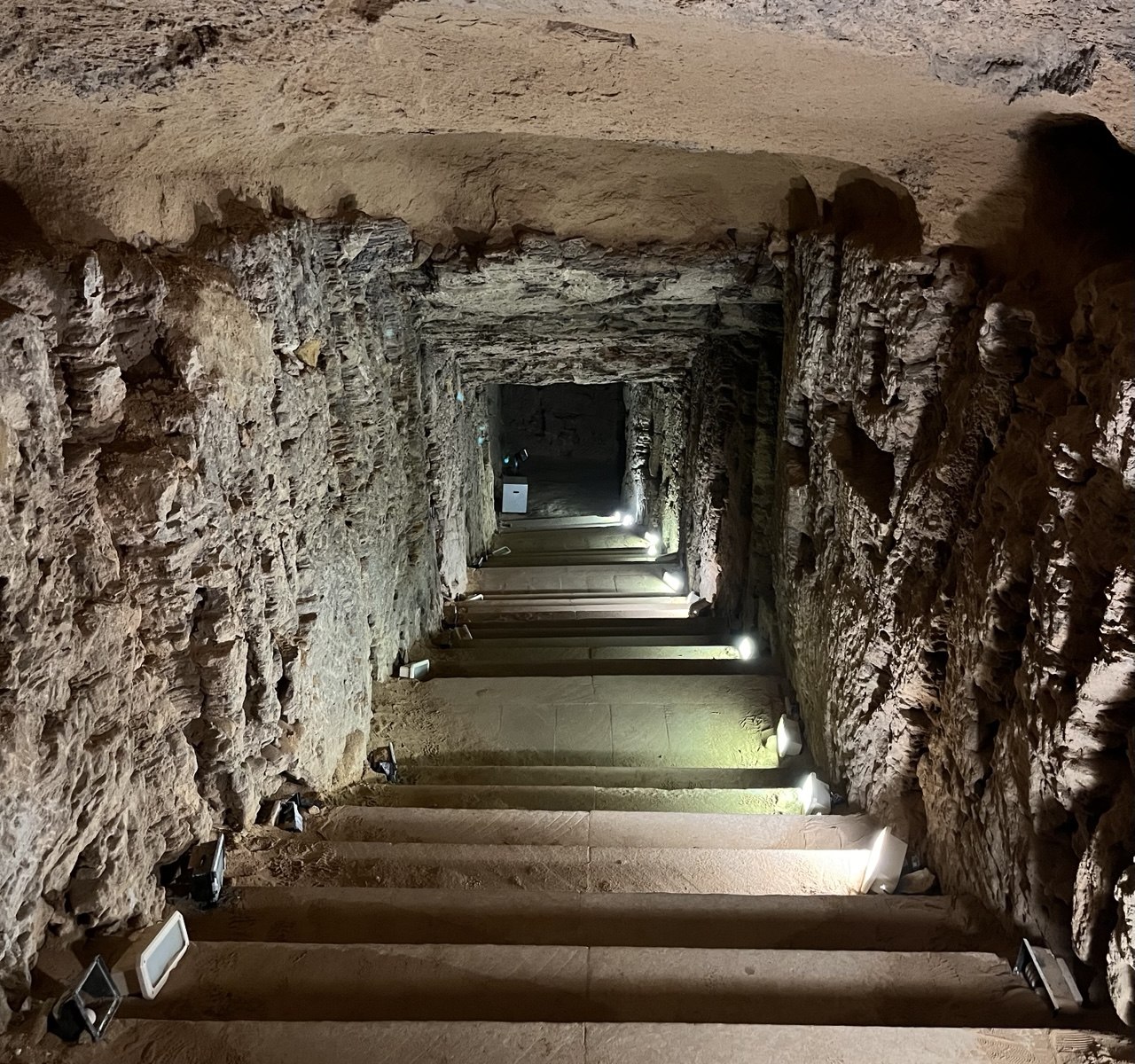
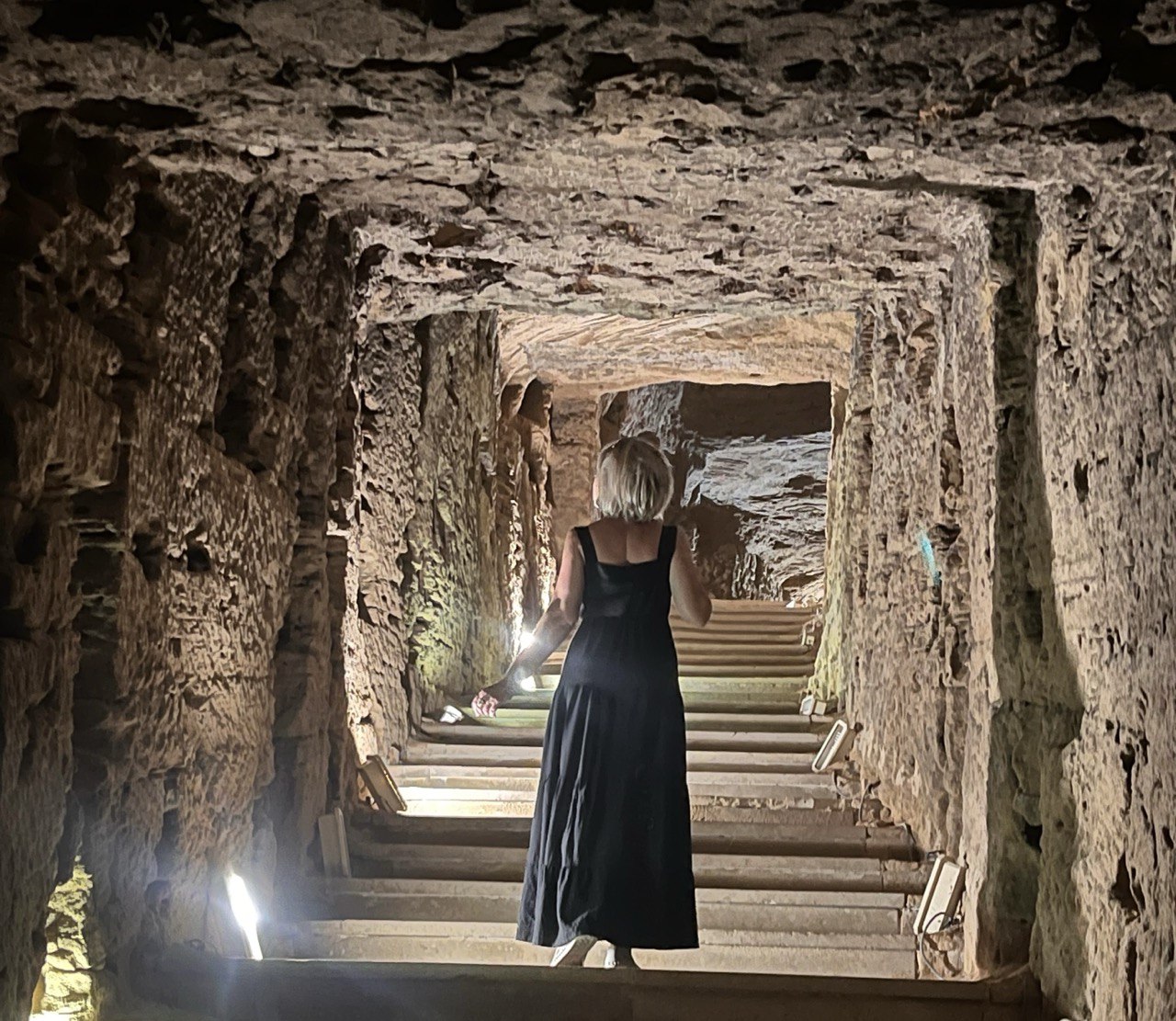
One of the most unusual places in Alexandria. A mysterious necropolis that spirals down into the earth. Three eras - Egyptian, Greek, and Roman - are remarkably intertwined here. The complex was discovered by accident in the early 20th century
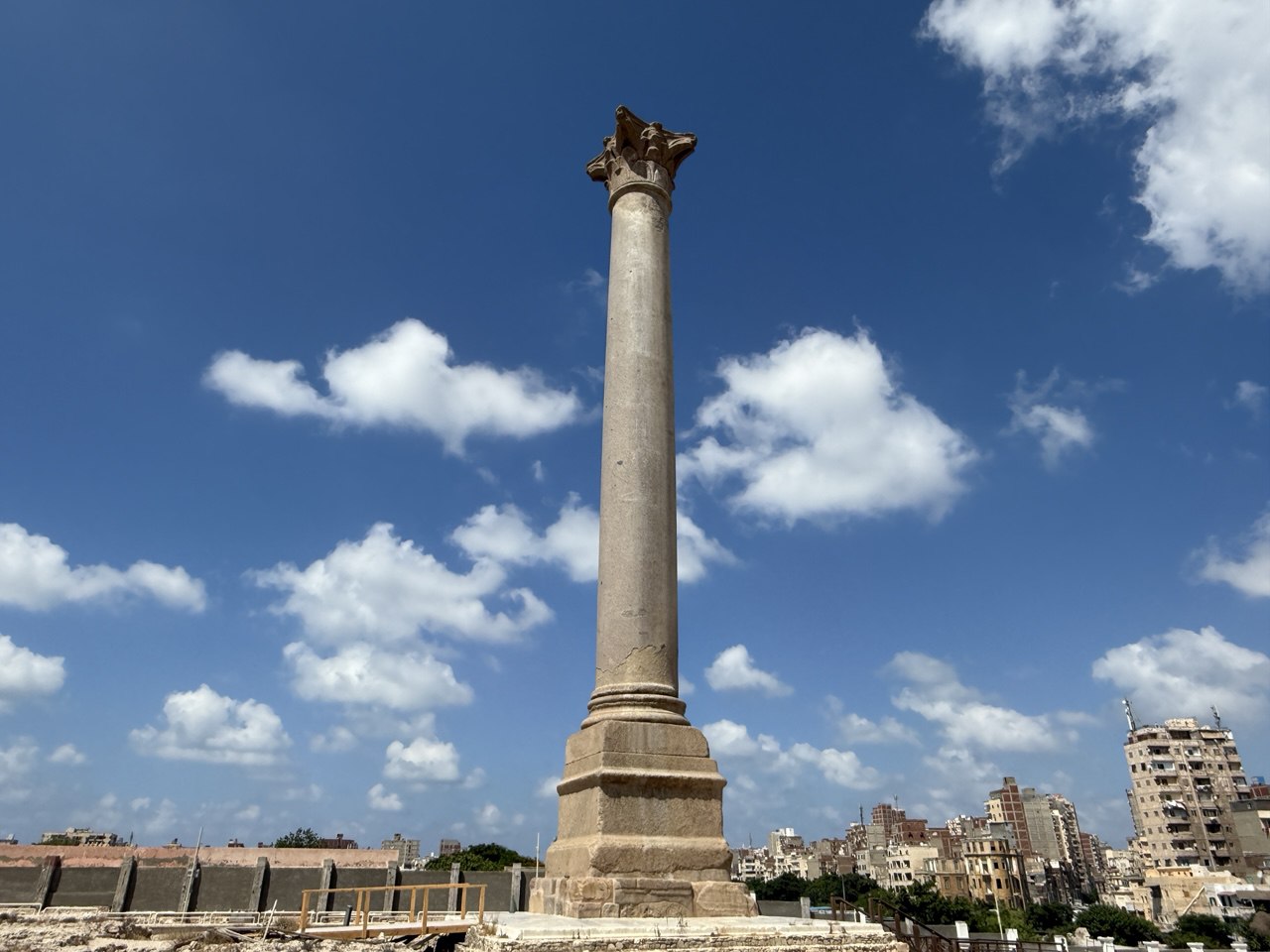
- The Serapeum and Pompey’s Pillar
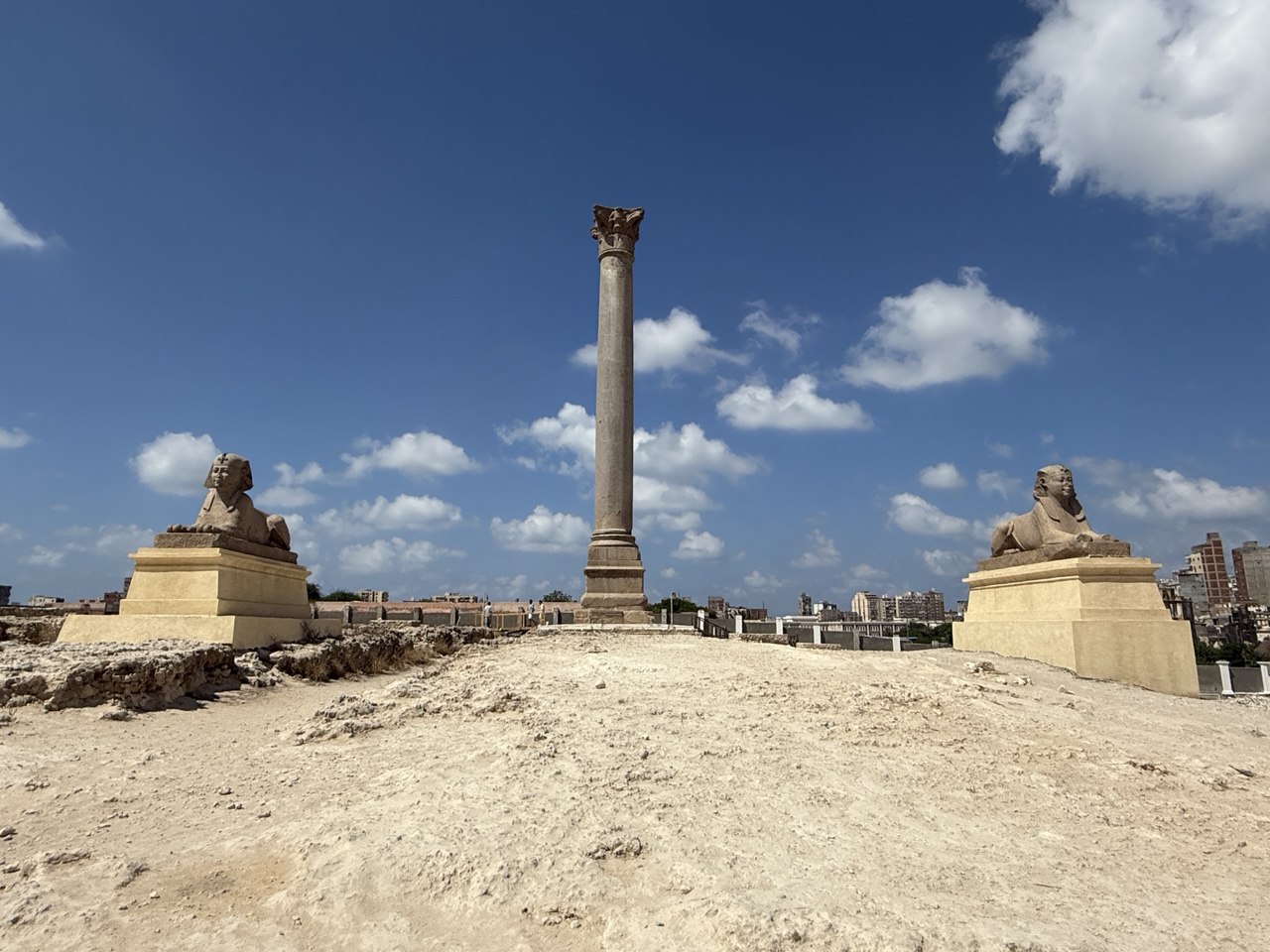
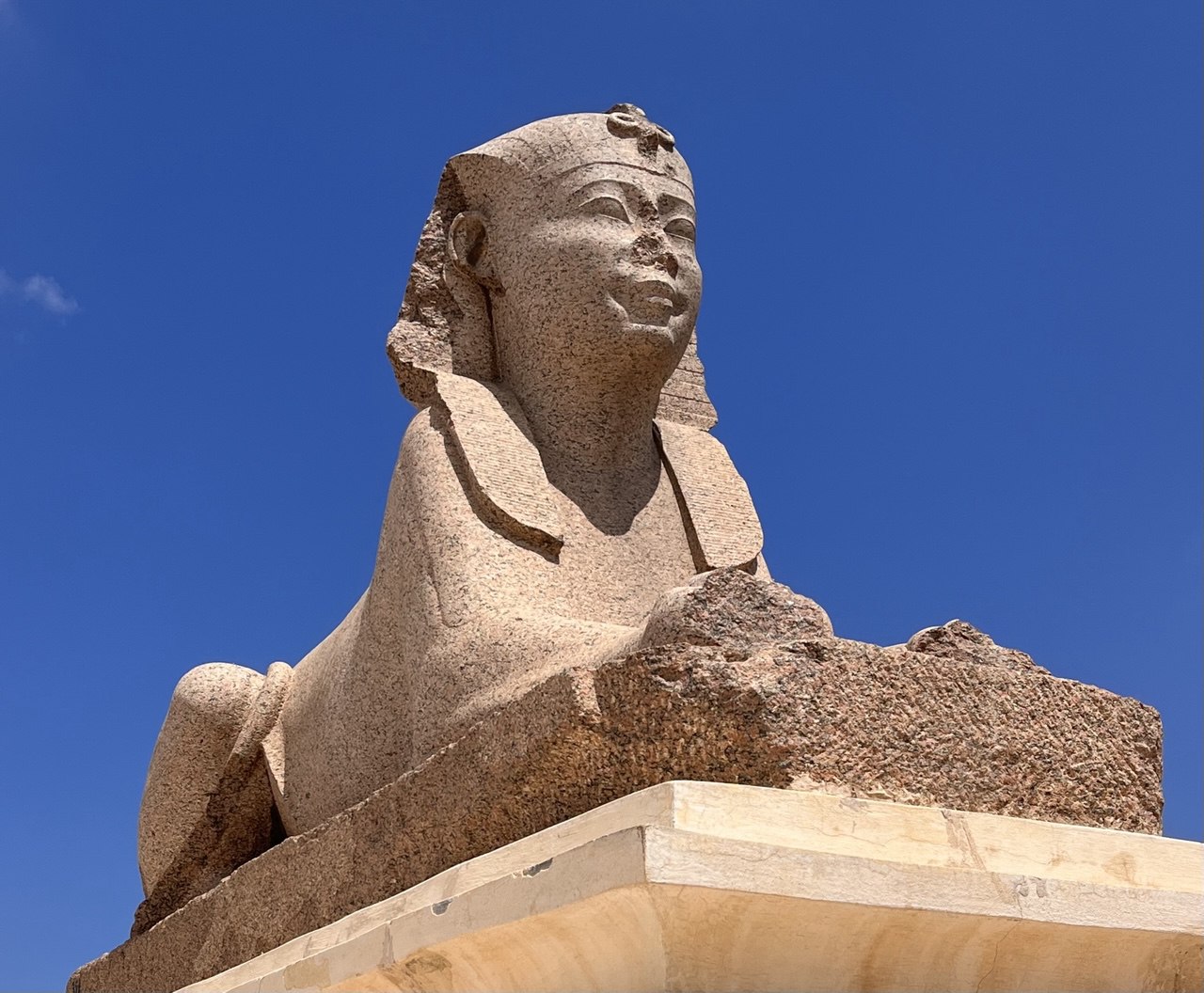
A place of power and silence. Although the pillar actually has nothing to do with Pompey, it rises majestically over the city. And the Serapeum holds a special energy - some of the deepest insights often come to people here.
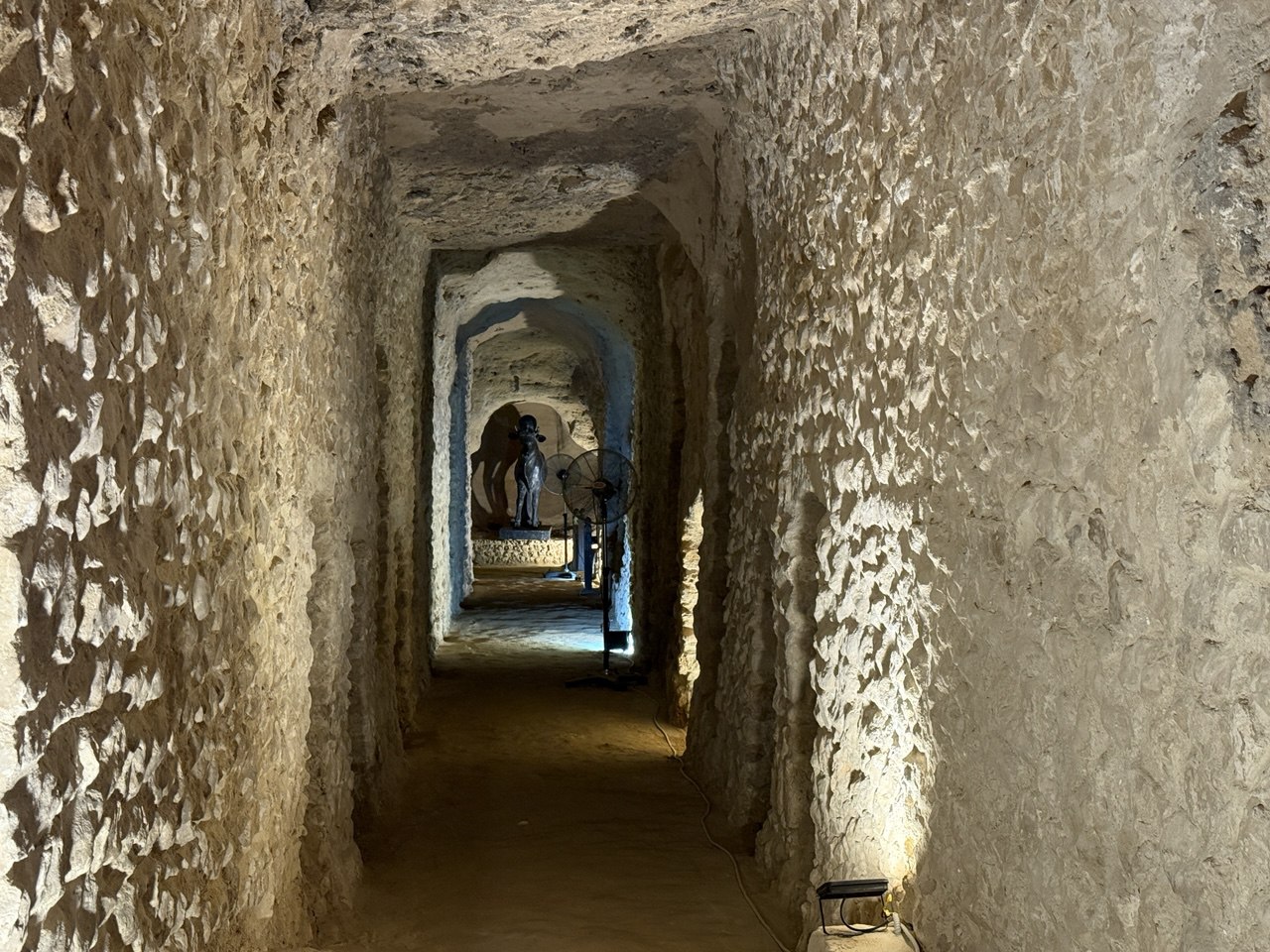
In 47 BC, when Julius Caesar’s troops besieged Alexandria, a fire broke out in the city. It destroyed a significant part of the library. The surviving manuscripts were moved to the catacombs of the Serapeum. But in 391 AD, Christian zealots destroyed it and burned the manuscripts, believing them to be carriers of paganism.
The remaining part of the library was destroyed during the Caliphate, because it was believed that all necessary knowledge was contained in the Quran, and anything not in the Quran was heresy
- The Greco-Roman Amphitheater
The most remarkable discovery in Alexandria wasn’t made by archaeologists, but by construction workers.
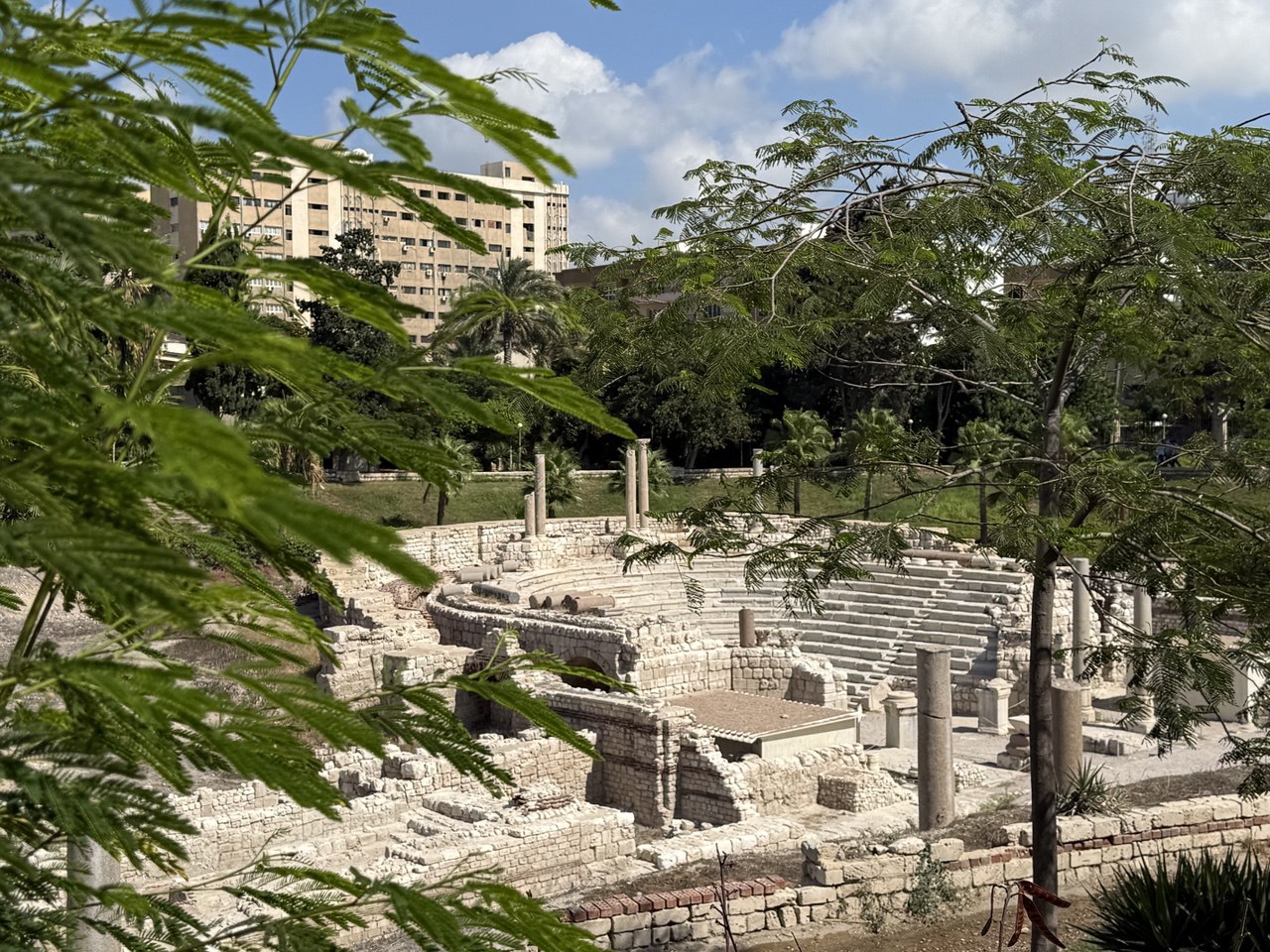
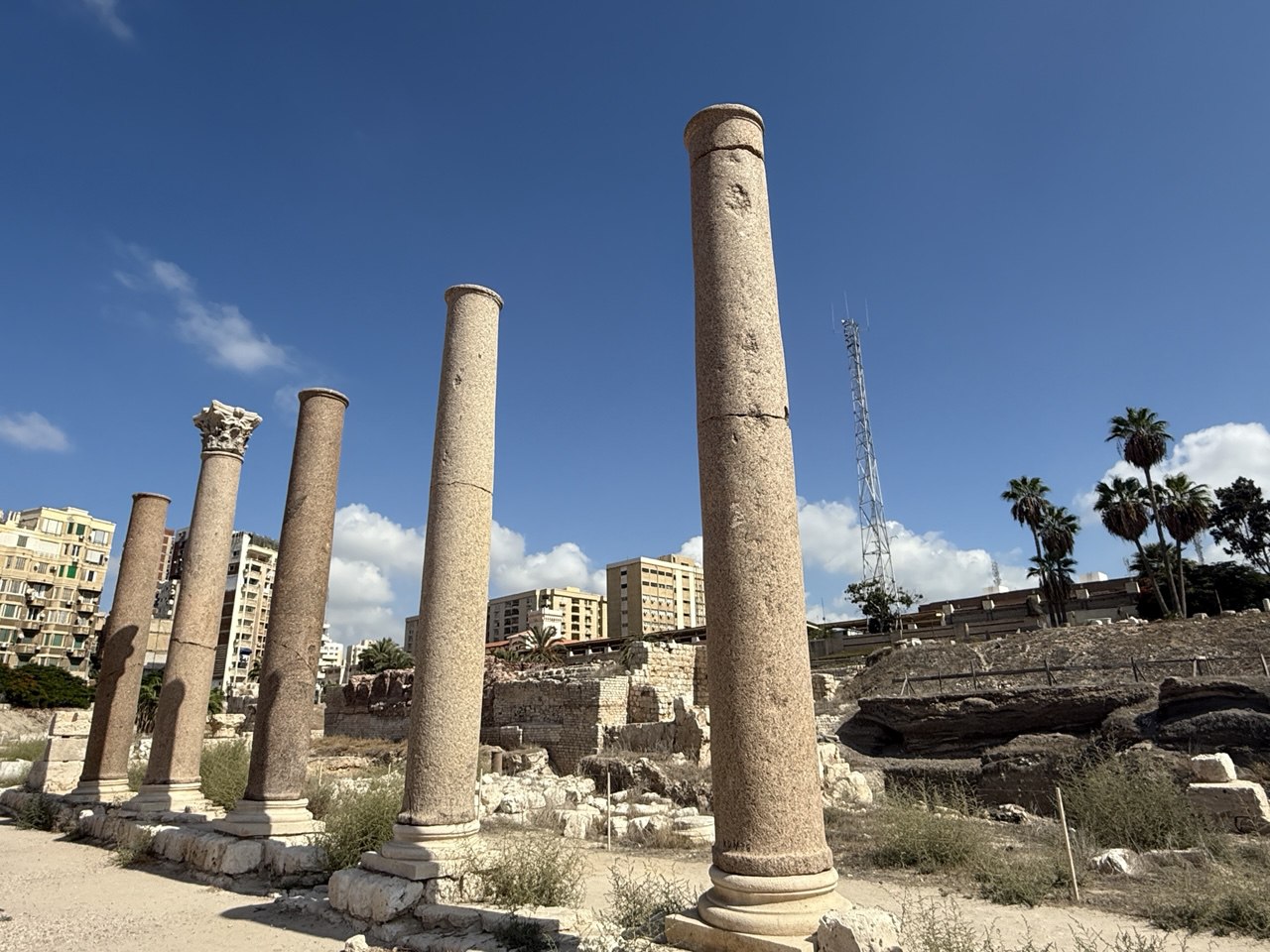
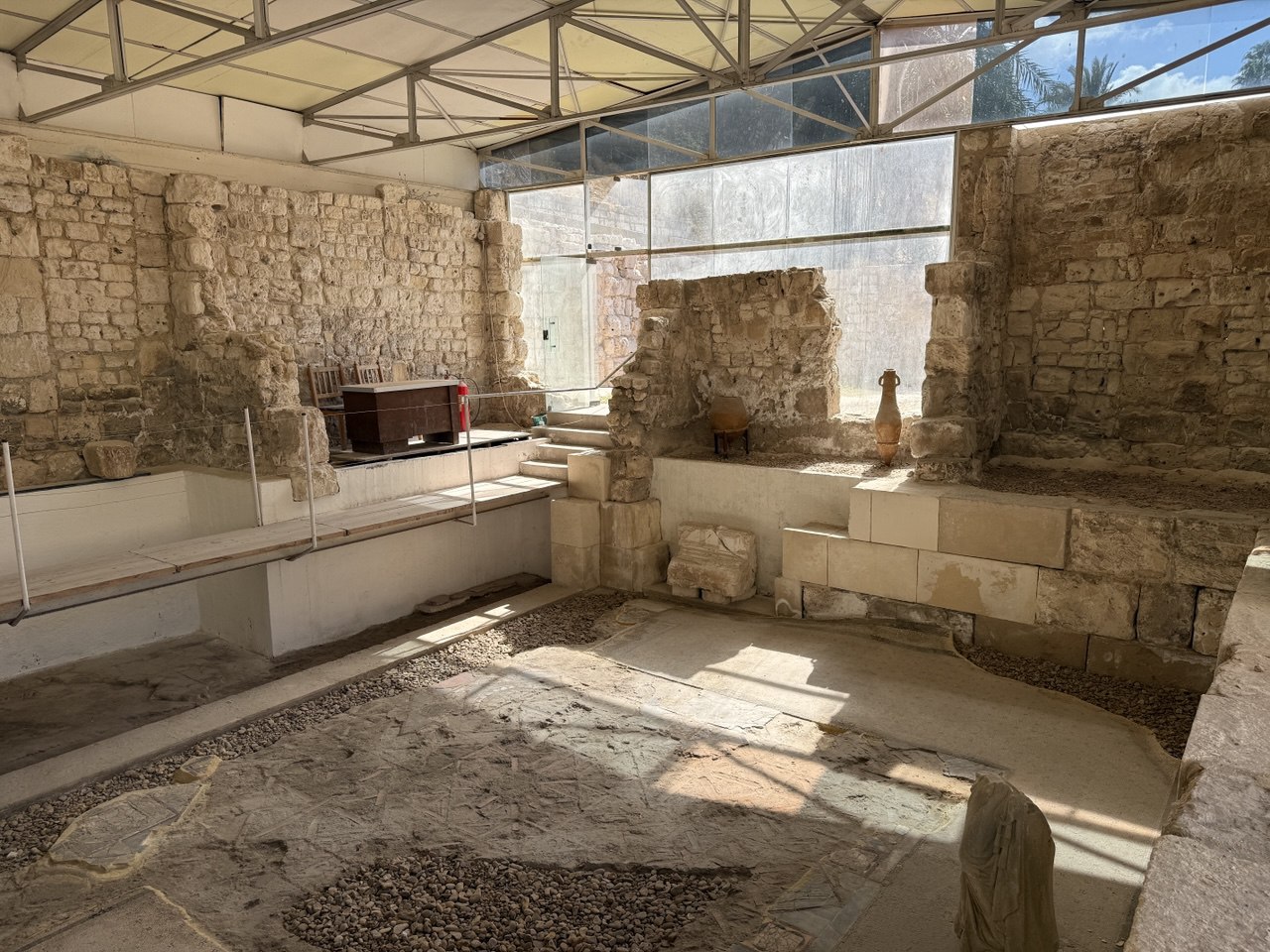
In 1960, a Roman amphitheater was uncovered while digging the foundation pit for a new building.
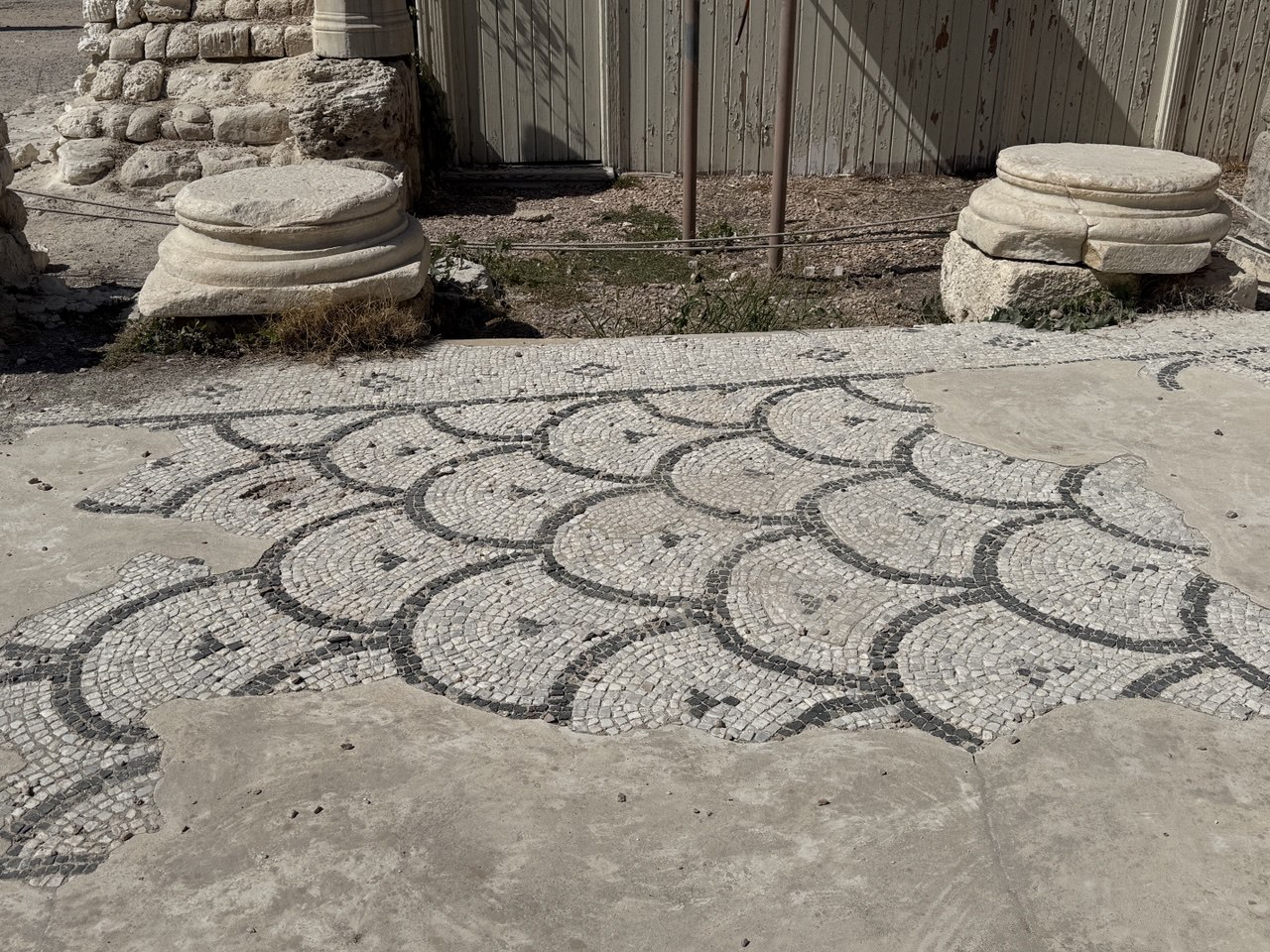
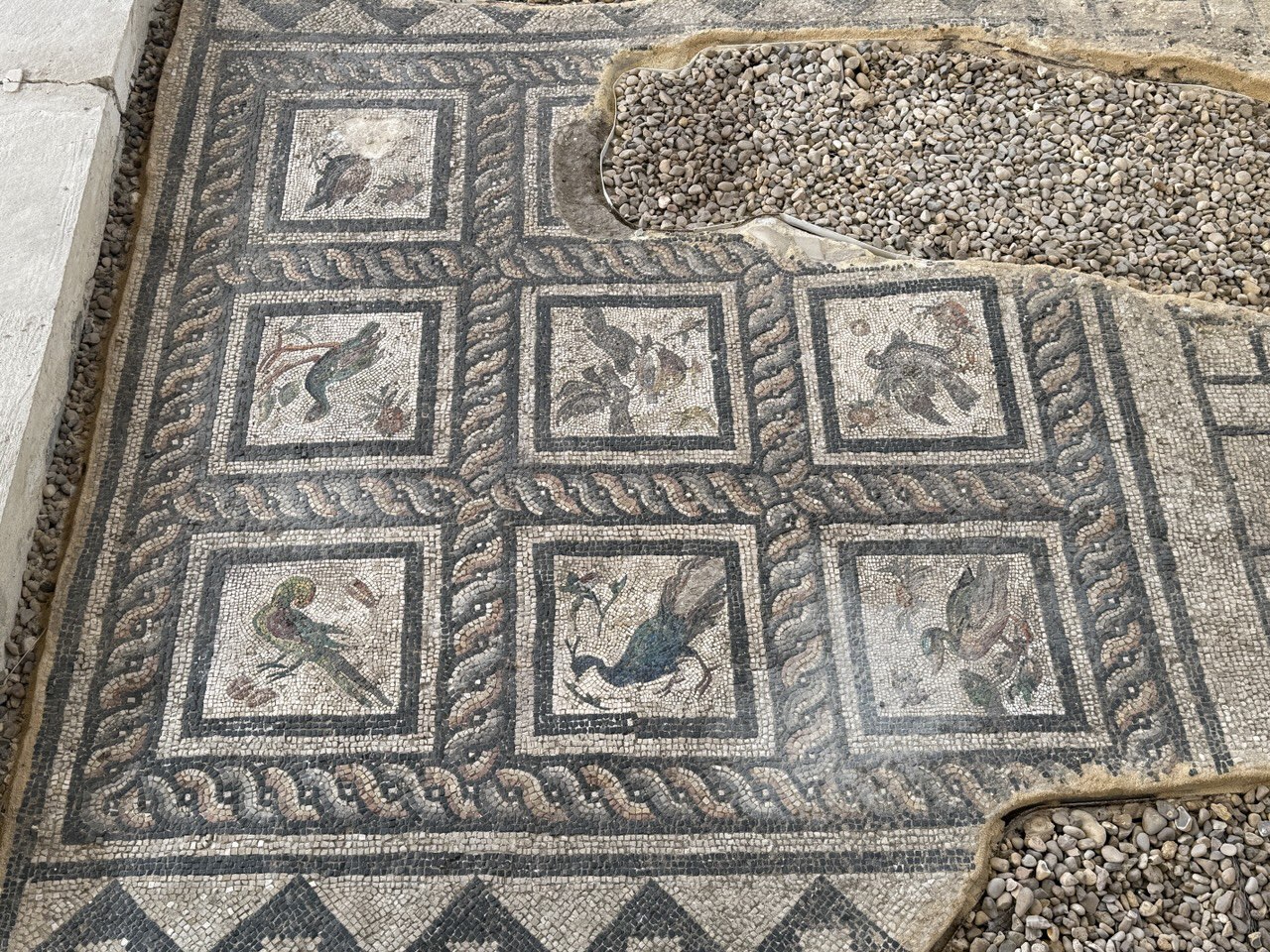
It’s fairly well preserved and is the only Roman amphitheater found anywhere in Egypt. It dates to the 2nd century AD. It consisted of two parts, a lecture hall and a performance hall. You can still see the remains of the mosaic floor that once covered the entire stage floor. The steps of the theater itself were made of white marble, with the bottom row made of pink granite.
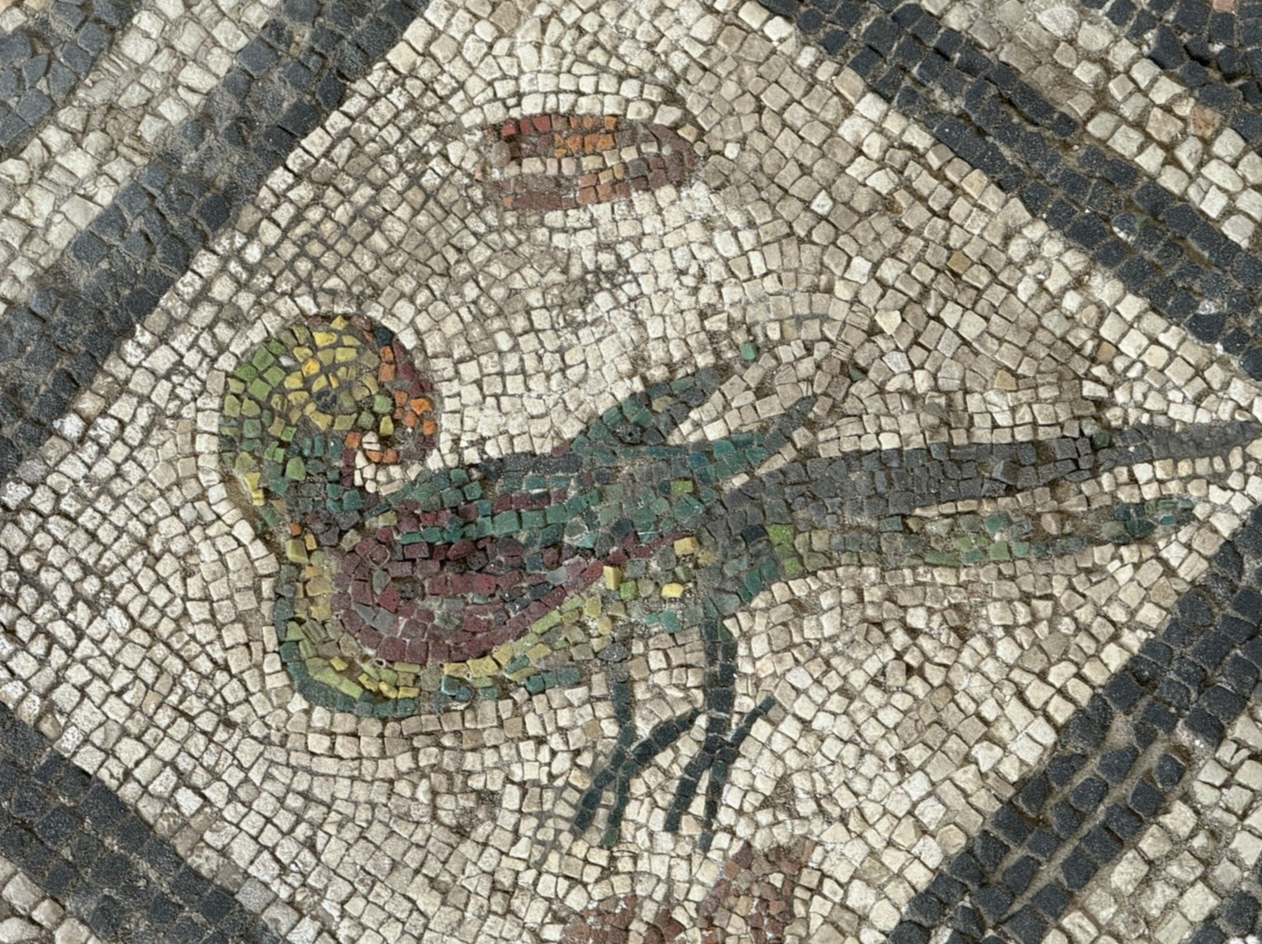
Be sure to walk through the grounds: attentive visitors will discover the astonishing “Villa of the Birds” - a mosaic masterpiece preserved through the centuries
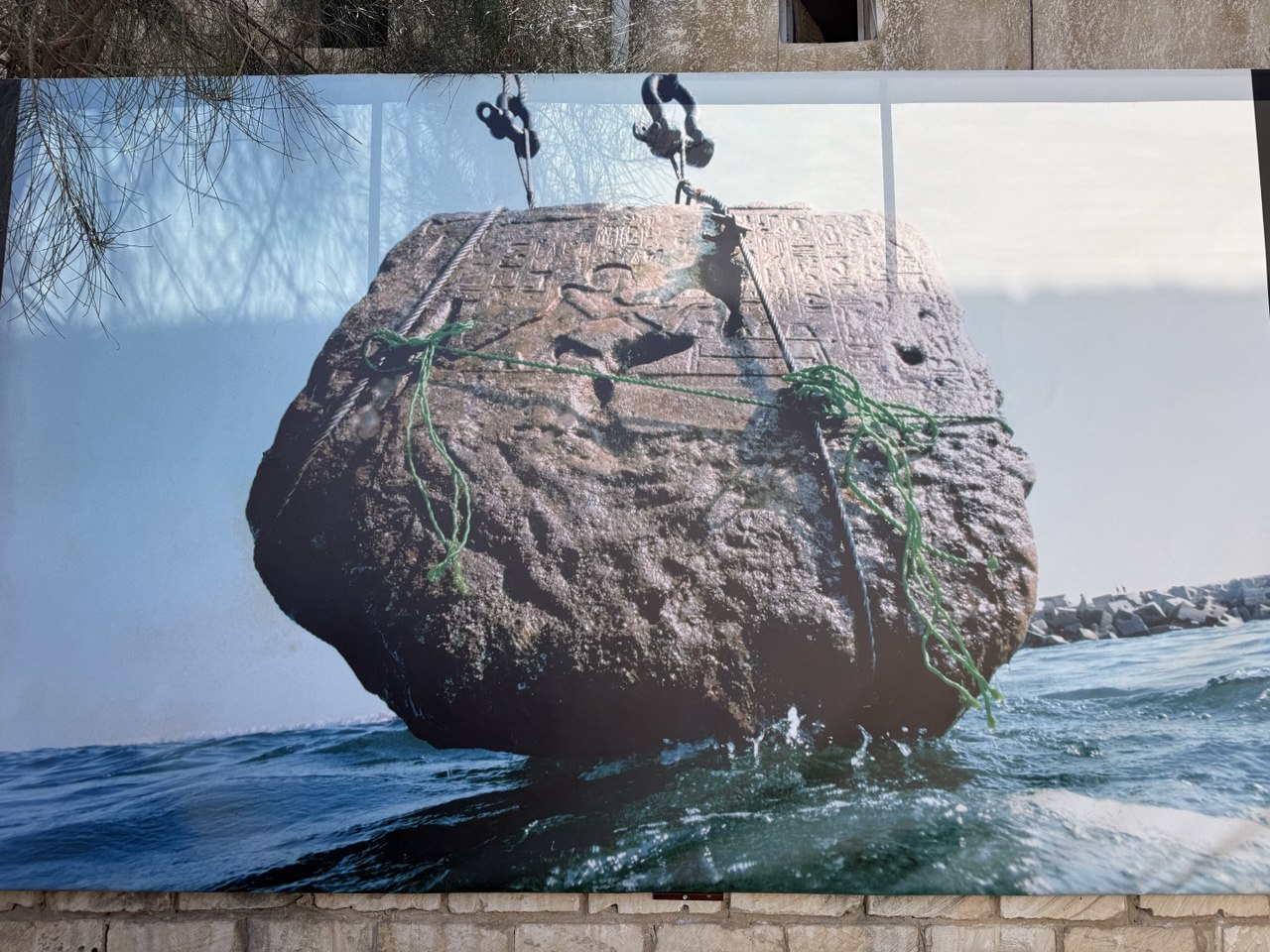
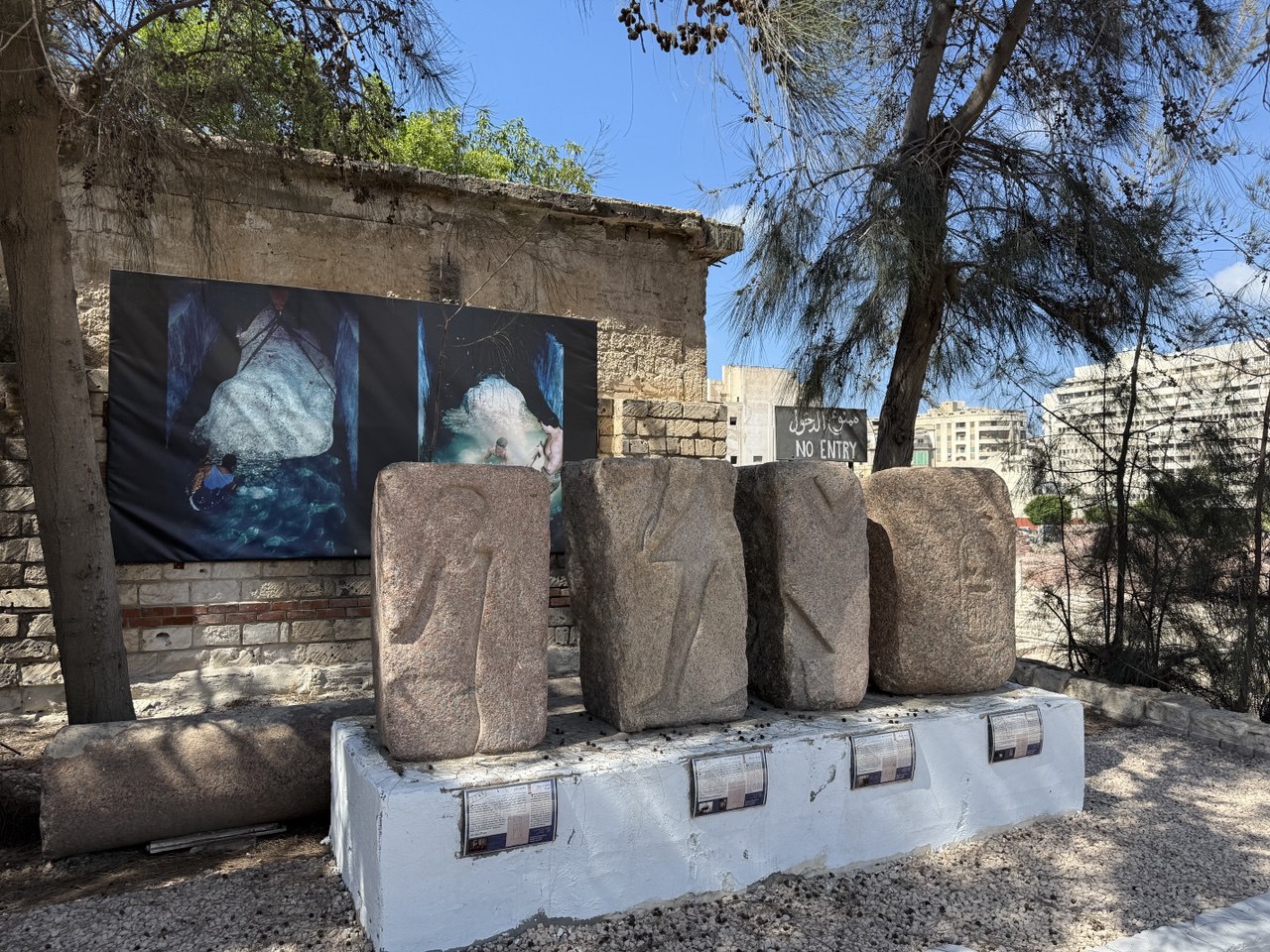
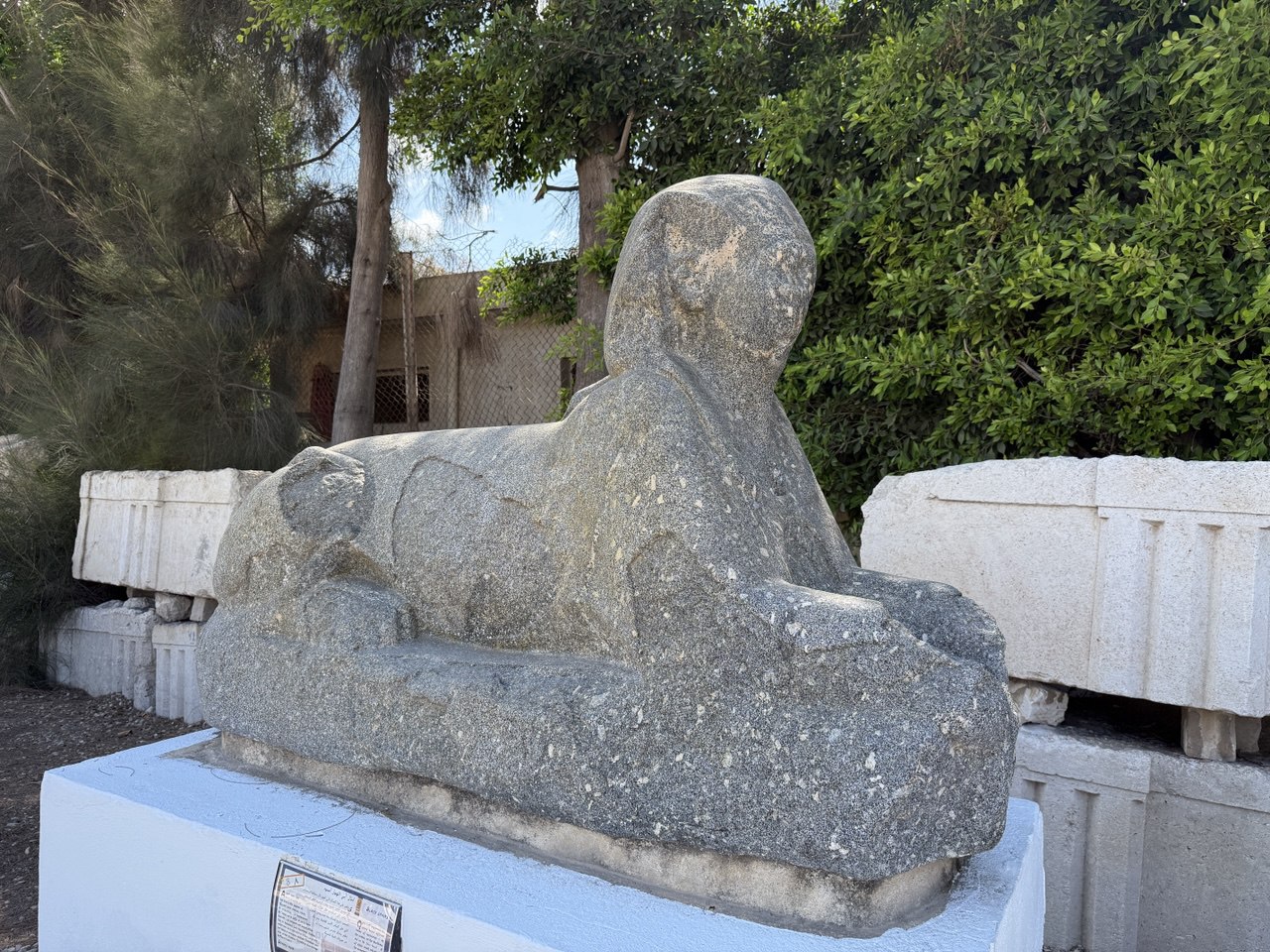
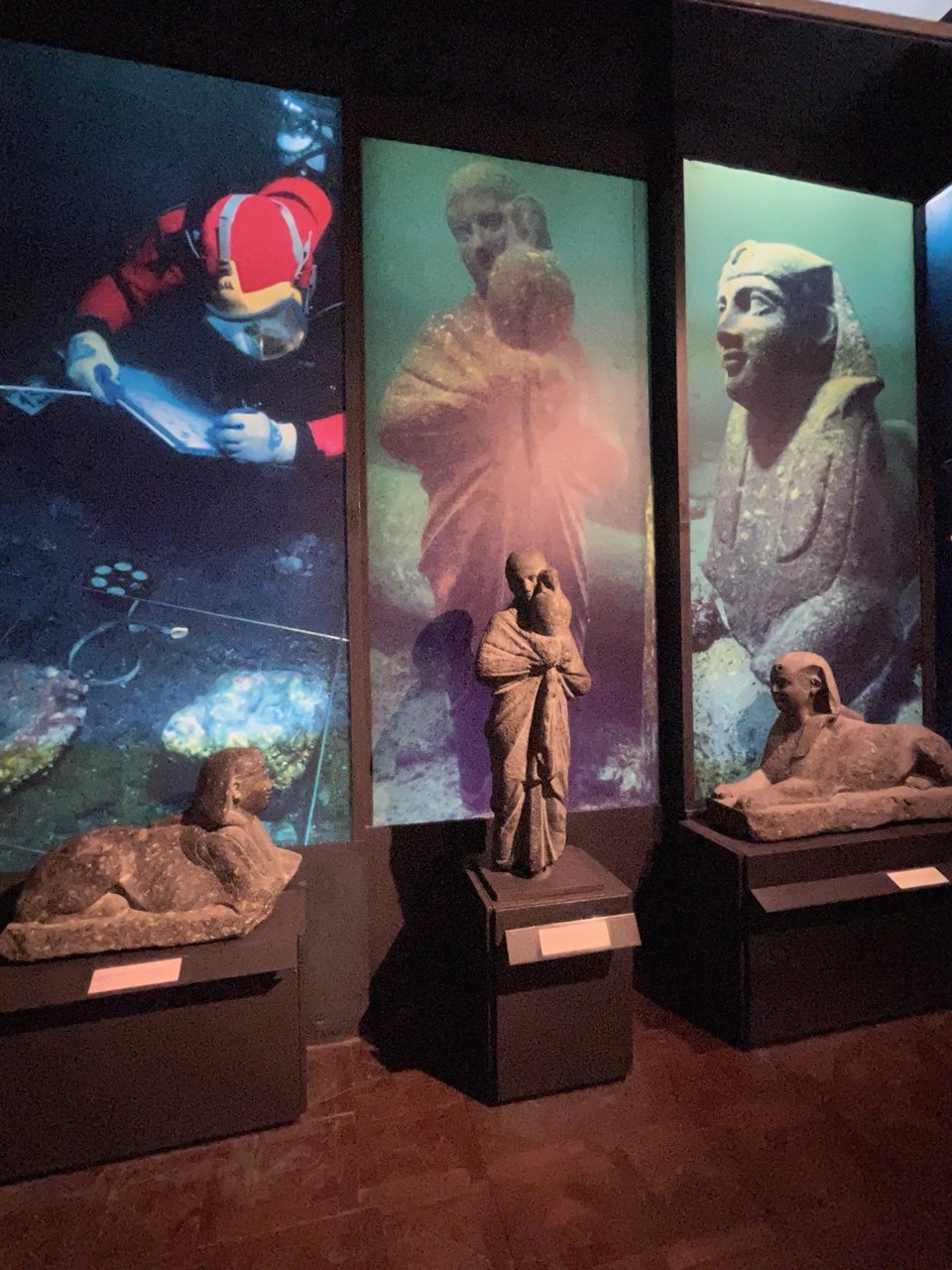
The site also holds a collection of artifacts from the ancient city discovered by underwater archaeologists on the floor of the Mediterranean Sea
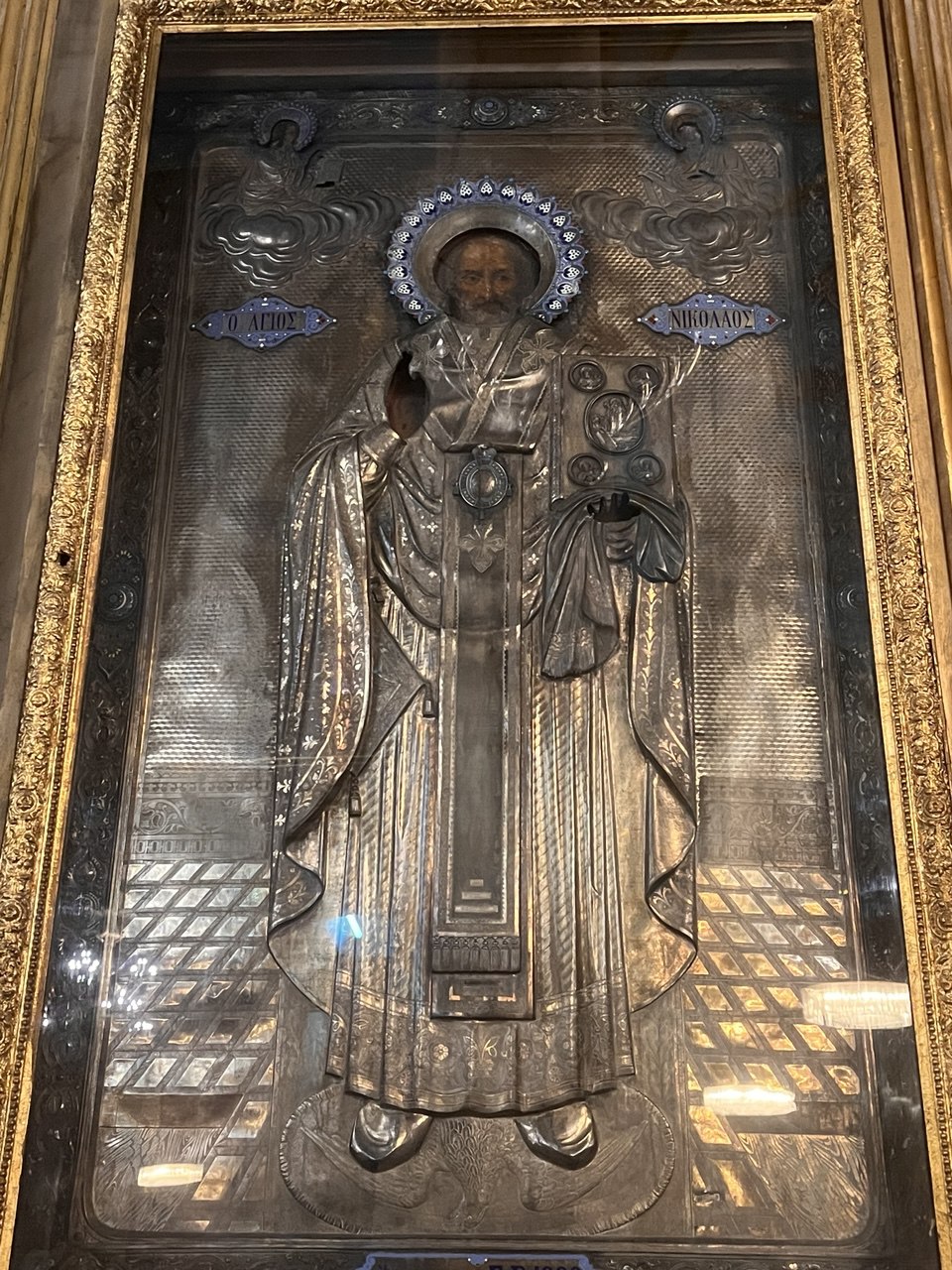
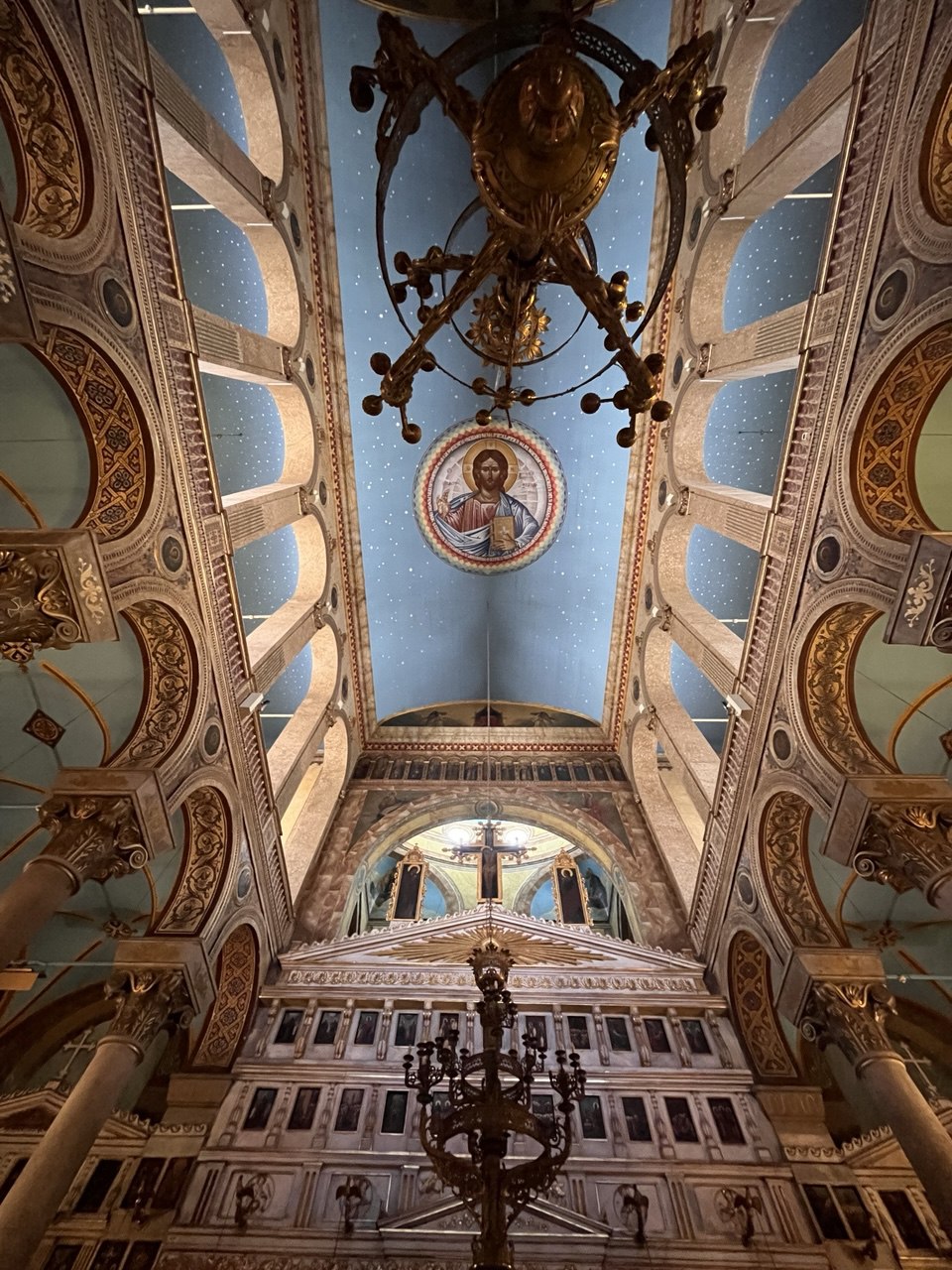
- The Church of the Annunciation
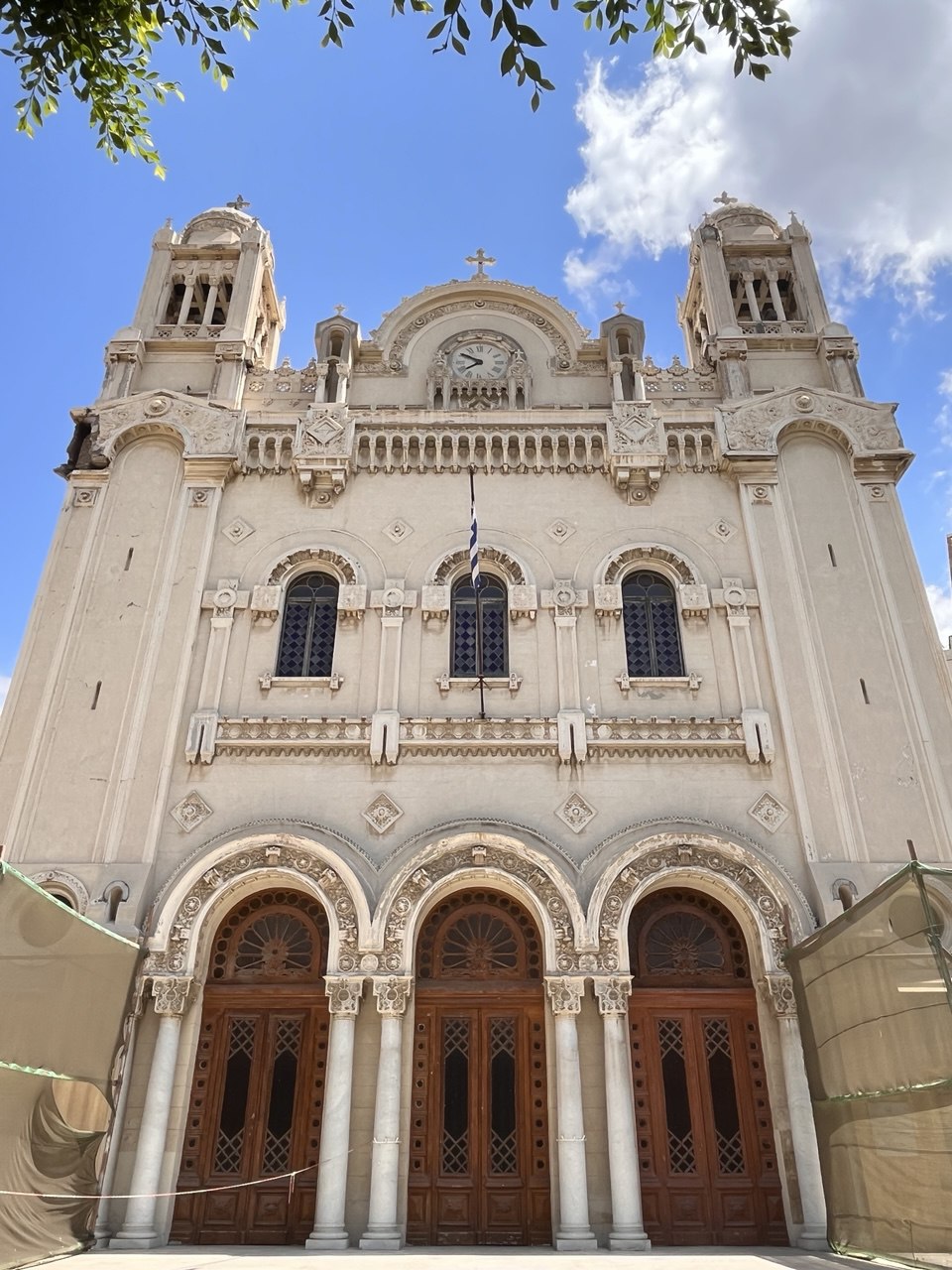
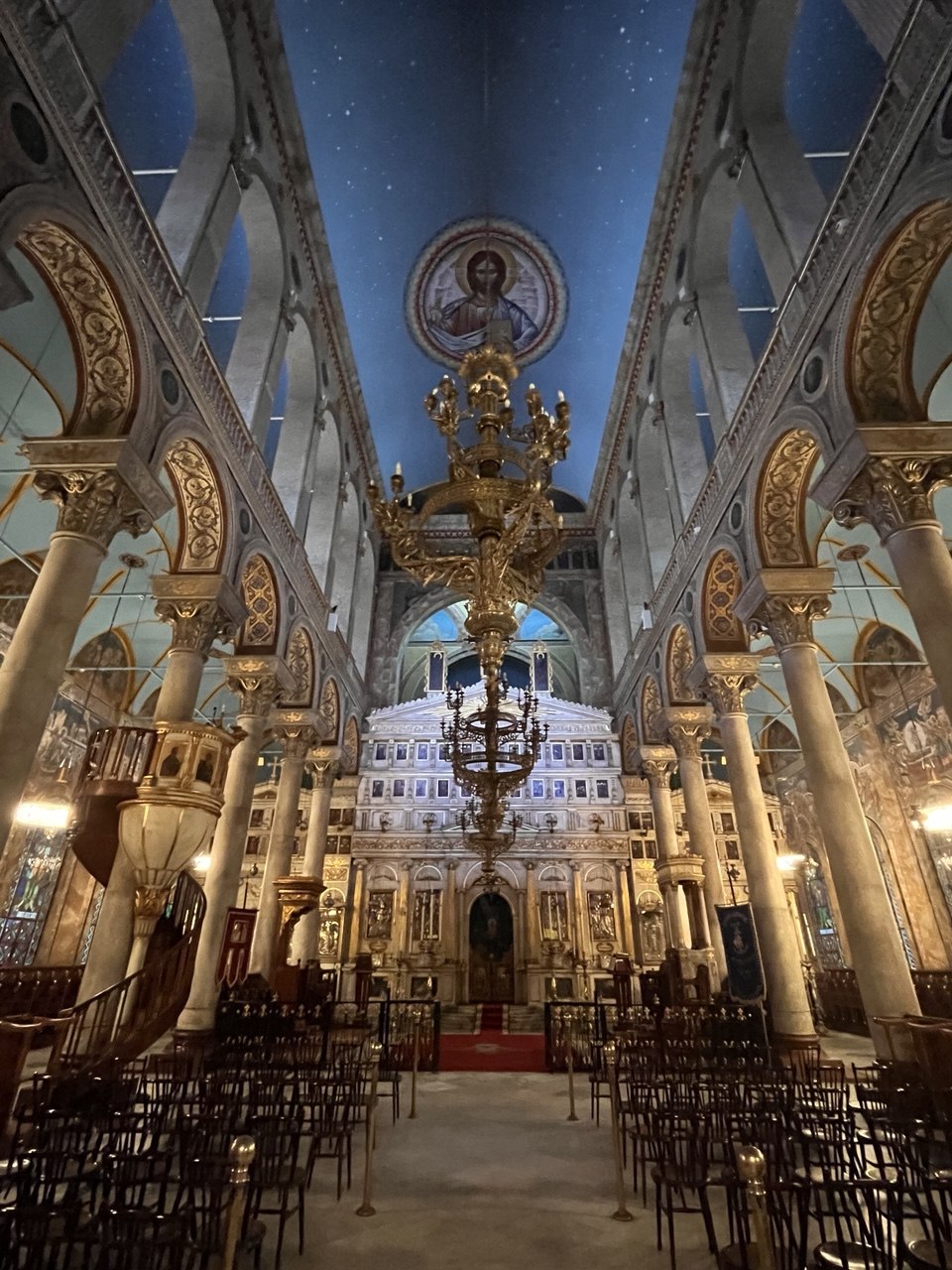
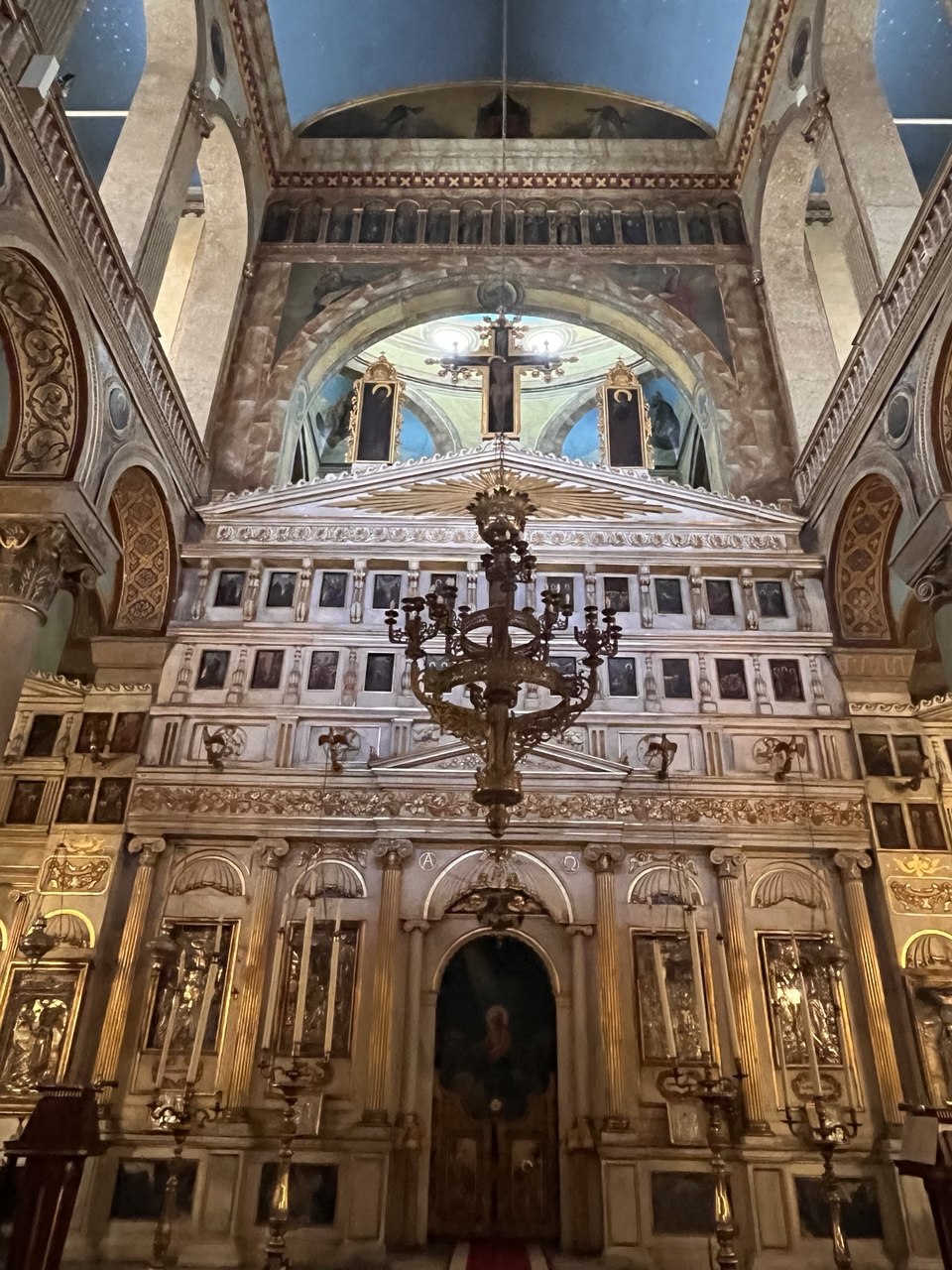
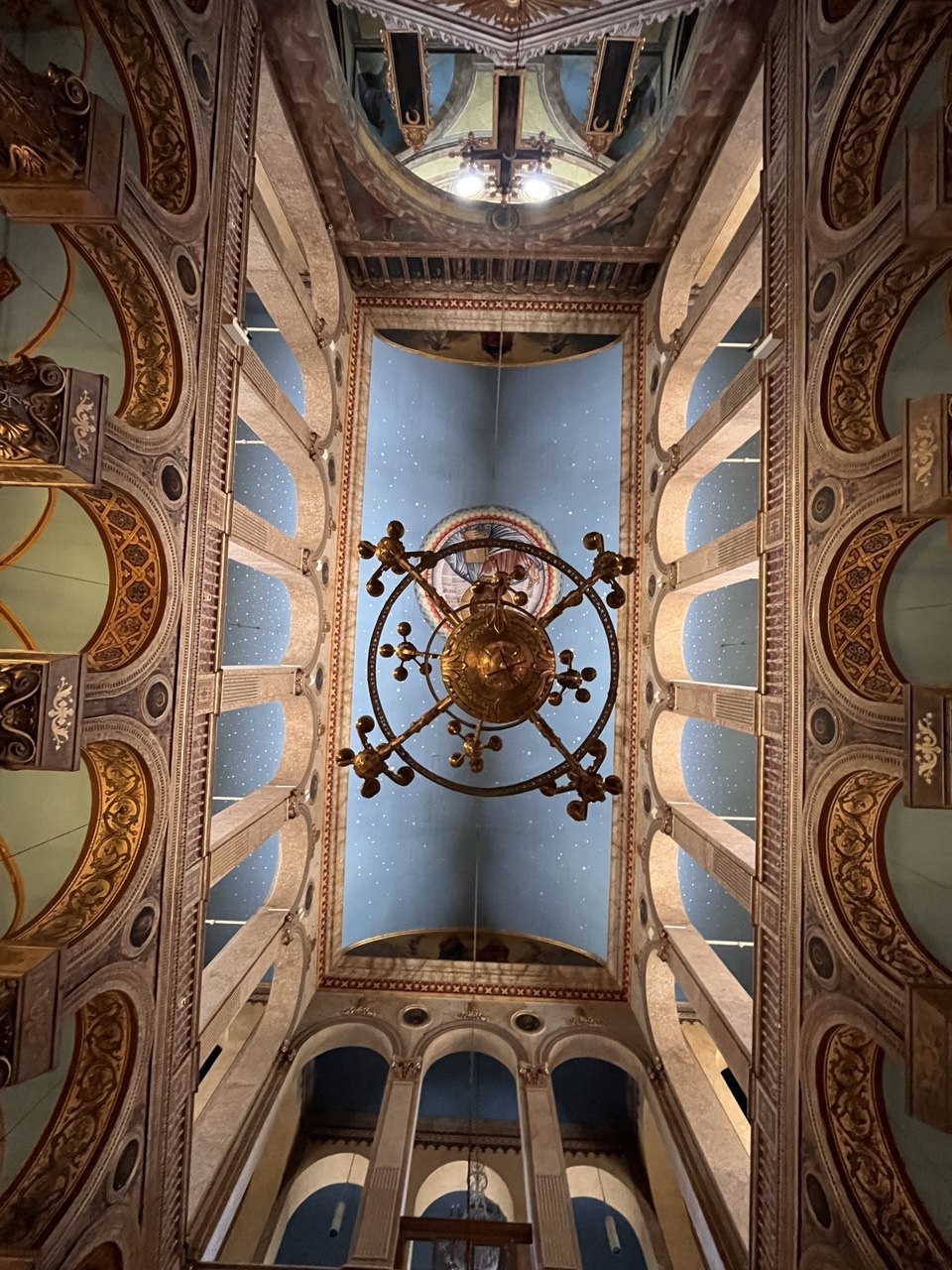
This is my personal discovery - tourists rarely come here, because the main Christian church in Alexandria is the Church of St. Mark, who was born in Alexandria and was the first preacher of Christianity in Egypt. That’s usually the site included in tour programs, but I strongly recommend visiting the Church of the Annunciation instead.
It’s a Greek church, and inside it’s as beautiful as something out of a fairy tale - you simply can’t take your eyes off the interior decor
- The Royal Jewelry Museum
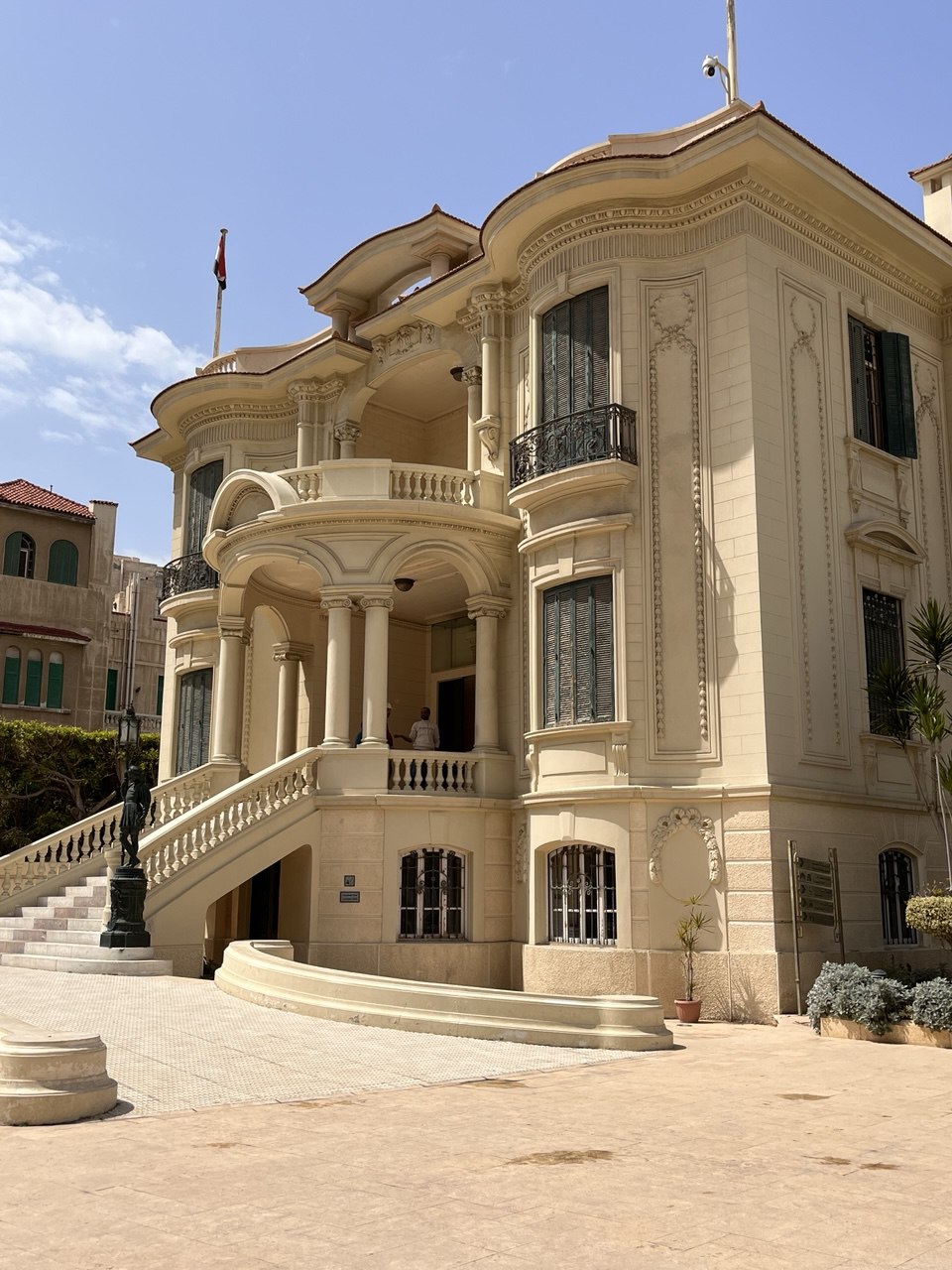
A unique chance to see jewelry from Egypt’s royal era and feel the atmosphere of luxury
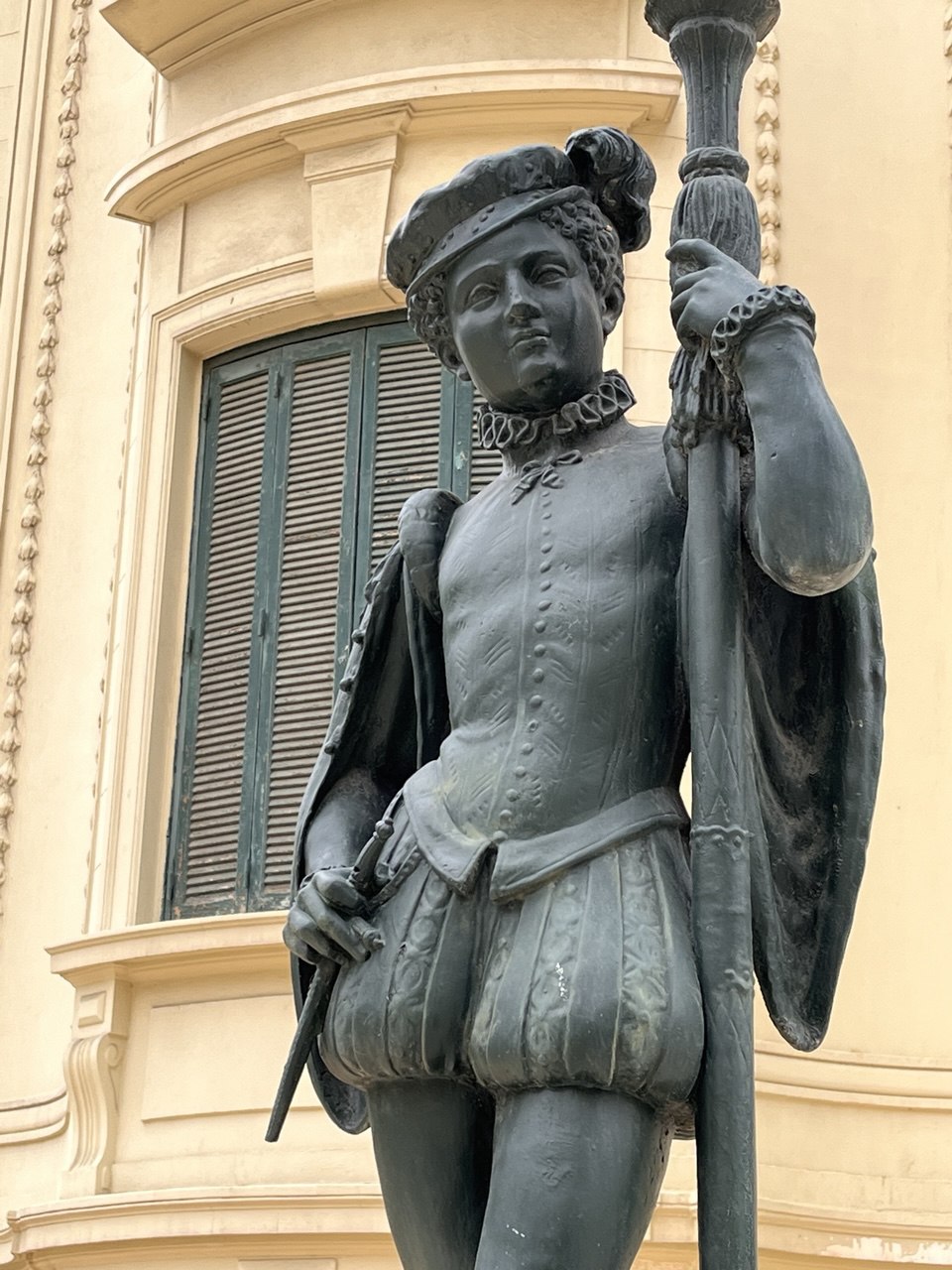
The building itself is already an architectural masterpiece. The palace was built in European style, with architects brought in from France, Italy, and Belgium. It was once the palace of Fatma Al-Zahra, daughter of a member of the Muhammad Ali royal dynasty
After the 1952 revolution and the abolition of the monarchy, the building came under state control and later became a museum
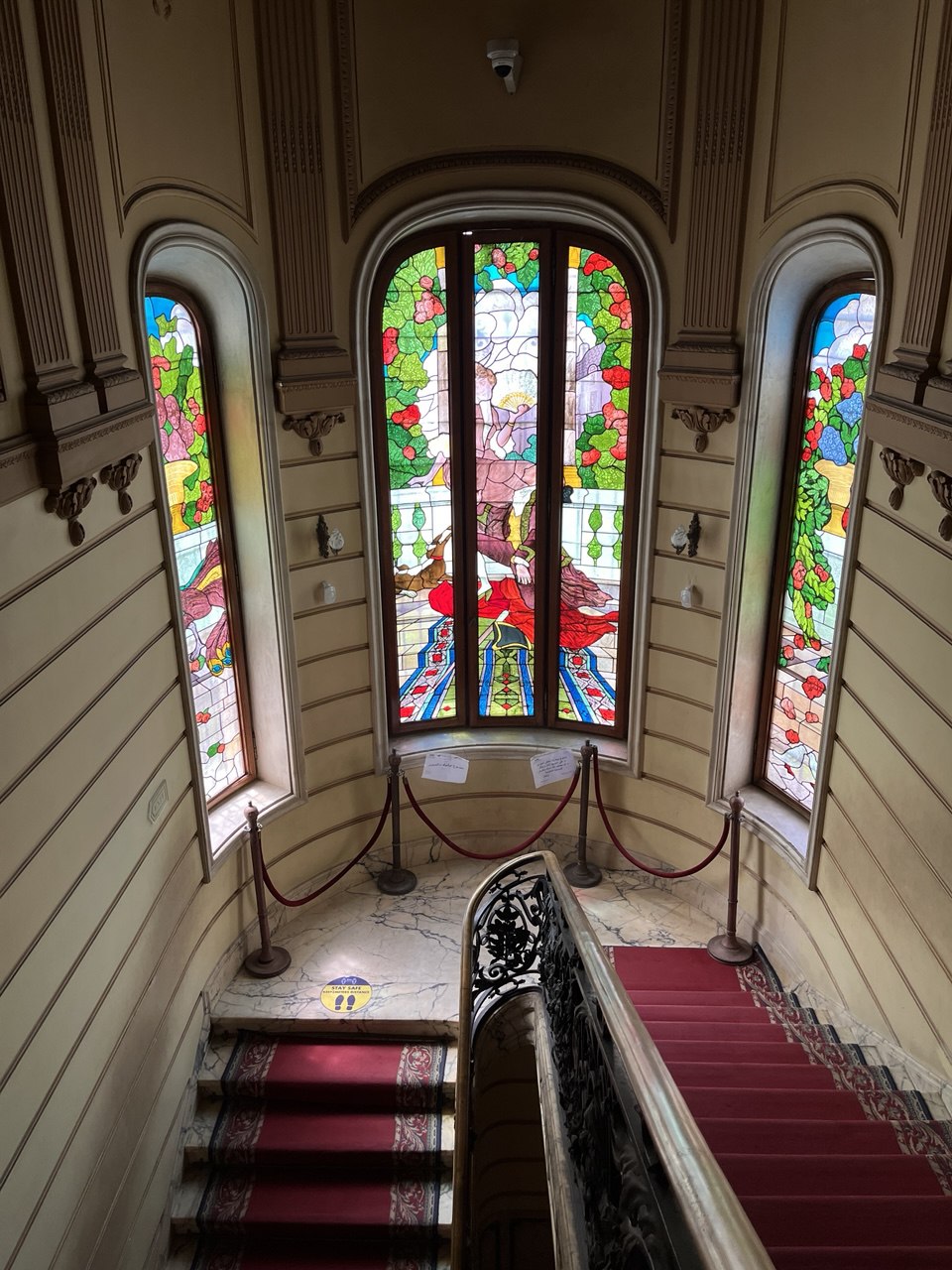
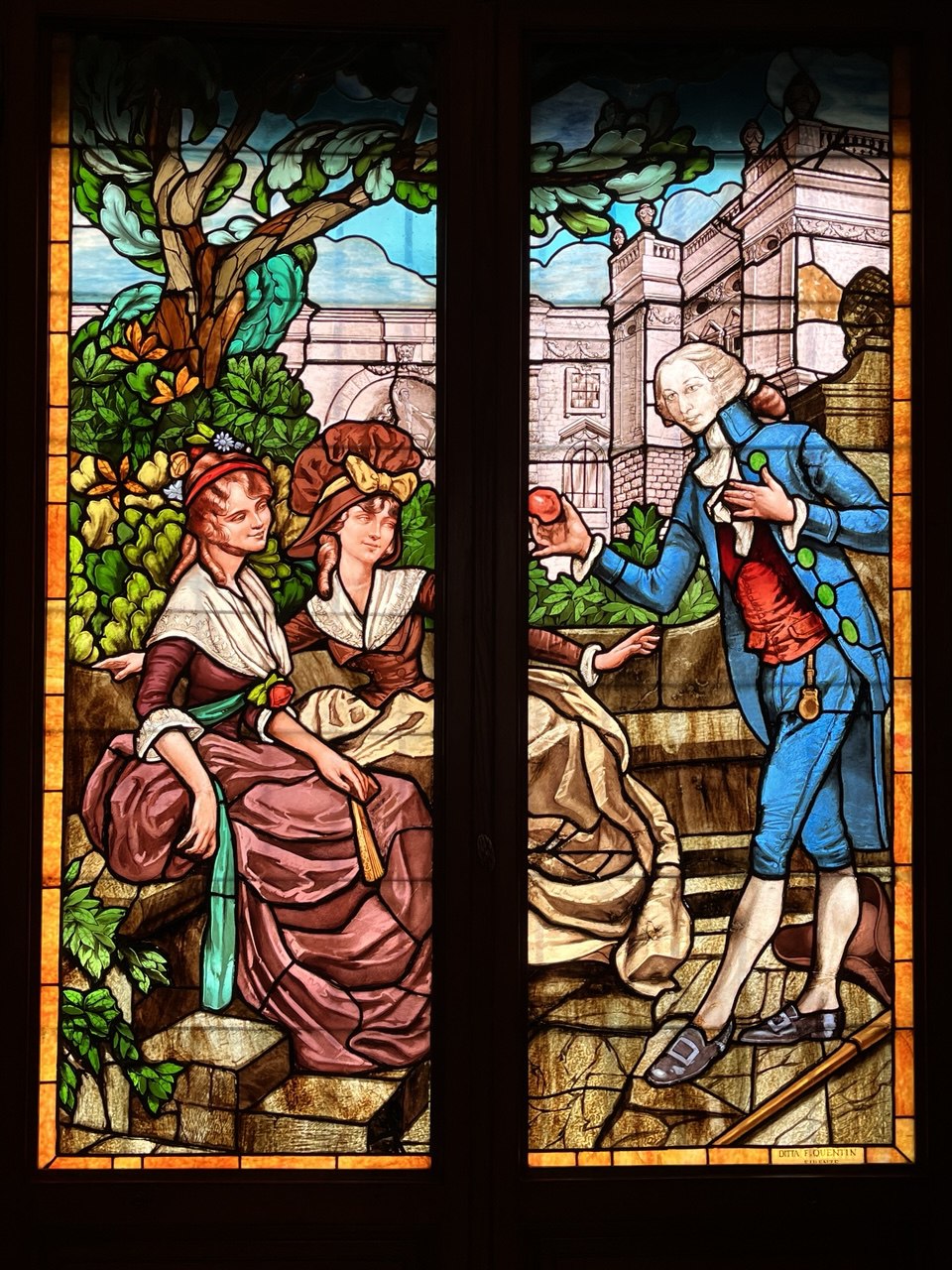
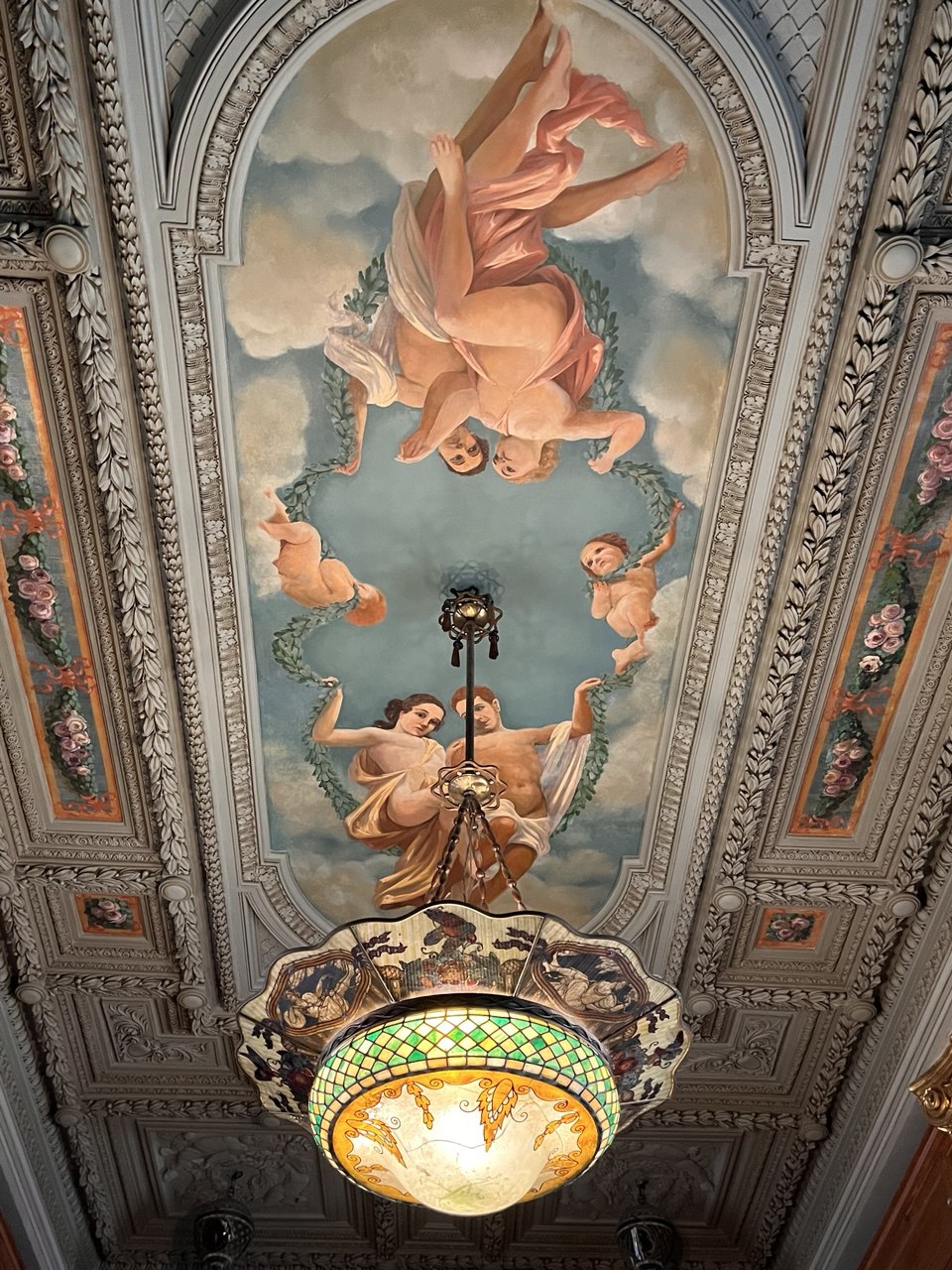
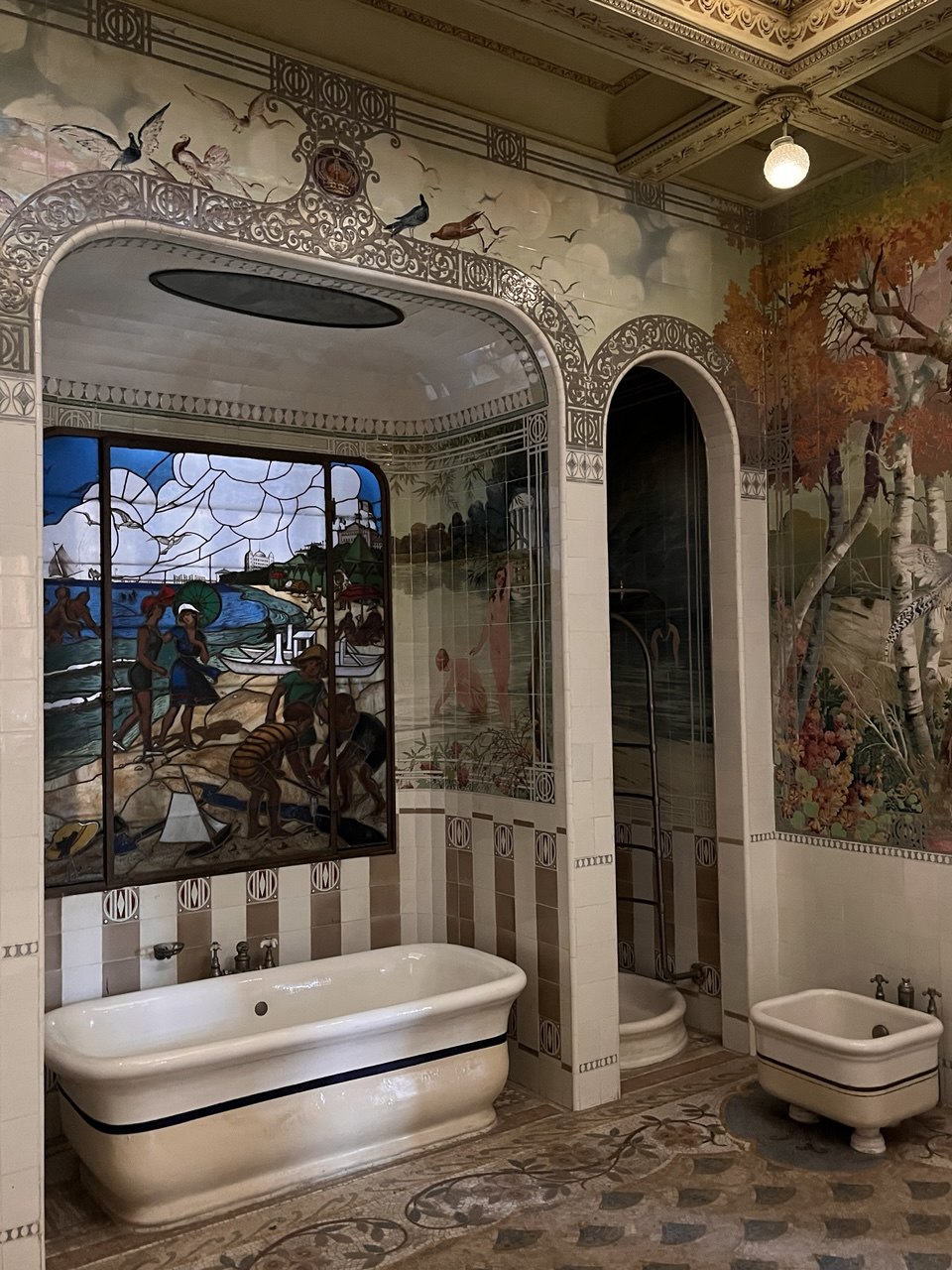
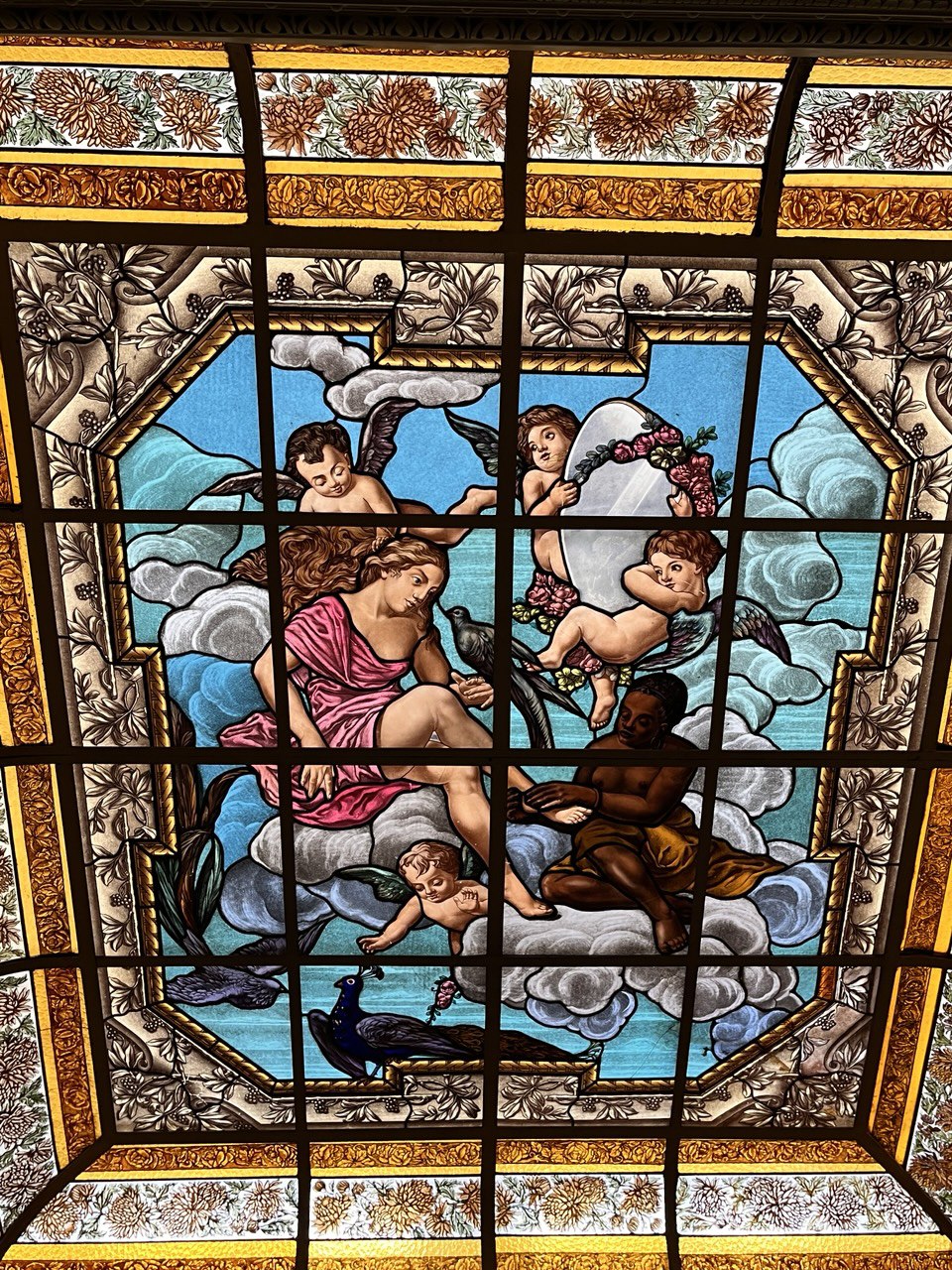
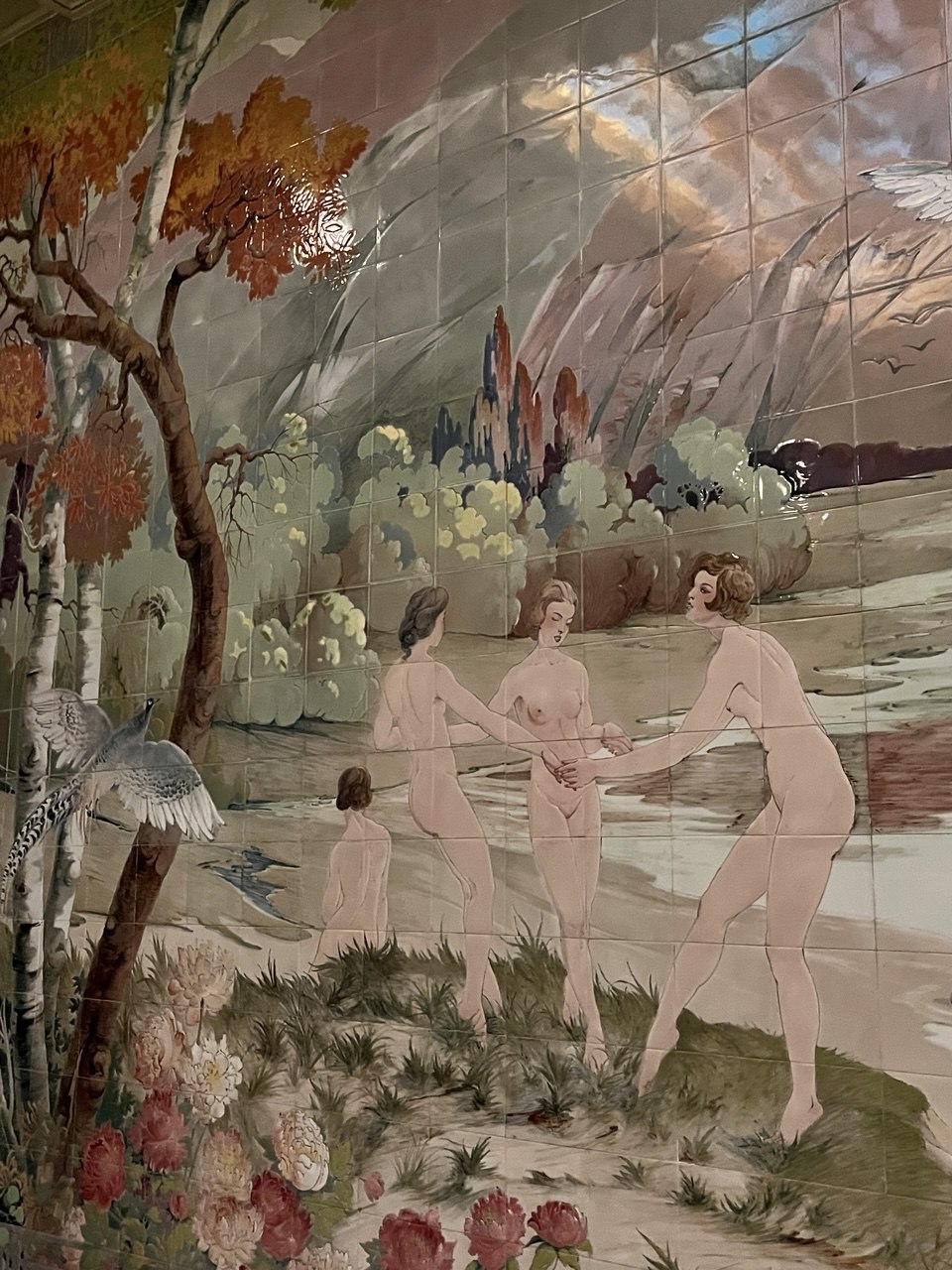
The interiors are richly decorated with colored stained glass, ornate ceilings, tilework, and wood paneling. The palace’s bathrooms deserve special attention
The palace museum holds a magnificent collection of jewelry that belonged to the royal dynasty
- The National Museum
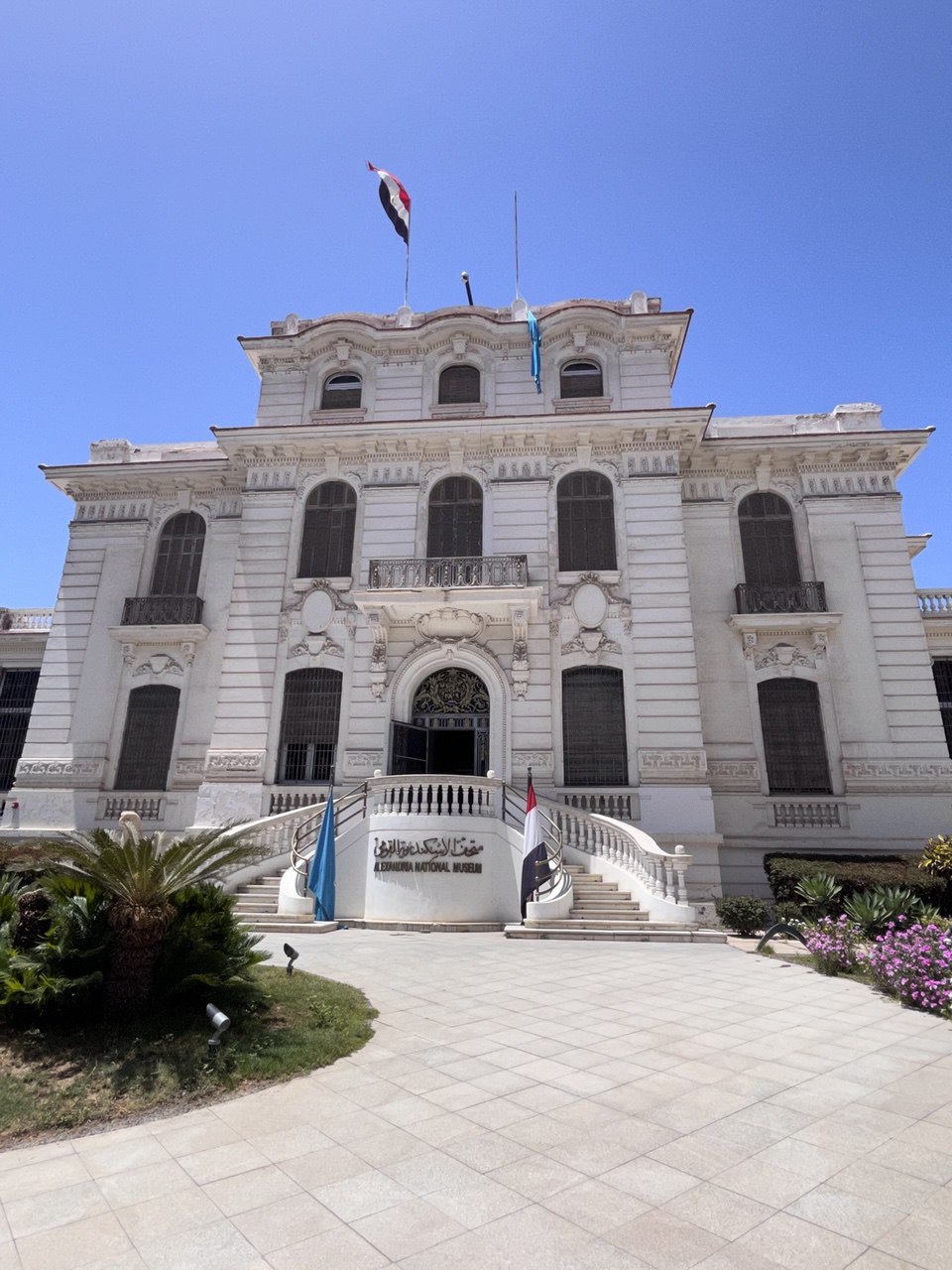
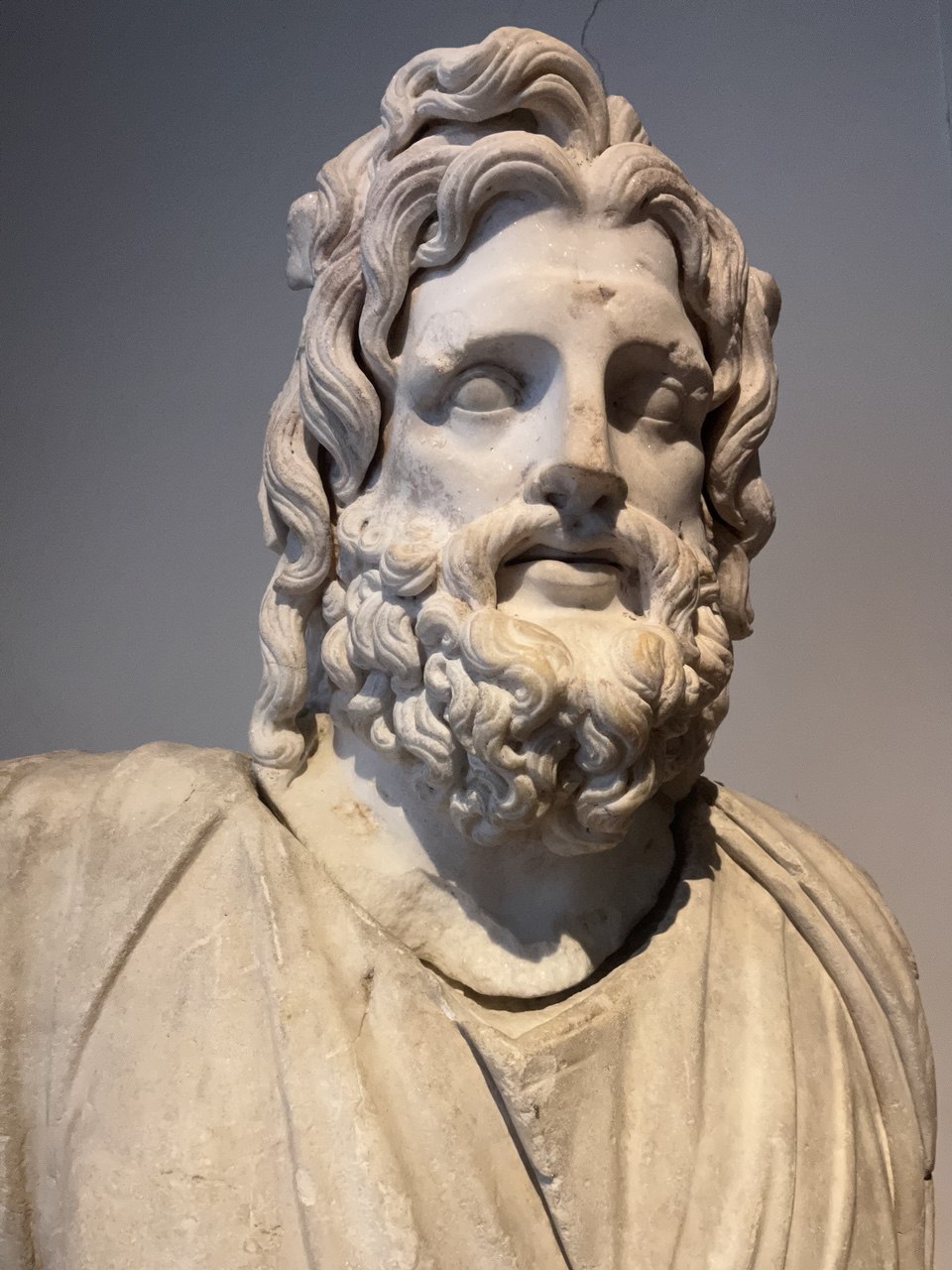
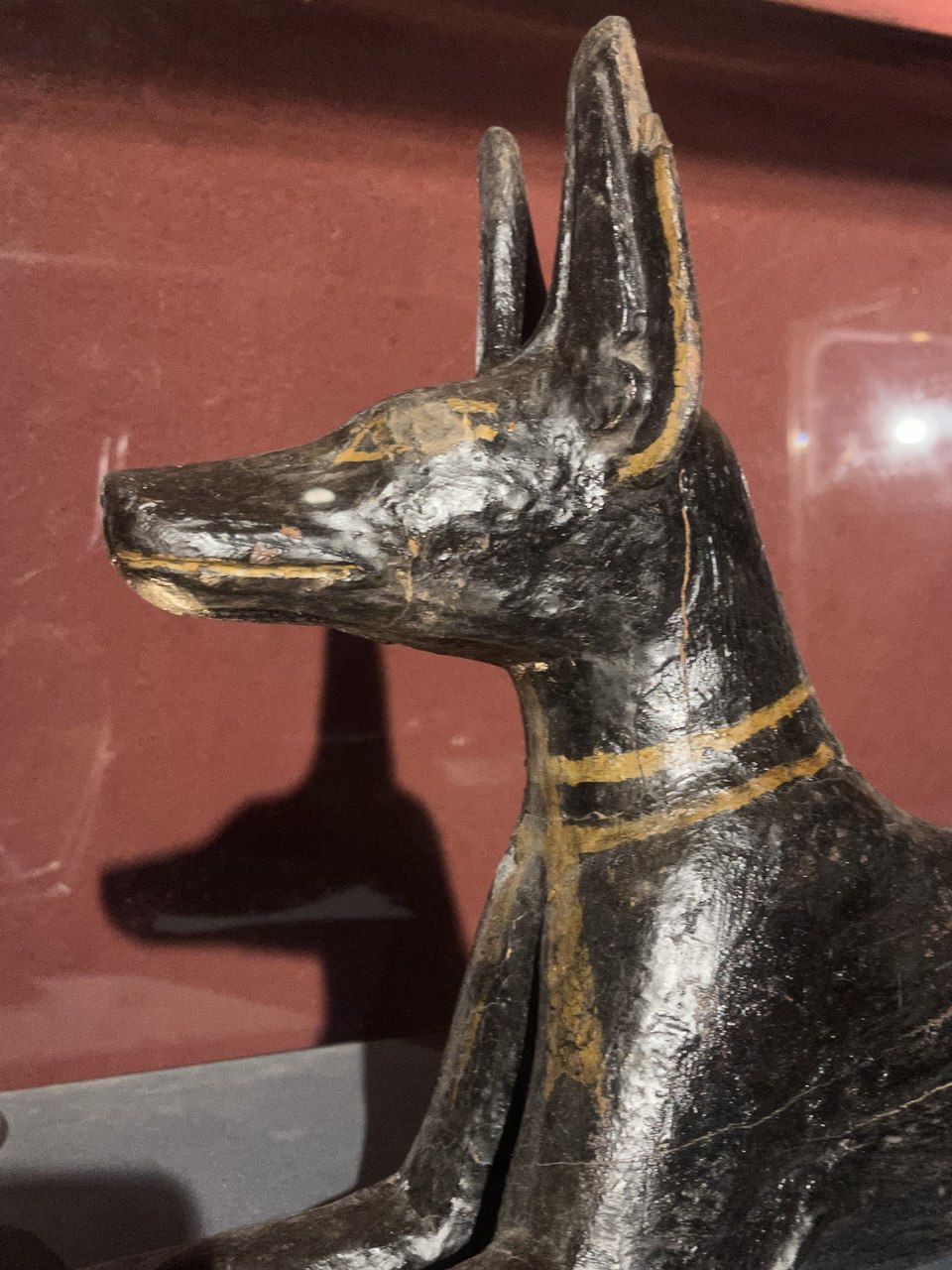
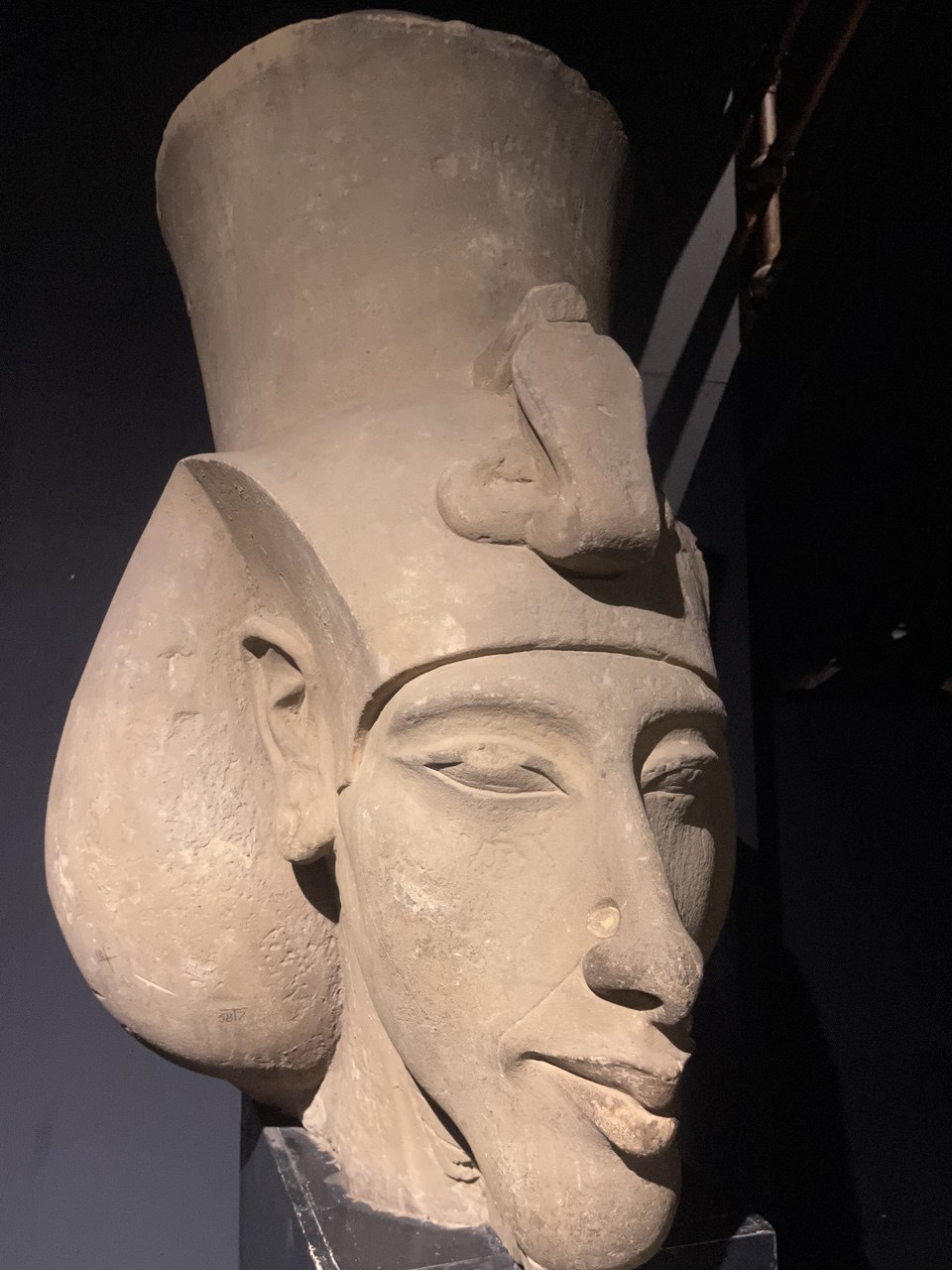
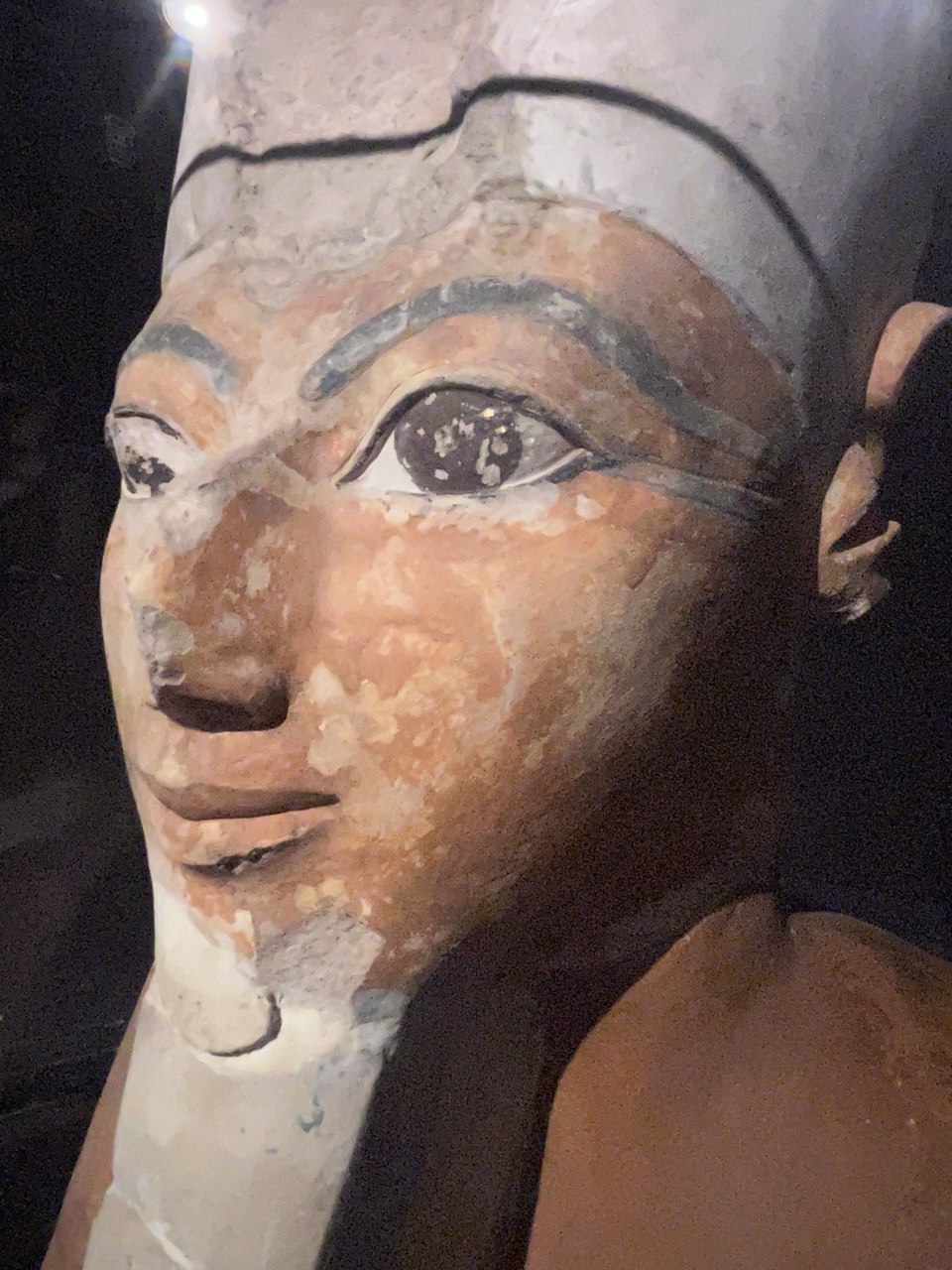
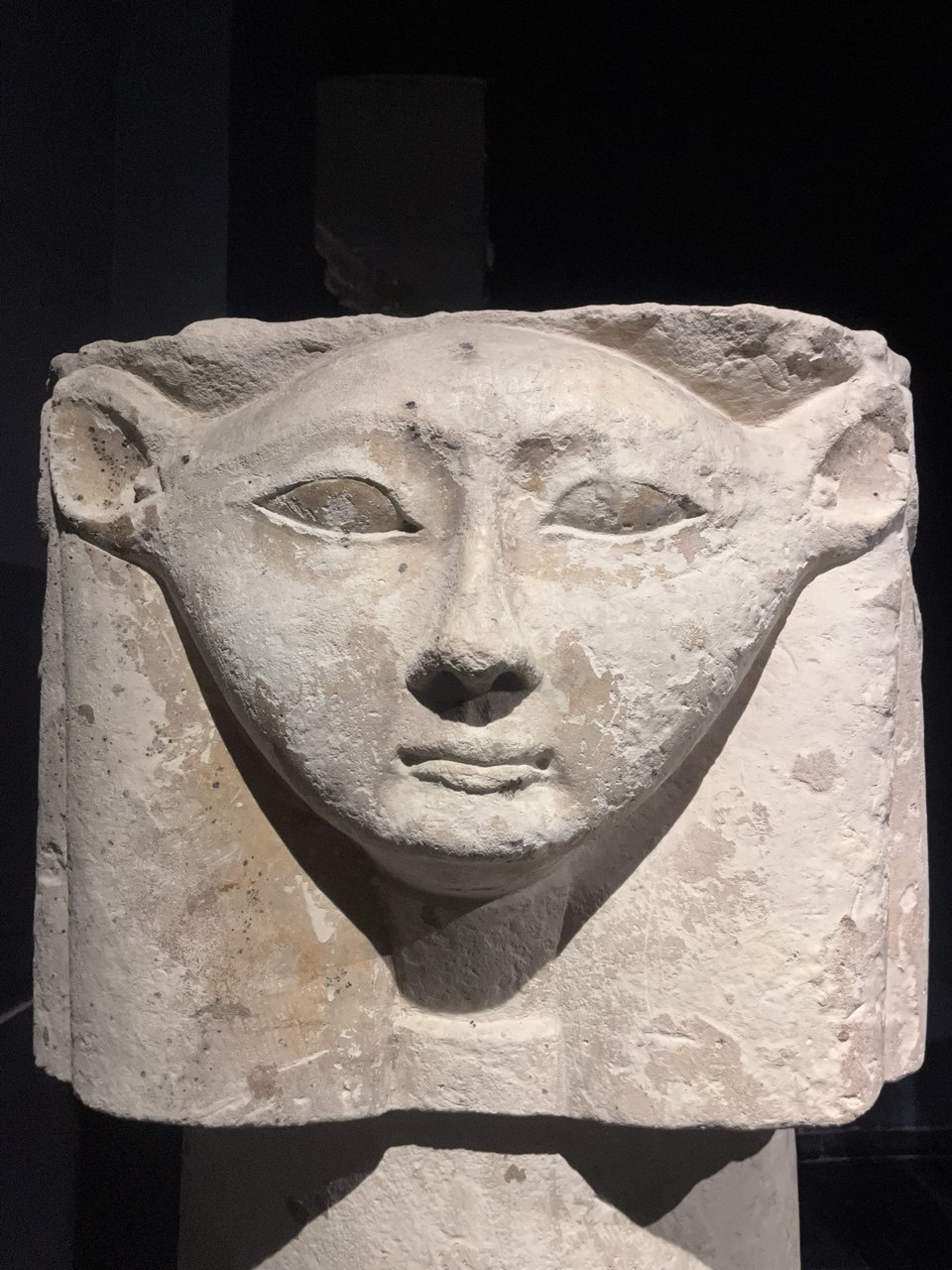
Although the museum has lost some of its former grandeur since the Greco-Roman Museum opened, it still holds many valuable artifacts telling the story of Alexandria’s different eras
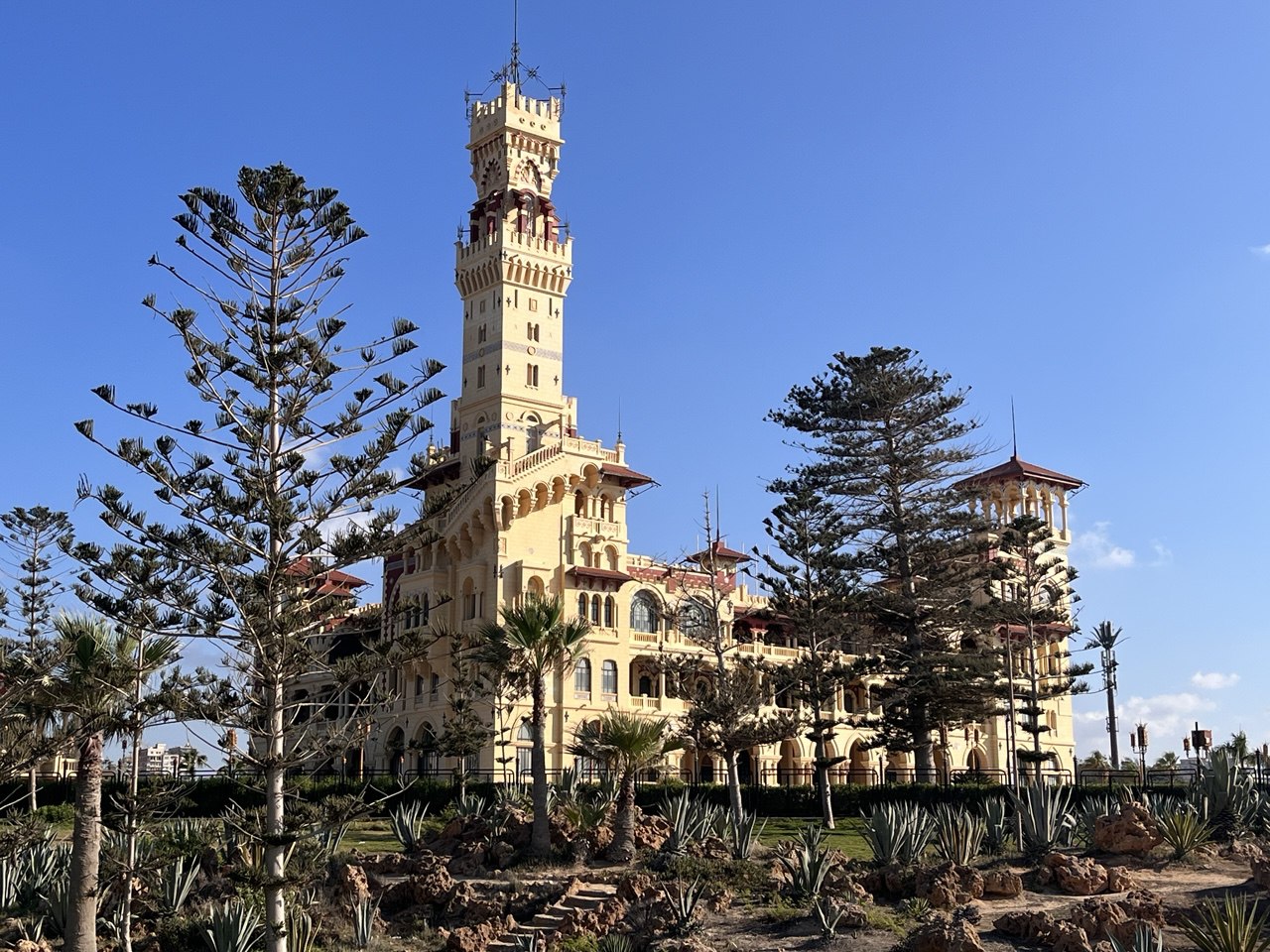
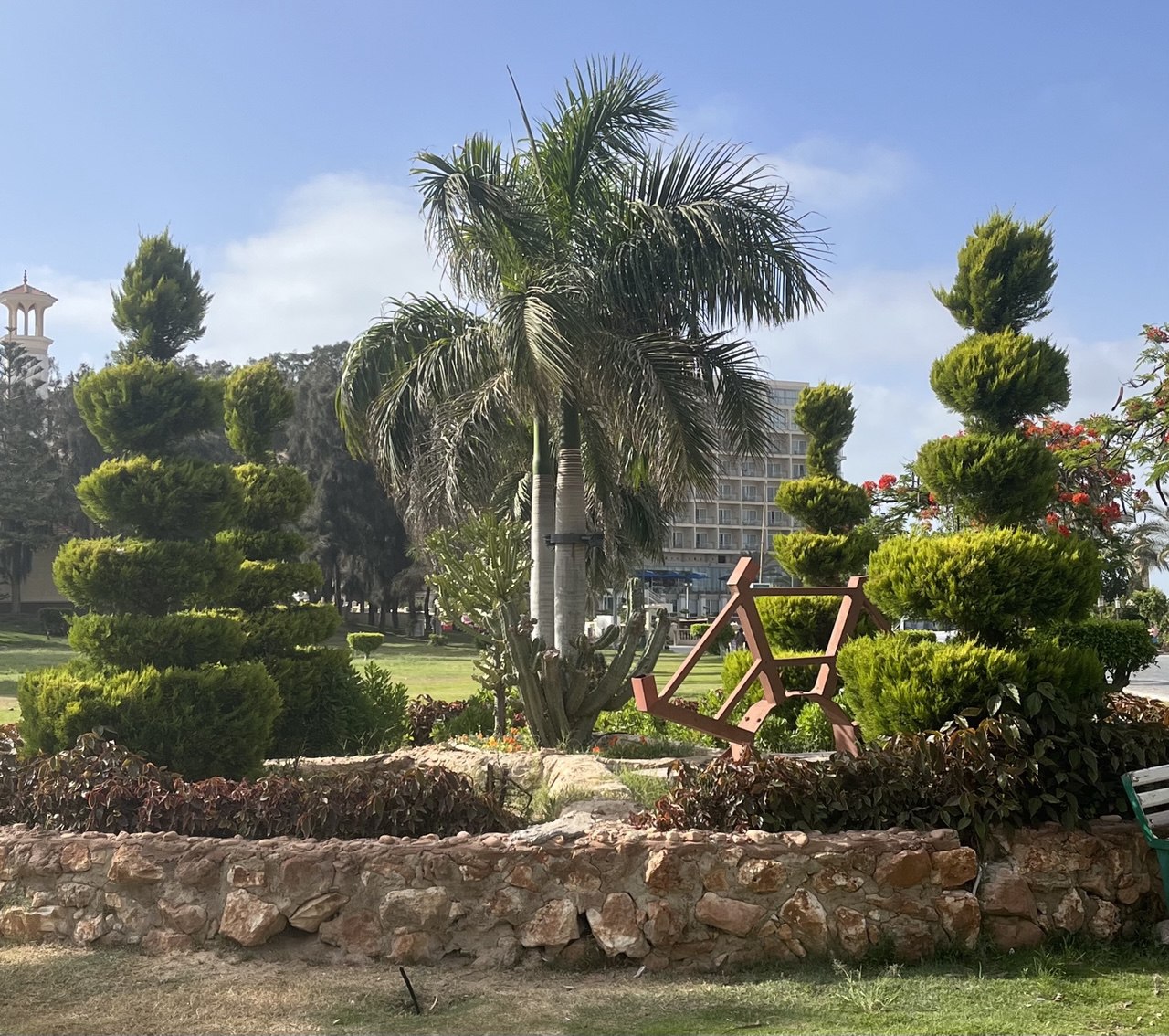
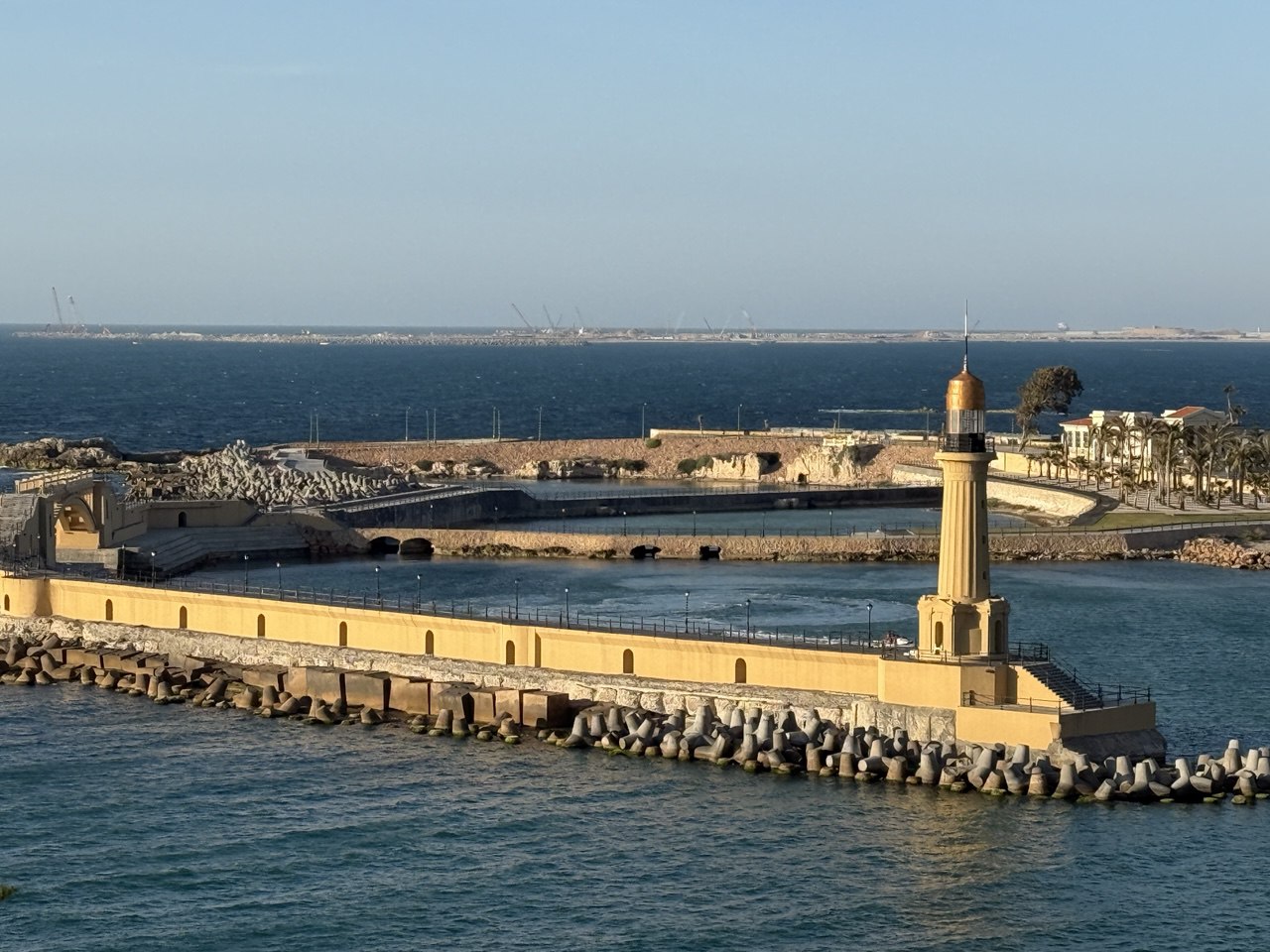
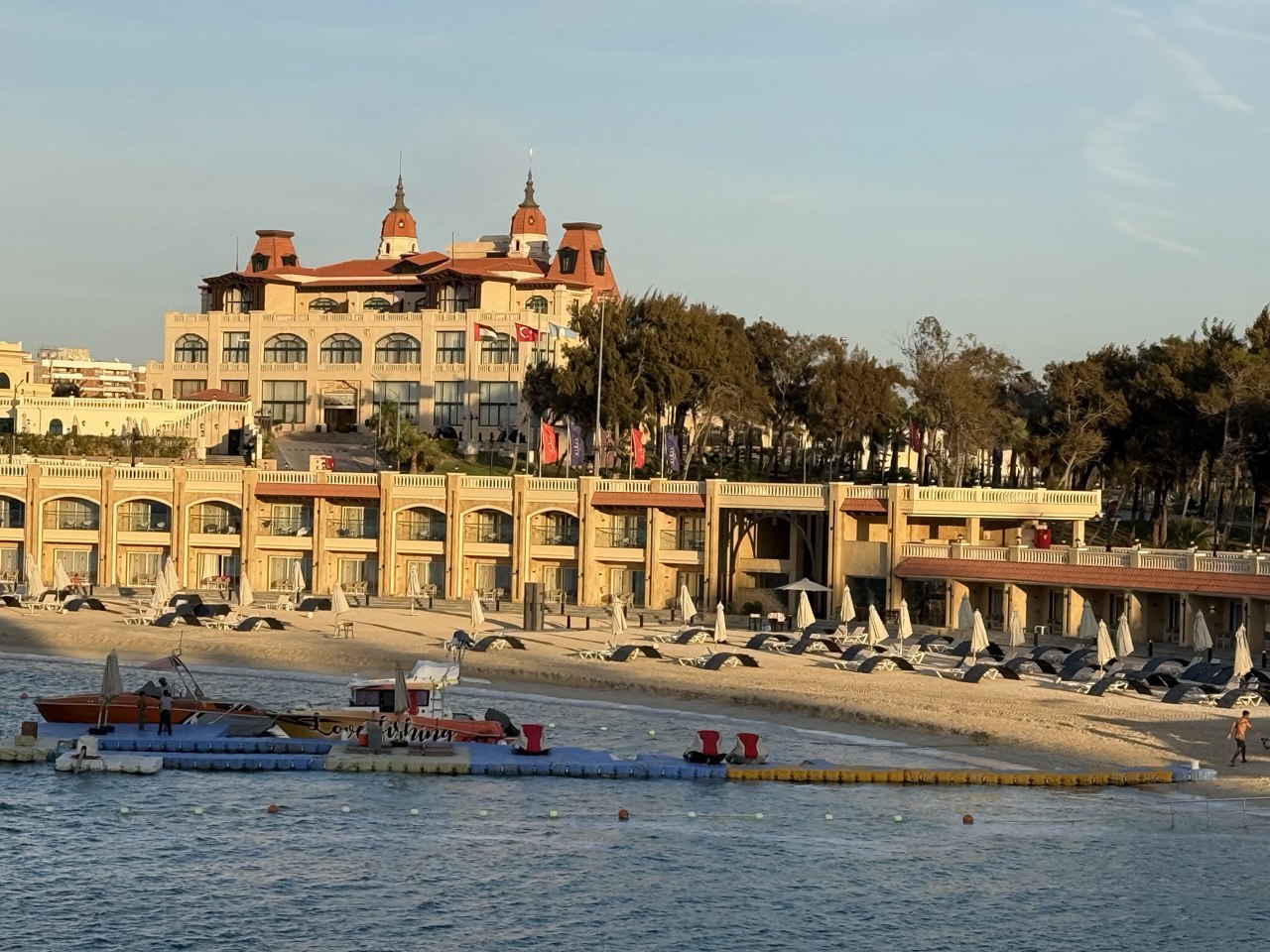
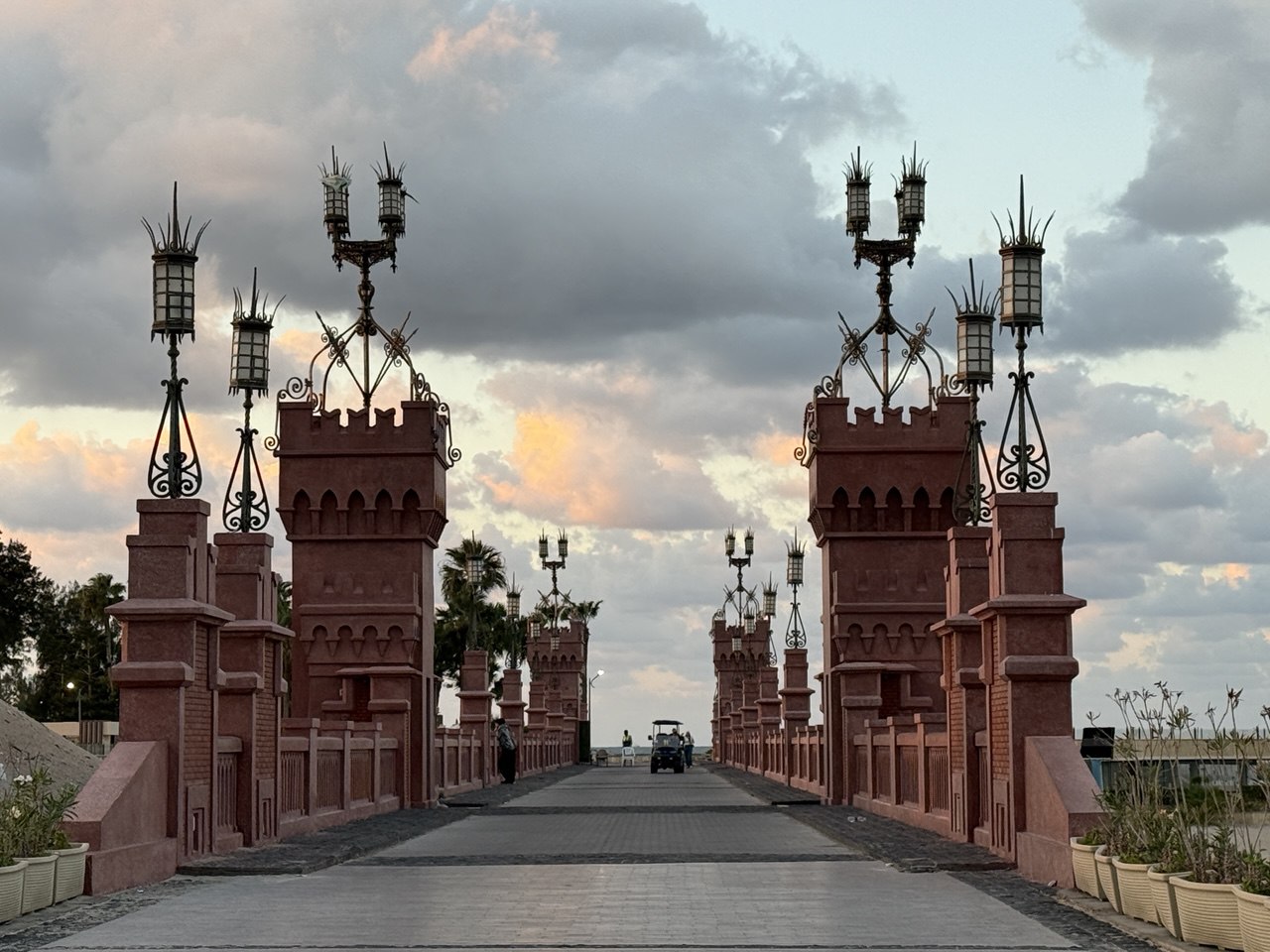
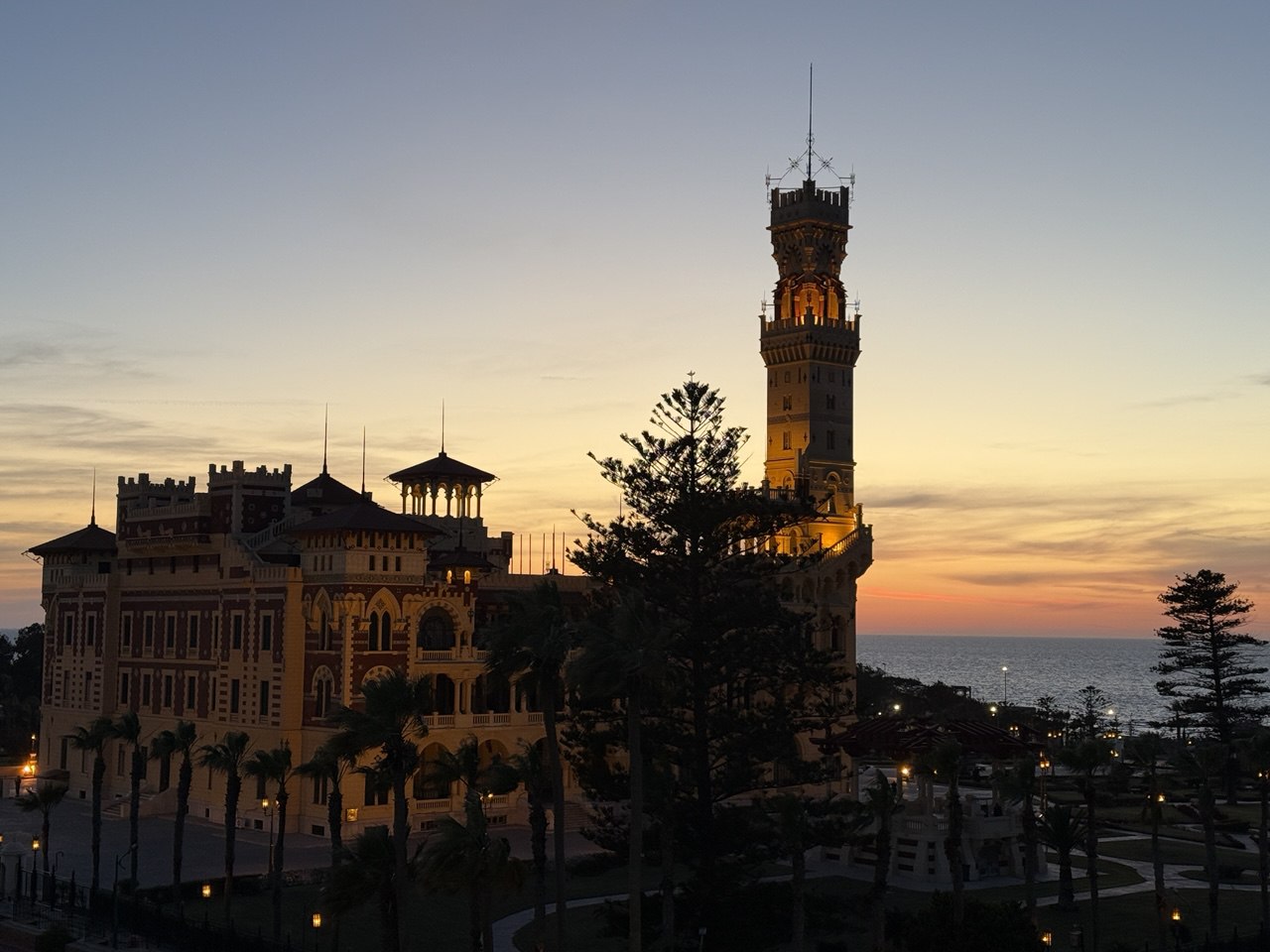
- Montaza Royal Park
Once the embodiment of royal refinement, the park has now been completely renovated, and sadly its royal spirit is gone forever…
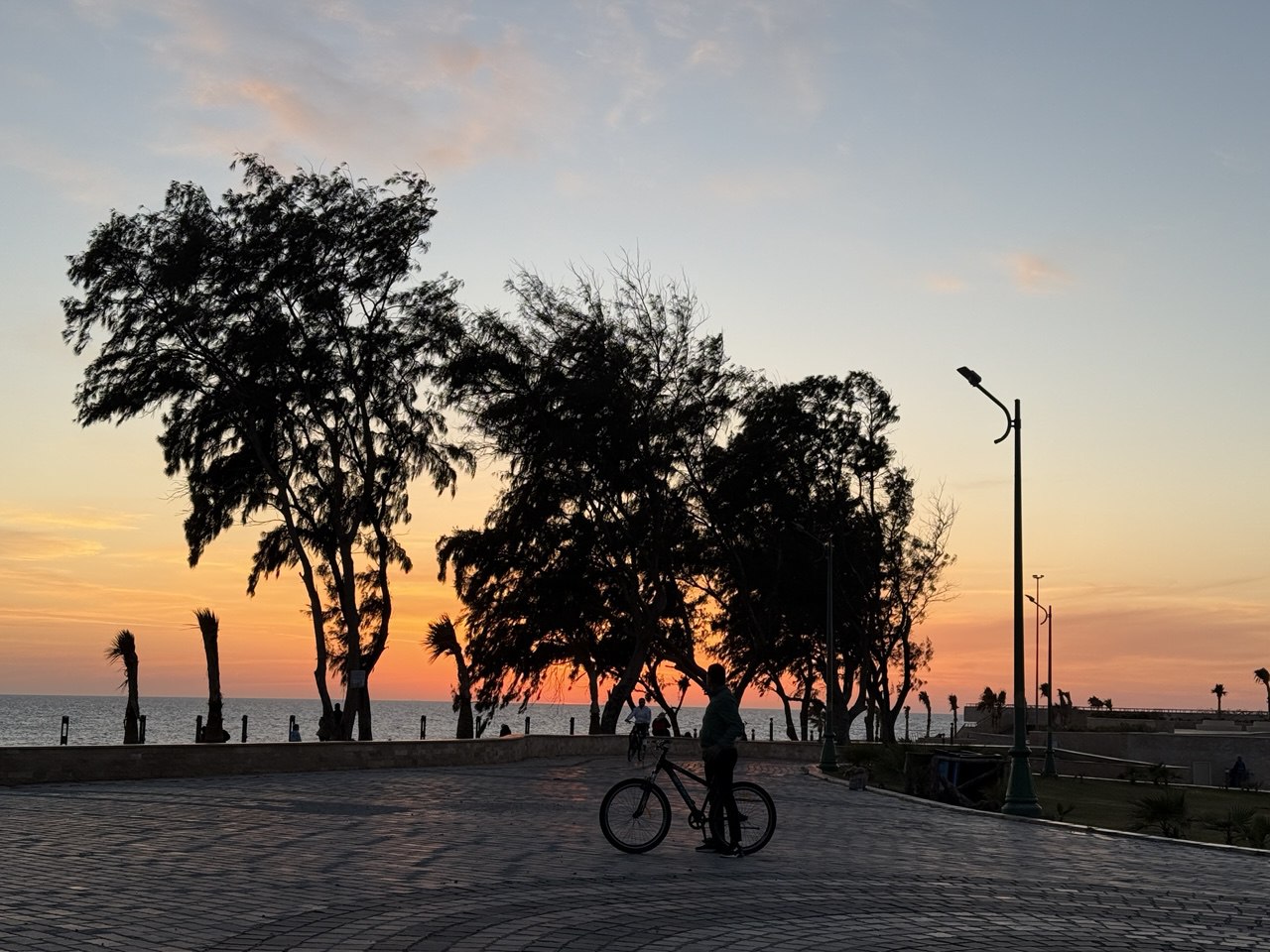
Even so, a walk here in the light of sunset is a pleasure, with magnificent views opening up at dusk
I recommend visiting the park 1 to 1.5 hours before sunset so you have time to walk around, since the grounds are quite large
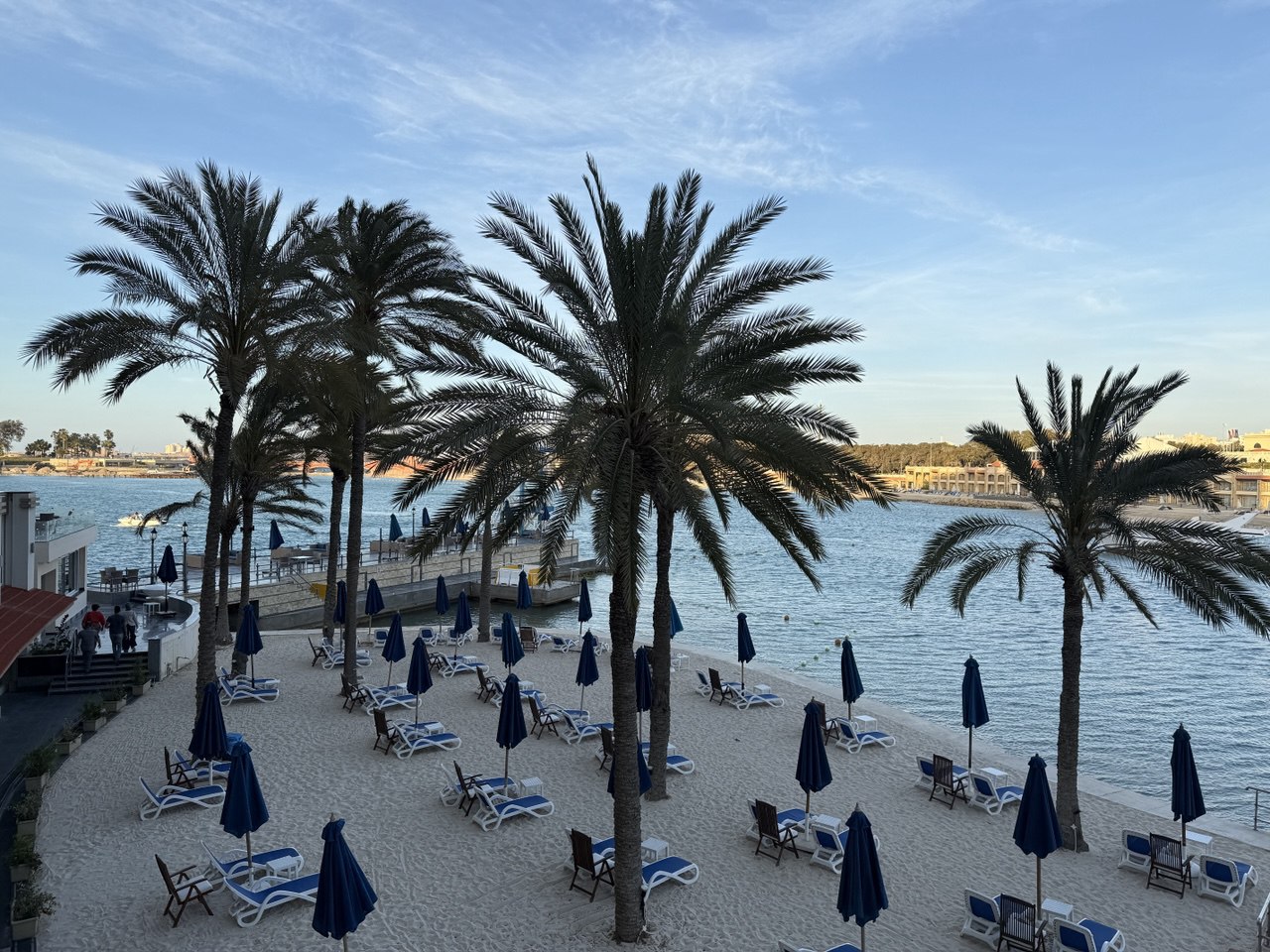
You can also stay at a hotel within the Montaza grounds. Four Rixos hotels have opened here quite recently, and there’s also a decent Helnan Palestine hotel
In addition to the main sights, we include photo stops in the program
In Alexandria these include
– Stanley Bridge
– the old opera house
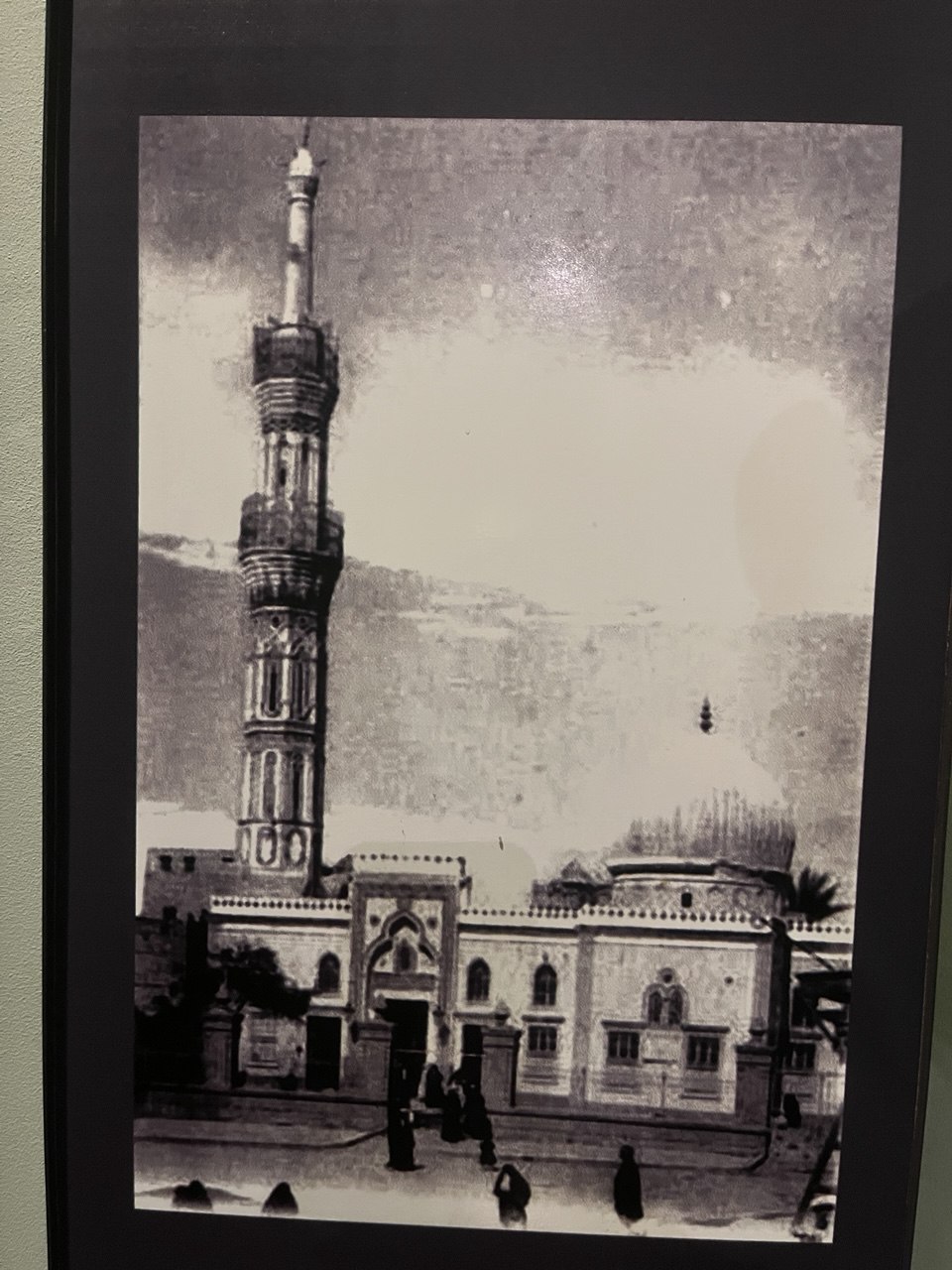
– the Mosque of Abu al-Abbas al-Mursi
– the colonial city
And we make coffee stops at the most beautiful spots in the city