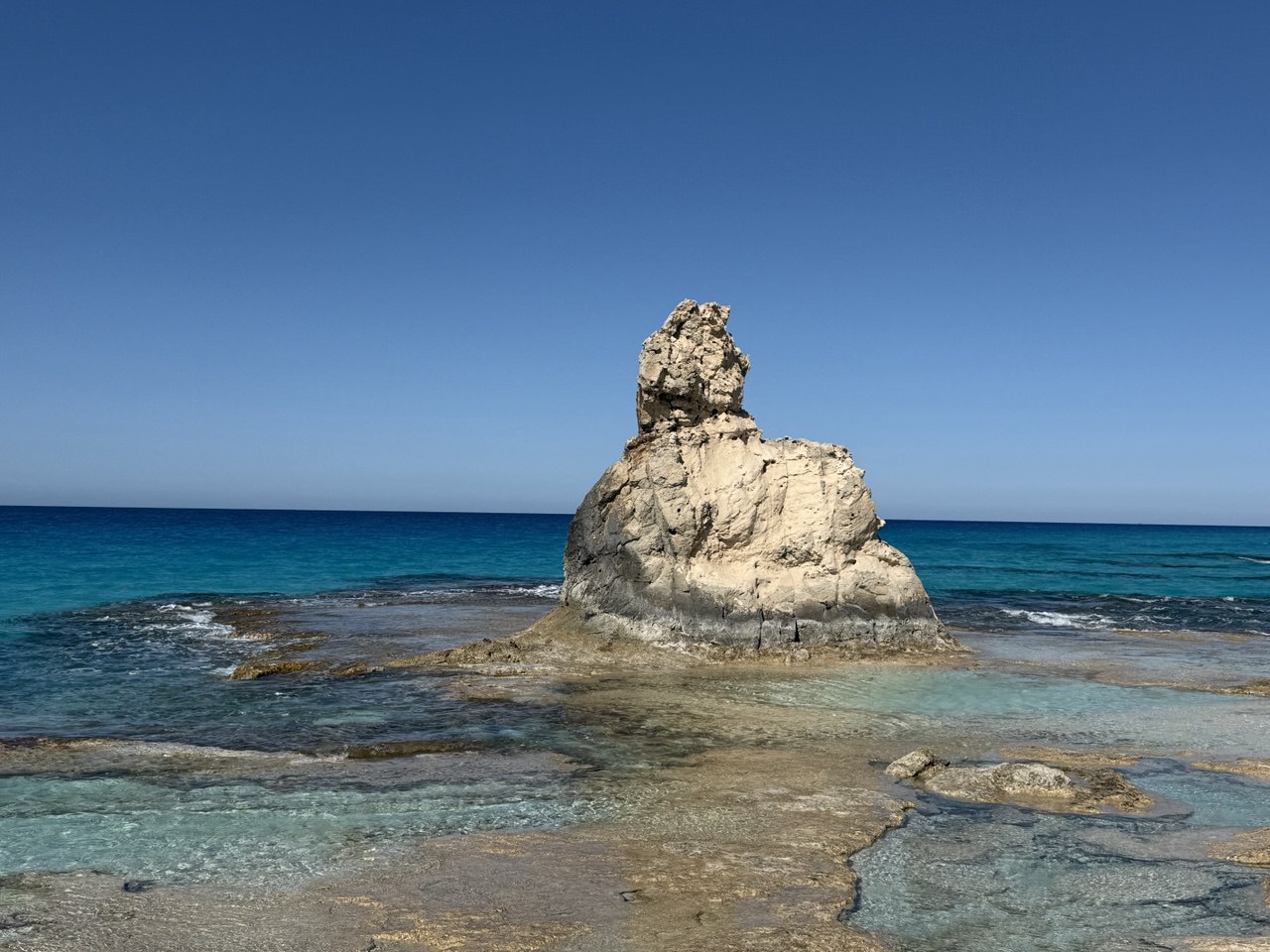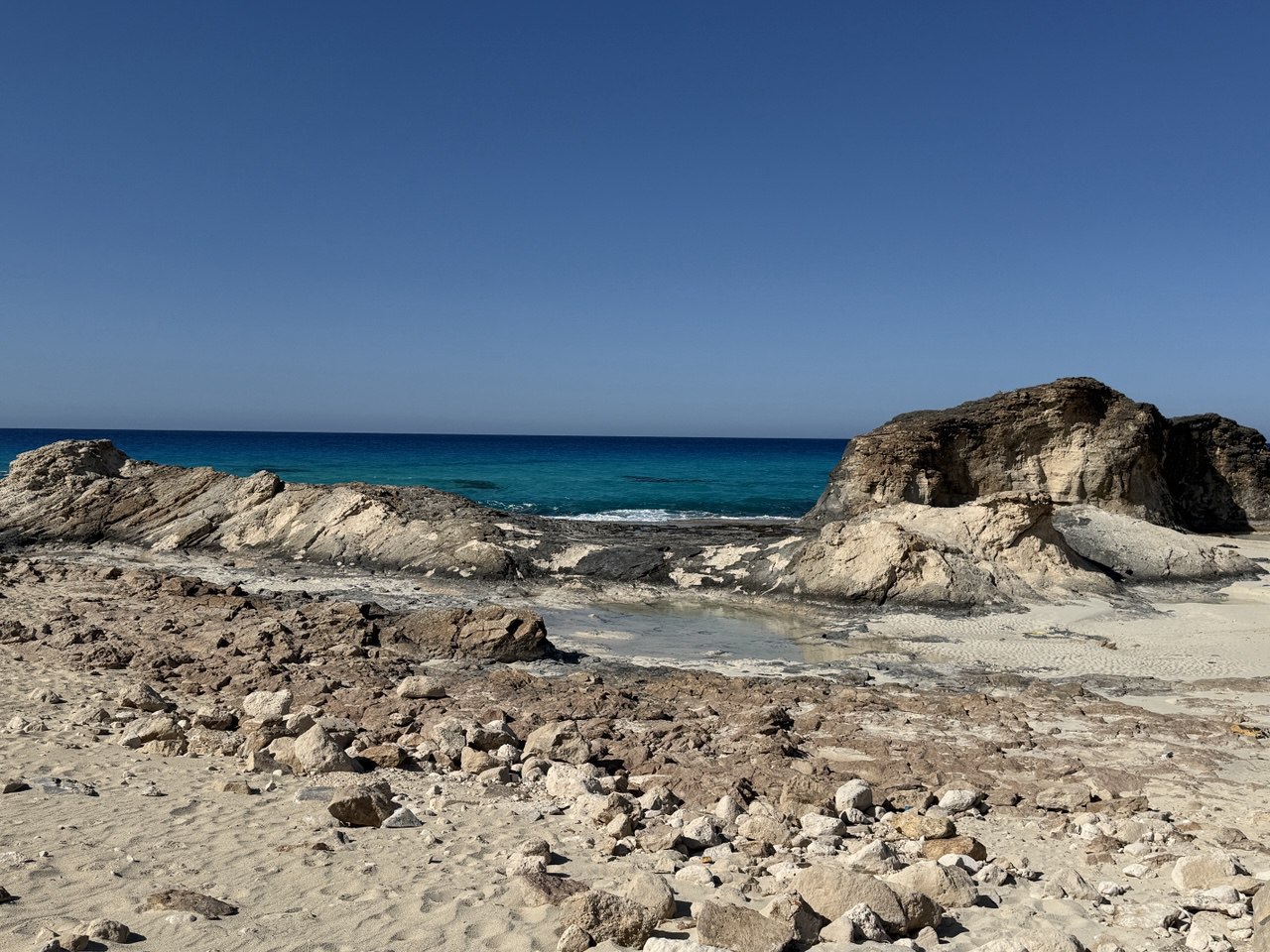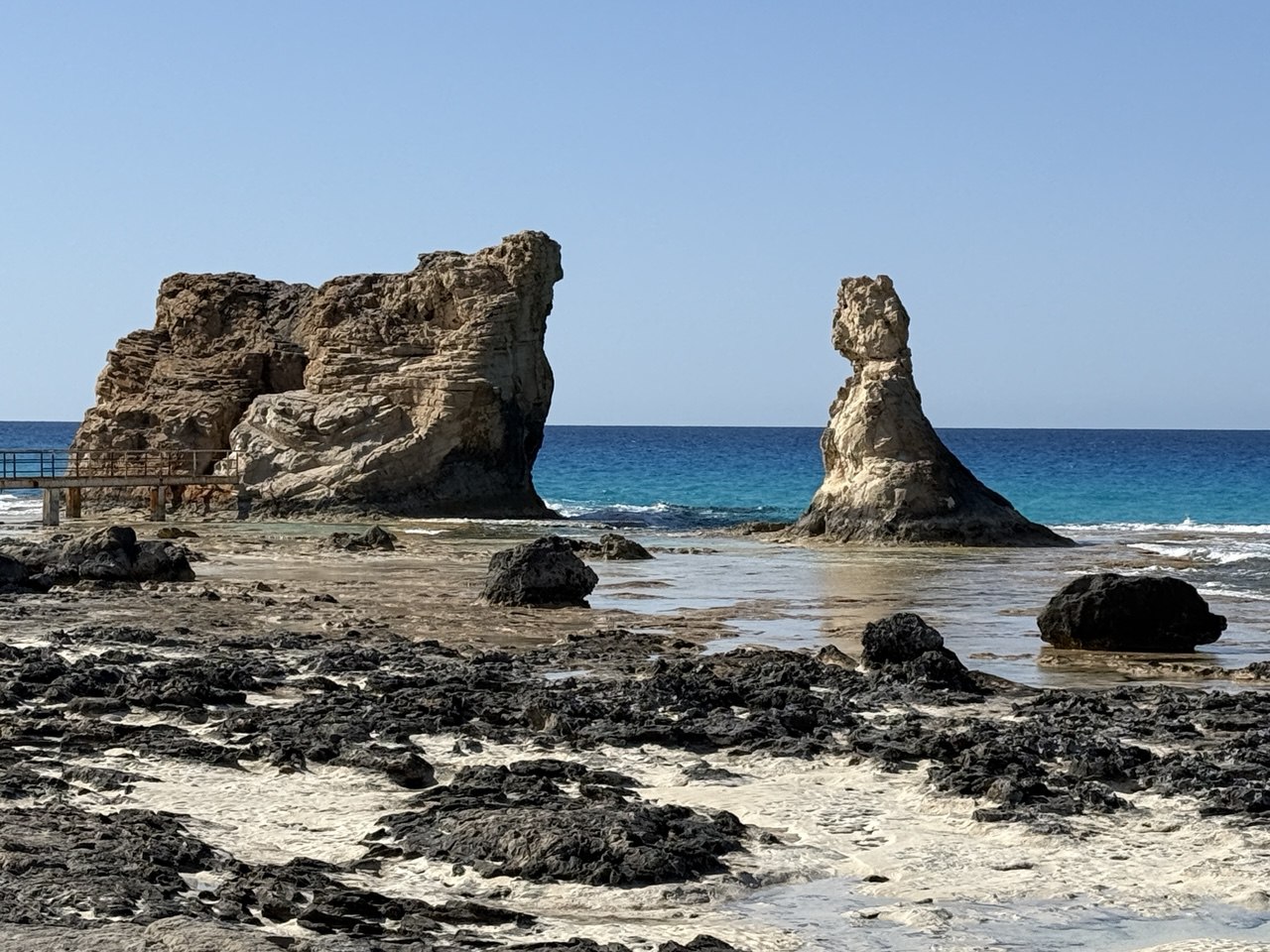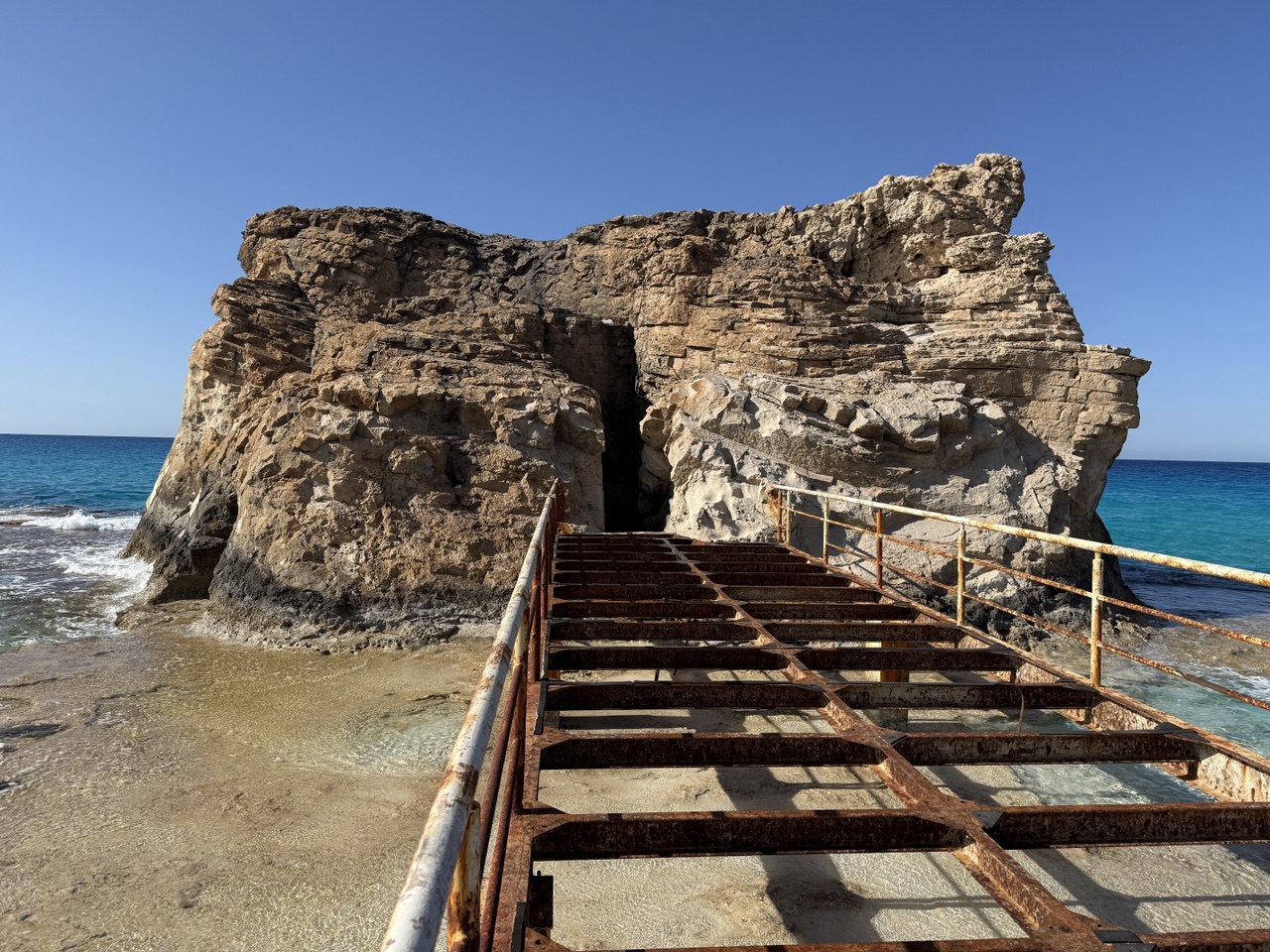
The city’s history goes back to antiquity…
In the 4th century BC, Alexander the Great’s caravan was making its way west across Egypt toward the Siwa oasis, where the famous oracle was already waiting to proclaim the great conqueror the Son of God
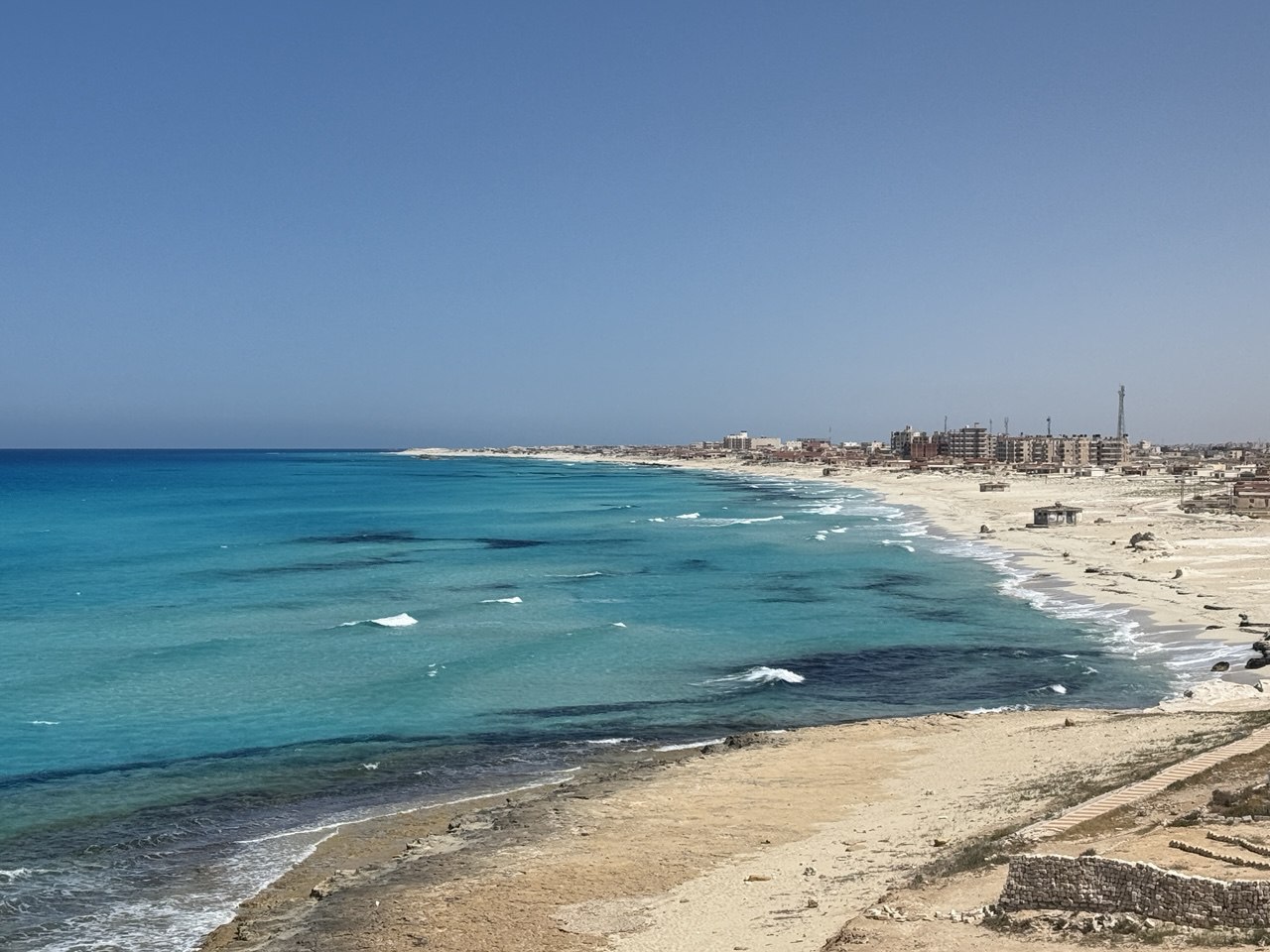
On the fifth day the army reached the shore - where snow-white sand merged with the extraordinary azure water of the Mediterranean Sea, and Alexander said: “Here the sea does not wage war on the land, it kisses it”
The commander’s words sounded like a prophecy. Alexander ordered a harbor to be built there, so that ships would come not for war, but for passage
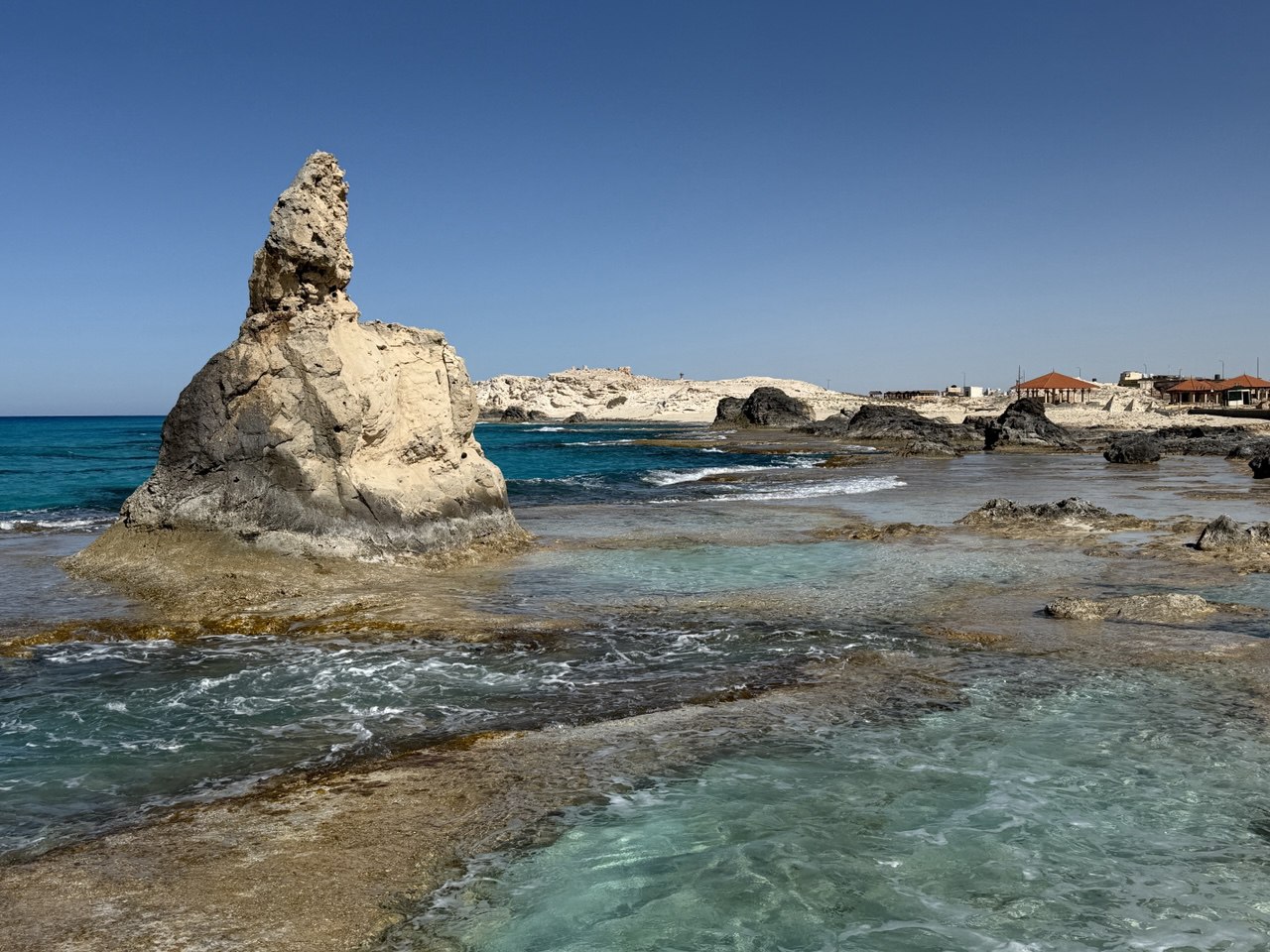
The wars fell silent, and Alexander sat for a long time on a rock by the water
Perhaps it was then, in that stillness between the desert and the sea, that the first dream of a city was born - a city that centuries later would be named Marsa Matrouh, “the Dropped Anchor”
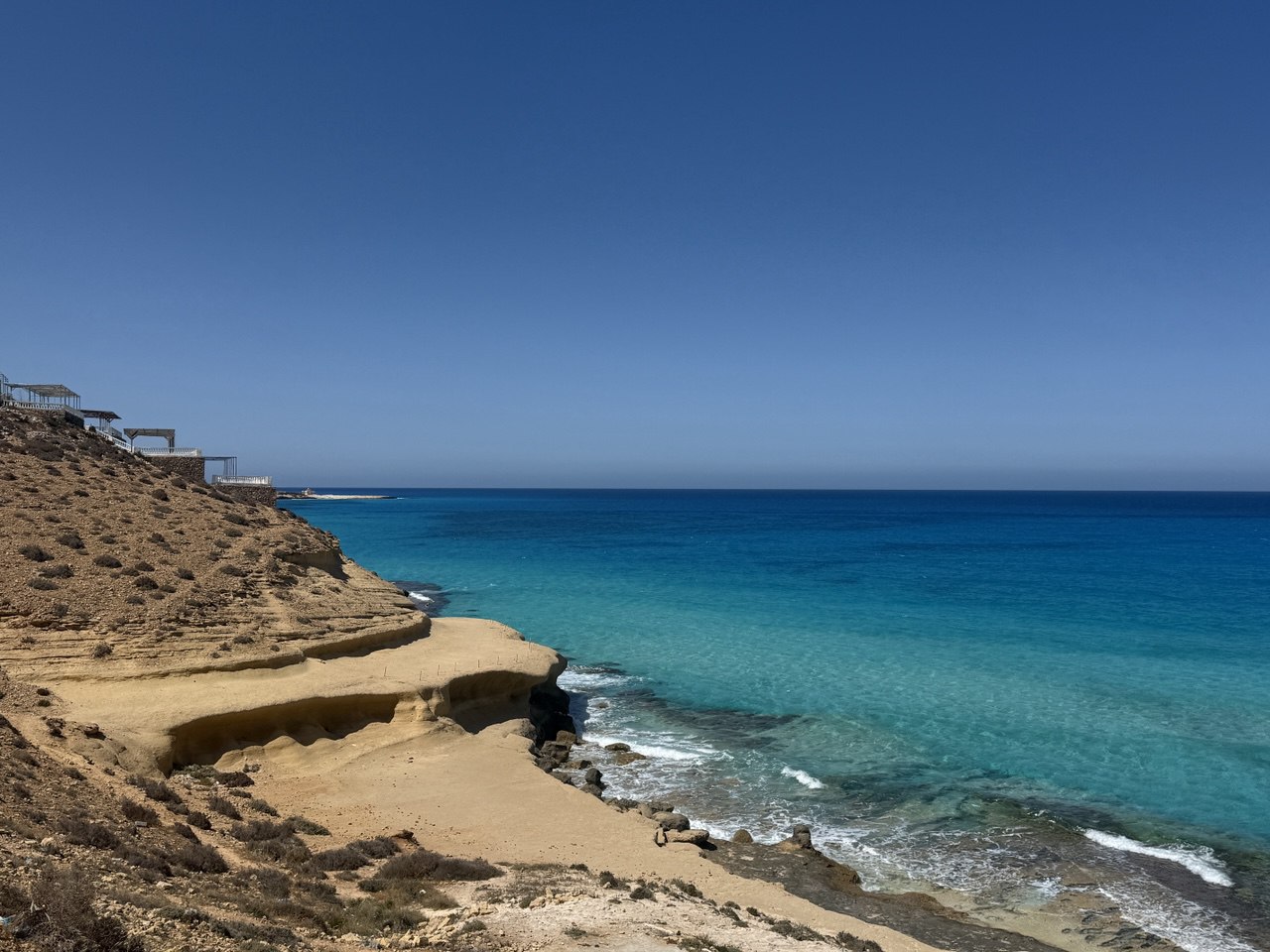
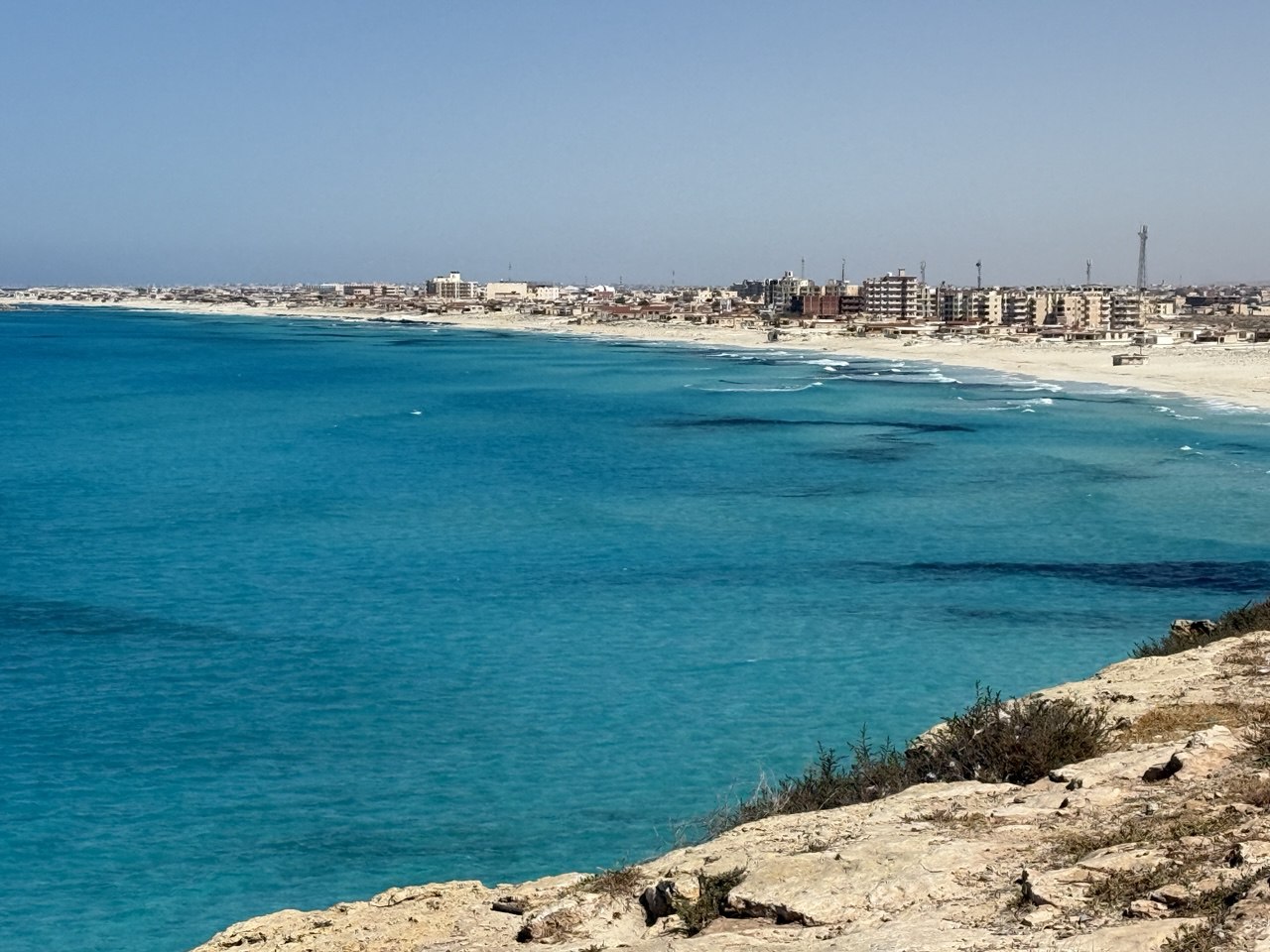
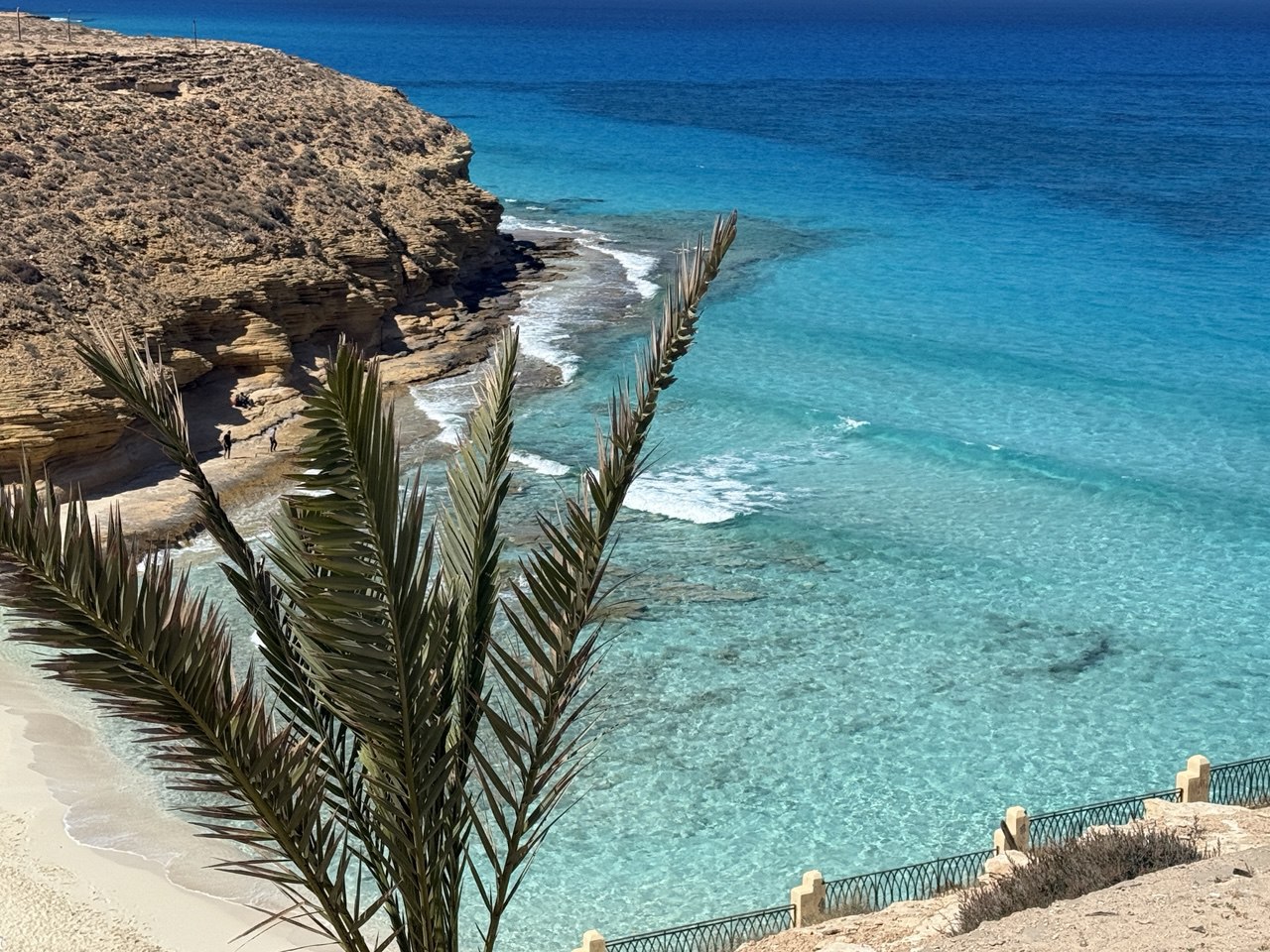
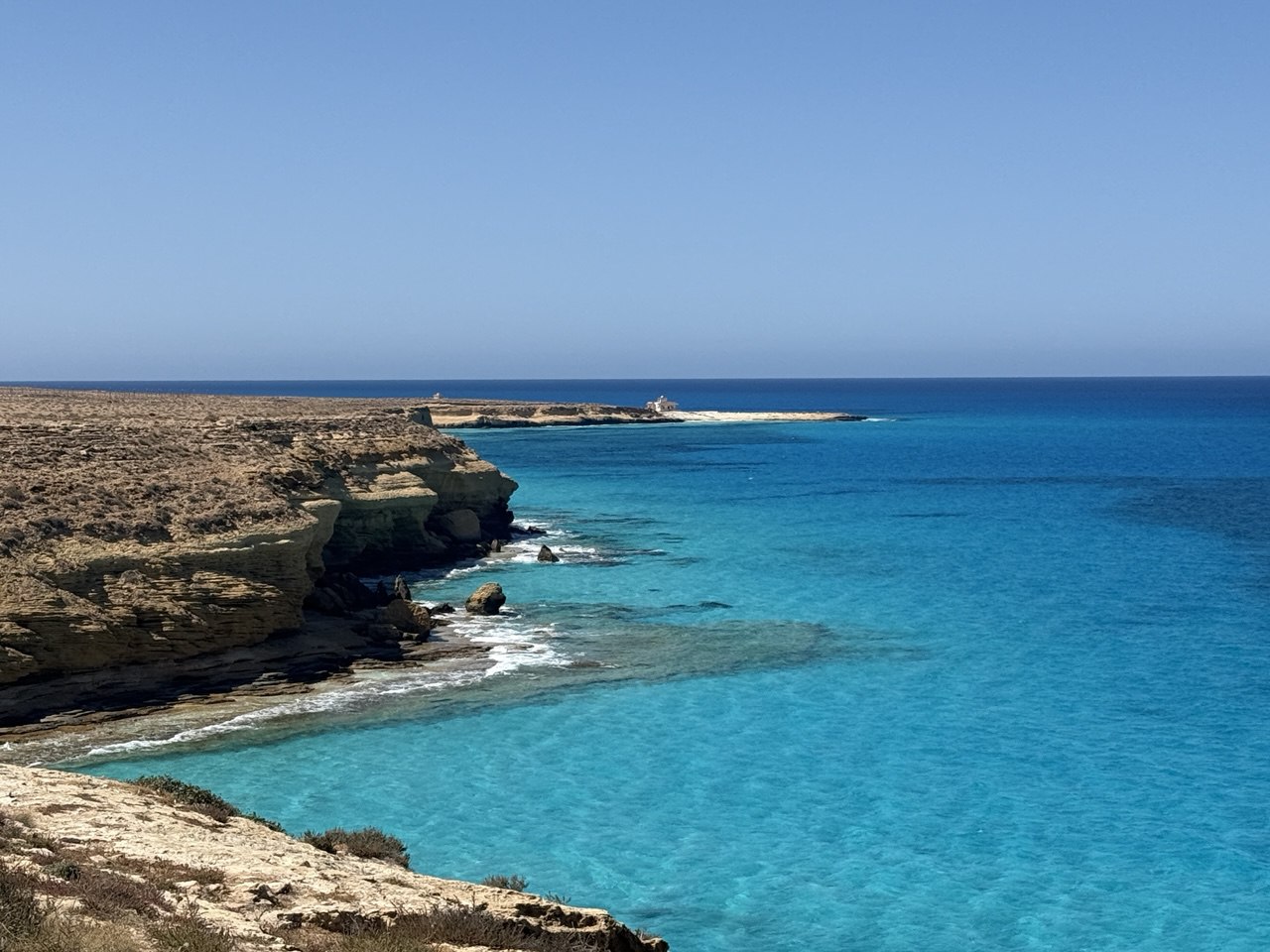
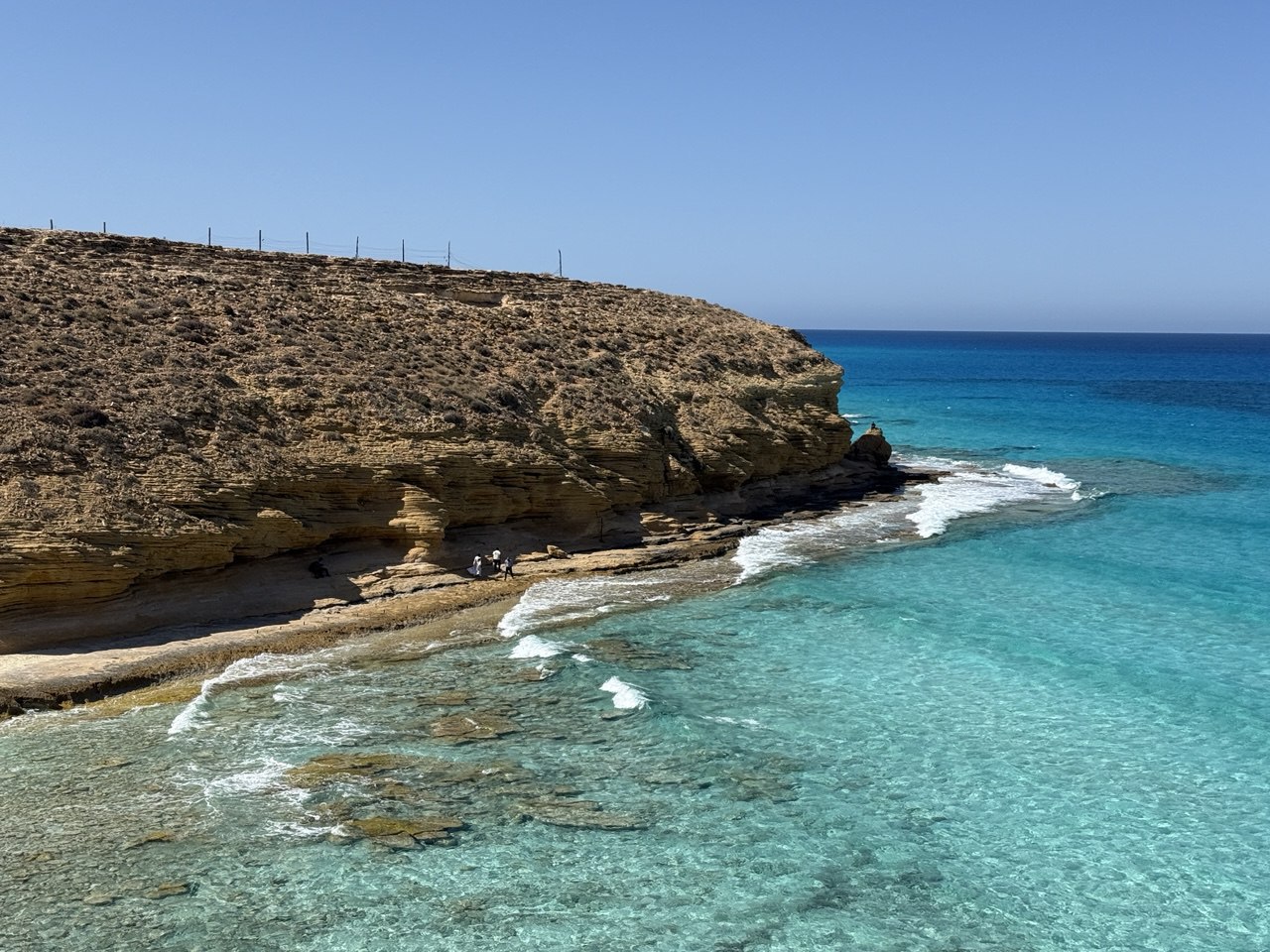
The city is known for its magnificent beaches, the most famous of which is Agiba, meaning “miracle”
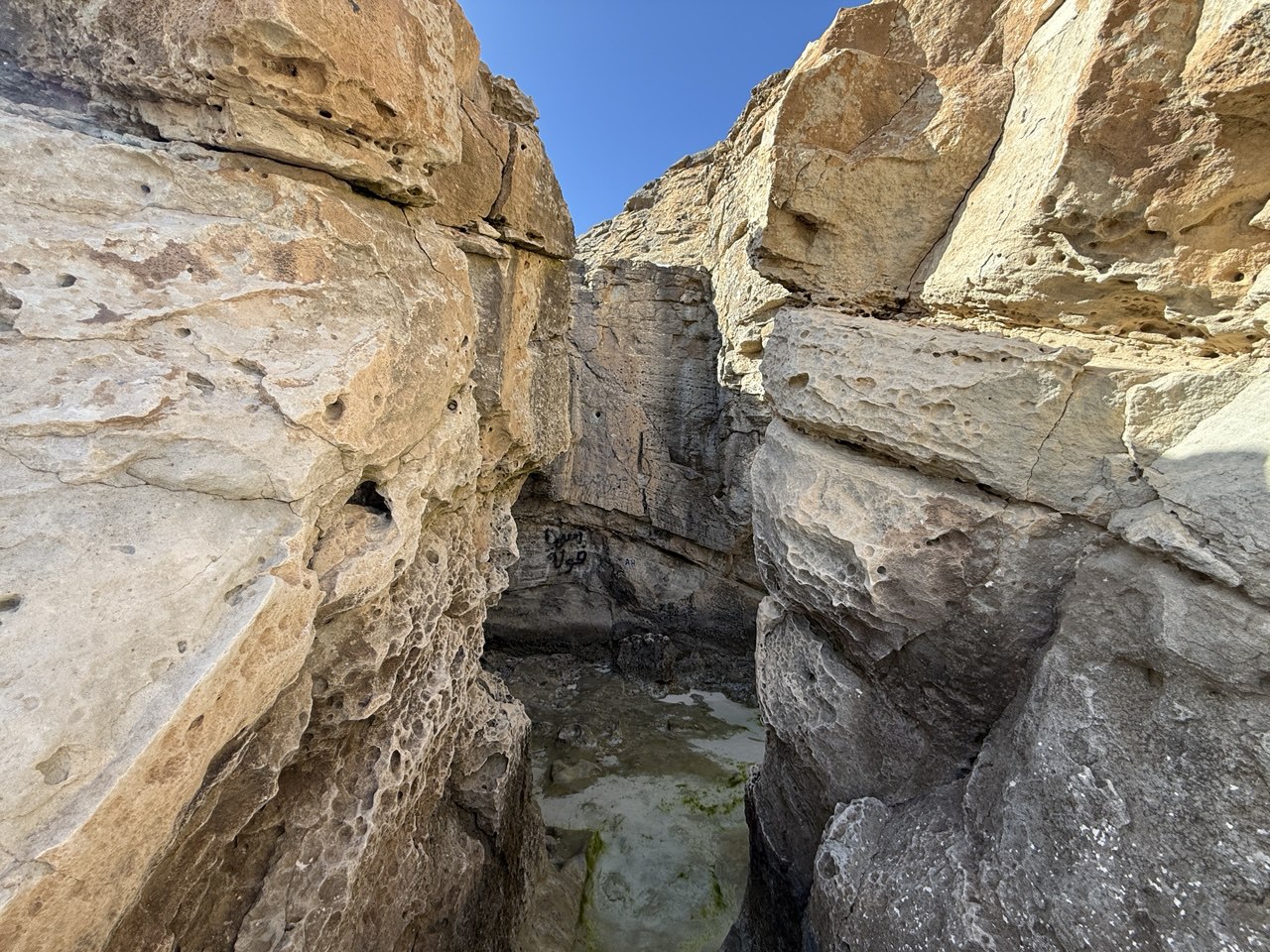
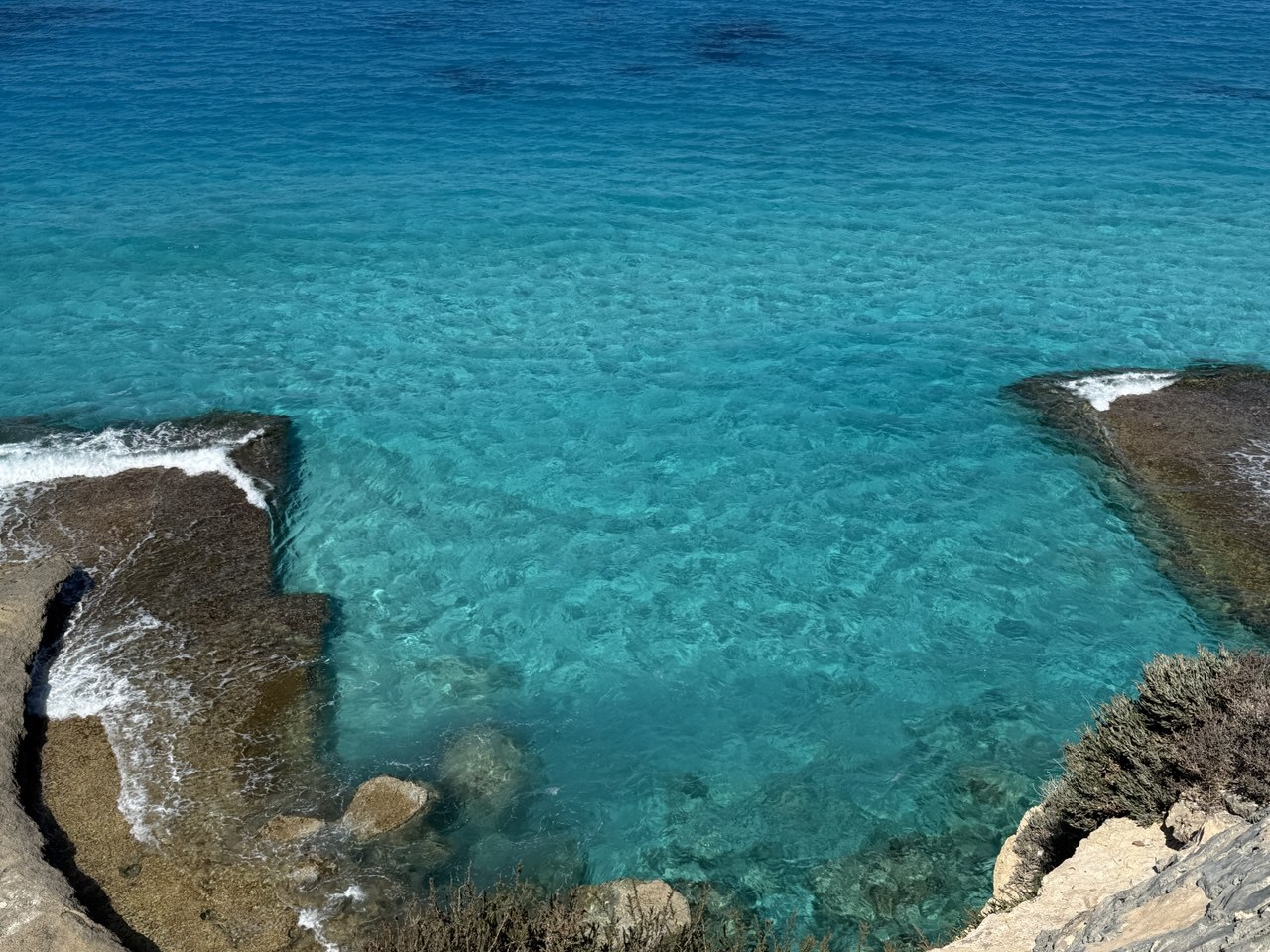
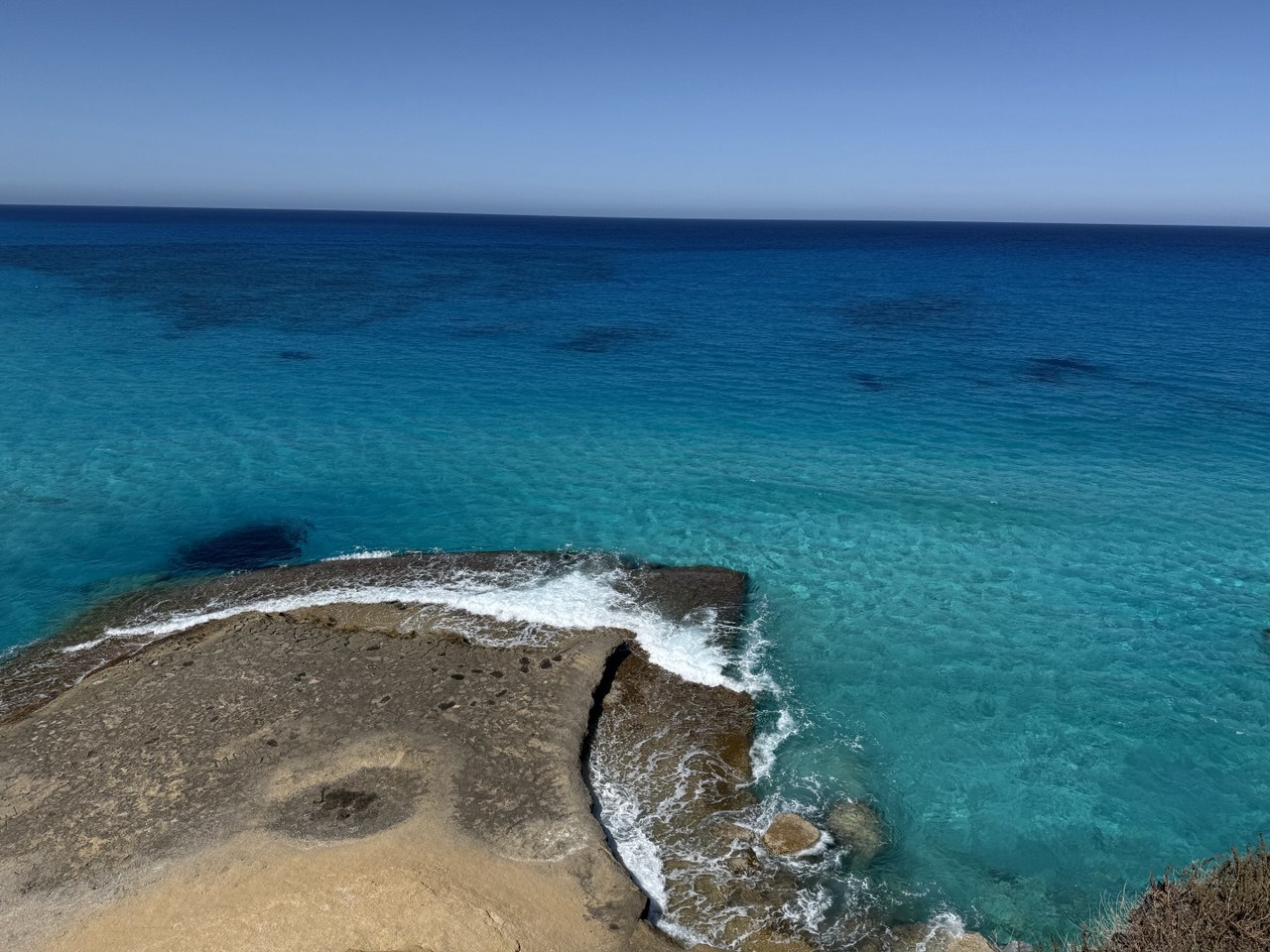
Here, between two sheer cliffs, a lagoon suddenly opens up, as if hidden from the world by the hand of God. From the top of the cliffs there’s a breathtaking view of the bay, and when you climb down, it feels like stepping into another world
Locals say: “Whoever has seen Agiba has seen a miracle created by the sea”
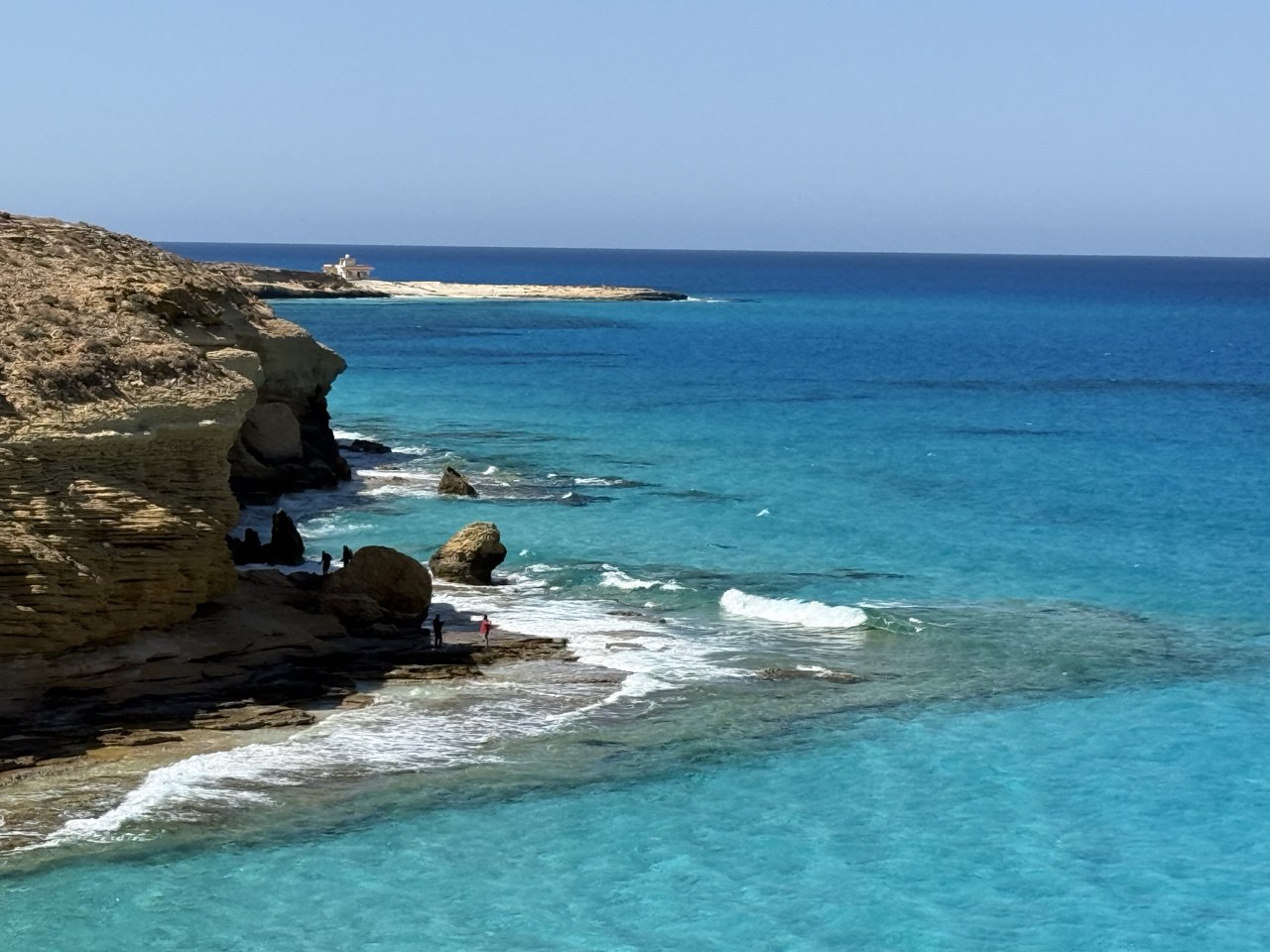
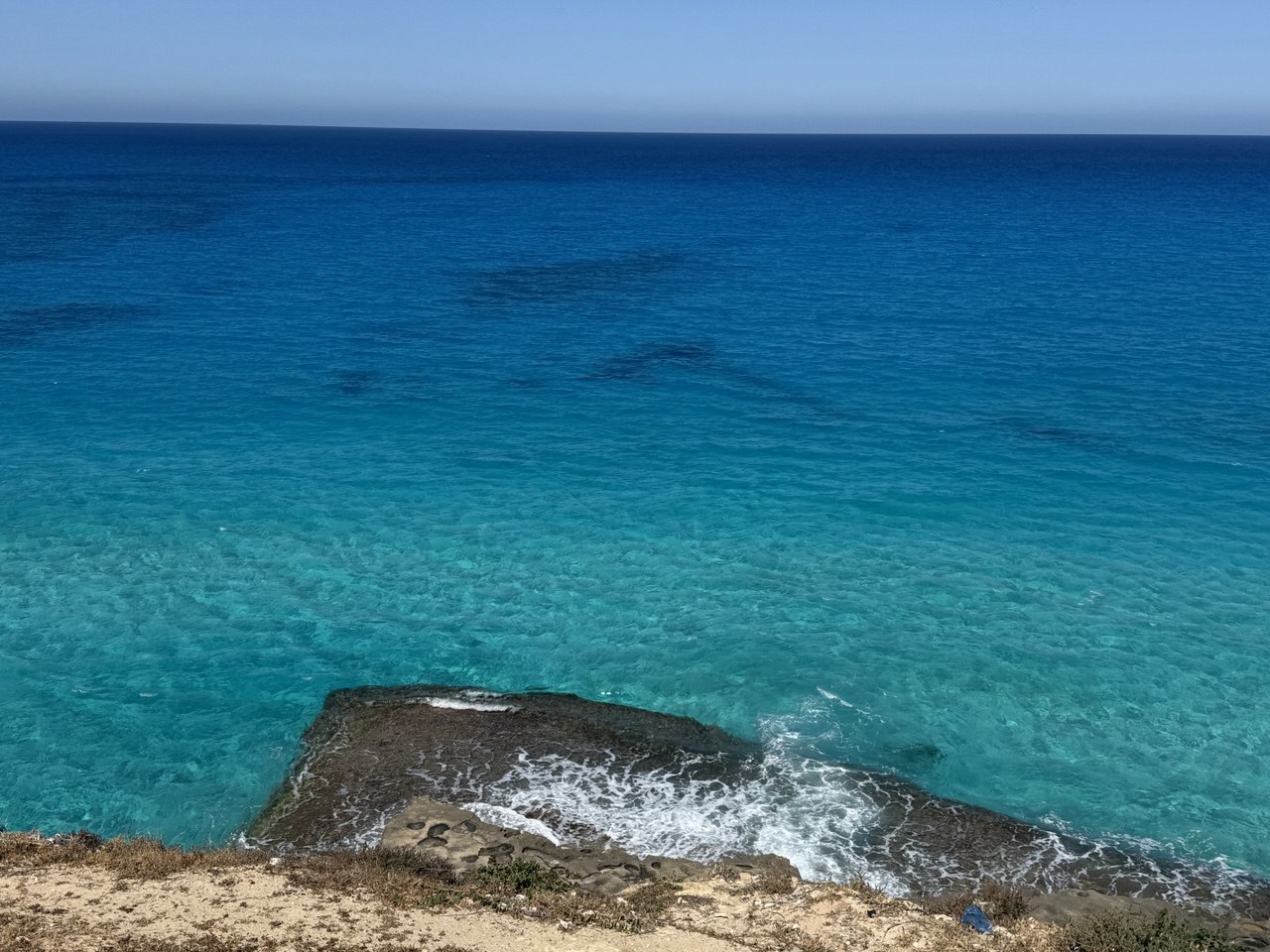
Cleopatra VII herself - the last queen of Hellenistic Egypt - once visited this place
Legend has it that she had a secret grotto in Marsa Matrouh, a stone bathing pool. Cleopatra called this place “the mirror of the goddess Isis,” and it was here that the queen sought answers
One day Cleopatra threw a golden ring - a gift from Caesar - into the water at this spot and whispered: “Let the sea keep what the heart cannot”
Ever since, locals say that the waves here glow in the moonlight, as if reflecting the glint of the lost ring