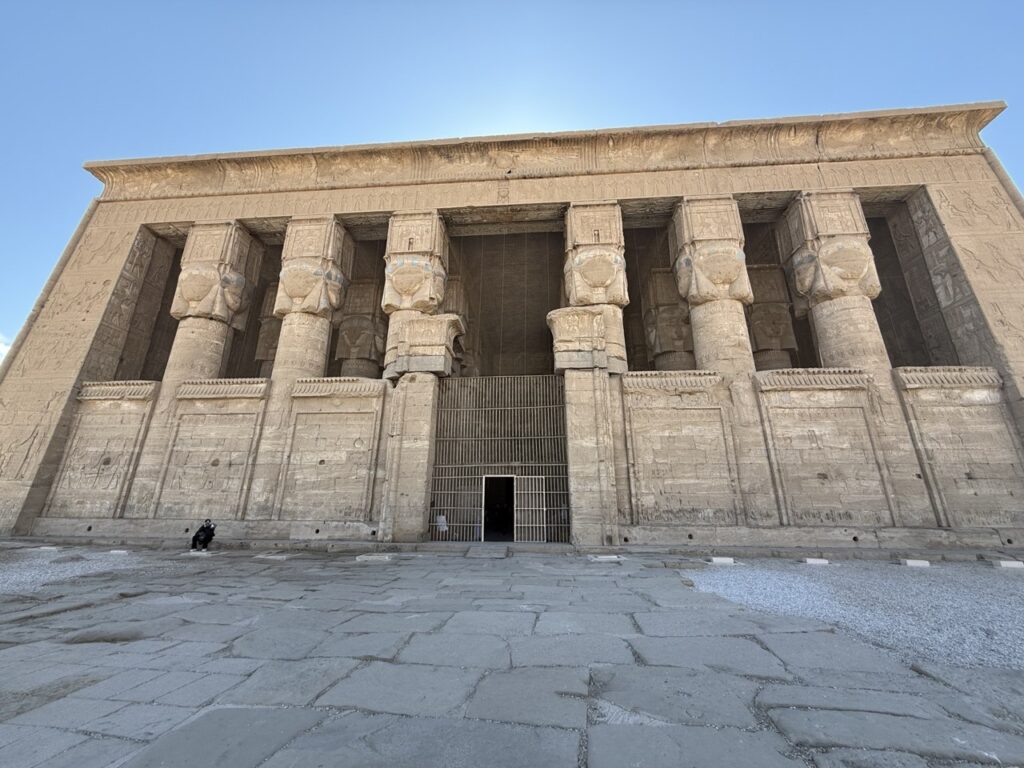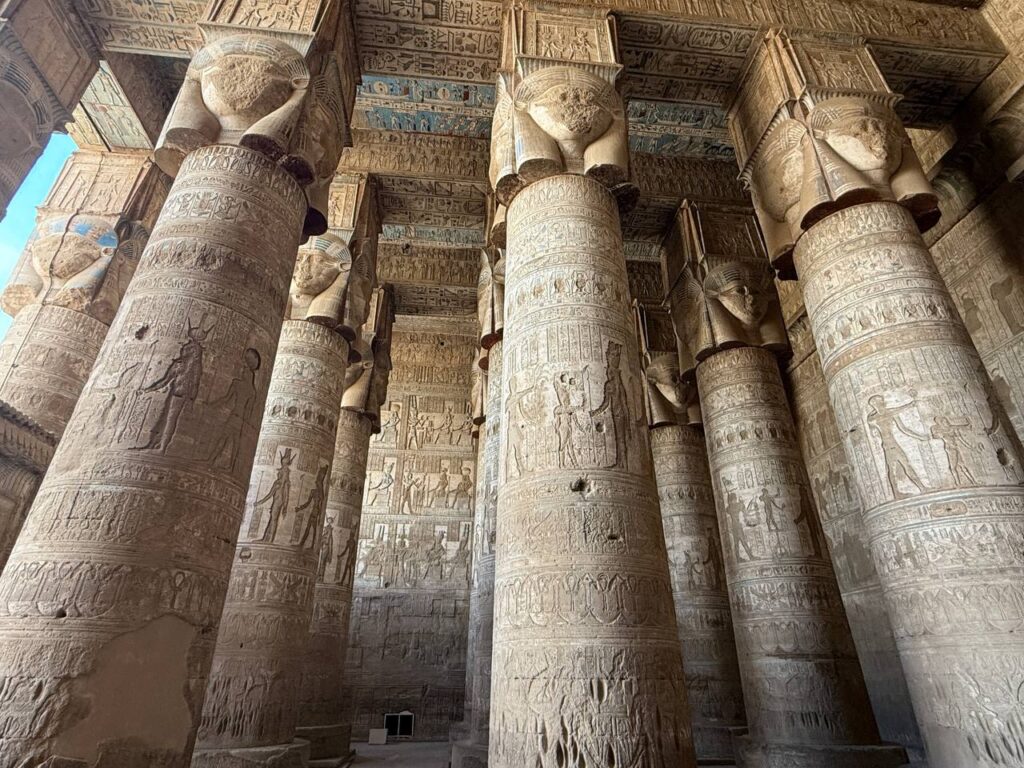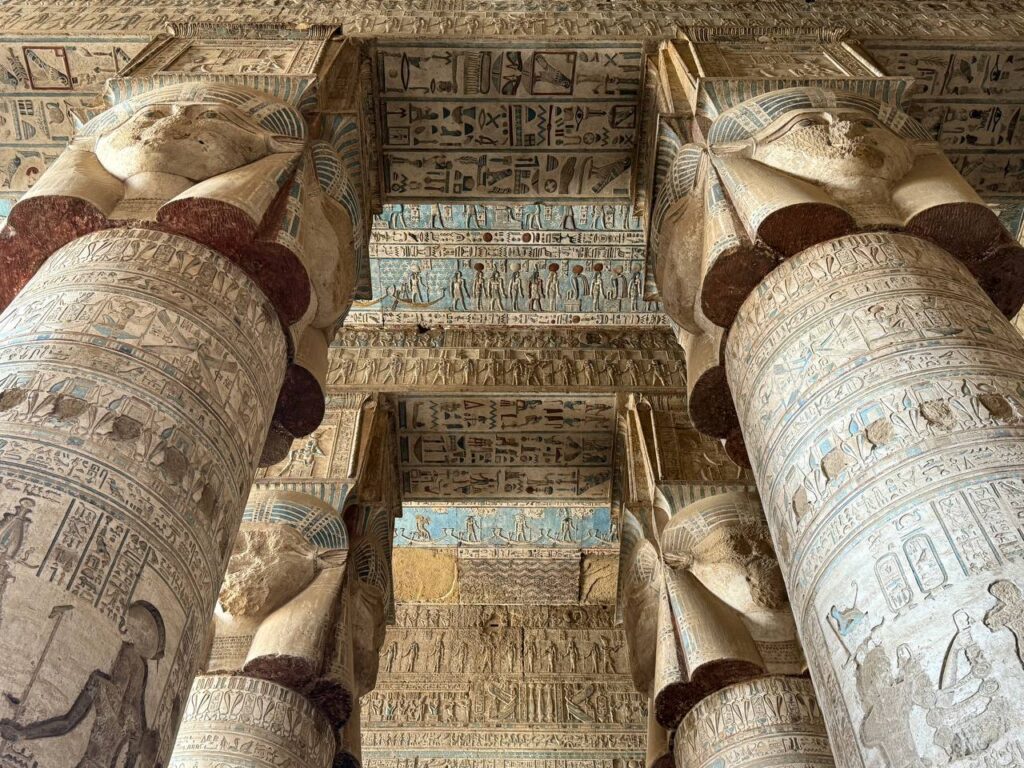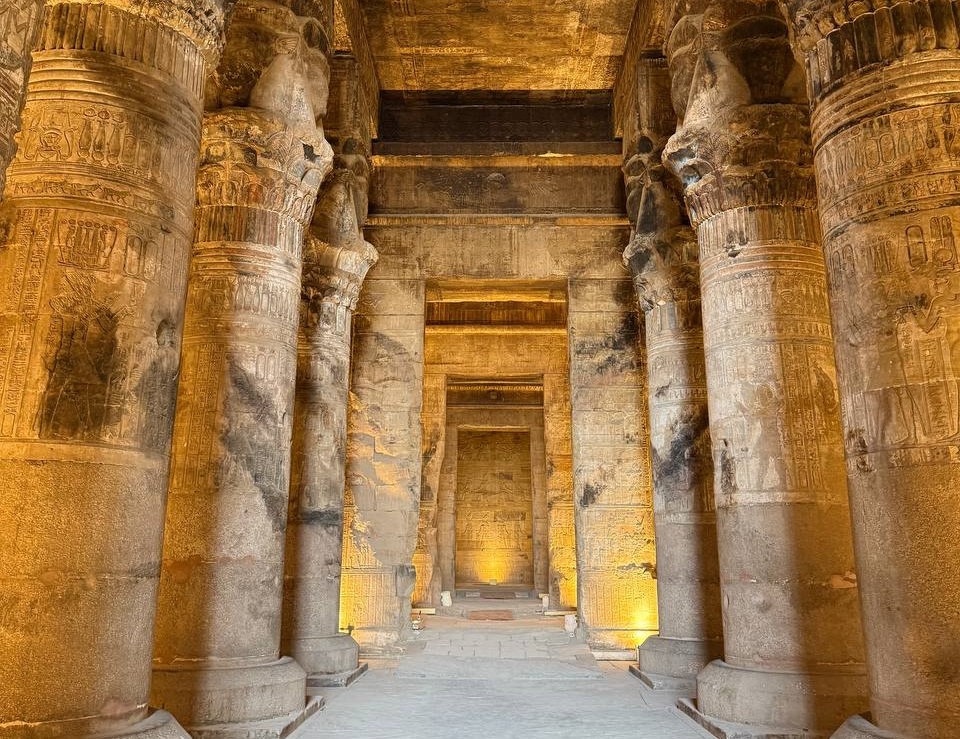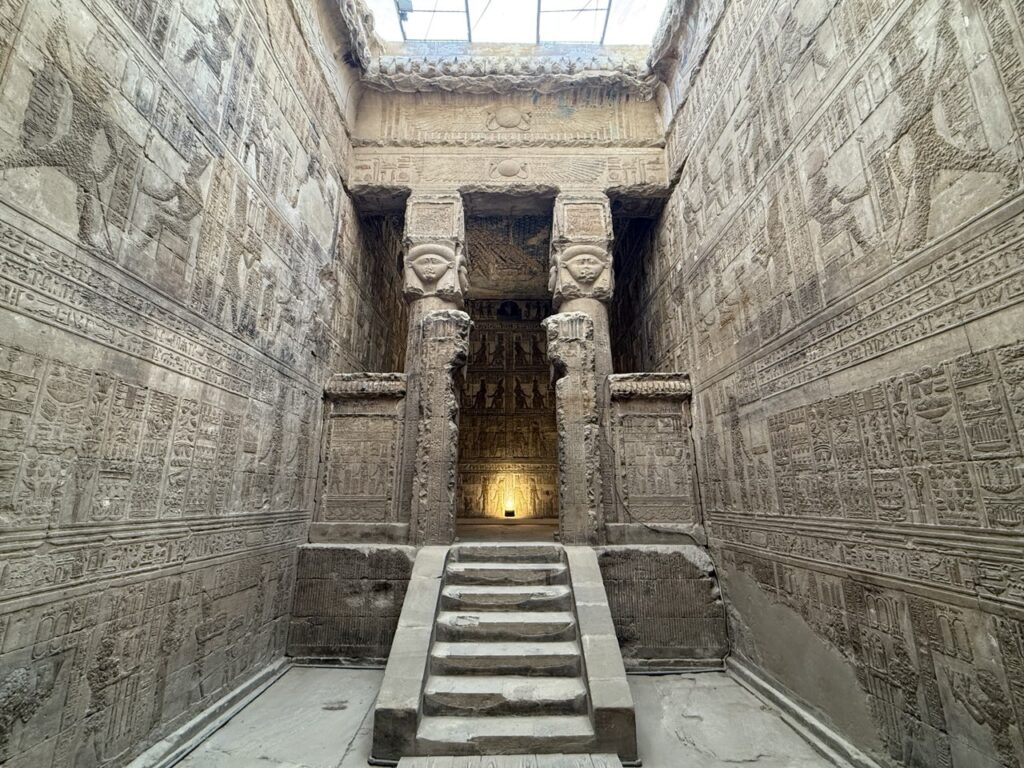
The Temple of Hathor at Dendera is the most beautiful and best-preserved temple of ancient Egypt
A trip to Dendera is possible from Hurghada
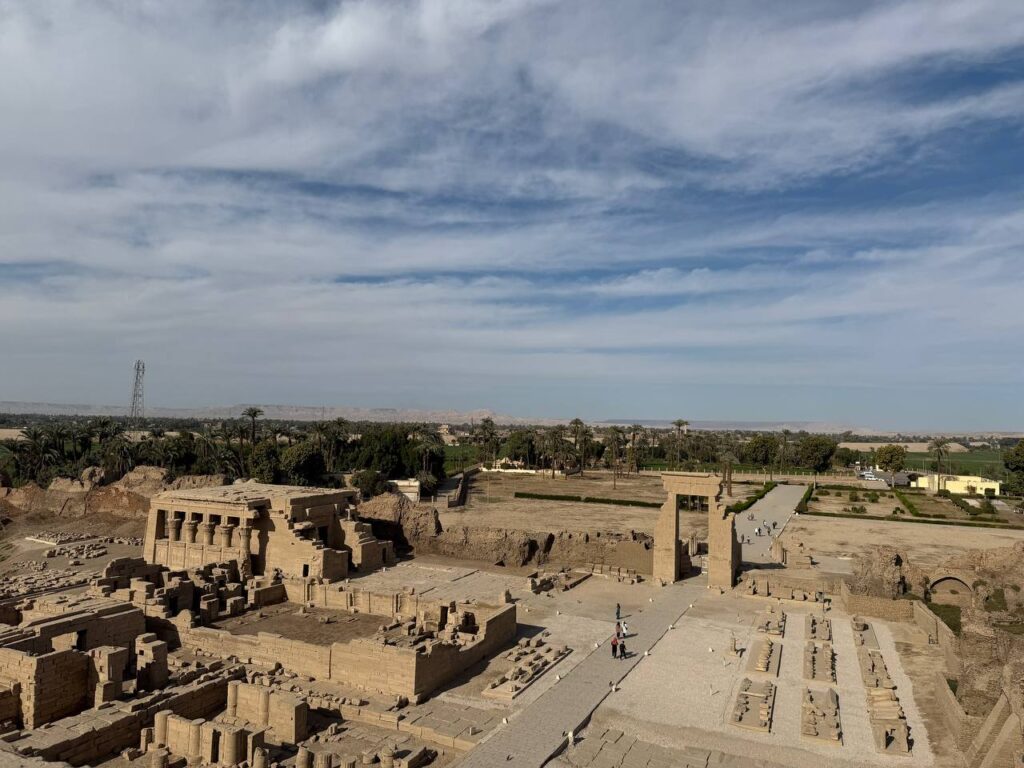
There was once a temple complex here, on the grounds of which stood
– the main temple of the goddess Hathor
– granaries, the goddess’s gardens, a sacred lake
– the small temple of the goddess Isis, where, according to legend, the sky goddess Nut gave birth to Isis
– the temple of the god Horus
– the mammisi (birth house)
– the catacombs of the sacred cows
– a temple school
As well as one of the most famous hospitals throughout the existence of the ancient world. The famous Dendera Sanatorium was legendary - pilgrims came here for healing, and also to receive help from the highly educated priesthood of the goddess
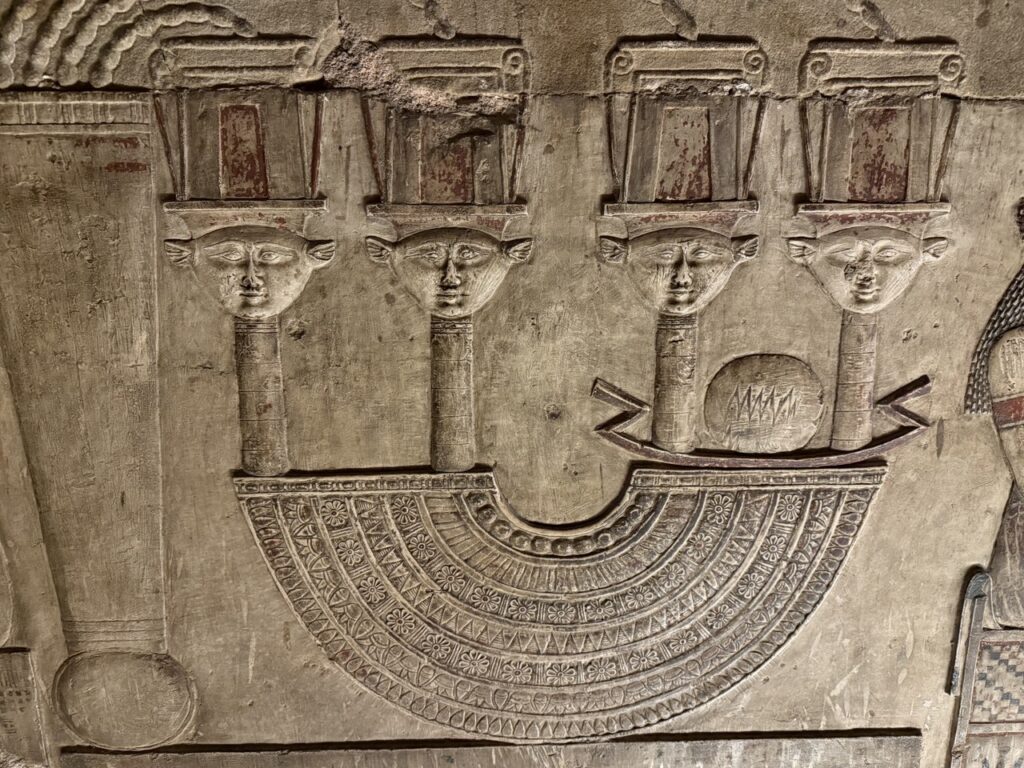
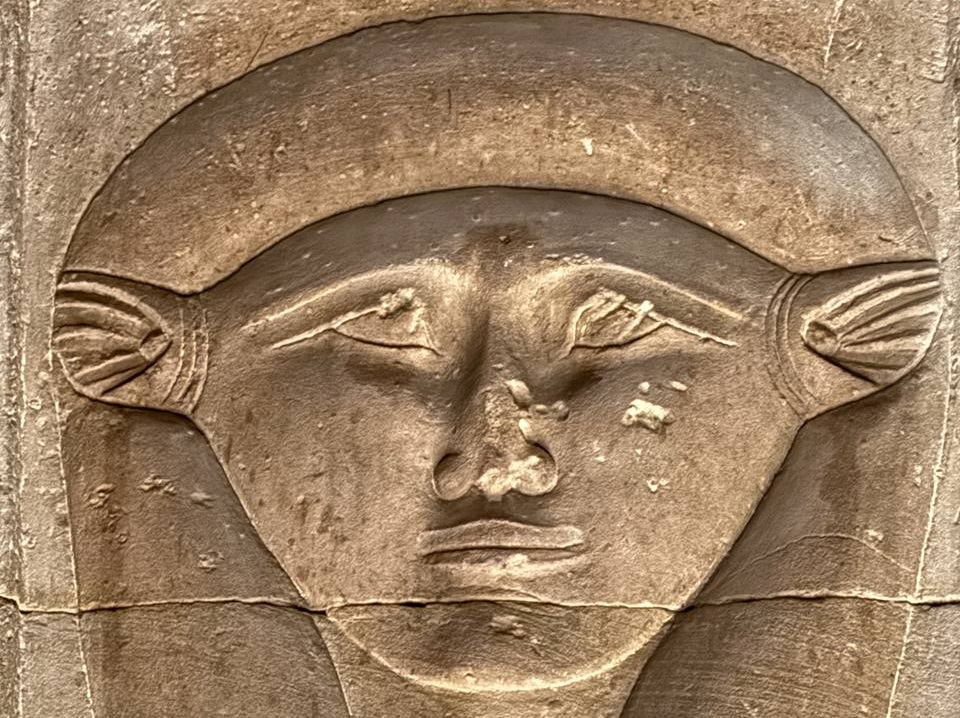
The temple was one of the main places of worship of the goddess Hathor - she who knows all the secrets of a woman’s heart, revered by the Egyptians as the ideal of femininity
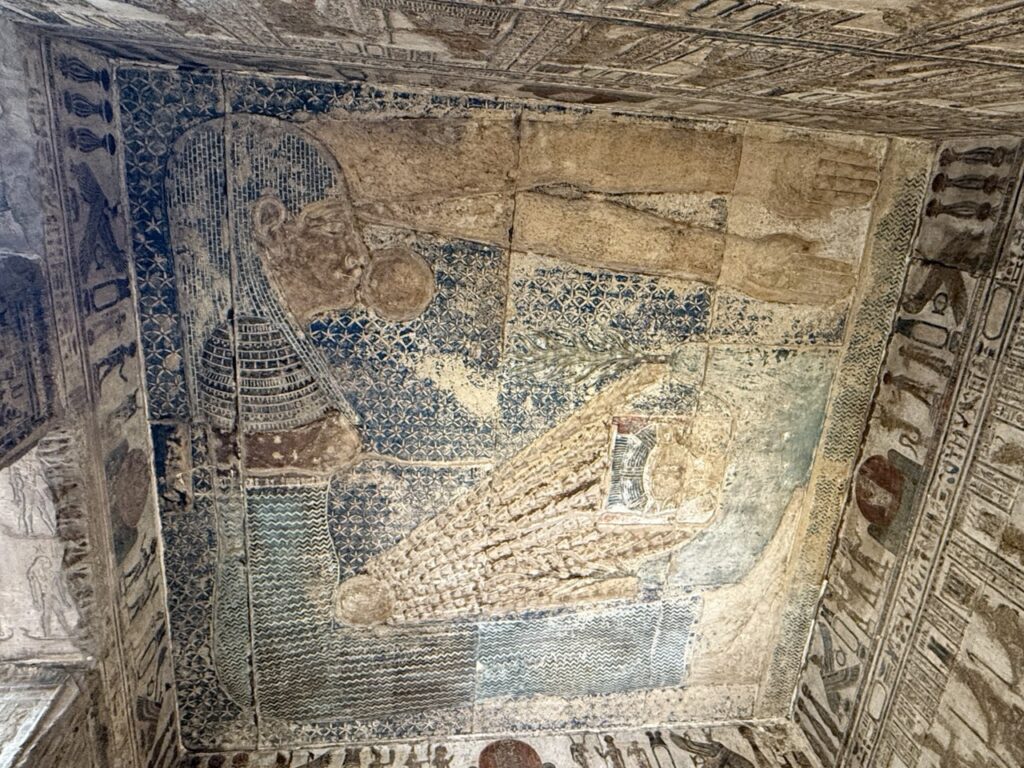
Hathor is a celestial goddess, which is why the temple at Dendera is filled with astronomical, and later astrological, imagery
The ancient name of the temple was Iunet Tanetjeret, meaning “The Stronghold of the Goddess”
On the upper floor of the temple was the chamber of divine sleep, where a pilgrim was placed along with their offerings to the goddess. If the pilgrim saw the goddess Hathor in a dream, this was considered a good sign
When choosing the site for a future temple, the North Star served as a reference point
The ancient Egyptians believed that to the north lay a passage into other worlds, which is why this reference point was so important
A cord was stretched between the four corners, and then all the earth at this spot was removed down to the groundwater, which was considered part of the ocean of chaos, Nun. The whole area was then purified with sacred natron and filled with hand-selected clean sand
Hidden deposits were placed in the four cornerstones. Gold - the symbol of the gods, electrum (an alloy of gold and silver) - the symbol of the goddesses, lapis lazuli - the color of the goddess Hathor’s hair, turquoise - the color of the goddess’s skin, and jasper and carnelian - the color of Hathor’s blood.
After this, the king would make the first brick out of silt, incense and precious materials, stamped with his own name, and the house of the goddess was then built from the remaining bricks
Hathor’s husband is the god Hor (Horus), which is why the goddess’s name translates as “the estate of the god Horus”, and the ancient Egyptians called Hathor “the Golden Lady of Love”
Hathor was also called the one who delights with her singing, and her temple at Dendera was known as the “House of Music”
The feeling of music, jubilation and singing was very significant for Dendera, which is why one of the finest women’s singing schools existed here for many centuries. The Chorus of Dendera traveled across Egypt to take part in religious festivals
The temple at Dendera was incredibly wealthy throughout its existence