The Cult of Osiris
Osiris is the god of the underworld and eternal renewal. According to mythology, the god’s death and subsequent resurrection became a symbol of the rebirth of nature and the human soul. Osiris attained eternal life through death
Abydos as a Sacred Place
Abydos was one of the main centers of worship of Osiris. Rituals and festivals dedicated to renewal and rebirth were held here, underscoring the sacred character of this place
Abydos was considered a place where the boundaries between the physical and spiritual worlds dissolve - essentially, for the ancient Egyptians, it was a portal between worlds
The Story of the Osireion’s Discovery
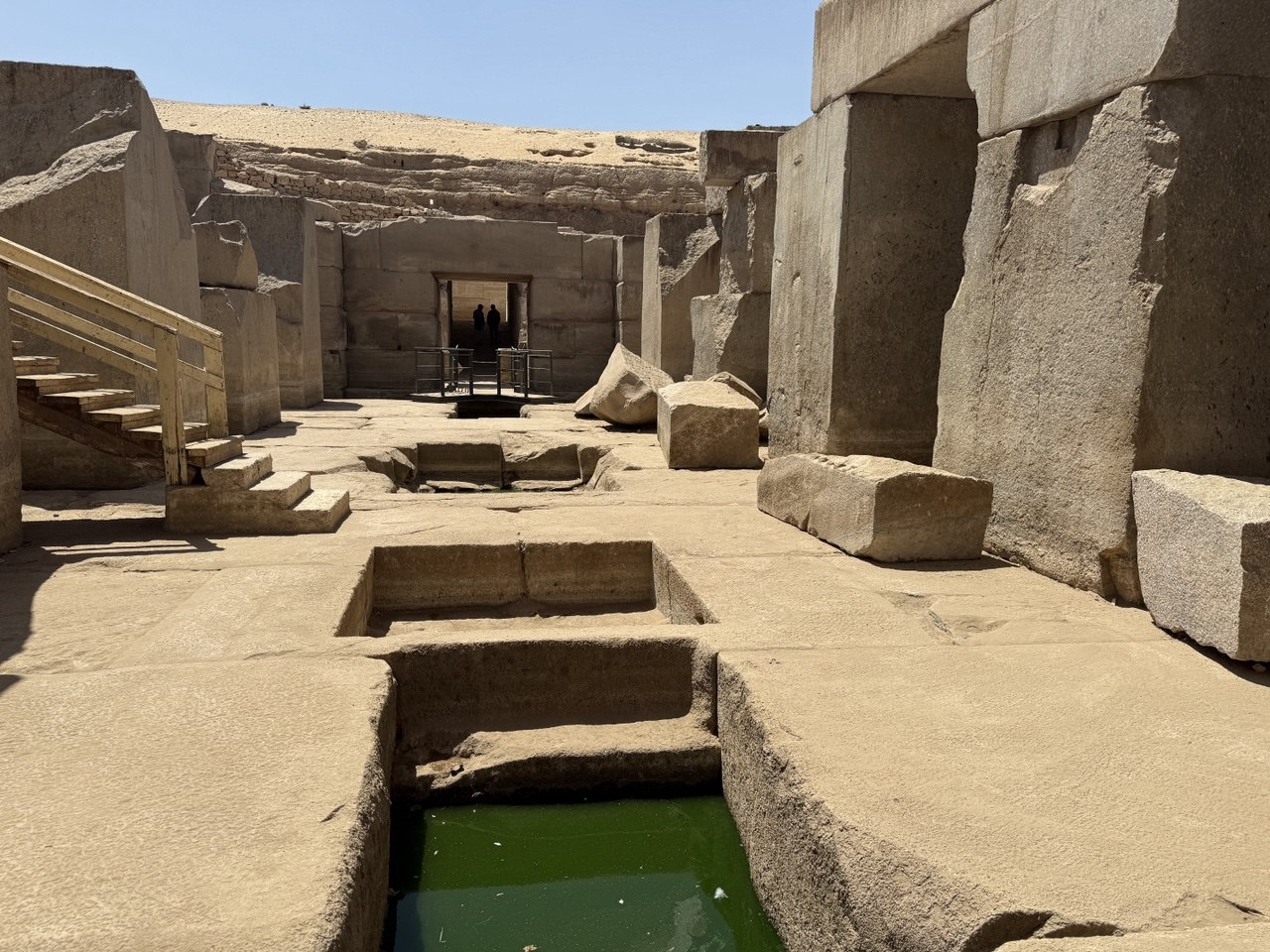
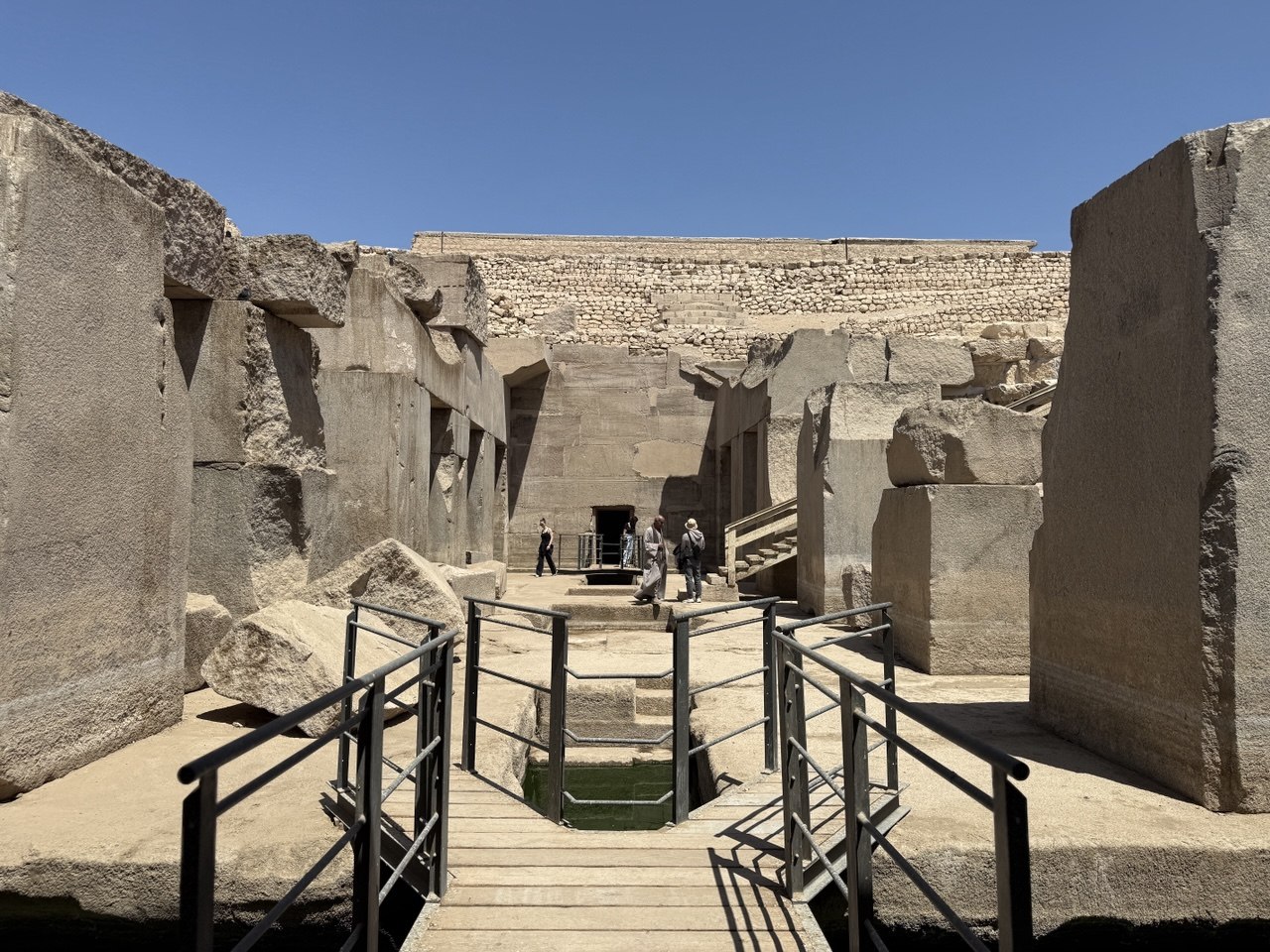
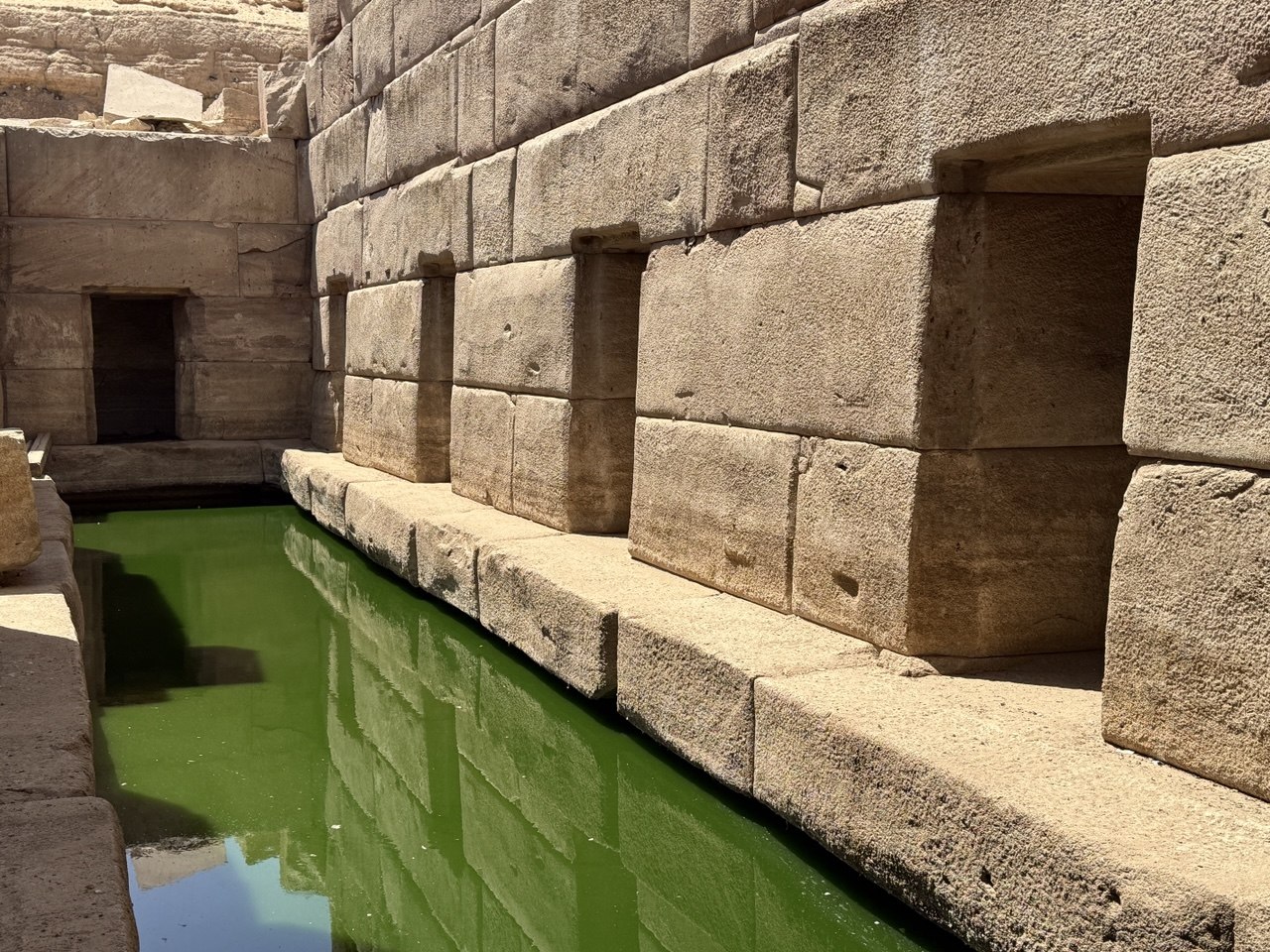
In the early 20th century, the British woman archaeologist Margaret Murray, who was excavating at Abydos, discovered underground an enormous megalithic complex of granite blocks in the form of an island, surrounded by water. The complex was sealed with a stone slab resembling a sarcophagus lid and covered over with earth.
Scholars put forward the theory that this was the tomb of the god Osiris
Legend
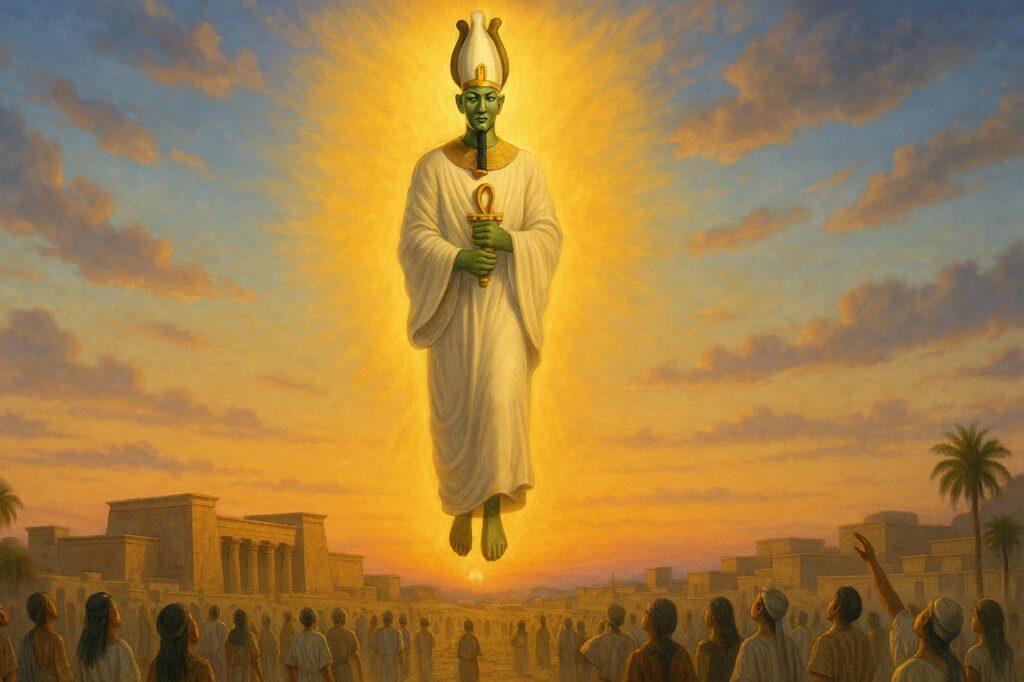
Legend has it that at the height of political upheaval, when rulers fought for power between the Nile and the desert, the sky above Abydos opened, and Osiris descended to earth - not as the god of the underworld, but as a wise warrior-seer
His arrival heralded the beginning of a new era: magic, science and politics intertwined, giving rise to a unique society where rituals and technologies existed side by side
In this version of the story, the temple at Abydos becomes not only a place of worship, but a center for studying the world
Scholars, priests and astronomers gathered under the temple’s vaults to unravel the mysteries of the universe
Osiris taught that the cycles of life and death are not an end, but an endless process of renewal, in which every person has a chance at transformation
His words inspired a new generation striving to unite the spiritual heritage of the ancestors with scientific discoveries
Thus Abydos flourished as a cultural and political center, where even rulers sought to learn from the wisdom of Osiris
His ideas about uniting peoples and overcoming conflicts resonated with the inhabitants, and the city became a symbol of a new order. Instead of brutal wars and endless intrigue, the authorities strove for harmony, and the ancient rites took on new meaning - they became a bridge between past and future
The Architecture of the Structure
Reflects a cosmogonic order, where every detail is conceived as a symbol of the eternal cycle. The location and shape of the temple symbolize a transitional state, evoking the mysteries of the afterlife
It is believed that the structure was designed to mirror the movements of celestial bodies, linking the earth with the cosmos
The Use of Symbols
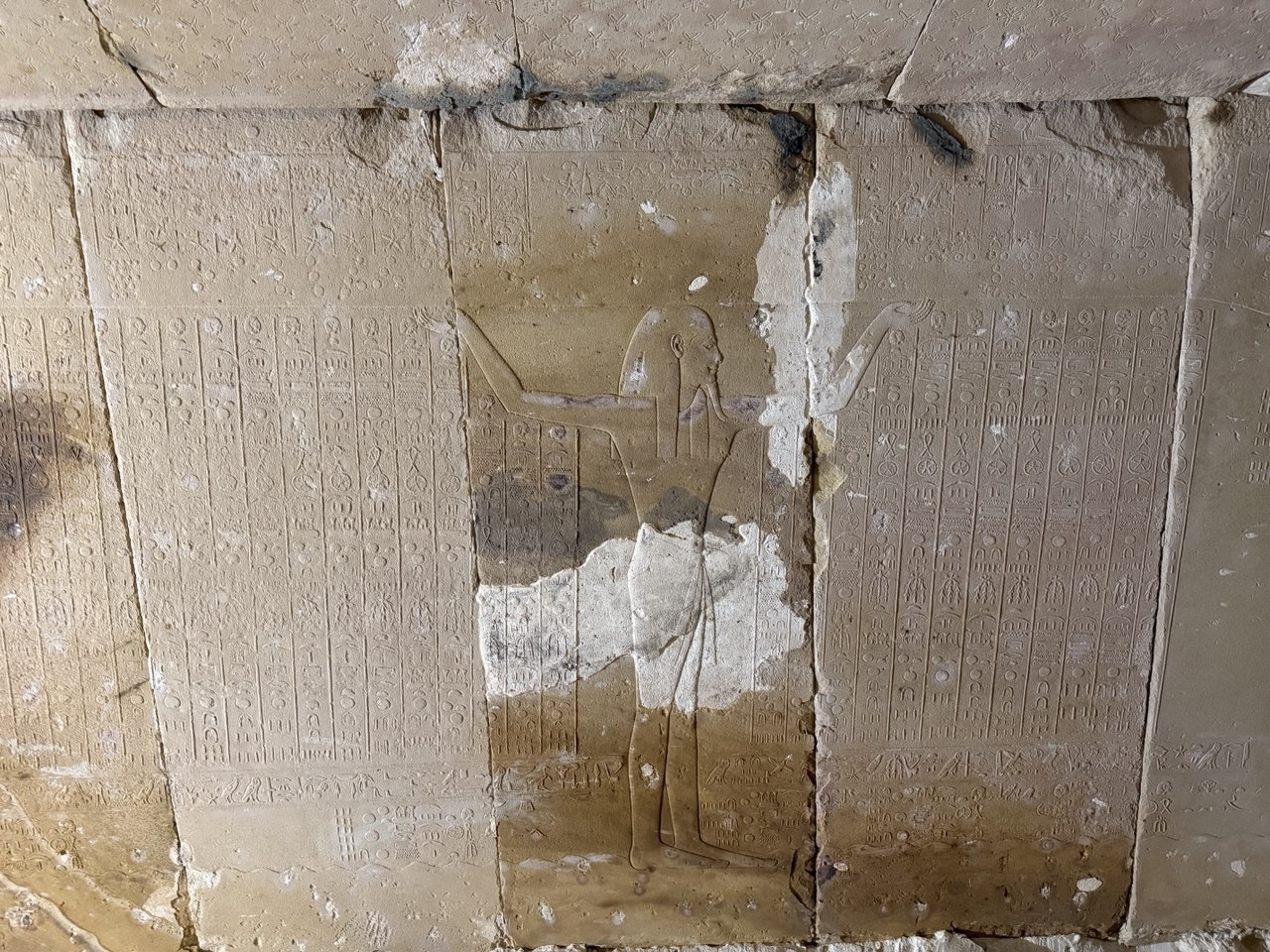
In the stonework one can find symbols associated with rebirth and life force. Hieroglyphs, reliefs and compositional choices in the interior convey the idea of cyclical rebirth: life is born from death, and the creation of a new world from destruction
The Flower of Life as a Symbol of the Universe
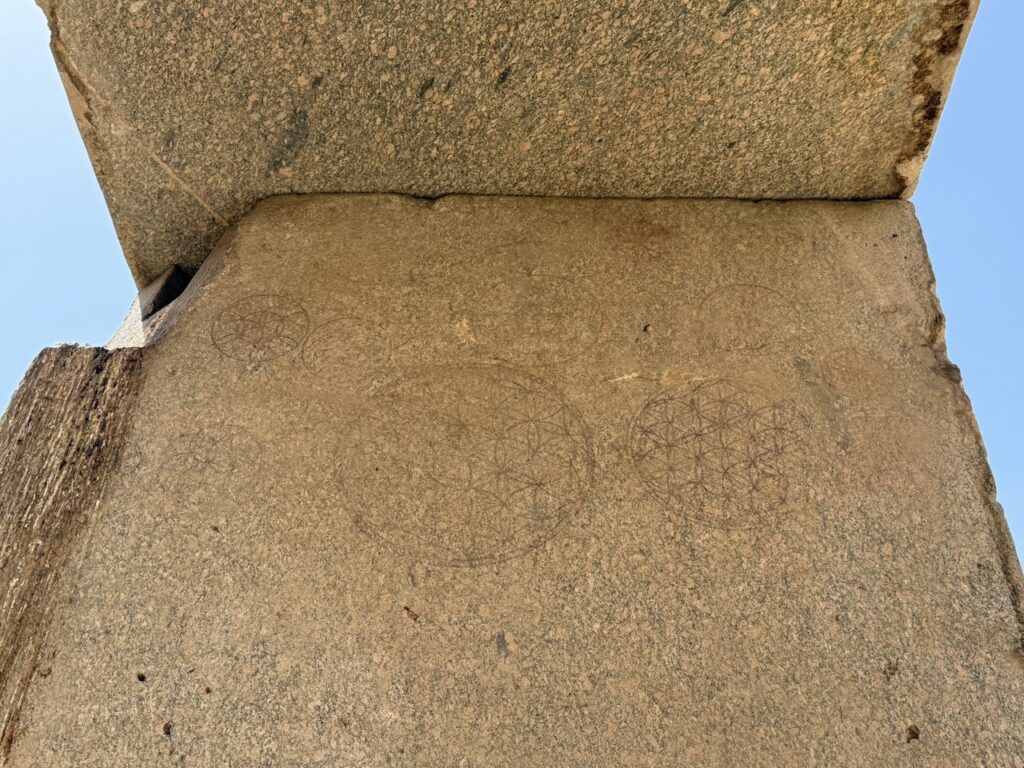
On the walls of the Osireion, a mysterious symbol was discovered, resembling the Flower of Life
This is an ancient geometric motif, widely known as a symbol of wholeness and the interconnectedness of all things
This ornament symbolizes the universal unity and cyclical nature of the Universe
The Flower of Life as an image emphasizes the idea that all forms of life and the energy of the cosmos exist in harmonious interaction
Its repeating patterns reflect endless movement, renewal and interconnectedness, which resonates with the mythological meaning of the Osireion and the rebirth symbolized in its rituals
(You can read more about this symbol in Drunvalo Melchizedek’s books “The Ancient Secret of the Flower of Life”)
Spiritual Meaning
Transition and Transformation
The Osireion at Abydos is regarded as a portal through which the soul can travel to another, more elevated world. For the ancient Egyptian believers, this temple was a place of mystical communion with the divine, where one could feel the presence of Osiris himself and pass through a ritual of purification and rebirth
A Symbol of Eternity
The rituals performed in the Osireion emphasized the continuity of the life cycle
Visitors to the temple sought to touch eternity, to grasp the essence of eternal renewal, and to receive a blessing for their journey in the afterlife
Contemporary Significance
Today the Osireion at Abydos continues to attract researchers, mystics, and those seeking a deeper understanding of the sacred knowledge of ancient civilizations
The place reminds us that life is not an endpoint, but eternal motion, in which every death is the conception of a new beginning
The energy of this temple is felt even after millennia, connecting past and present through ancient symbols and rituals that lead to spiritual awakening
Thus, the Osireion at Abydos represents a unique combination of architectural genius, mythological depth and sacred knowledge, uniting within itself the ideas of transformation, eternal renewal and the oneness of all existence
The Flower of Life symbol discovered here adds an additional layer of meaning to this place, emphasizing the idea that the Universe is a single, harmonious whole, where every element is connected to the infinite cycle of creation and rebirth
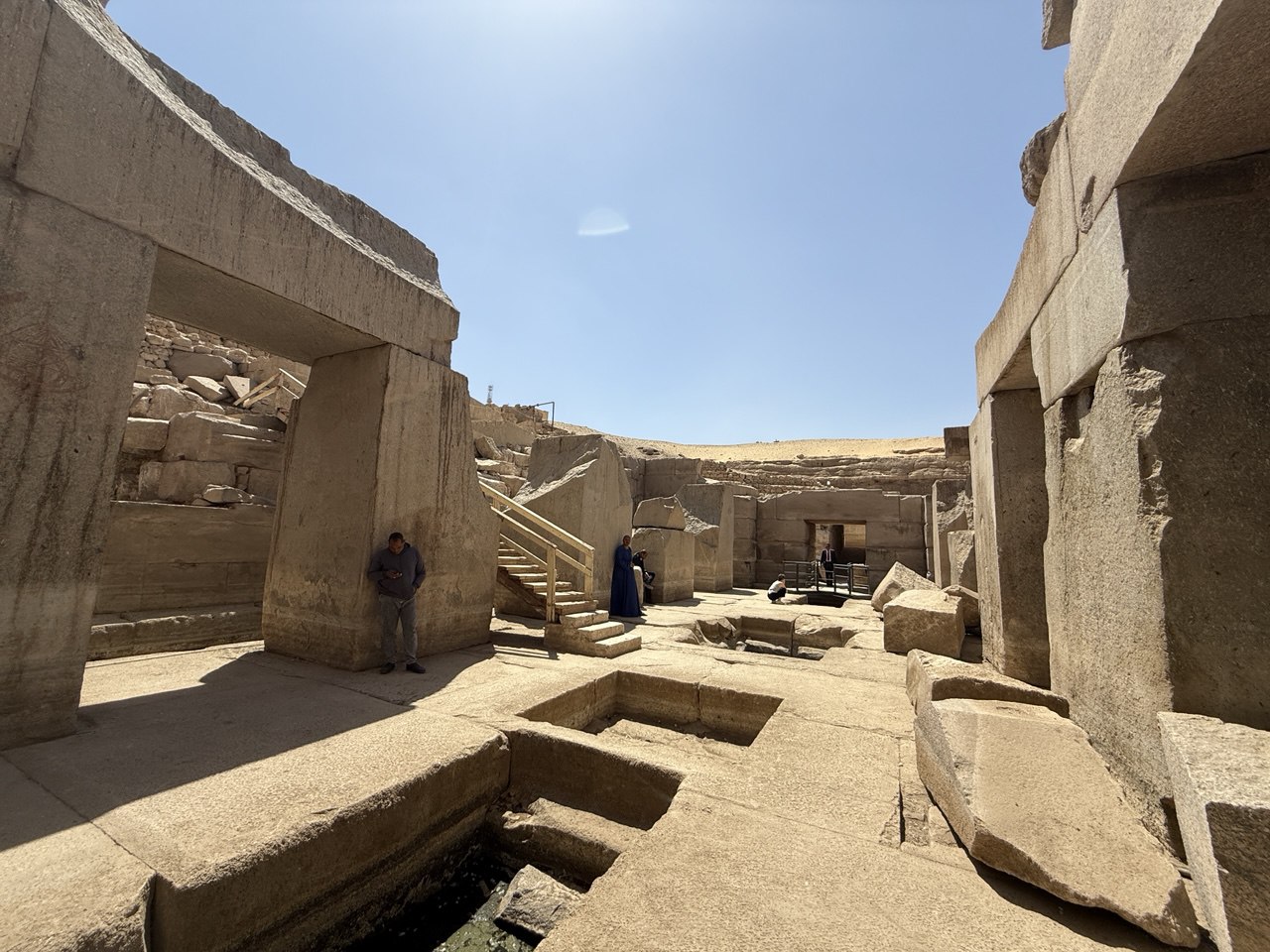
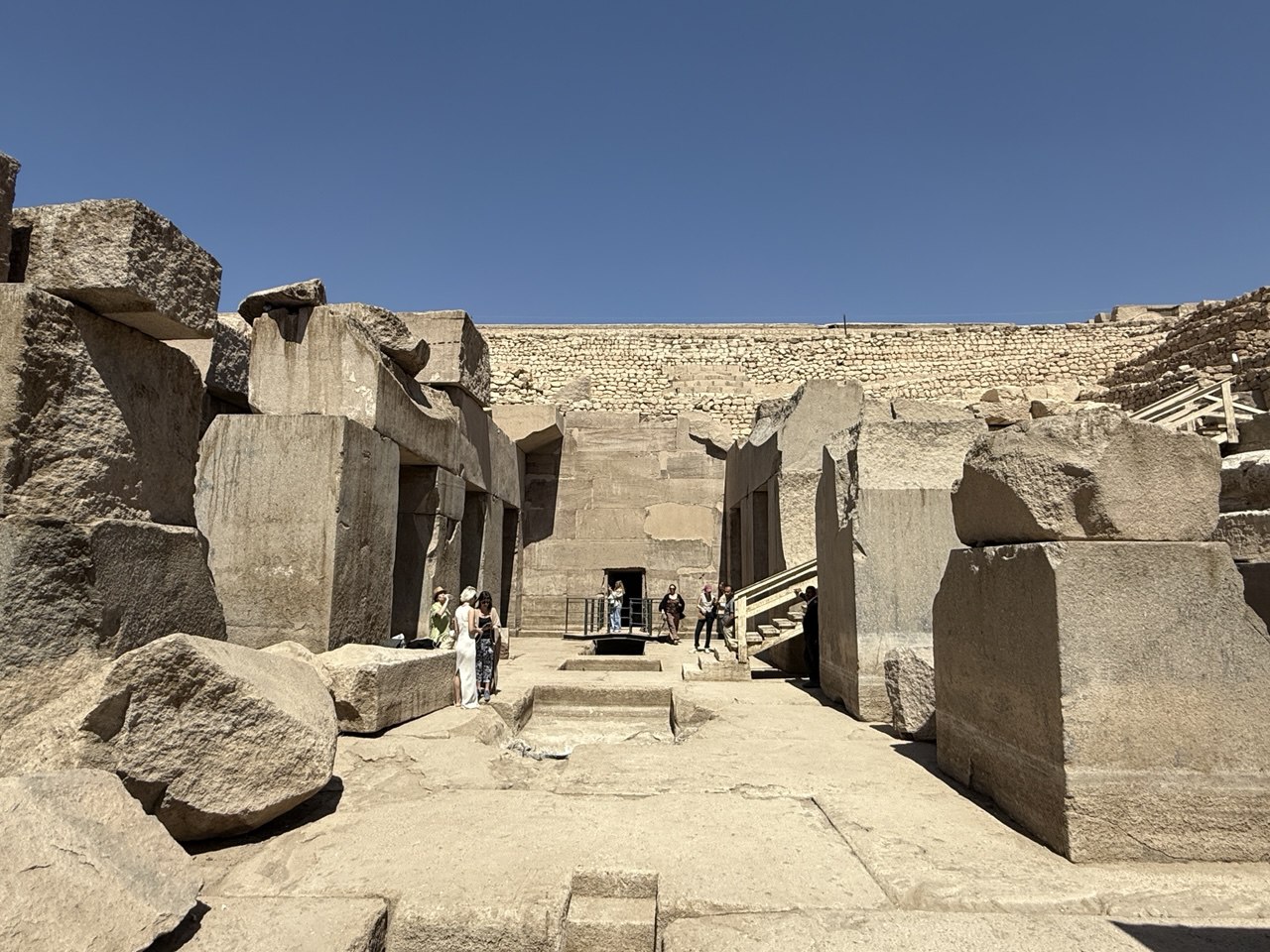
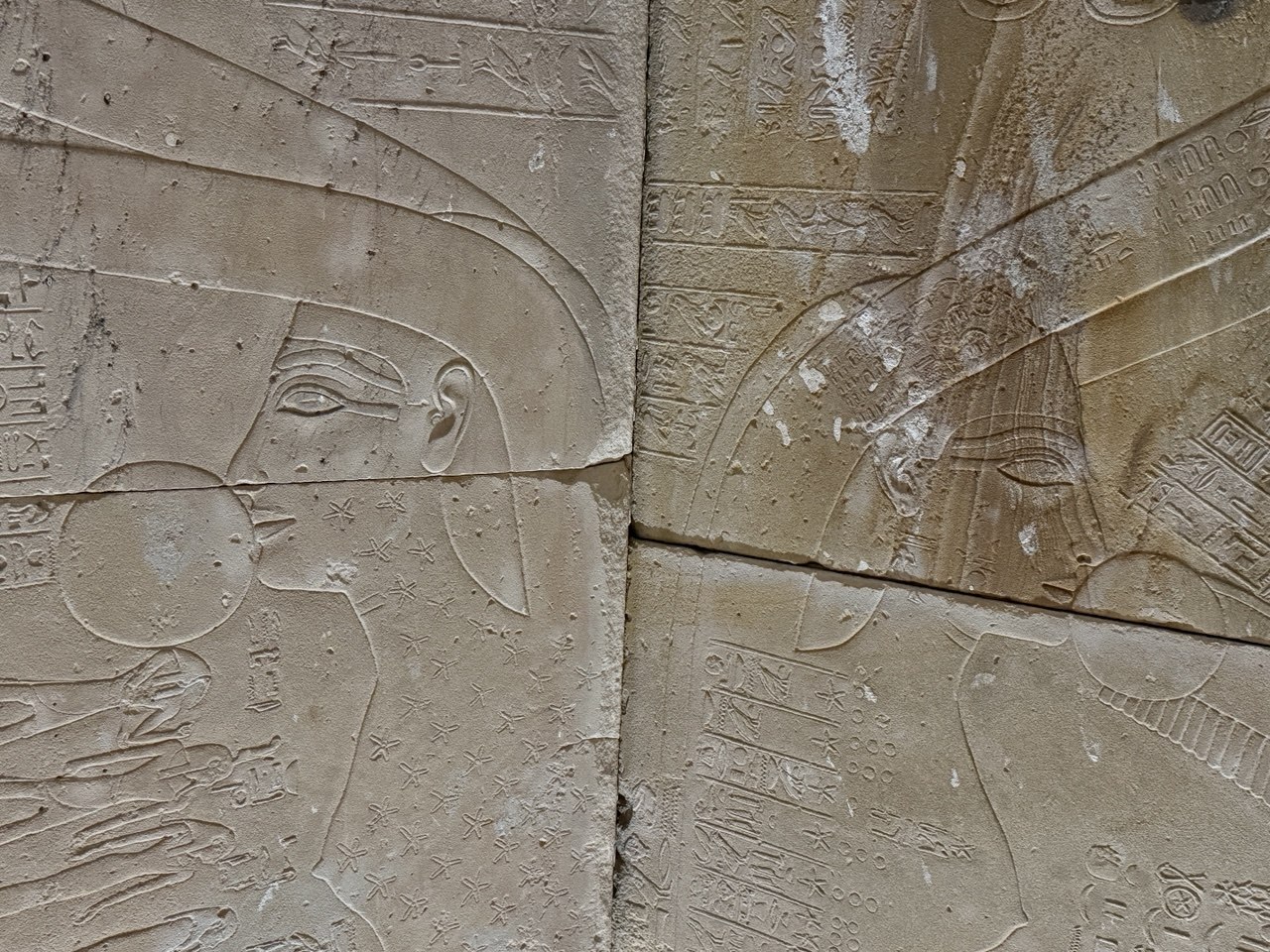
Inside the Osireion, a secret chamber was discovered with a truly extraordinary image - the wind god Shu lifts his daughter, the sky goddess Nut, above the earth, thereby separating sky and earth
It is believed that at this moment humanity enters a new stage of development, and the experiment of duality begins, because in the Golden Age there was no concept of separateness, no death and no time, none of “those two things”