This is where the last priests died, trying to save the sacred relics of ancient Egypt
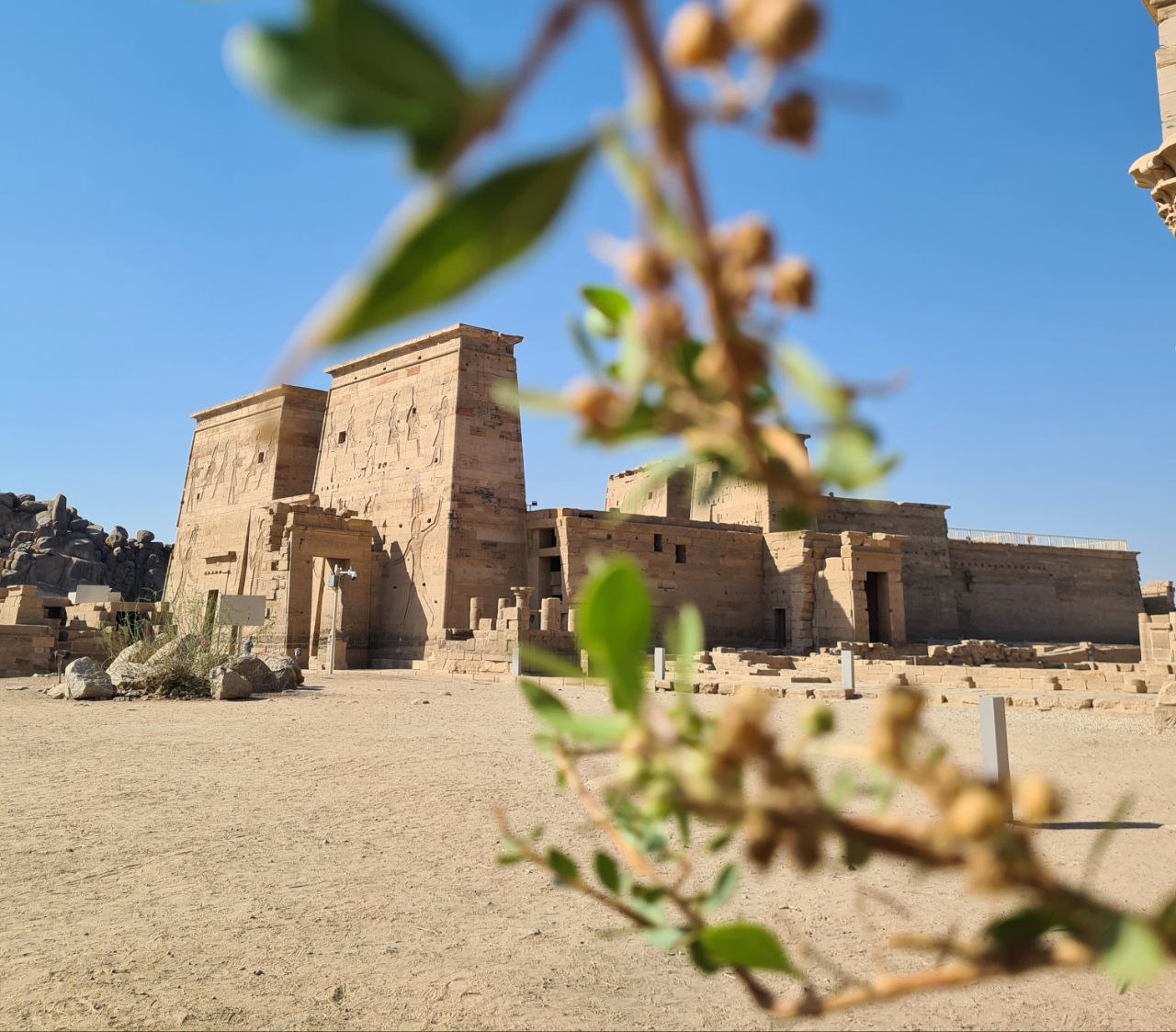
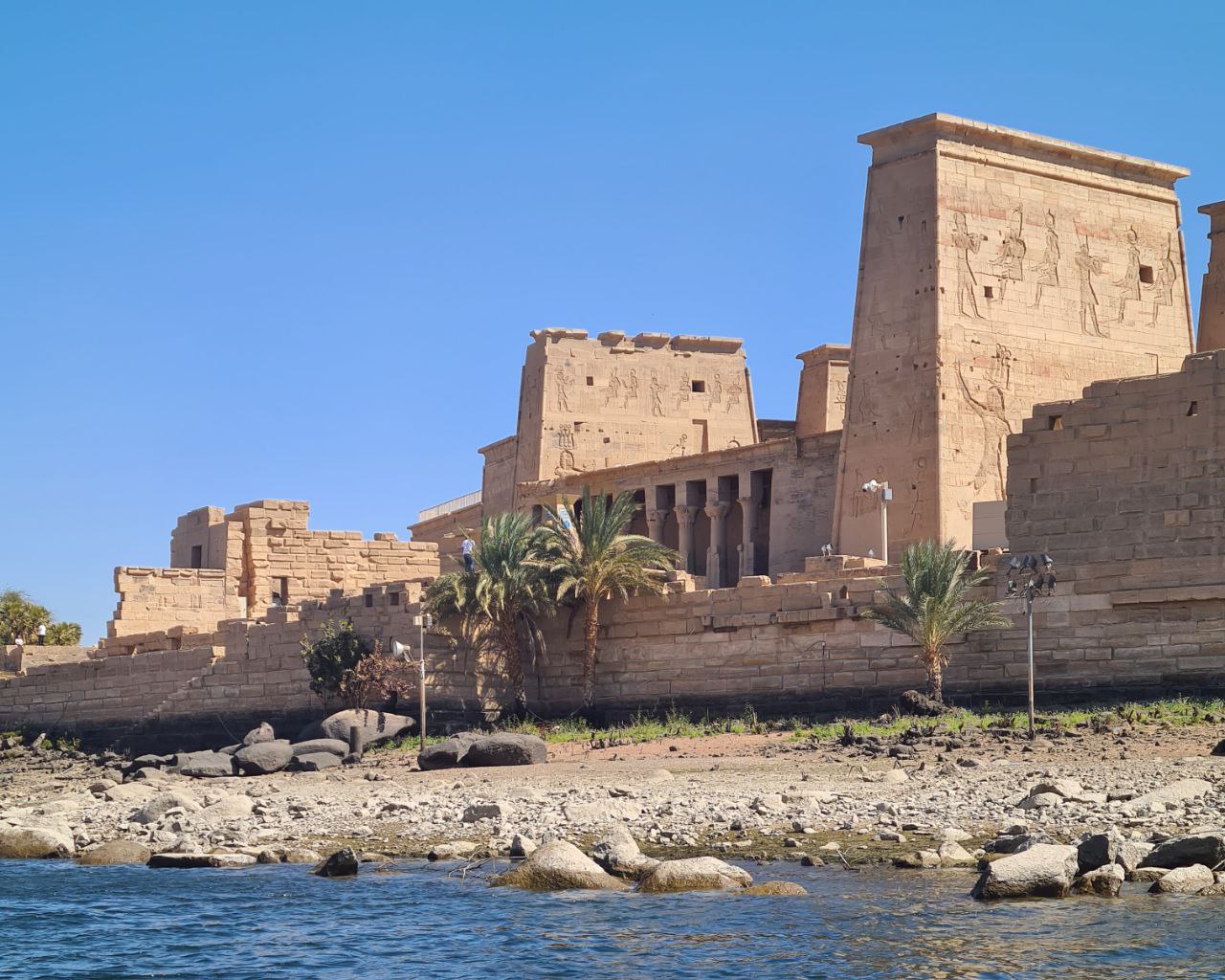
Philae Island in Aswan (the temple is now located on Agilkia Island, to which it was relocated because of flooding)
In antiquity, Philae Island was called Pa-iu-rek - the Island of Time
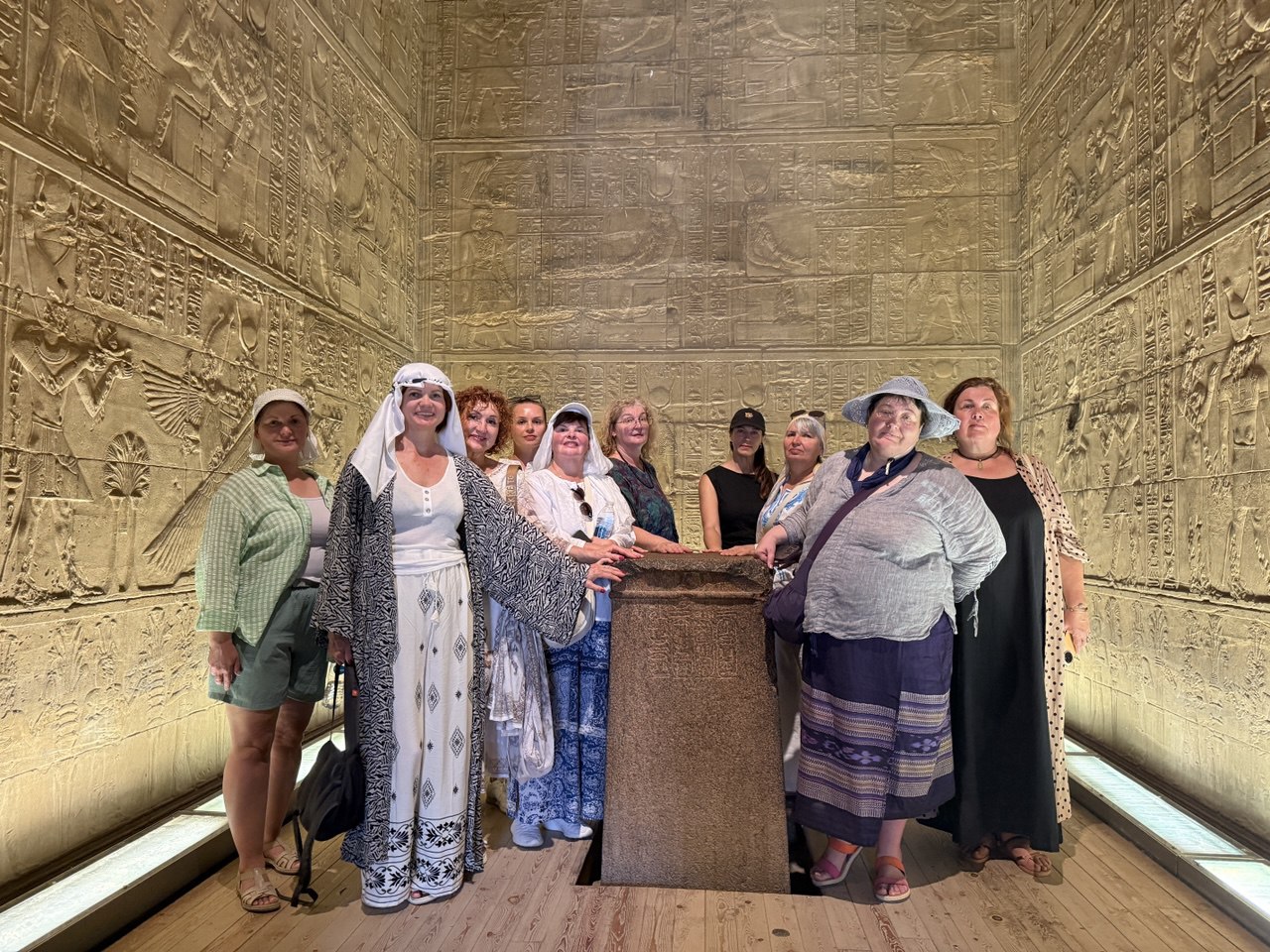
A private visit to the Temple of Isis
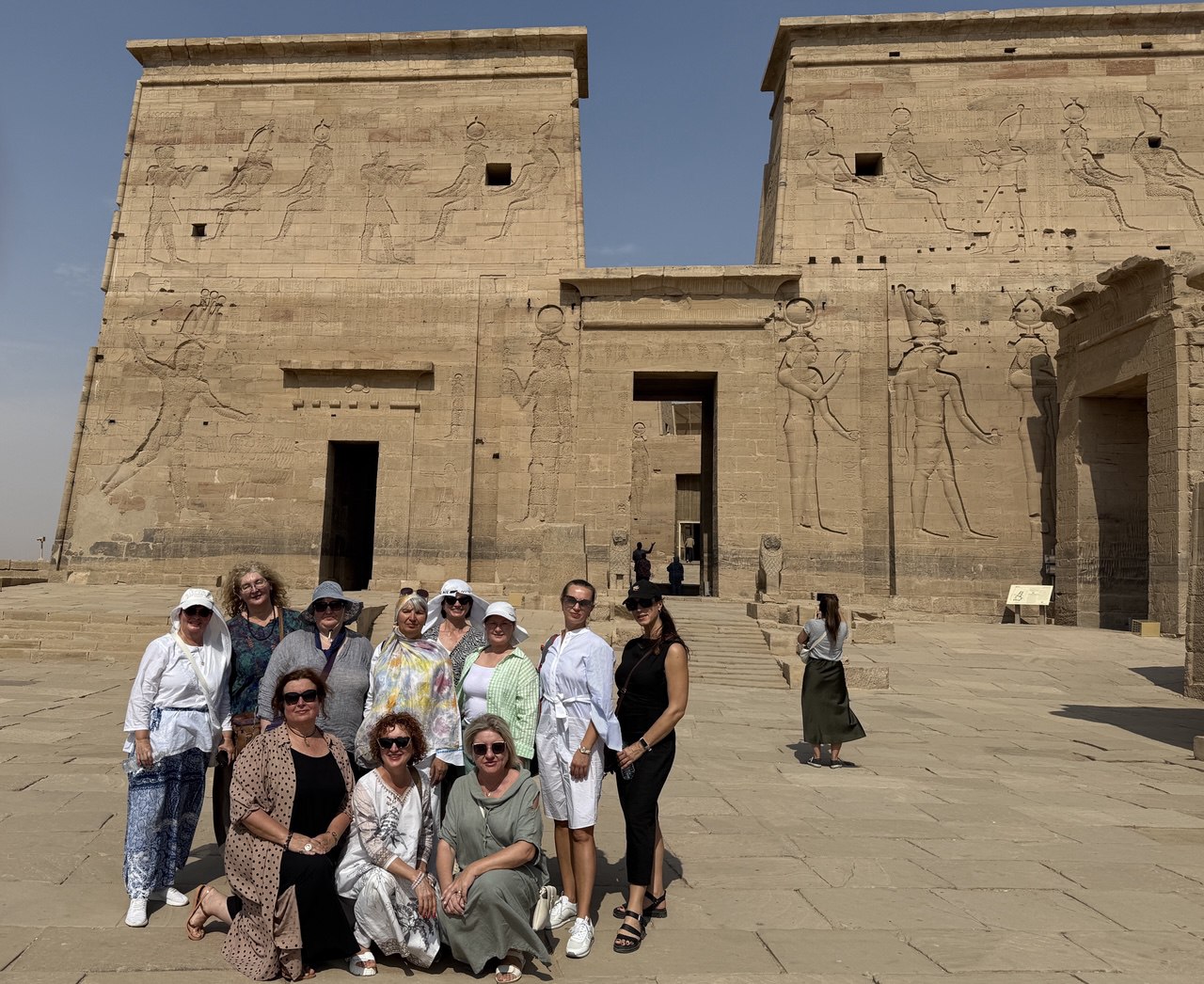
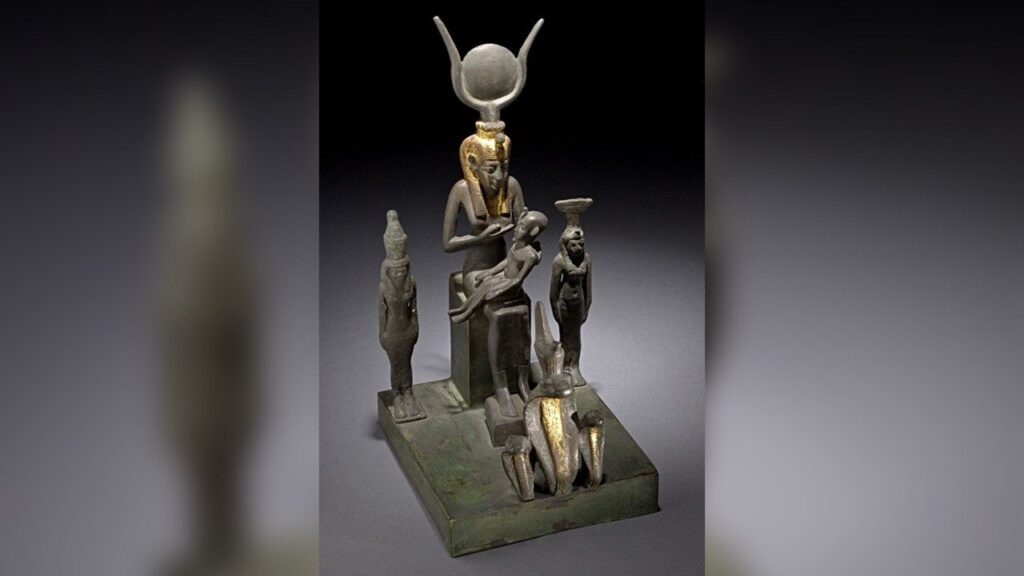
The goddess Isis is called the Mother of the World; she is the keeper of women’s secrets and mysteries
Isis is the protector of women and children - in ancient Egypt every woman was expected to make a pilgrimage to this temple to receive the goddess’s blessing for starting a family and having children
The cult of the Mother Goddess was worshipped in Egypt as far back as 5,000 years before our time, and the mother goddess’s original name was Hathor; it wasn’t until around the 25th-26th century BC that the cult of Isis appeared as one of her aspects
The first mention of Isis is found in the Pyramid Texts at Saqqara, where her name appears more than 70 times in a single chamber - a considerable number for that period
The last temple dedicated to Isis on Philae Island was destroyed as late as the 6th century AD
Isis is the impulse of active deeds, the desire to bring life back
The goddess descends from the world of the gods into the world of humans so often, answering their prayers, that through her path and her self-sacrifice she blurs the boundary between worlds and becomes a threshold goddess, linking the earthly world and the heavenly one
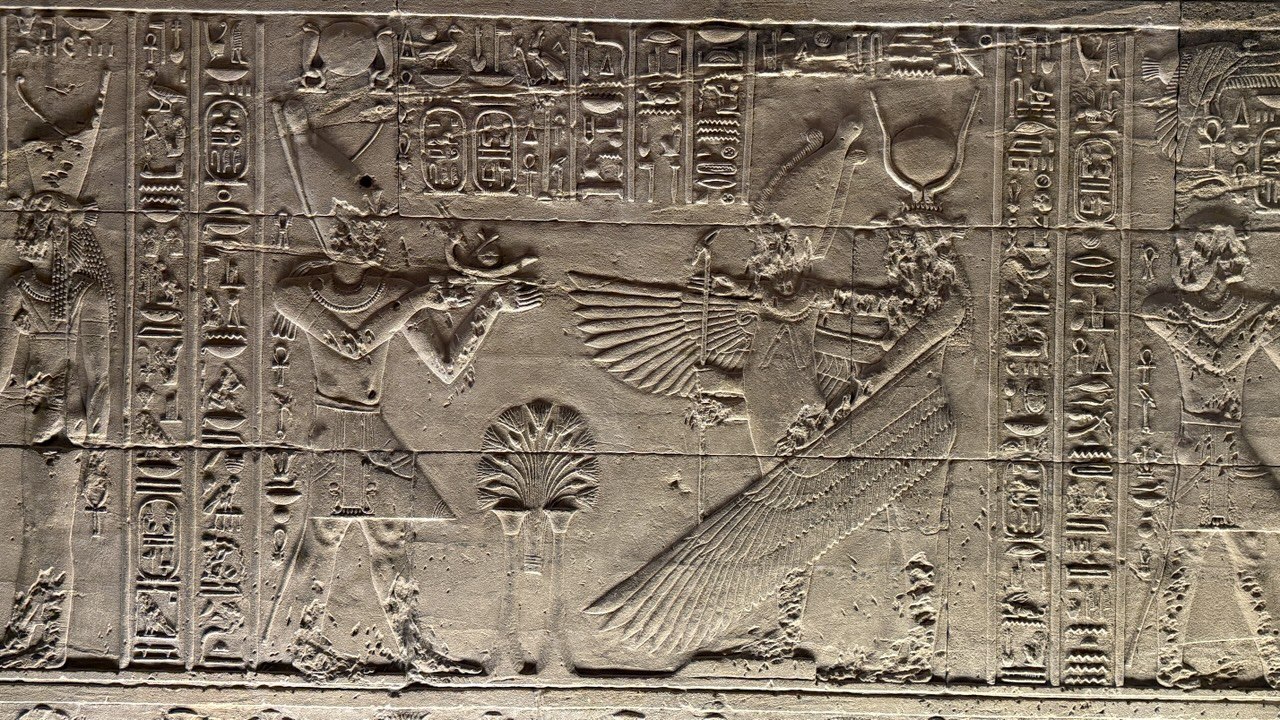
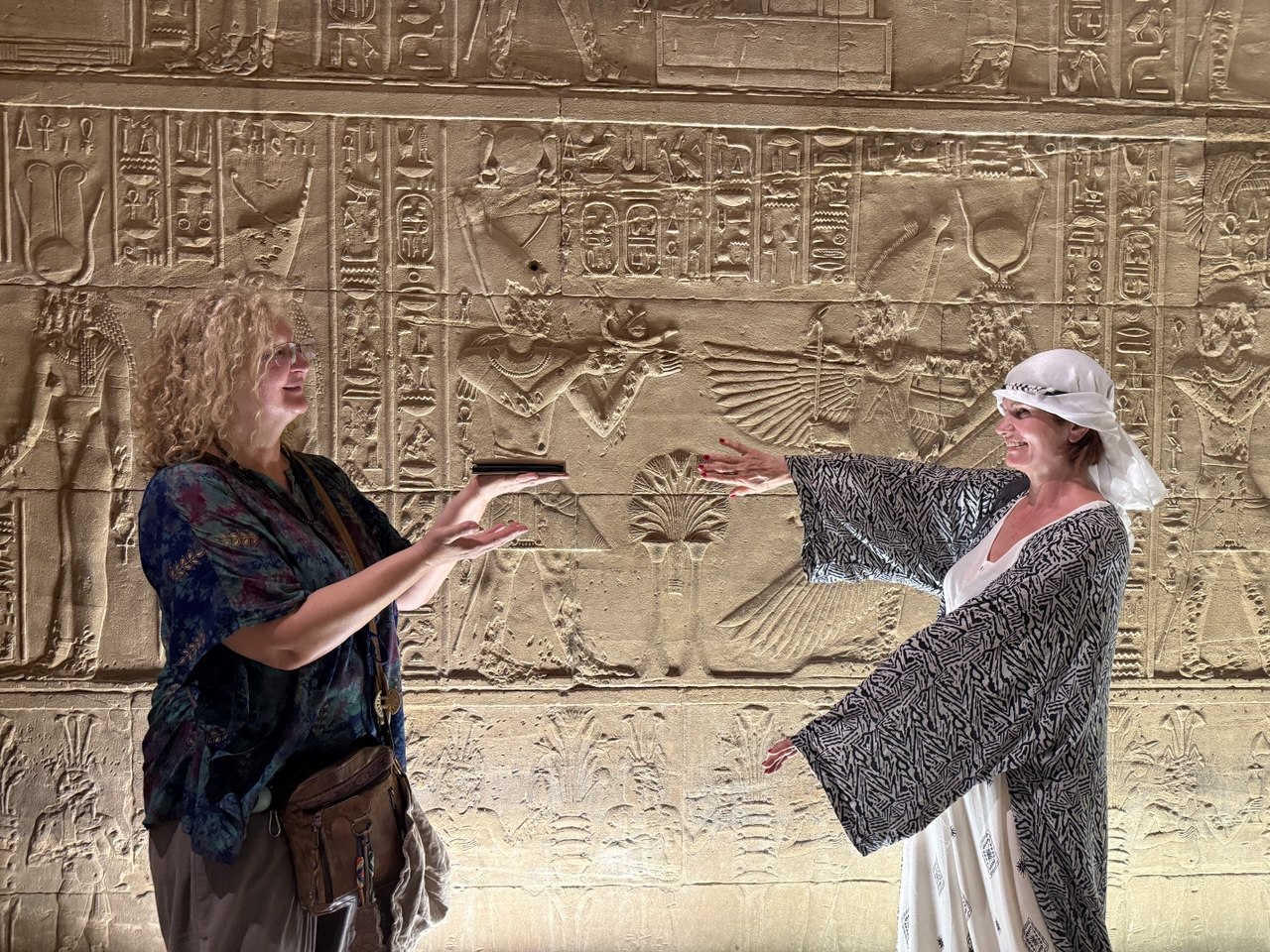
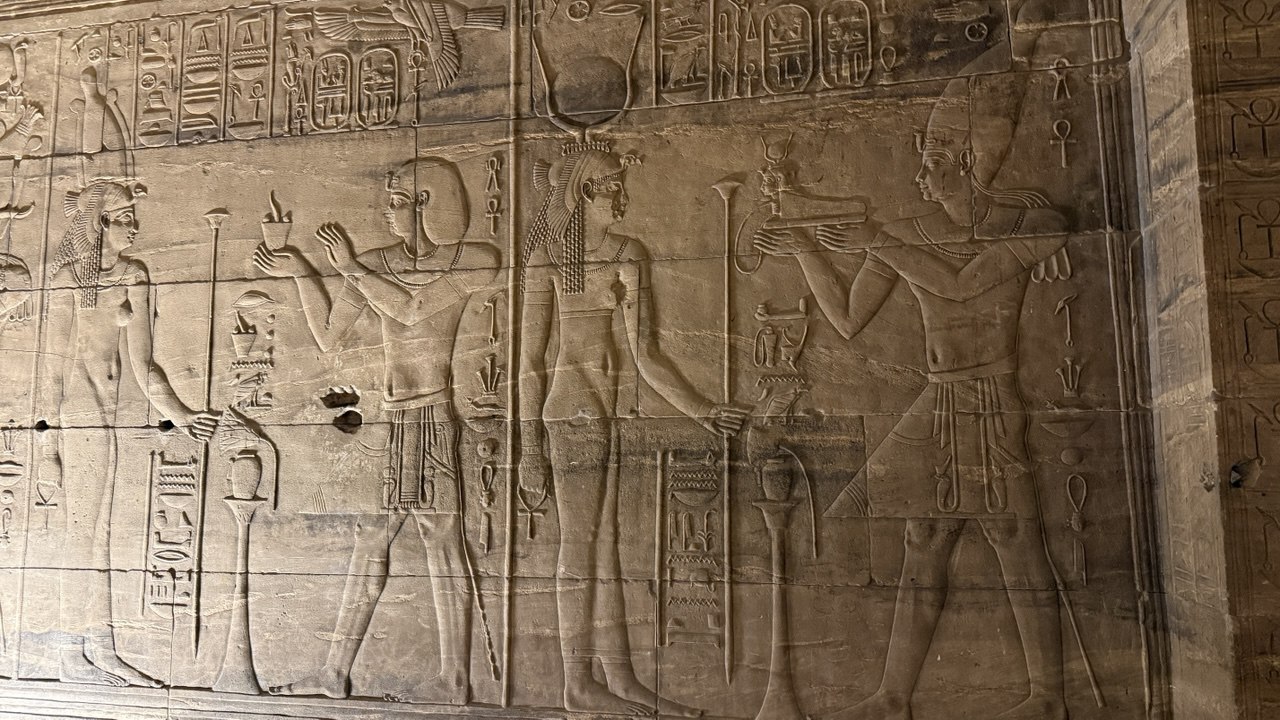
The Egyptian forms of the Mother Goddess are stellar
The main celestial embodiment of Isis is Sirius, while the celestial form of her husband Osiris is Orion
Accordingly, Orion and Sirius rule this starry universe
The cult of Isis spread across the Mediterranean along with Greek merchants
In the 4th century AD, centers of the Isis cult included places such as Piraeus and Rhodes, and a temple of Isis stood not far from the Parthenon in Athens
The goddess’s cult then moved on to Rome, gradually losing many of its Egyptian features
The cult of Isis had a very difficult time gaining acceptance in Rome - on one occasion Sardinia was filled with crosses bearing crucified followers of the cult
But gradually Isis won the attention of Roman rulers and came to be recognized as a symbol of kindness, and Emperor Hadrian even built an entire complex dedicated to the mysteries of Isis
The cult statue of Isis was taken from the temple on Philae Island to Constantinople, and its subsequent fate is unknown