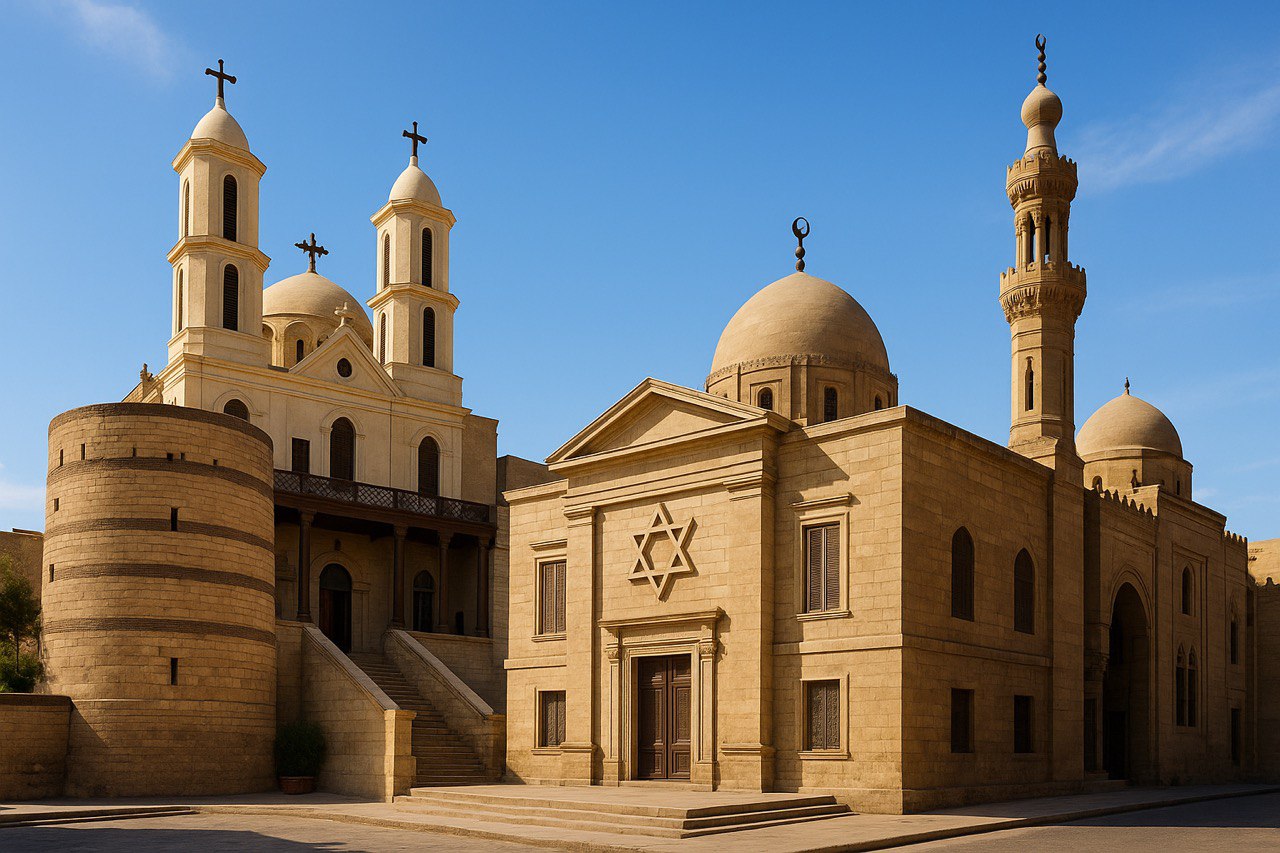
In the very heart of Old Cairo lies the Coptic Quarter, where the fortress of Egyptian Babylon once stood tall. Starting in the 4th century, on the remains of Roman bastions, Egyptian Christians began building the city’s first churches.
Today it is not merely an architectural monument, but a true spiritual center, where the history and beliefs of three religions - Judaism, Christianity and Islam - intersect.
Private pilgrimage tours can be found here
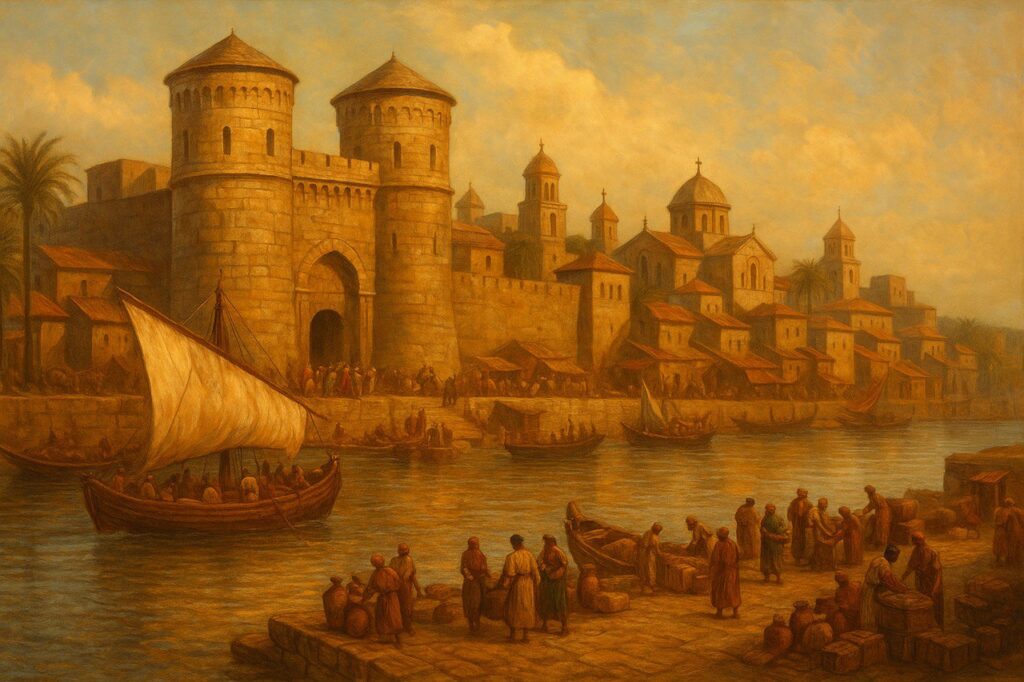
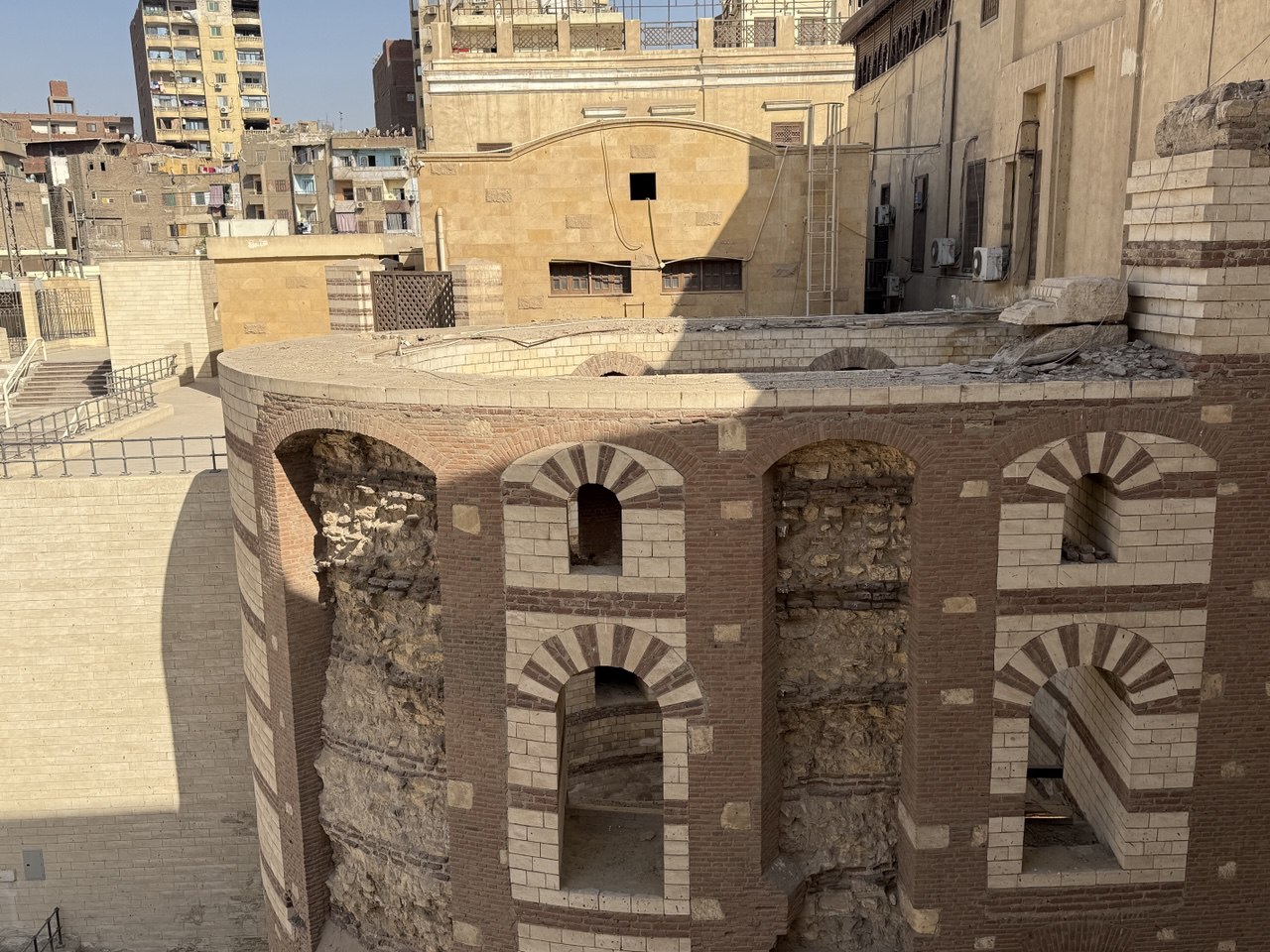
The fortress of Babylon was built by the Romans in the 2nd-3rd centuries of our era, at that time still on the bank of one of the seven branches of the Nile. The place had important strategic and trade significance:
– Babylon stood at the very narrowing of the river and at the point where the Nile bends - this allowed it to control all river traffic from south to north; the fortress was like a castle in the river, and without the approval of the local authorities no ship could pass freely
– during the Roman and Byzantine eras, Babylon served as a key garrison - Roman legions were stationed here, watching for any uprisings or external threats, including raids from the Red Sea
– Babylon also served as a customs point - all vessels sailing down the Nile from the south underwent registration, inspection, and paid duty at Babylon
– Babylon was an economic hub of trade between Africa, the Middle East and the Mediterranean - spices, incense, gold, ivory, fabrics, wood and rare minerals were brought from the south, while grain, flax, papyrus and the products of Egyptian craftsmen went the other way
In addition to everything listed above, Egyptian Babylon also carries a sacred meaning:
– it is a place of three religions - here there are 5 Christian churches, a synagogue, and the first mosque in Africa
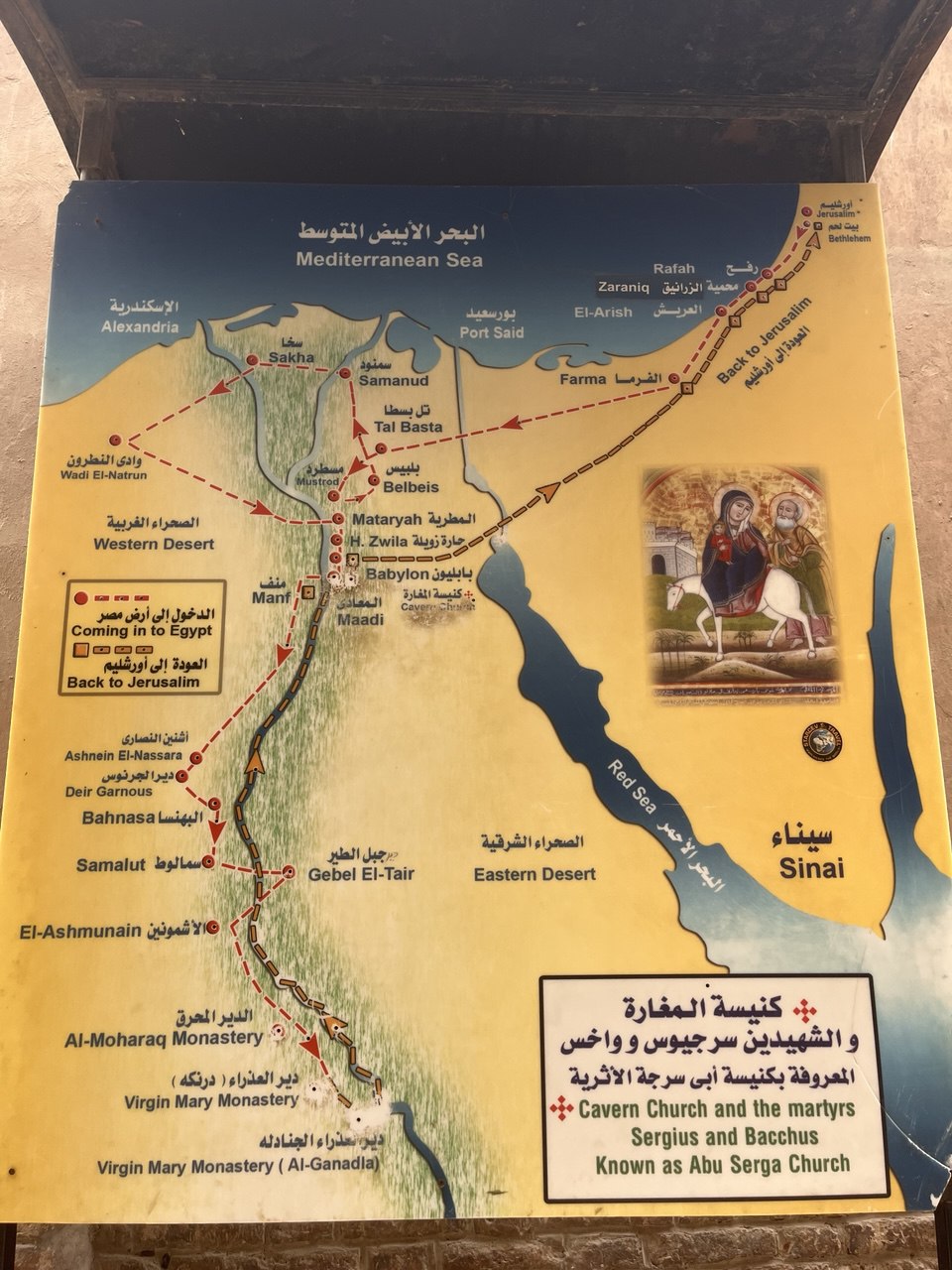
– this was the path taken by the Holy Family when they fled from King Herod
The name Babylon translates as “Gate of God”; legends say that this place was perceived as a portal. The very image of a gate runs through the entire space of Babylon - the gate of the temple, the gate of the city, the gate into the hidden. Everything speaks of transition… Even the stairways leading down to the underground churches symbolize a descent into the depths of oneself, to one’s own soul, to the primal source
Egyptian Babylon is a sacred node; it lies on an ancient energy line connecting Heliopolis (the City of the Sun), the Pyramids of Giza and the temples of Memphis
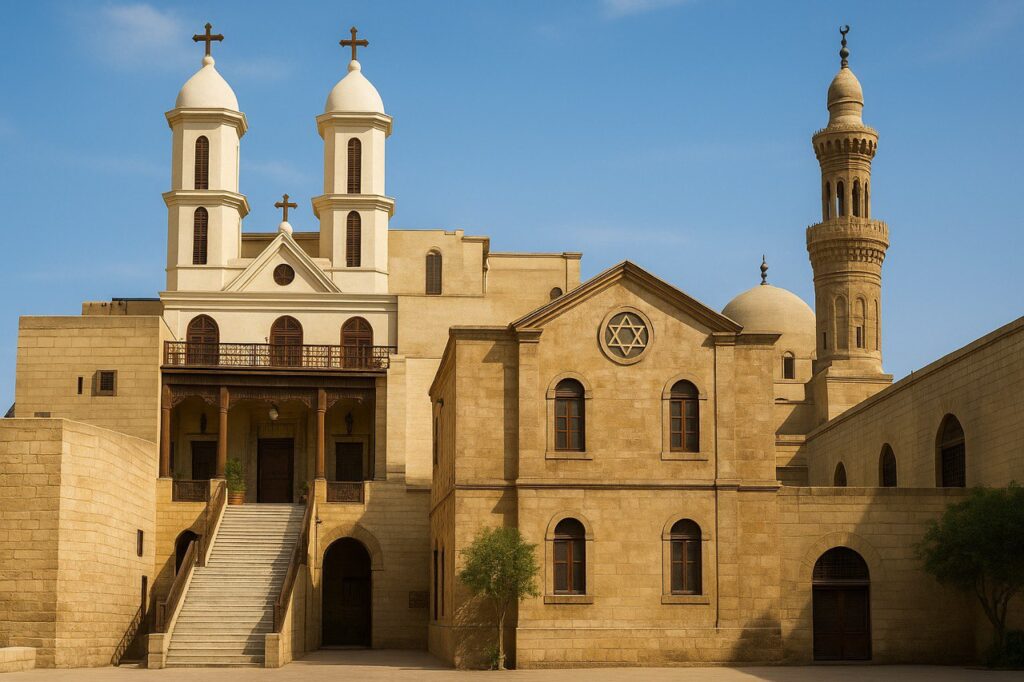
Five churches, like five fingers of a hand, guard the invisible flame of Babylon
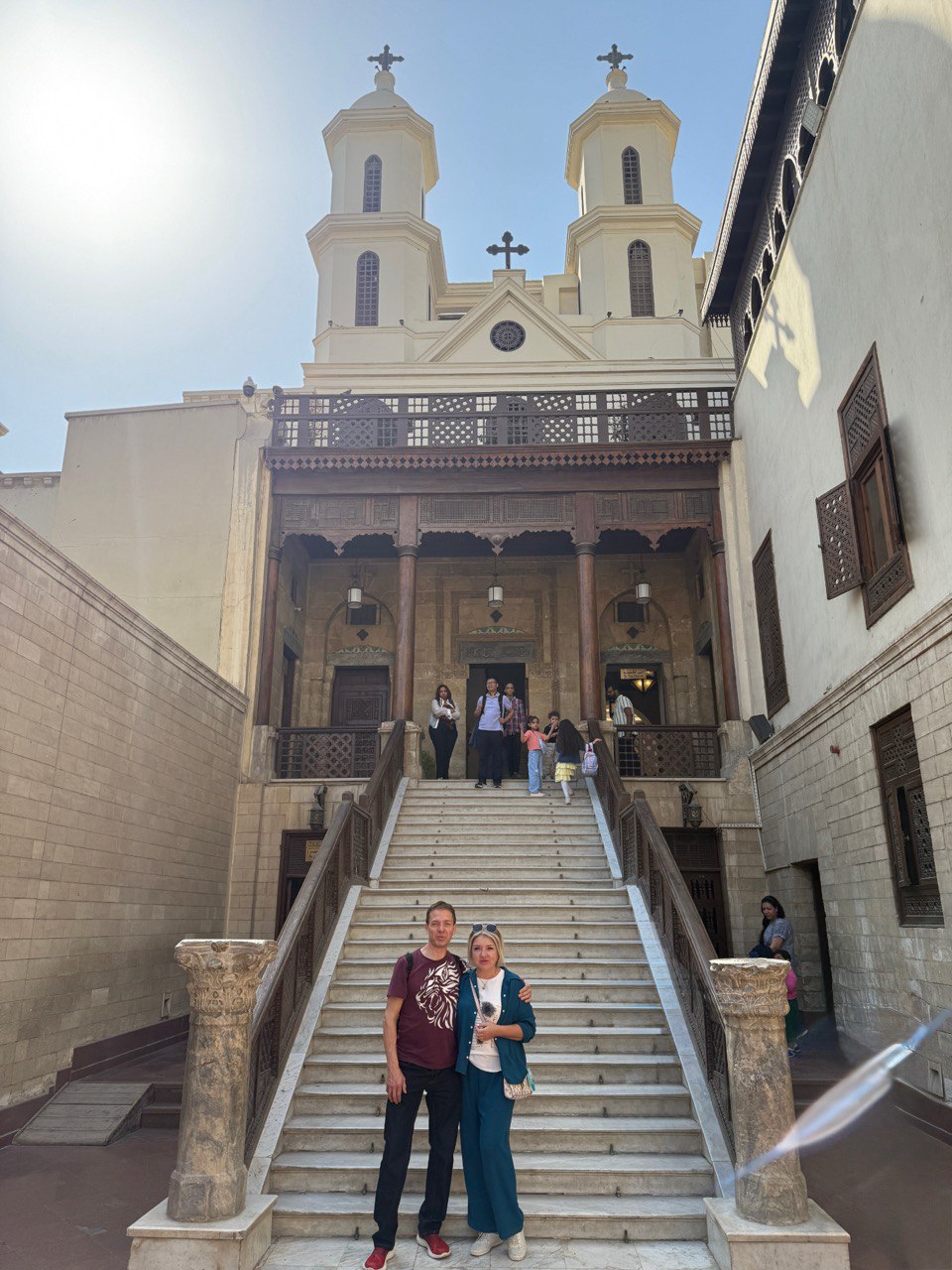
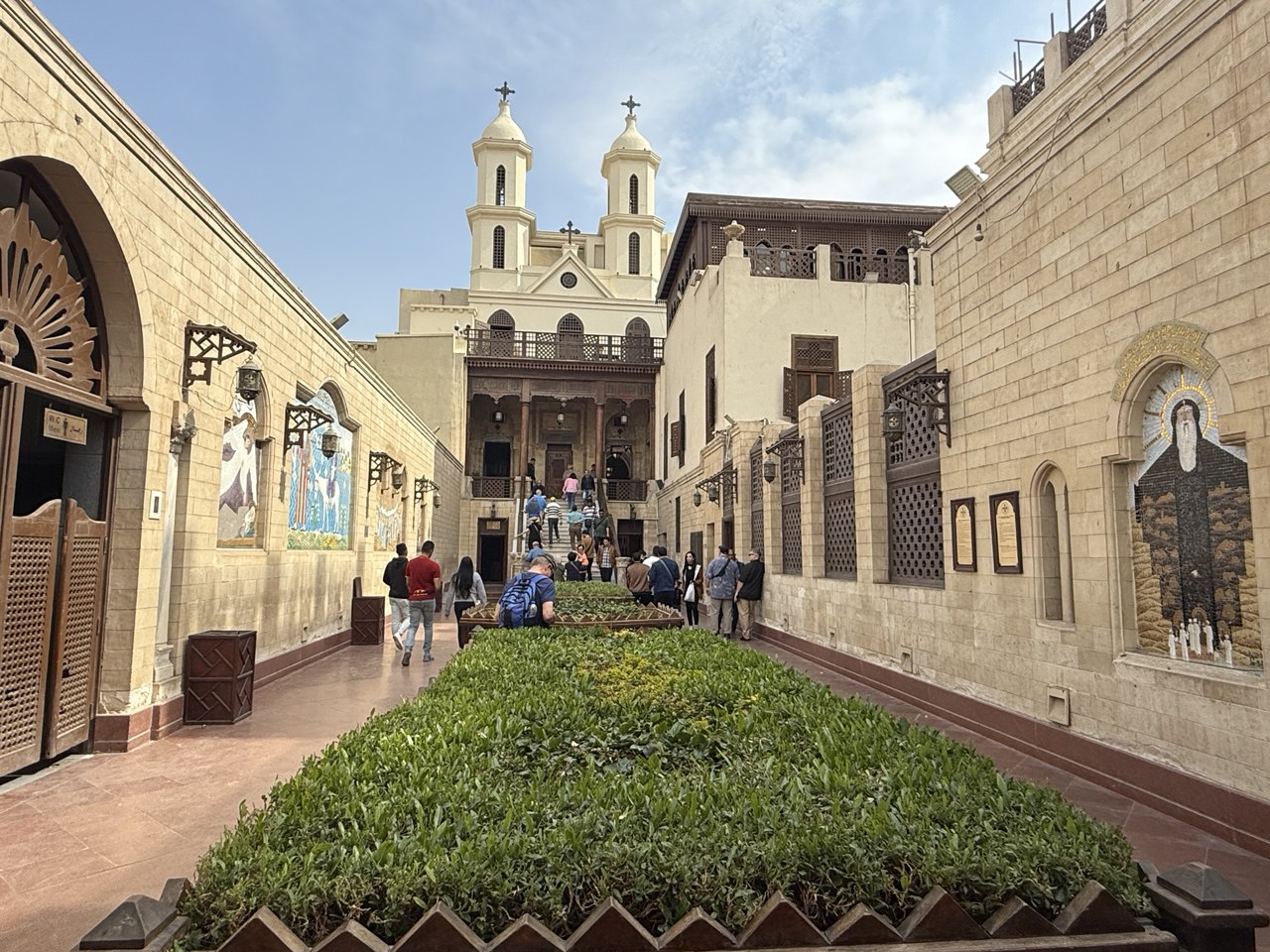
Among them is the Hanging Church, Al-Muallaqa. It got its name because it has no foundation as such - the church was built on the remains of a Roman bastion
All the churches of Babylon had the form of a basilica, their interior divided by rows of columns into 3 nave-halls
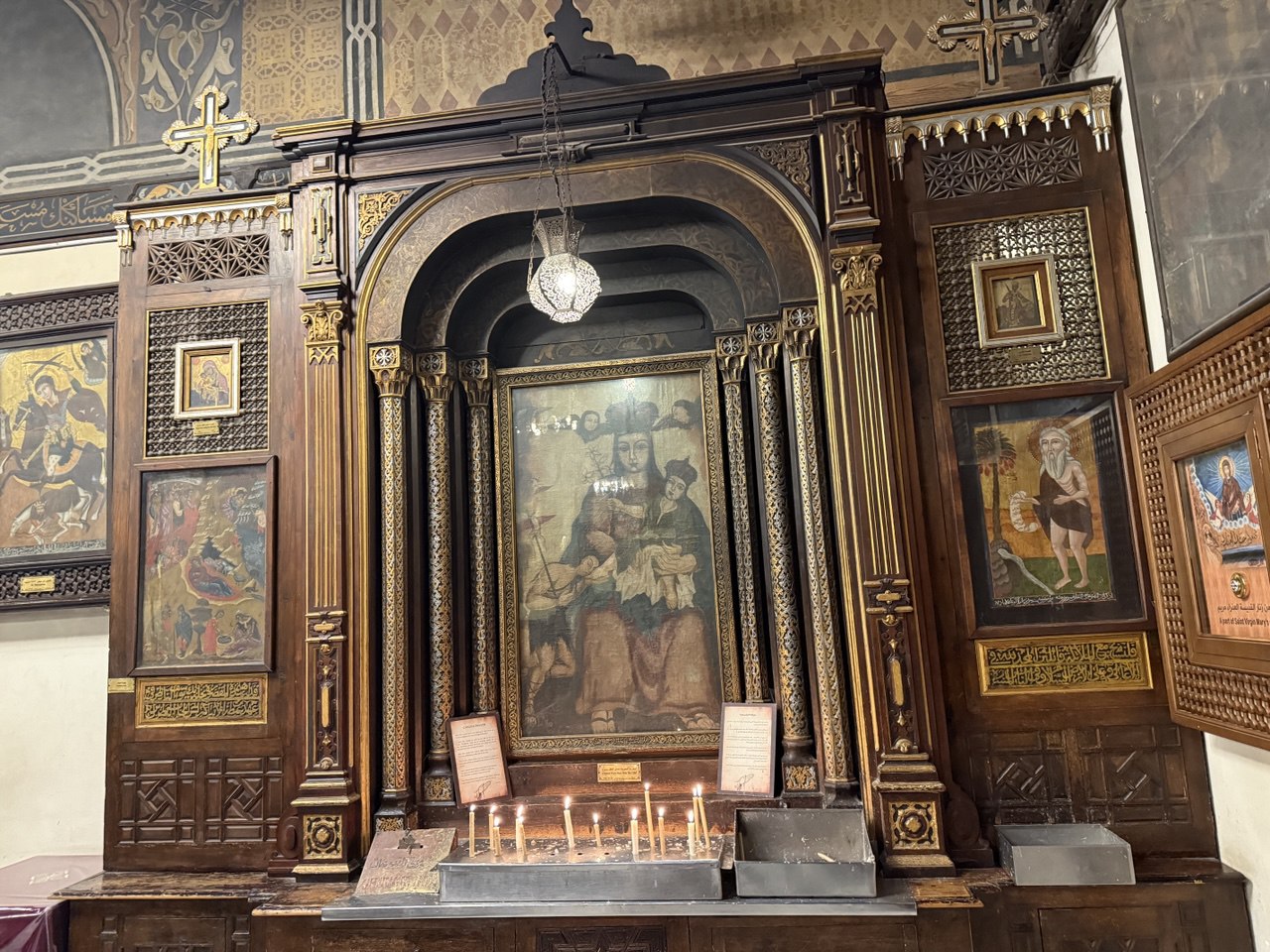
Some sources claim the church was founded in the 4th century; inside there is an ancient iconostasis. The walls of the church are decorated with icons - there are more than 100 of them here. The subjects are usually the same as in Russian icons, but the manner of painting is different. The style of Coptic icons could be called primitivist - the images are flat, proportions are not observed, details are not rendered. It gives the impression that they were all painted by children, yet Coptic icons still produce a powerful emotional effect.
And here is another unique feature of this church - it is perhaps home to the largest number of relics of Egyptian saints
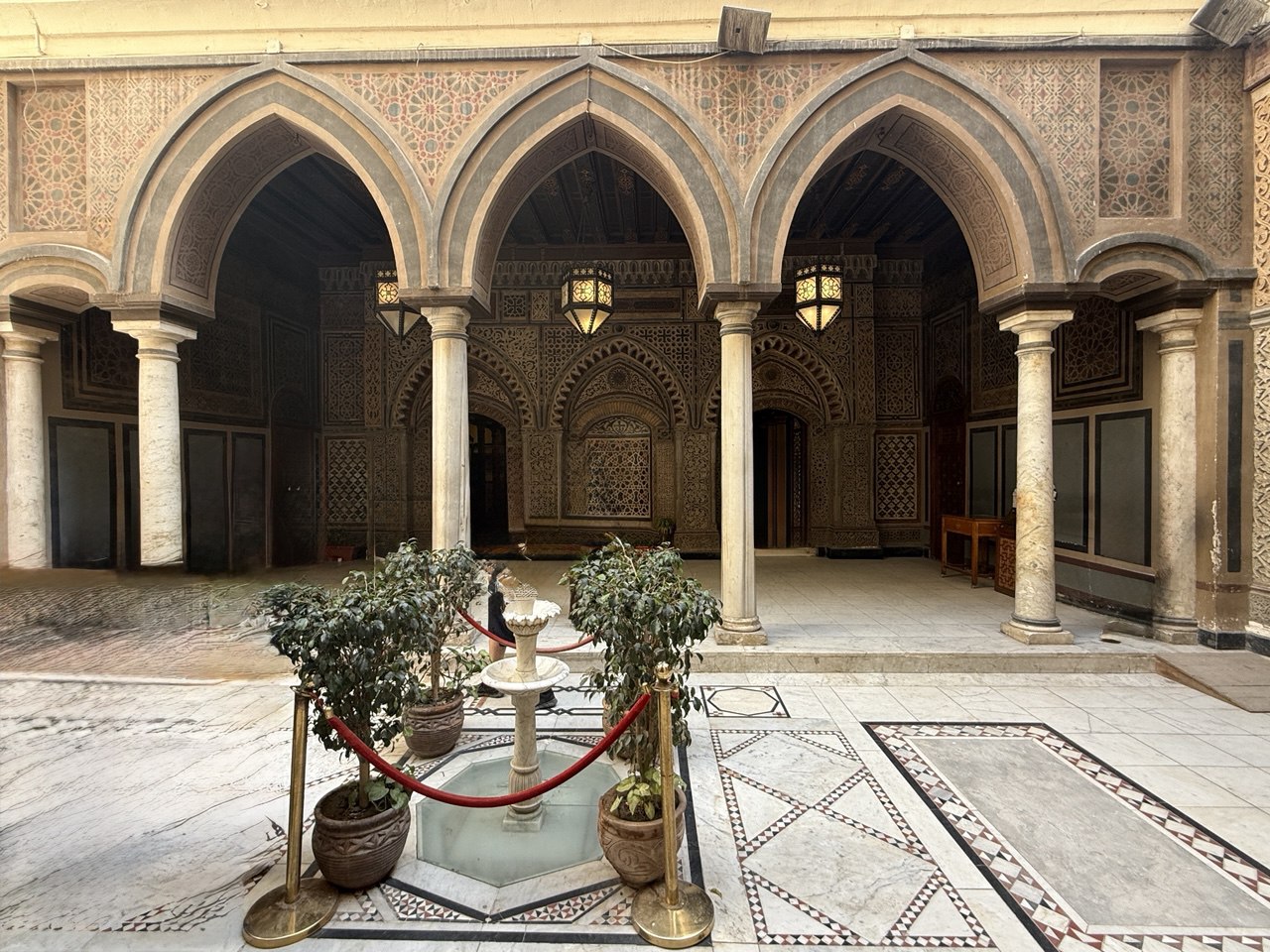
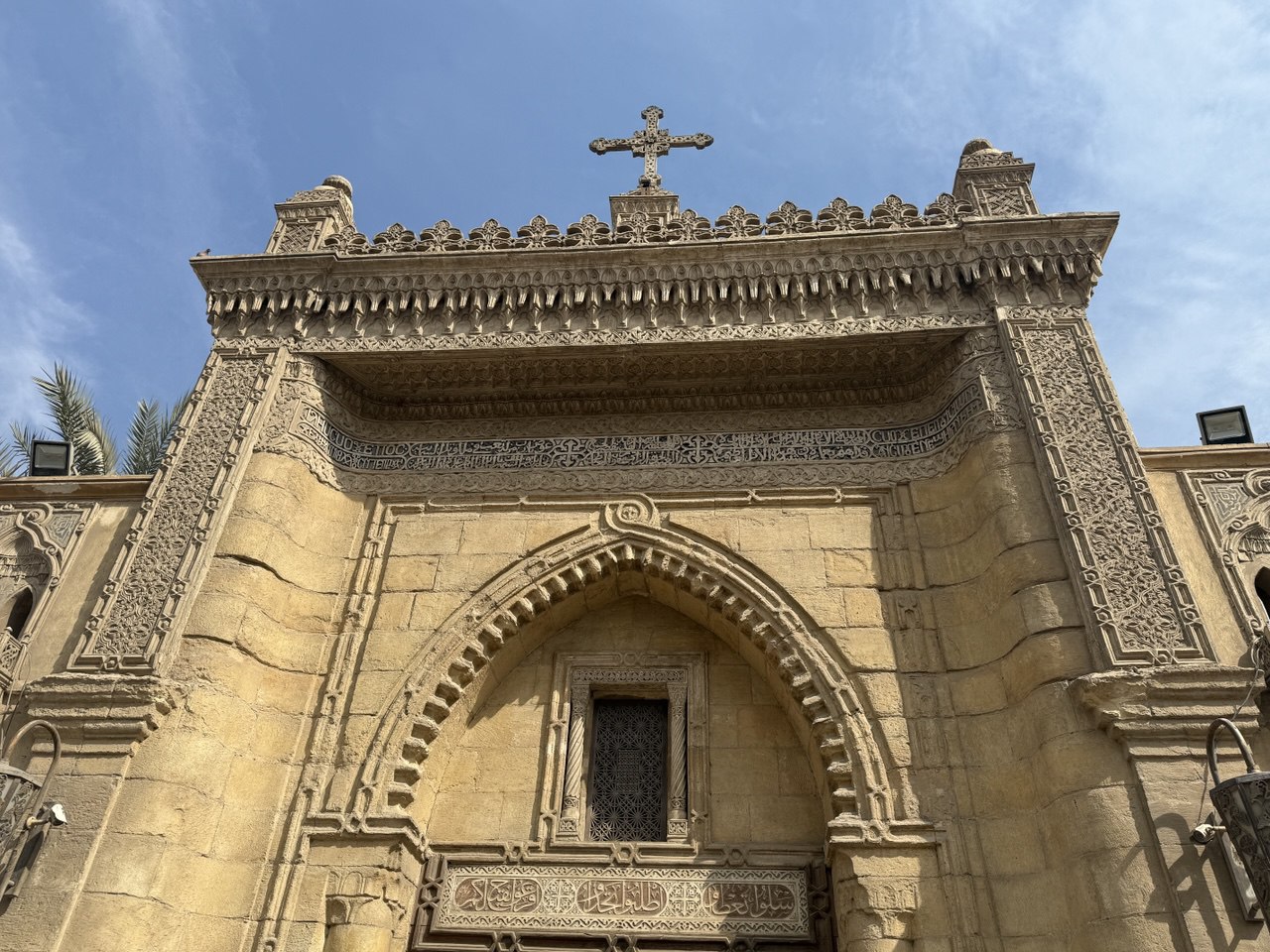
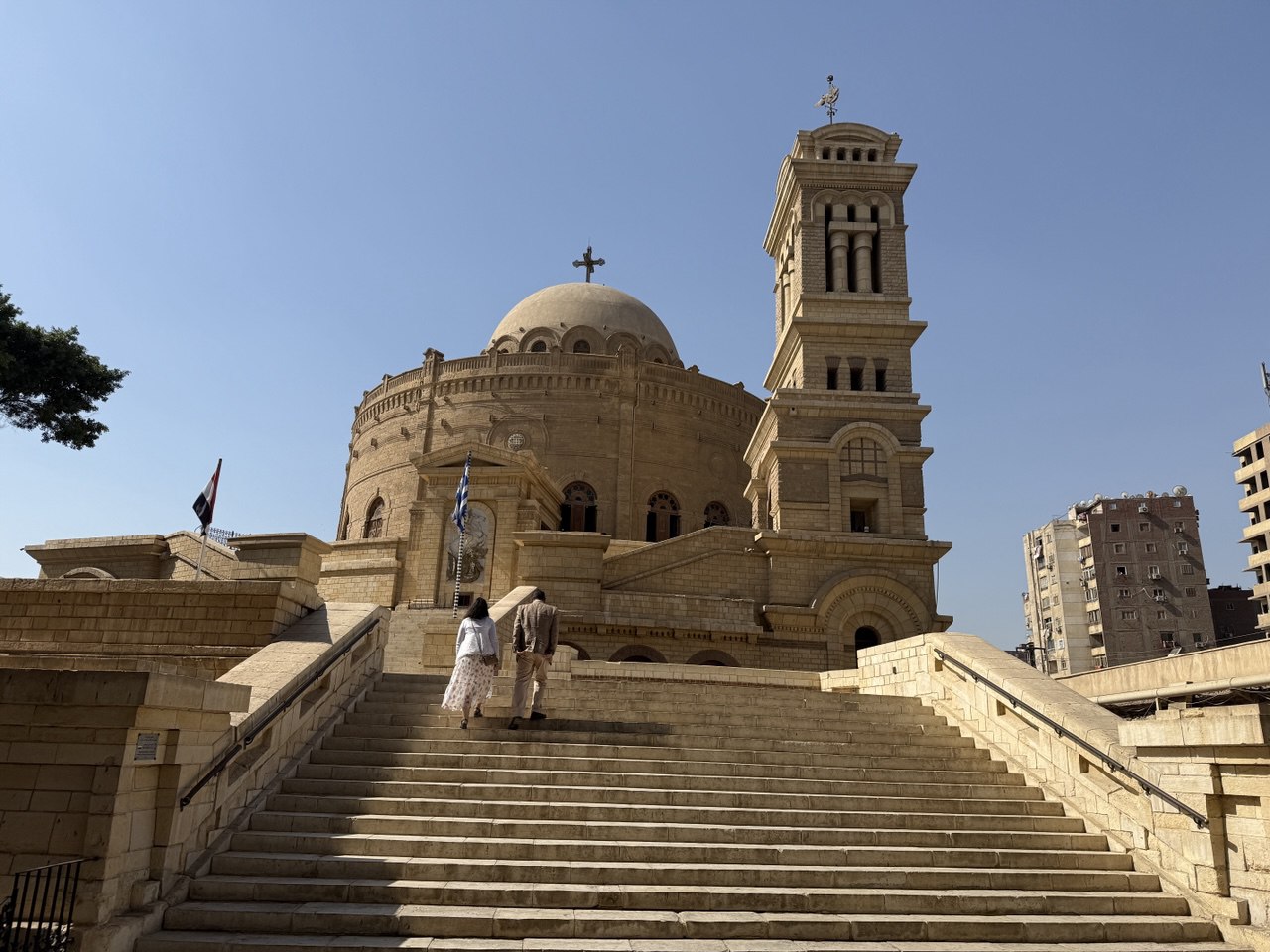
The Church of Saint George was founded in the 7th century, but in the mid-19th century a fire almost completely destroyed the ancient building. The new building was constructed not in the form of a basilica, but in the traditions of Coptic architecture
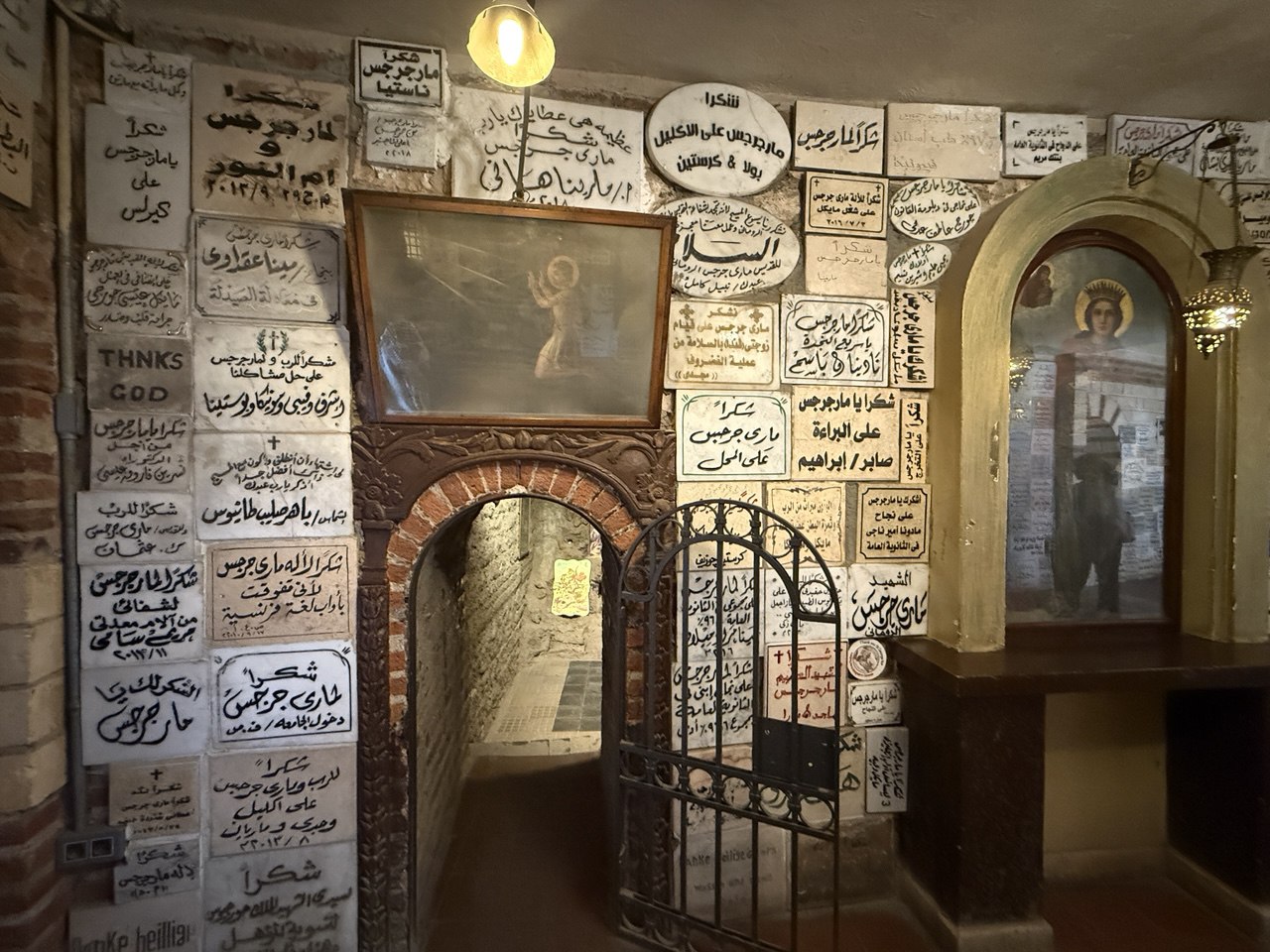
Inside the main hall is a miracle-working icon of Saint George, and on the lower level of the church you can visit the saint’s chapel, where the walls are lined with plaques bearing inscriptions from pilgrims who expressed their gratitude for miraculous healings
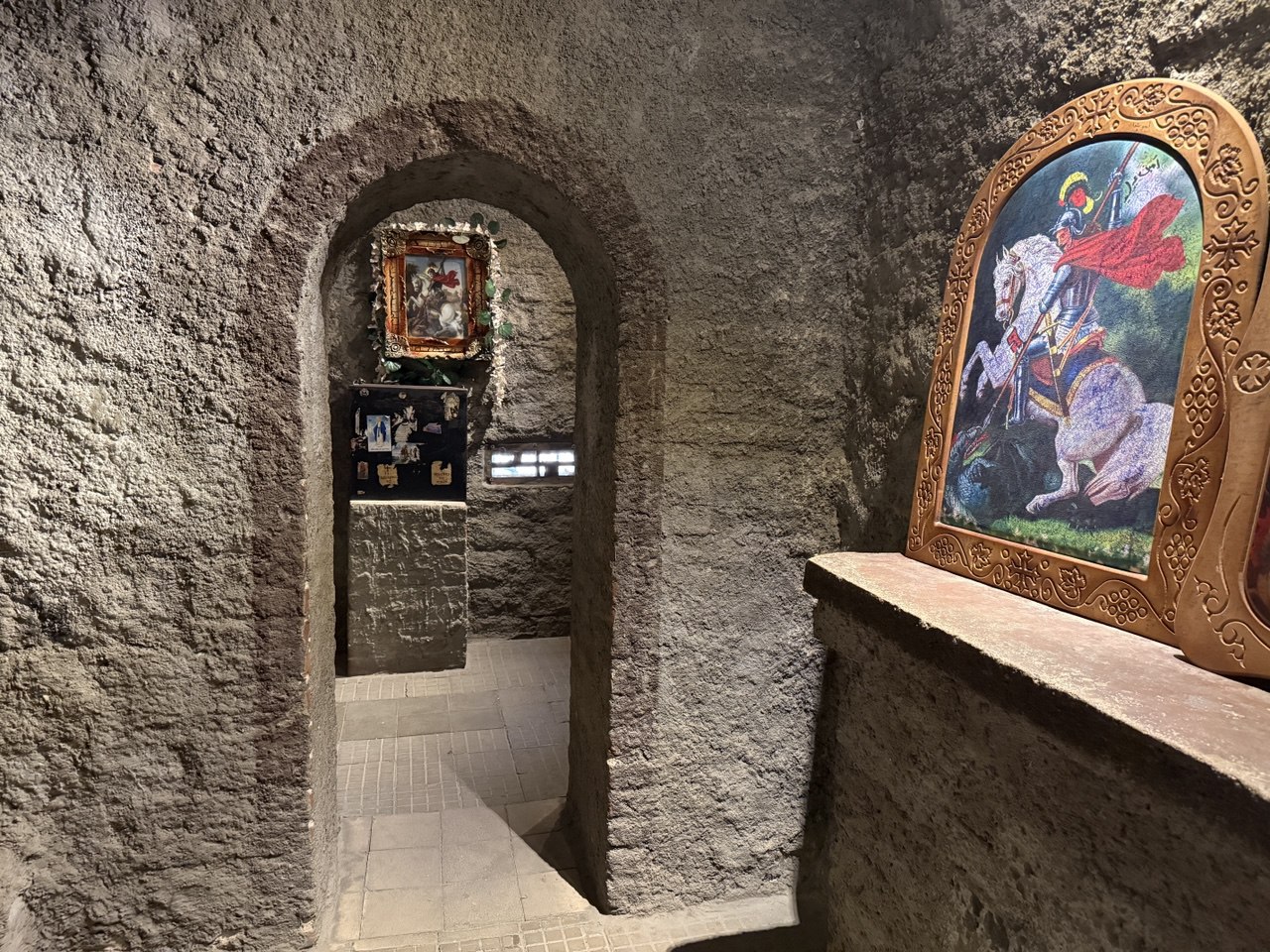
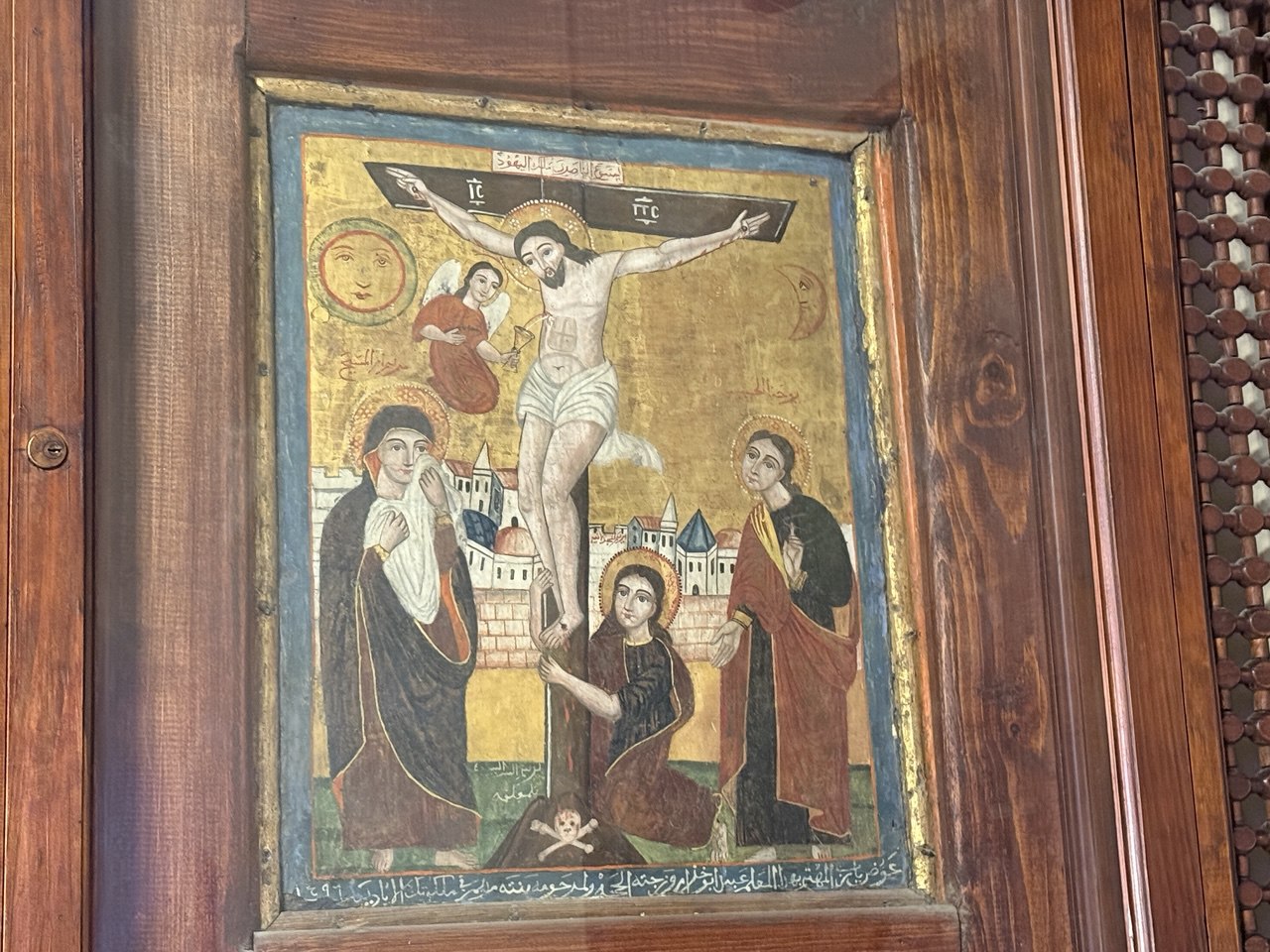
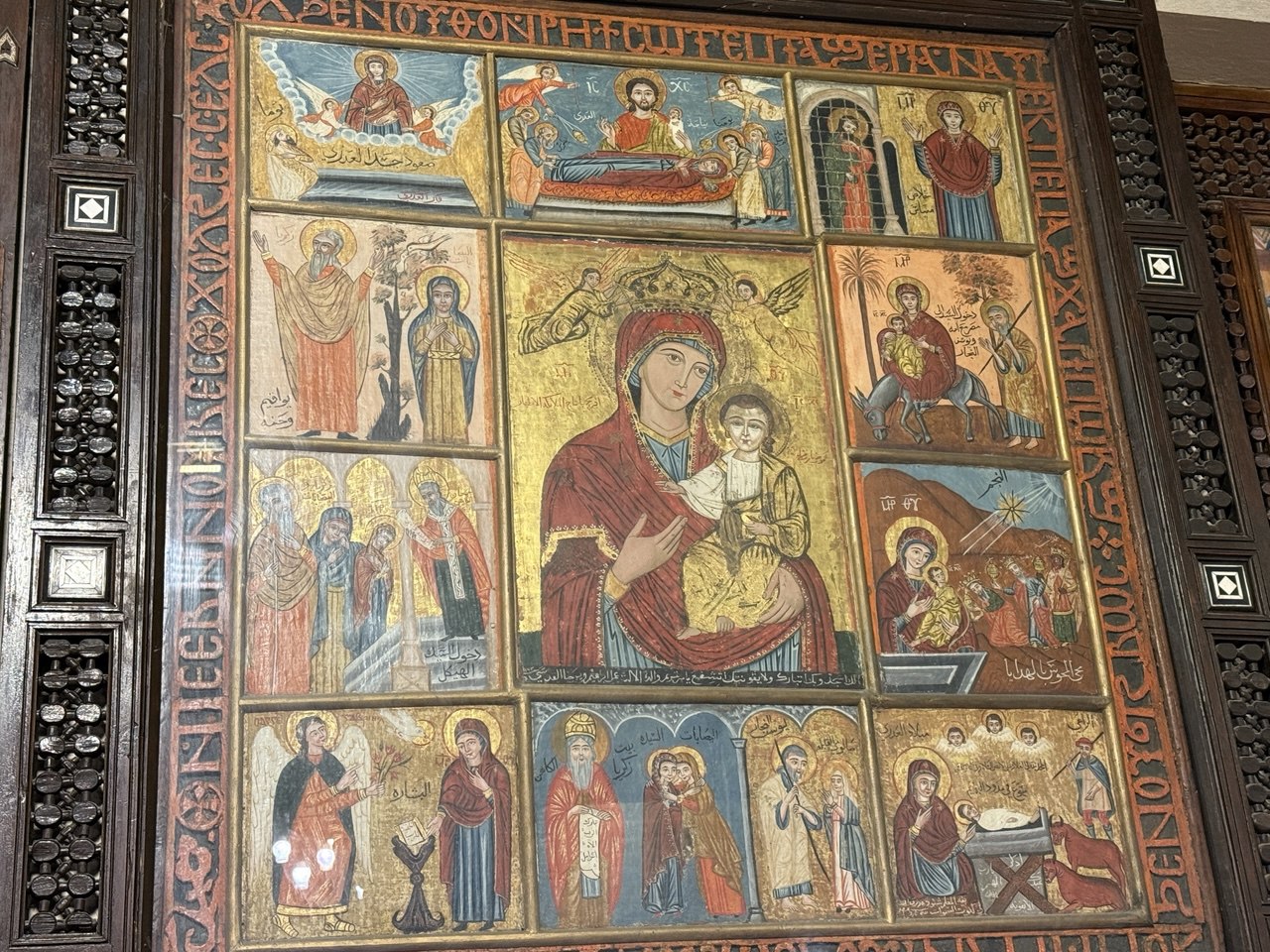
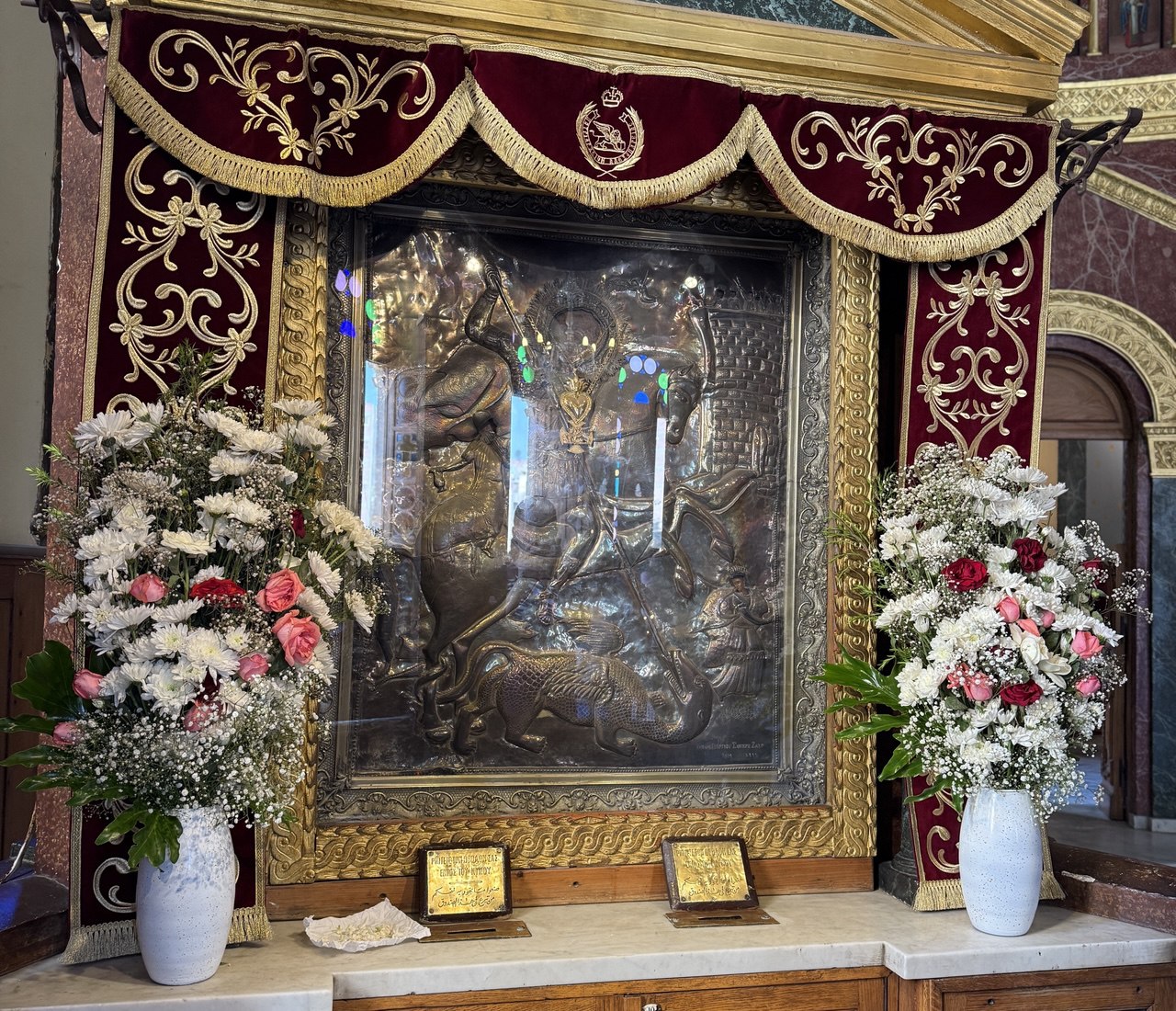
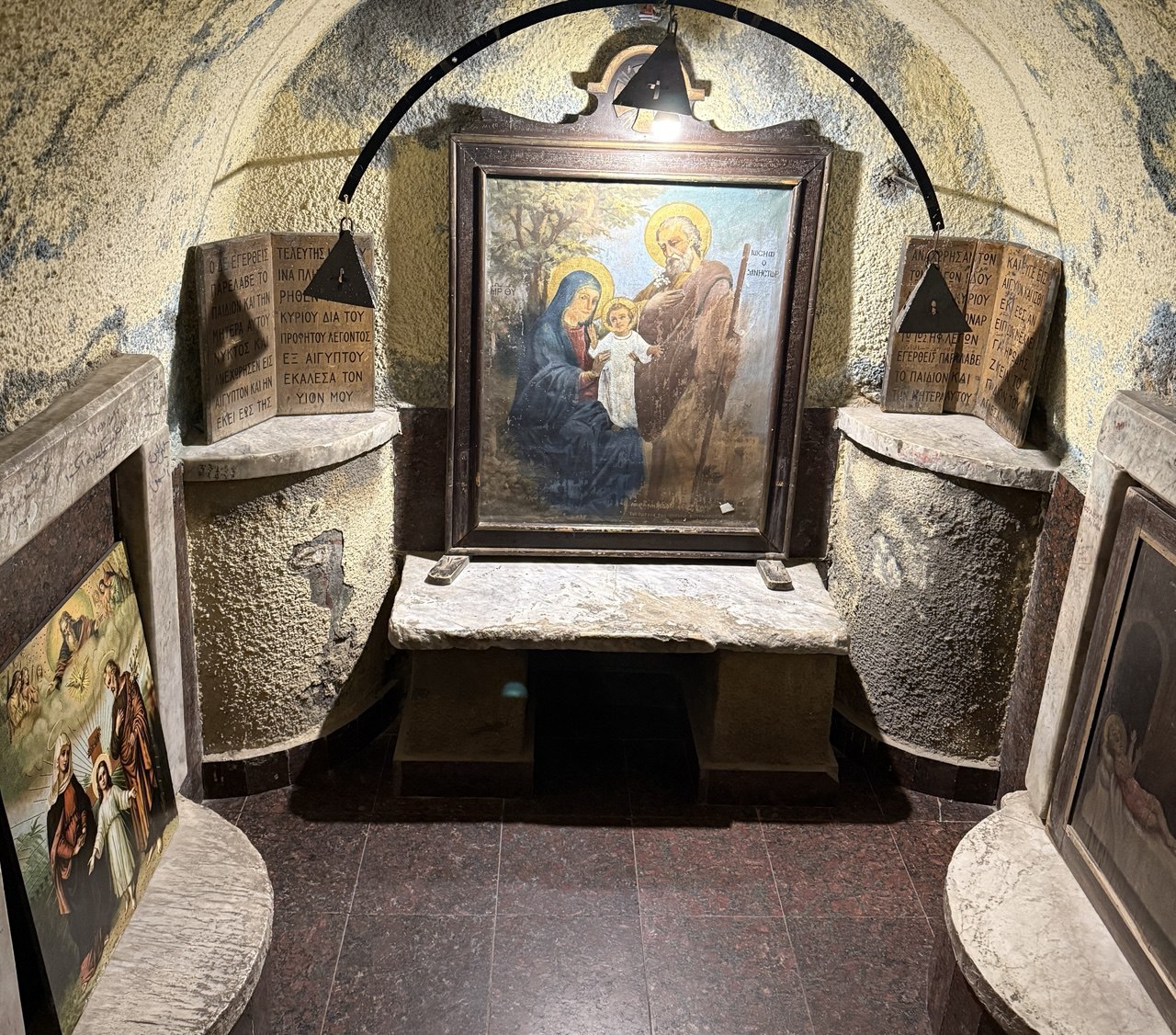
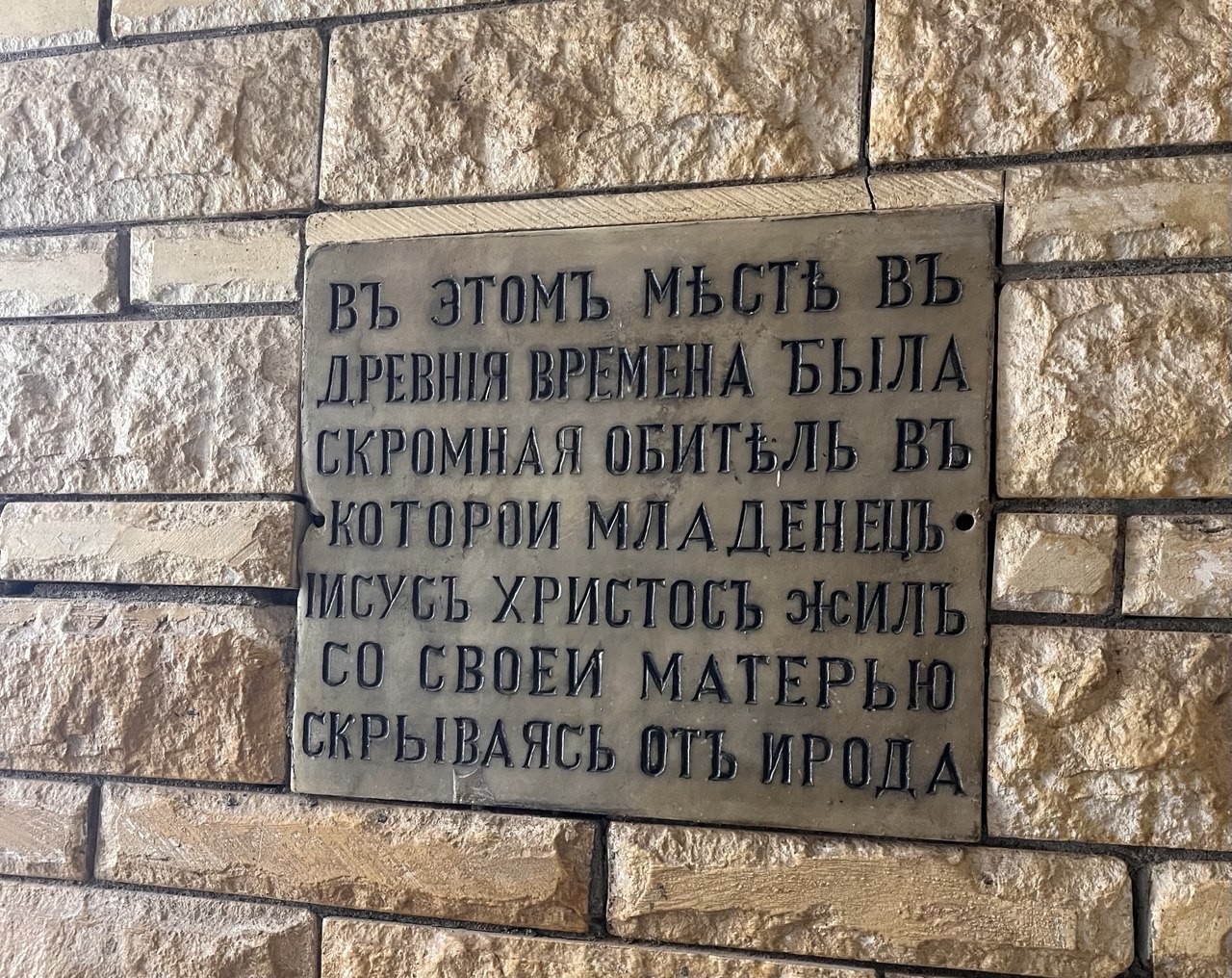
The most famous church of Babylon bears the name of Sergius and Bacchus, but Egyptians simply call it Abu Serga. This 6th-century church was built above the grotto where the Virgin Mary and the infant Jesus stayed and lived for about 3 months. The energy of the place is remarkably strong; I recommend lingering in this grotto and taking in its power - there is a feeling that the energy here radiates a subtle vibration of protection and comfort, as if the Mother of the World herself left her blessing here
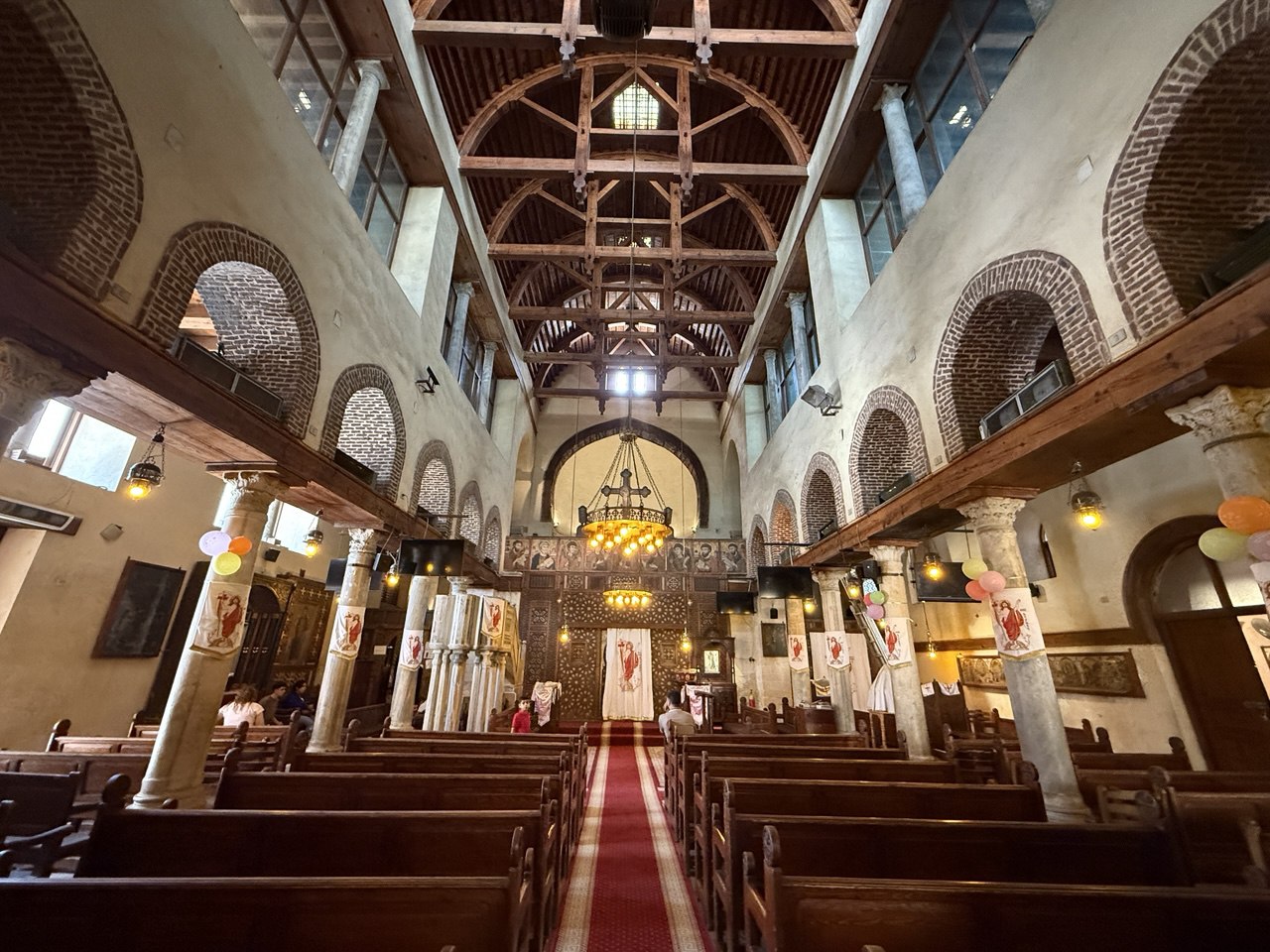
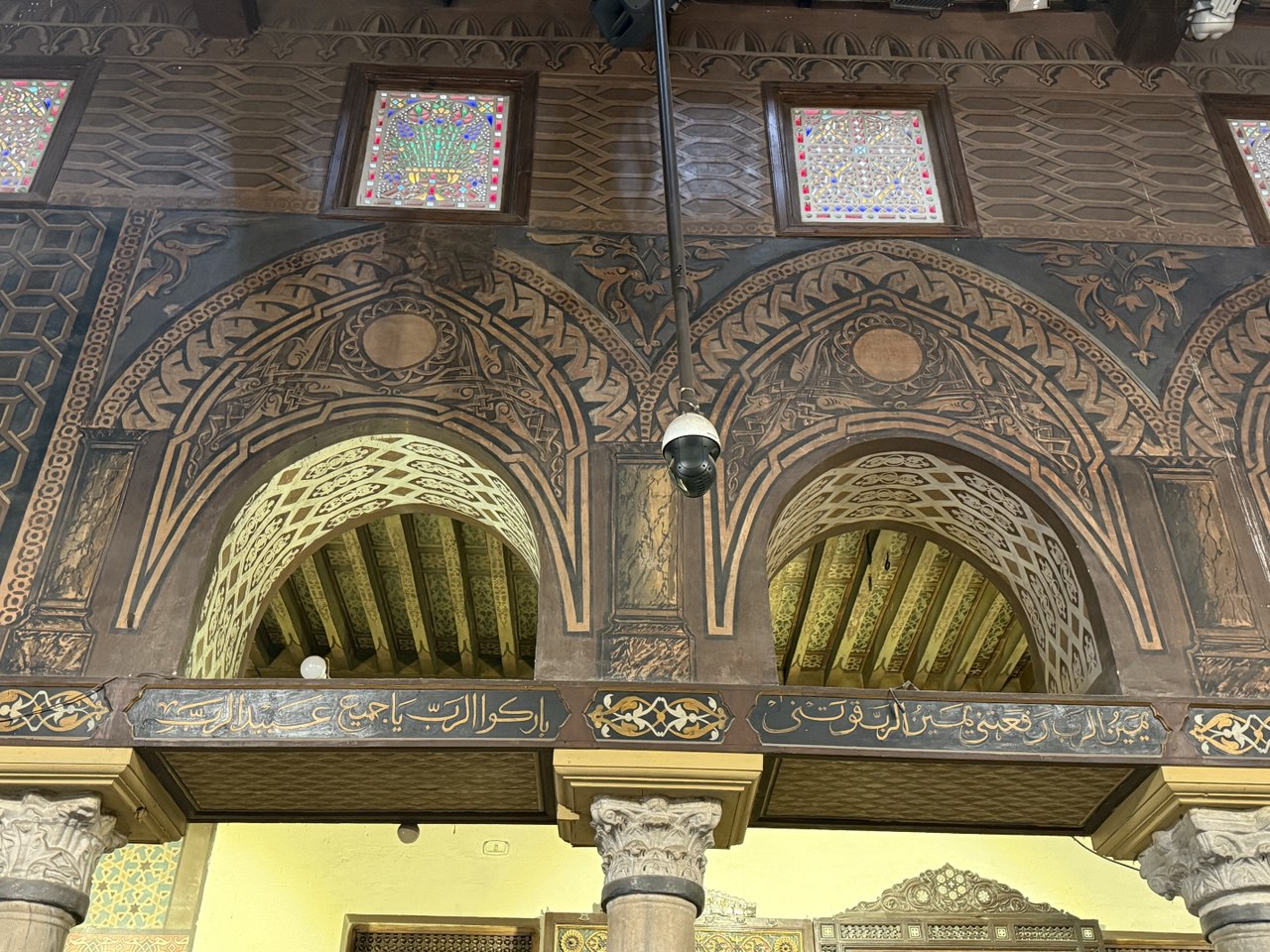
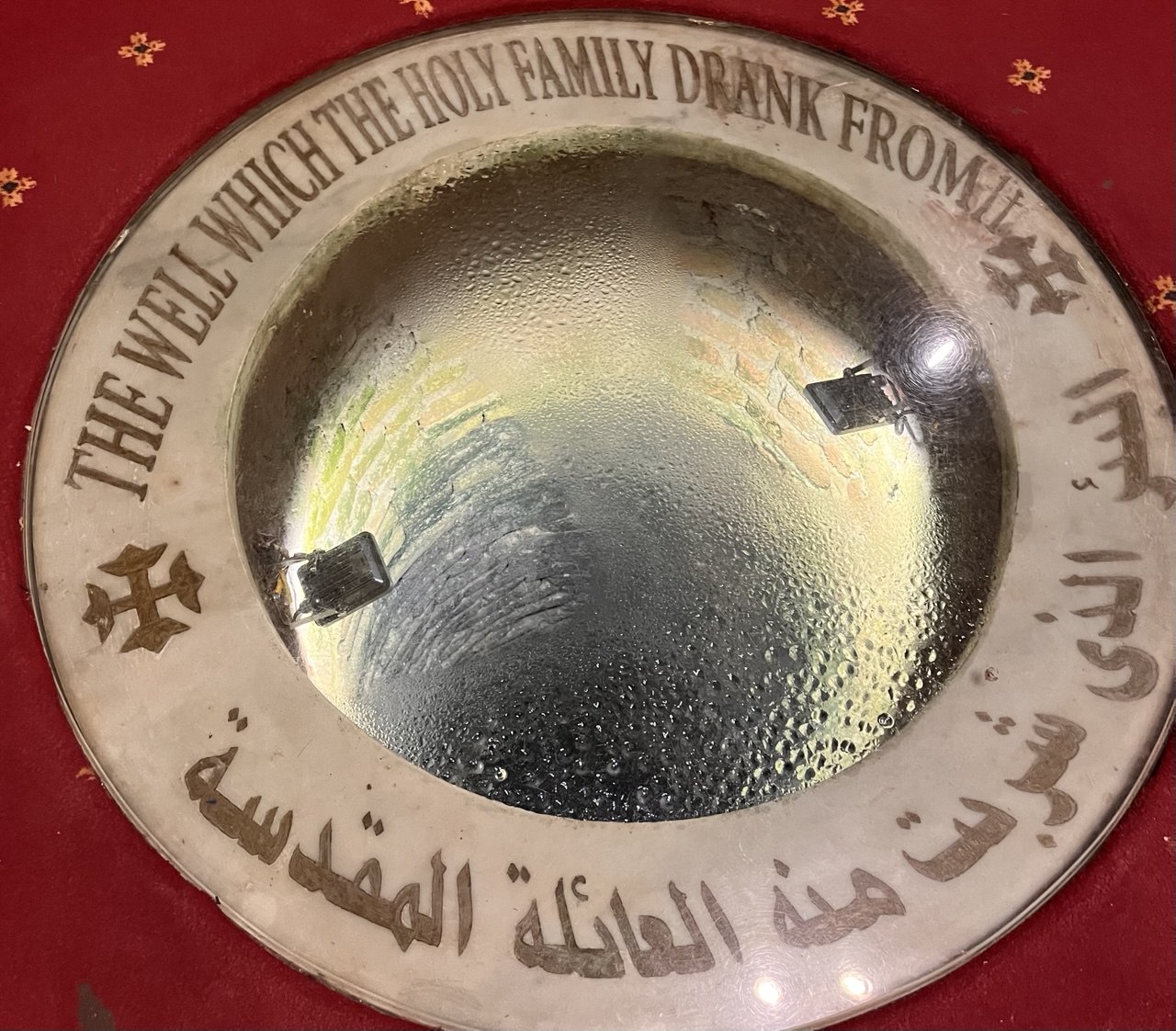
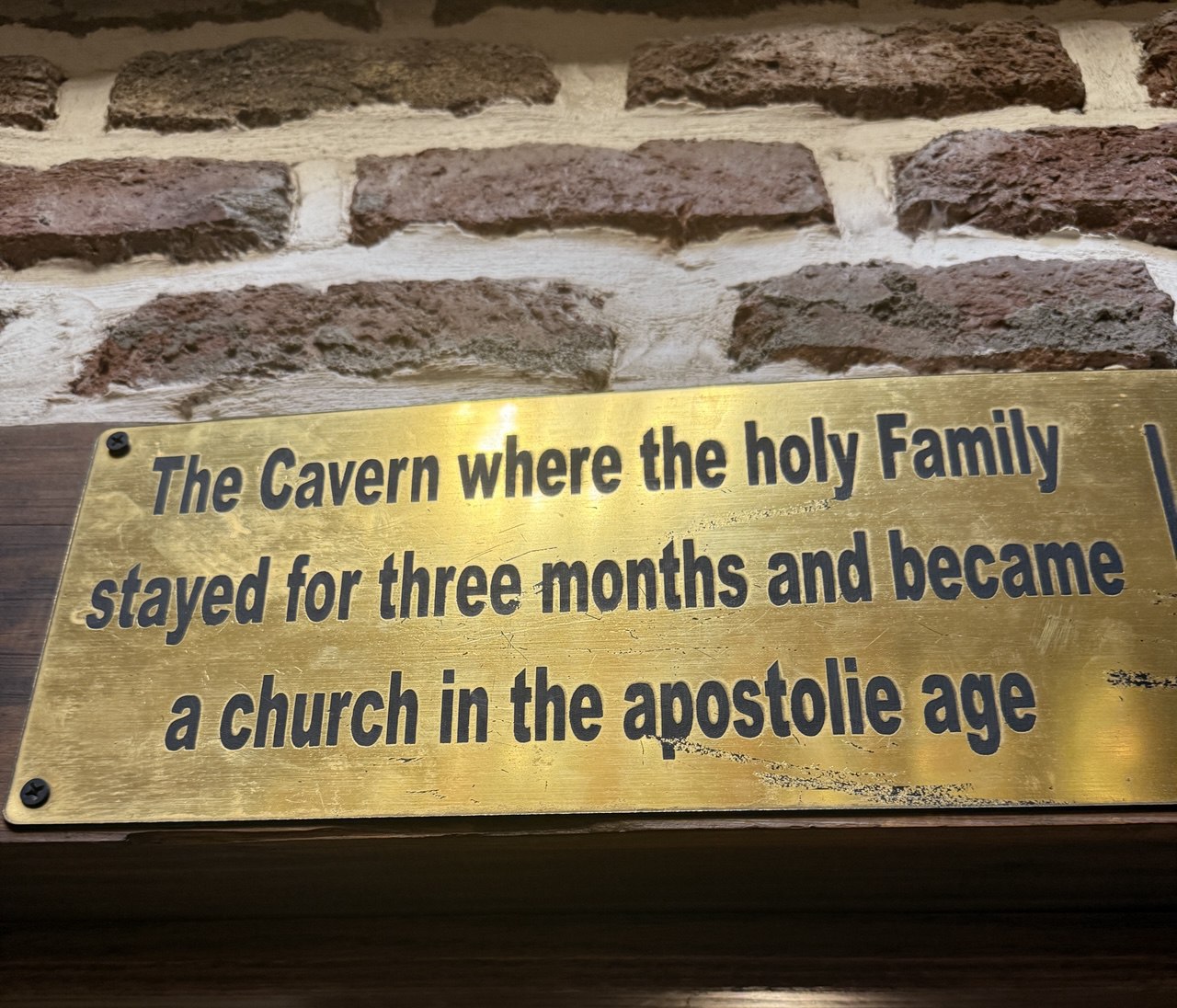
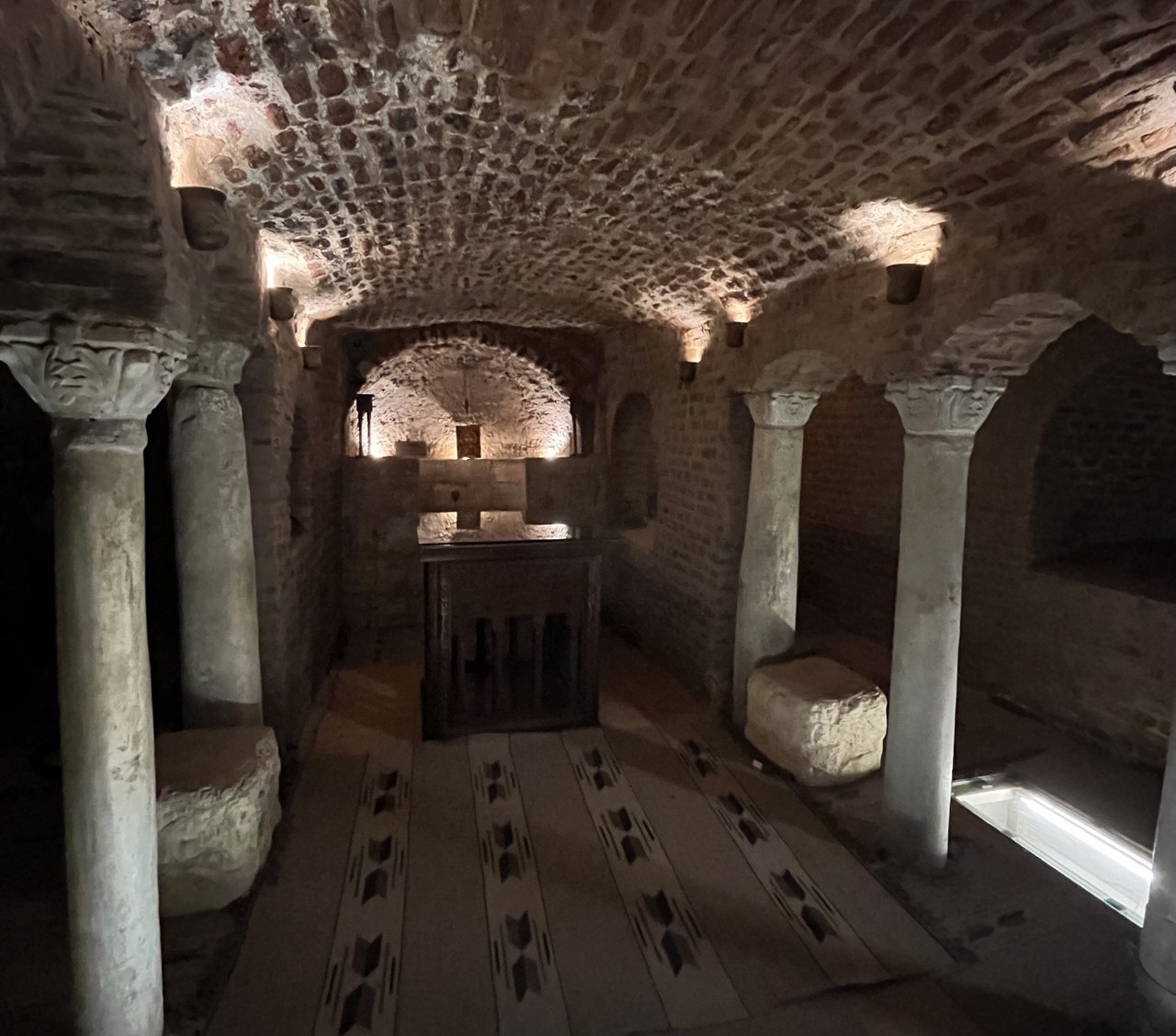
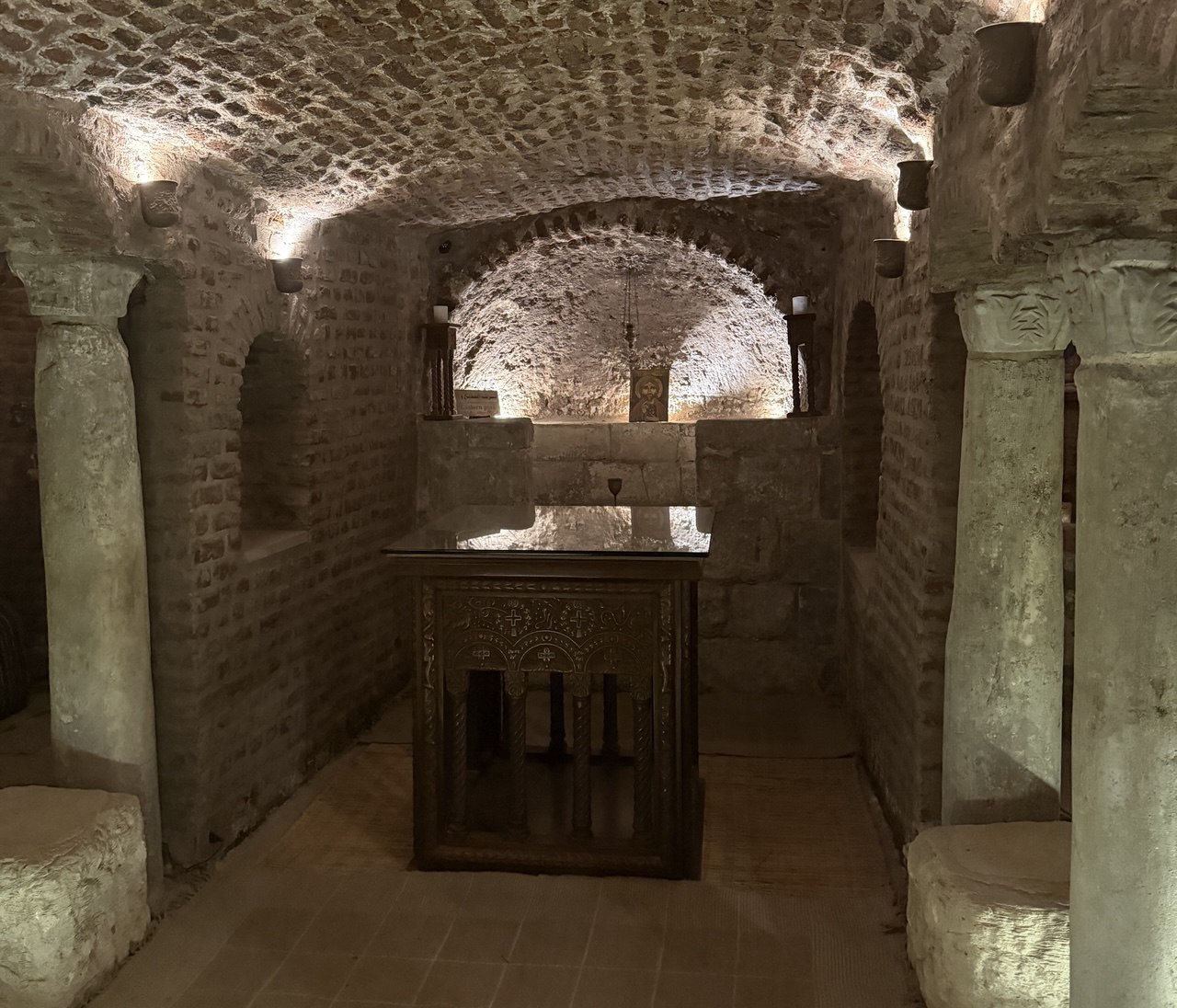
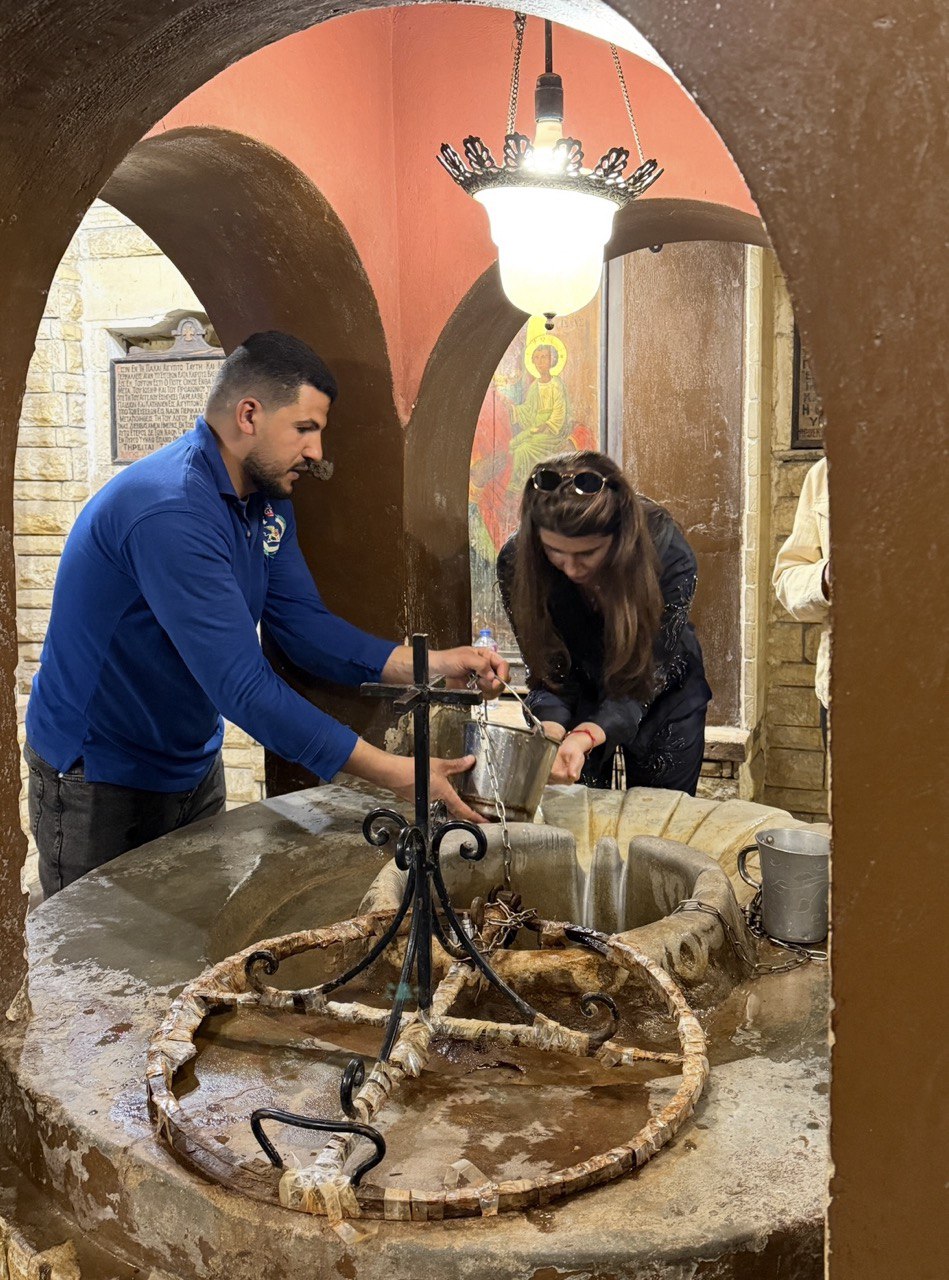
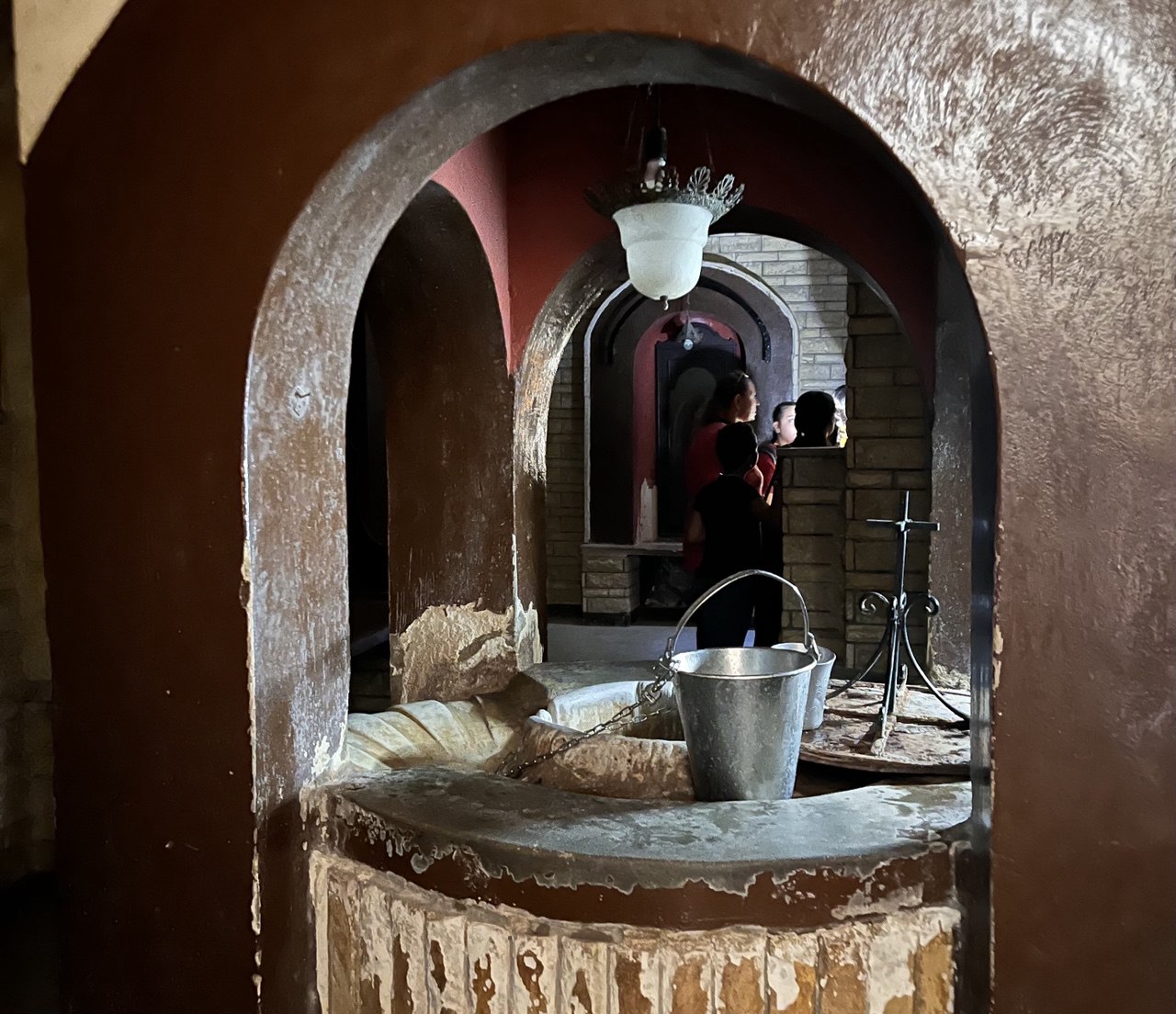
The Church of the Virgin Mary was founded in the 10th century; beneath it lies the grotto where the Holy Family hid. Here too there is a well of holy water from an underground spring
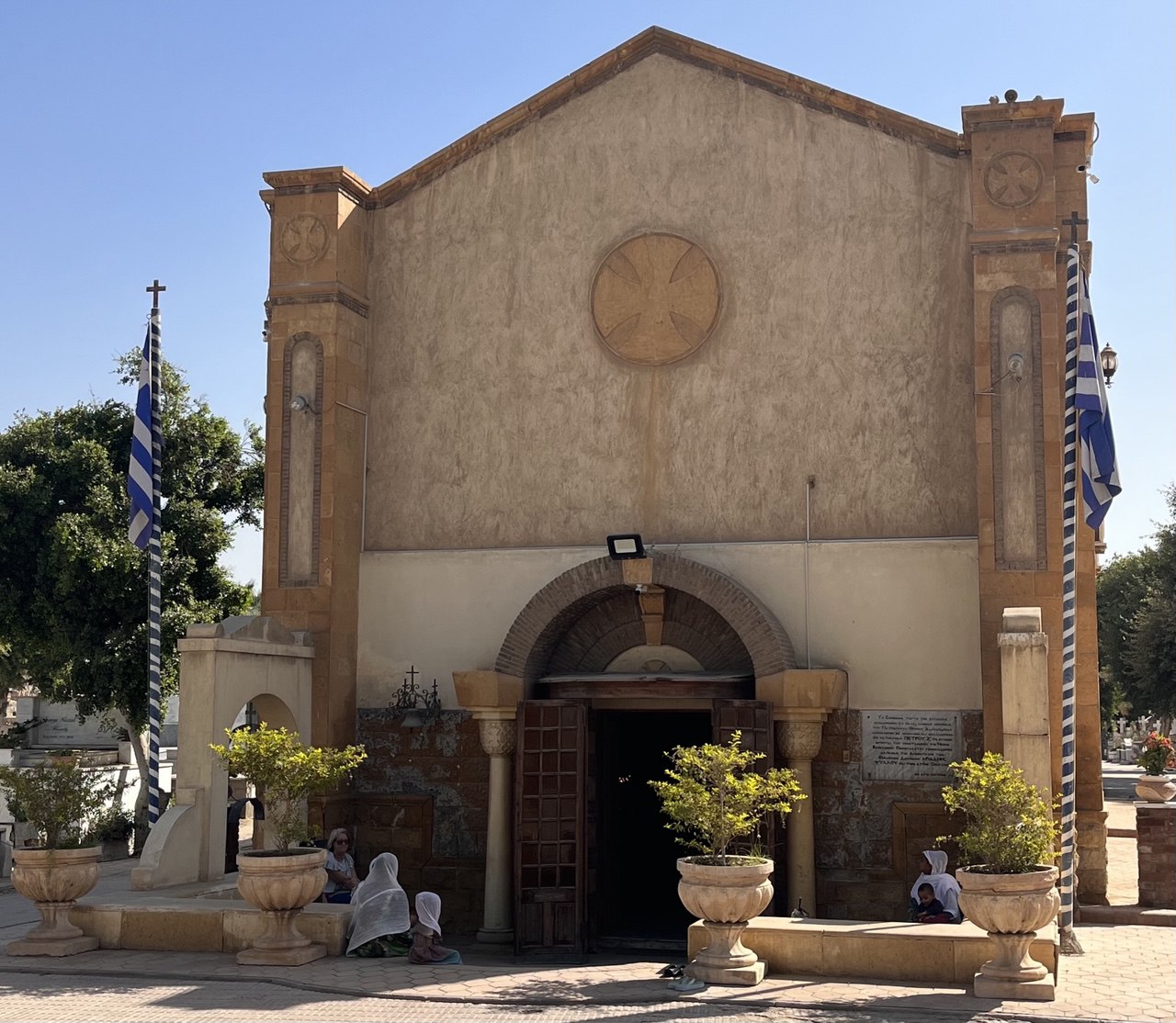
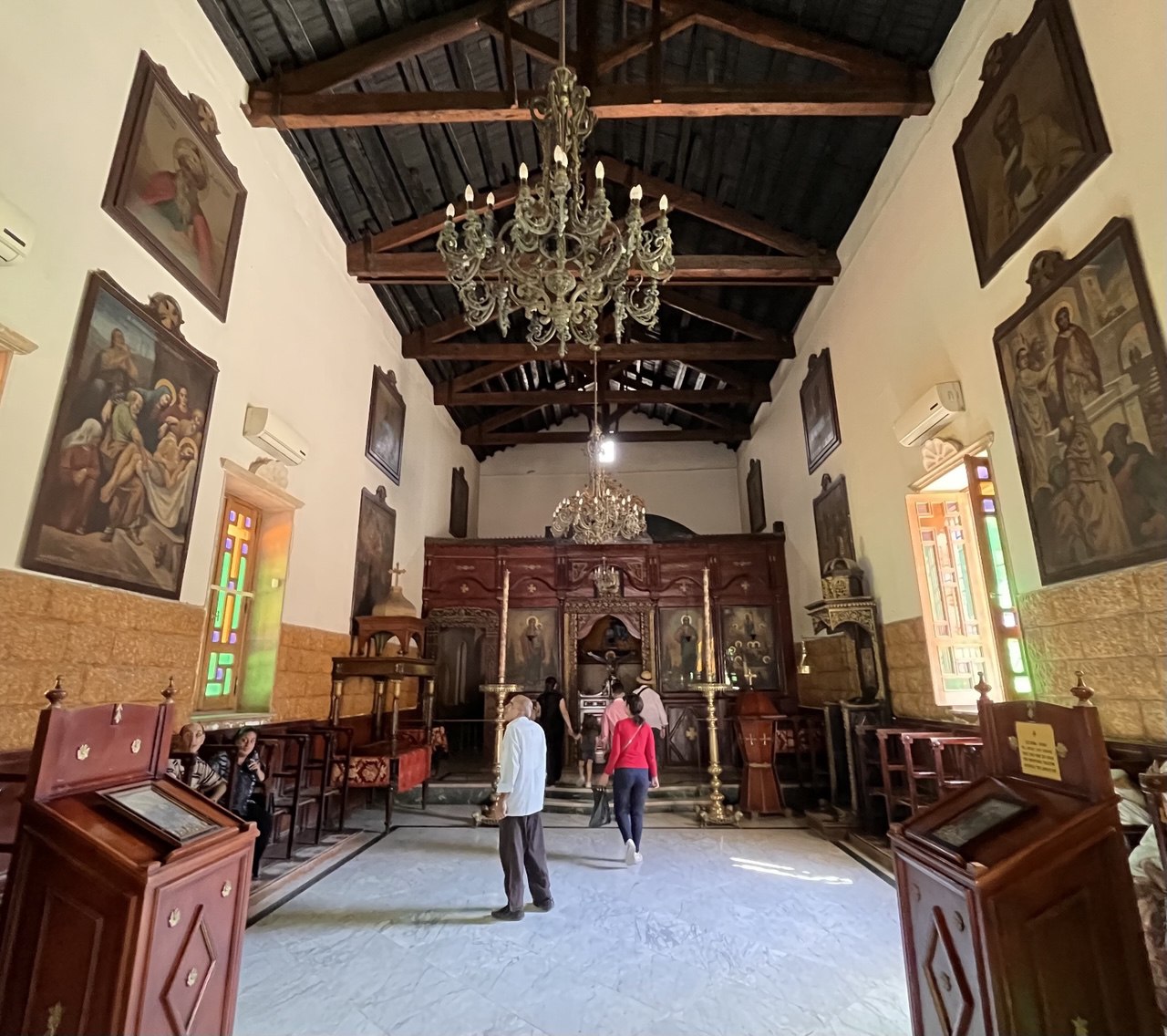
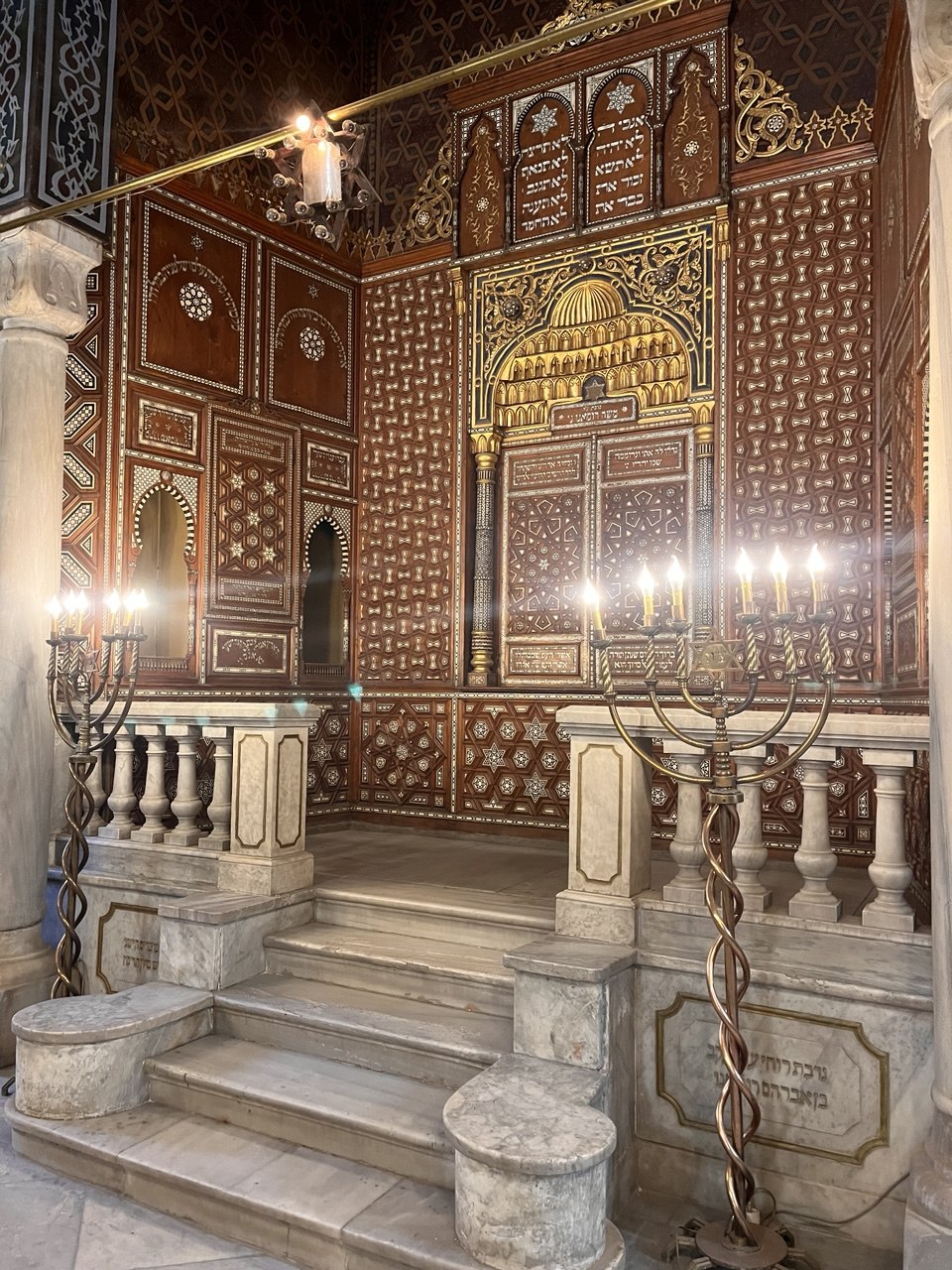
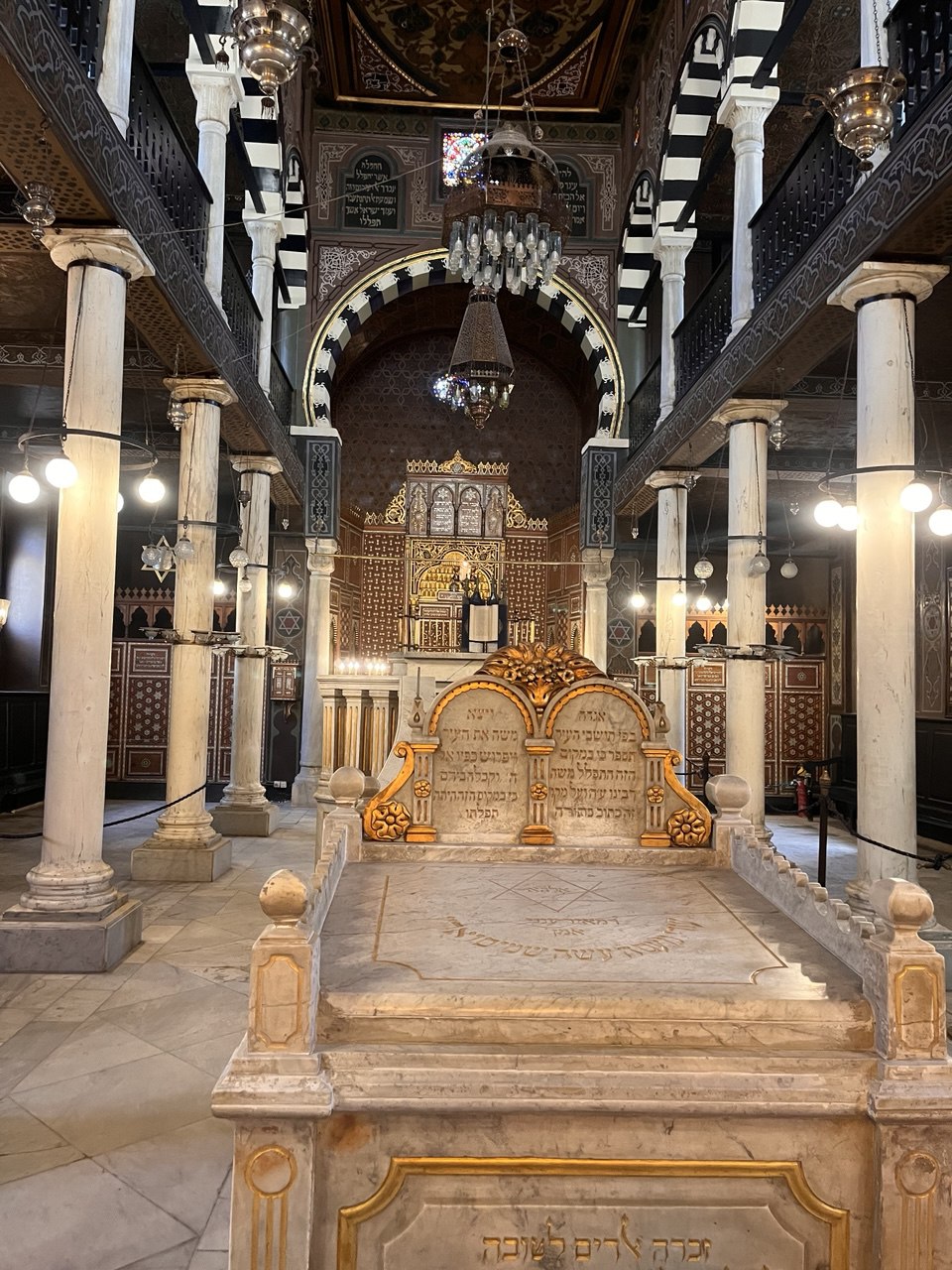
The Ben Ezra Synagogue is considered the oldest in Cairo. It was built in the 9th century on the site of a former Coptic church. According to tradition, it was here that Pharaoh’s daughter found the infant Moses among the reeds.
In 1890 a Geniza was discovered in the synagogue - a collection of ancient Hebrew manuscripts that shed light on the life of the Jewish community in medieval Egypt