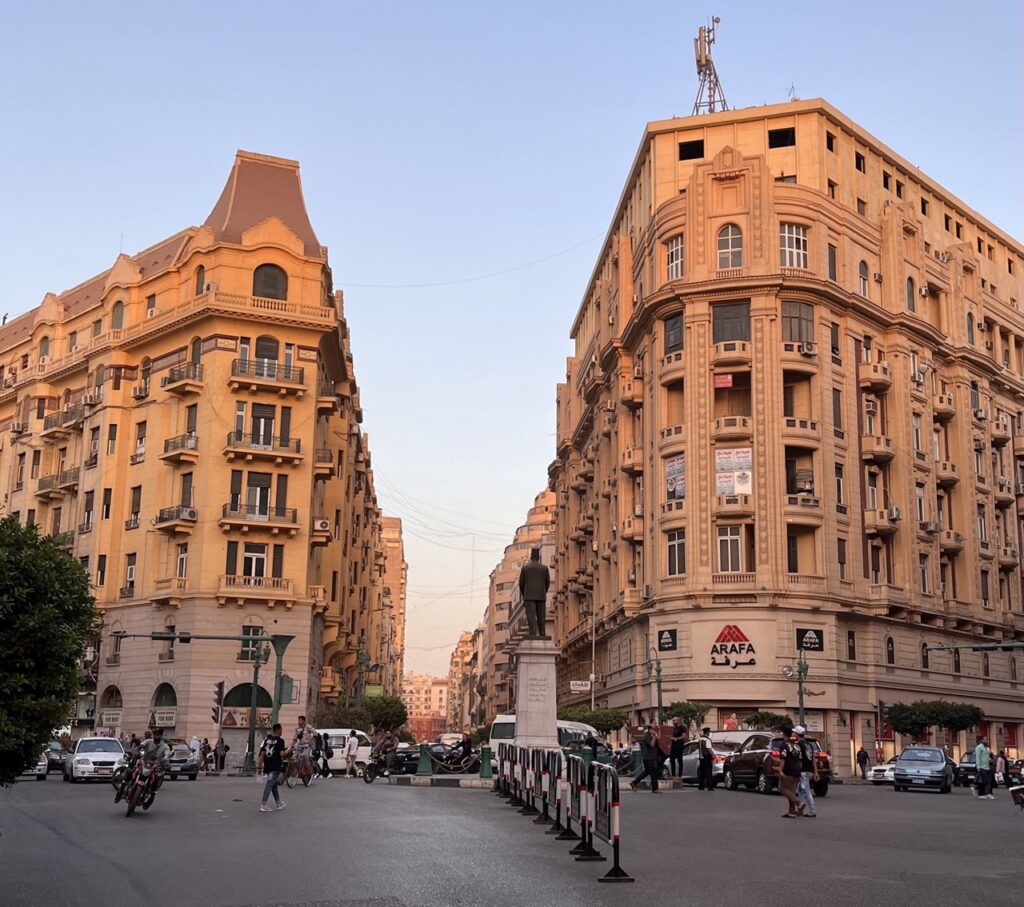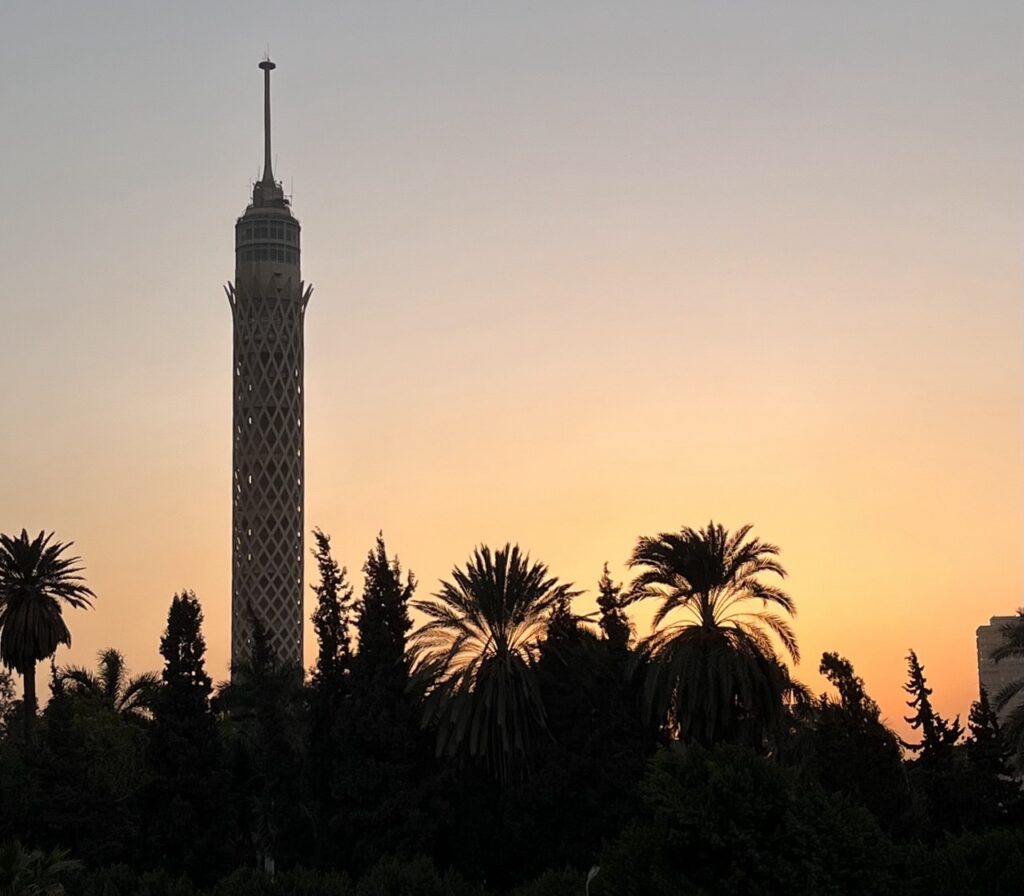
The history of the founding of Cairo goes back to the 10th century
In 969, an Arab Fatimid commander named Jawhar led his army into Egypt. For two years the Fatimids had prepared their attack on Egypt and met almost no resistance. The Egyptians were completely unprepared to defend their borders - there was no strong ruler at the time - and so Egypt passed into the hands of the Fatimid caliphs for almost 200 years
Caliph Al-Mu’izz did not want to keep the old capital, and like all rulers before him, decided to build a new one
The legend of how the new capital was founded
Following the principle used for building ancient temples, the territory of the future city was first marked out: stakes were driven into the four corners, and ropes were stretched between them to mark the perimeter of the future walls
Hundreds of workers were positioned all along the ropes, ready to begin digging the earth at a special signal
The signal was to be the ringing of little bells hung on the ropes. But for this, a certain favorable alignment of the stars and planets was required, which the astrologers were already watching for
Then something unforeseen happened! A raven landed on the rope, and the bells rang. The workers began to dig, and the astrologers cried out in horror: “Al-Qahira is rising!”
At that moment, warlike Mars was rising… And the astrologers took this as an ominous omen that the Ottomans might attack and seize the city
But it was too late to fix the situation - the city had already been founded, and it was decided to keep the name Al-Qahira, which translates as “The Victorious”
Today we call the city Cairo, while in Arabic it still bears its original name, Al-Qahira
Originally the city was not intended for ordinary people, but was a private, isolated estate. Ordinary people were denied access to Al-Qahira unless their services were needed
Even ambassadors were received outside the city and led in through special gates
It was only 200 years later that the residents of Fustat - the former capital of Egypt - took the city into their own hands and built mosques and residential houses there
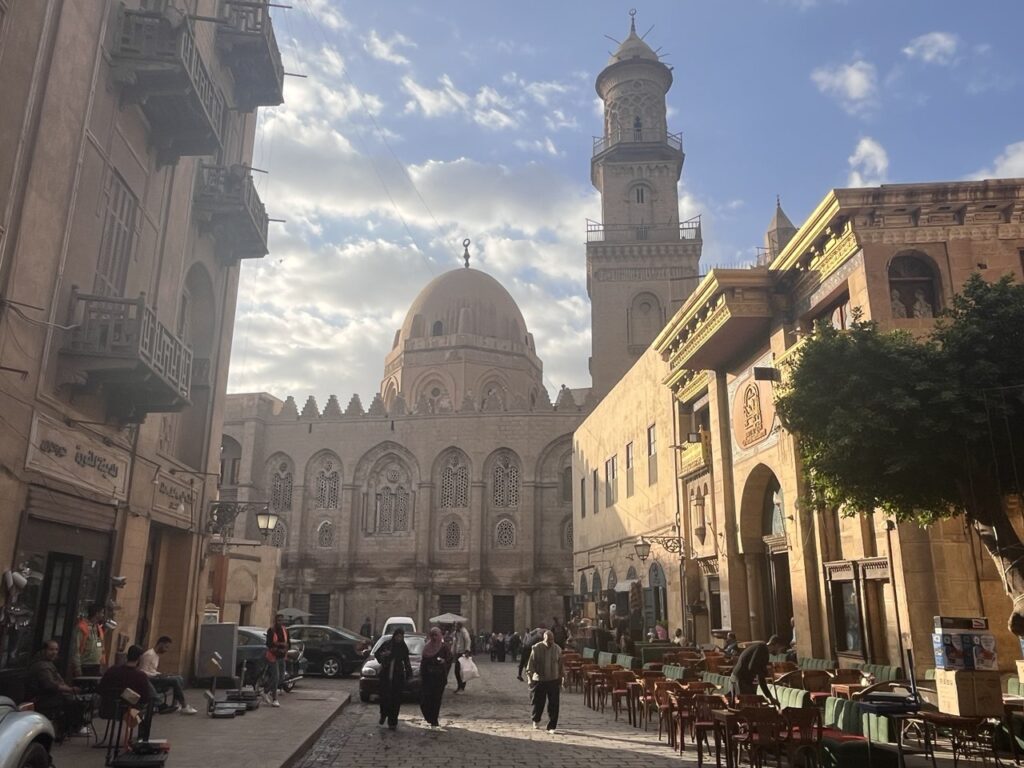
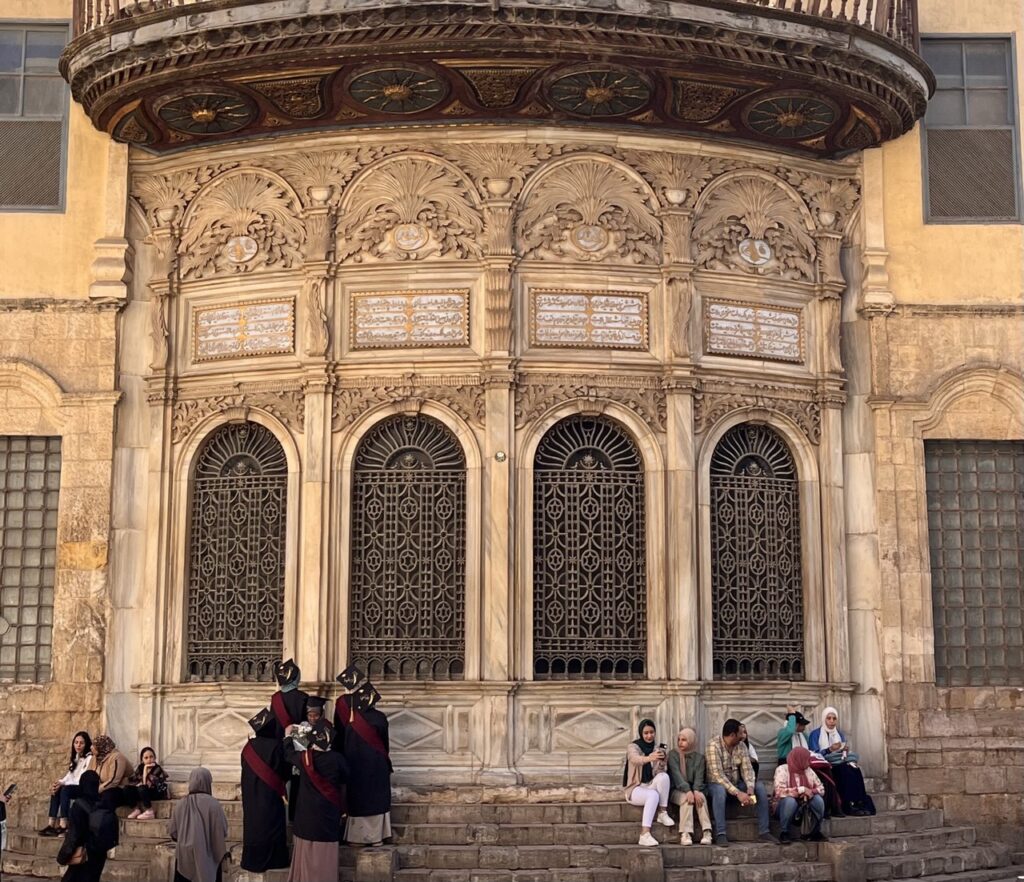
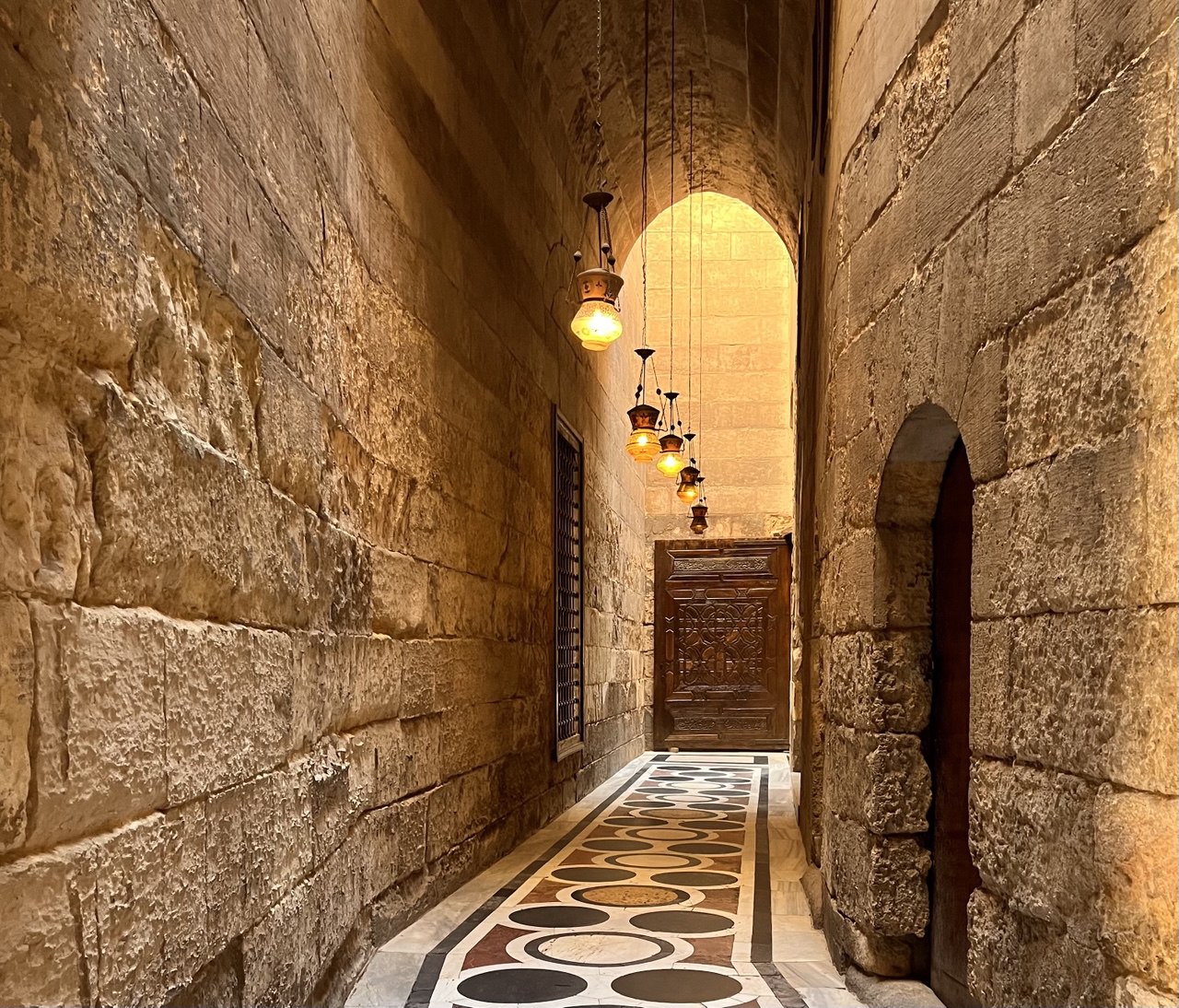
Today, on the site where the city was founded, you can still find the original Muizz Street, medieval architecture, ancient mosques and caravanserais, as well as the largest oriental bazaar, Khan el-Khalili
In our tours - the old city, myths and legends, tastings of delicious national cuisine and wonderful coffee, and much more